
Importing graphite feels risky with complex rules and high tariffs. These uncertainties can cause costly delays, hurting your business. Understanding the process is the only way to protect your supply chain1.
To import graphite into the U.S. without delays, you must ensure correct HTS classification2, provide complete and accurate documentation, and account for all duties, including potential Section 301 tariffs3. Working with a U.S. customs broker4 for pre-clearance is the most effective strategy to prevent issues.

I've seen many importers, just like you, struggle with the complexities of bringing graphite into the U.S., especially from China. It's a critical material, but the rules are constantly changing. Getting it wrong means your containers get stuck at the port, and your costs spiral out of control. But getting it right is possible. You just need a clear roadmap. This guide will give you that roadmap, breaking down each step so you can import with confidence and keep your production lines moving.
Does the U.S. Import Graphite or Produce It Domestically?
Your business relies on a steady graphite supply. But you hear about trade tensions and wonder if sourcing it is secure. The risk of disruption feels high, and you need a stable source.
Yes, the U.S. is almost entirely dependent on importing graphite5. While there are some domestic reserves, there has been no significant U.S. production of natural graphite6 since the 1950s. This makes importers like you essential to the American economy, especially for high-tech manufacturing7 and EV batteries.

The reality is simple. The U.S. needs graphite, and it has to come from other countries. For decades, this wasn't a problem. But today, the game has changed. Your role as an importer is more critical and more scrutinized than ever before.
Where the Graphite Comes From
The U.S. imports graphite from several key countries. According to the U.S. Geological Survey, the top sources are:
| Country | Share of U.S. Imports (Approx.) | Type of Graphite |
|---|---|---|
| China | 33% | Natural & Synthetic |
| Mexico | 21% | Natural |
| Canada | 17% | Natural |
| India | 9% | Natural |
| Germany | 5% | Synthetic |
China is the biggest single source for both natural and synthetic graphite8. This is why so many discussions about tariffs and trade controls9 focus on shipments from China. Customs officers look closely at the Certificate of Origin10 for graphite shipments because they know where most of it comes from. They want to ensure the correct duties and tariffs are applied based on the country of origin.
Why Is Graphite a High-Risk Import in 2024–2025?
You see headlines about EV battery demand and trade wars. You worry that your next graphite shipment could get caught in the crossfire. This uncertainty makes planning your inventory and costs very difficult.
Graphite is a high-risk import because of its critical role in EV batteries, which has put it at the center of geopolitical tensions11. This leads to intense U.S. Customs scrutiny, changing export controls from China, and the constant threat of high Section 301 tariffs3.

Your graphite shipment isn't just a simple commodity anymore; it's a strategic material. This is why U.S. Customs and Border Protection (CBP) pays extra attention to it. They are looking for anything that seems out of place.
The EV Battery Boom
Graphite is the primary material used for the anode in lithium-ion batteries. You can't make an EV without it. As the demand for electric vehicles explodes, the demand for high-purity, battery-grade graphite12 goes with it. Major manufacturers like Tesla, GM, and Ford are building massive battery factories, and they all need to source graphite. A lot of that sourcing traces back to China. This direct link means your shipment is part of a very sensitive and high-value supply chain1.
Types of Graphite Under Scrutiny
CBP is trained to look at the specific type of graphite you are importing. They know that different types have different uses and risks.
- Natural Flake Graphite: This is mined directly from the earth and is a common feedstock.
- Synthetic / Artificial Graphite: This is manufactured at high temperatures and is often used for high-performance applications.
- Treated / Coated Battery-Grade Graphite: This is graphite that has been processed to meet the strict purity requirements for EV batteries. This type gets the most scrutiny because of its end-use.
How Is Graphite Classified Under the U.S. HTS Code?
You know that the HTS code determines your duty rate13. But with graphite, the classifications seem confusing. Choosing the wrong code could lead to your shipment being held and facing unexpected penalties.
Graphite is classified under two main Harmonized Tariff Schedule (HTS) codes. Natural graphite falls under HTS code 2504, while artificial (synthetic) graphite is classified under HTS code 3801. Misclassifying between these two is a major reason for customs delays and duty adjustments.
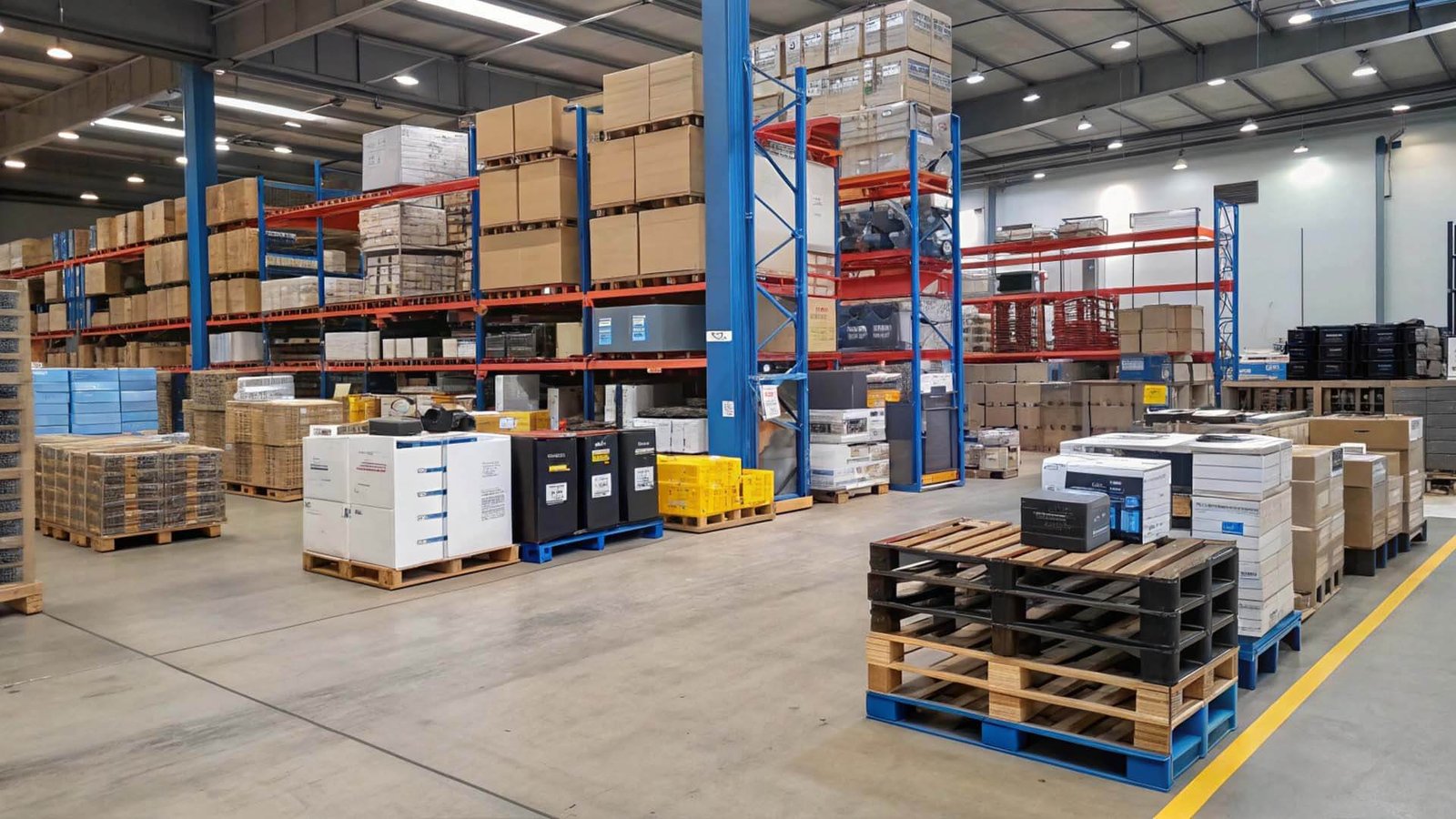
Getting the HTS code right is the first and most important step in a smooth customs clearance process. I've seen importers get this wrong and pay dearly for it. A simple mistake can be interpreted as negligence or even fraud by CBP, leading to exams, fines, and long delays.
Natural vs. Artificial Graphite Codes
The key distinction CBP looks for is whether your graphite was mined or manufactured. This changes everything from a classification standpoint.
| HTS Heading | Description | Typical Use | Key for Importers |
|---|---|---|---|
| 2504 | Natural graphite | Lubricants, refractories, pencil lead, battery feedstock | Usually has a lower or zero base duty rate13. |
| 3801 | Artificial graphite; colloidal or semi-colloidal graphite | Electrodes, high-purity anodes, battery-grade materials | Often has a higher base duty and is targeted by Section 301 tariffs3 from China. |
The Problem with Treated Graphite
What if your graphite is "battery-grade"? This usually means it's natural graphite6 that has been purified and coated. This processing can sometimes push it into the classification for artificial graphite (3801) or other chemical chapters, depending on the specific treatment. If your supplier in China classifies it as natural graphite6 (2504) to avoid higher duties, but CBP determines it's treated, your shipment will be flagged immediately. This is where you need an expert customs broker4 to review your product specifications and confirm the correct HTS code before you ship.
What Is the Current U.S. Tariff on Graphite Imports From China?
You read news about a 25% tariff on Chinese goods. You need to know if this applies to your graphite. A surprise 25% tariff could wipe out your profit margin on a shipment.
The tariff on graphite from China depends on its HTS code. While some types of artificial graphite under HTS 3801 are subject to an additional 25% Section 301 tariff, many natural graphite6 classifications are not. You must verify the exact HTS code to know your total duty.

This is the biggest point of confusion for importers. The "25% China tariff" is not a blanket tax on everything. It only applies to specific HTS codes on the Section 301 lists. I've had clients budget for a 25% tariff they didn't have to pay, and worse, clients who didn't budget for it and were hit with a massive, unexpected bill from CBP.
Breaking Down the Costs
Let's clarify how the duty is actually calculated. When you import graphite from China, you might face two different duties that are added together.
- Base Duty Rate: This is the standard duty rate13 for the HTS code that applies to imports from most countries. For many natural graphite6 codes (like 2504.10.10), this rate is 0% (duty-free14). For some artificial graphite (like 3801.10.50), the base rate might be 3%.
- Section 301 Tariff: This is the additional tariff that applies only to specific HTS codes for goods that are a product of China. For artificial graphite under HTS 3801.10.50, there is an additional 25% Section 301 duty.
So, if you import artificial graphite from China under that code, your total duty would be 3% (base) + 25% (Section 301) = 28% of the commercial value. But if you import natural graphite6 that is not on the Section 301 list, your duty could be 0%. This is why correct classification is so critical to your bottom line.
Does the $800 De Minimis Rule Apply to Graphite Imports?
You've heard that shipments valued under $800 can enter the U.S. duty-free14. You might wonder if you can use this for small sample shipments. Relying on this rule for commercial goods is a costly mistake.
No, the $800 De Minimis rule does not apply to commercial container shipments of graphite. This rule is designed for low-value personal imports or small e-commerce orders, not for B2B freight. Attempting to use it for your business will lead to shipment rejection and penalties.
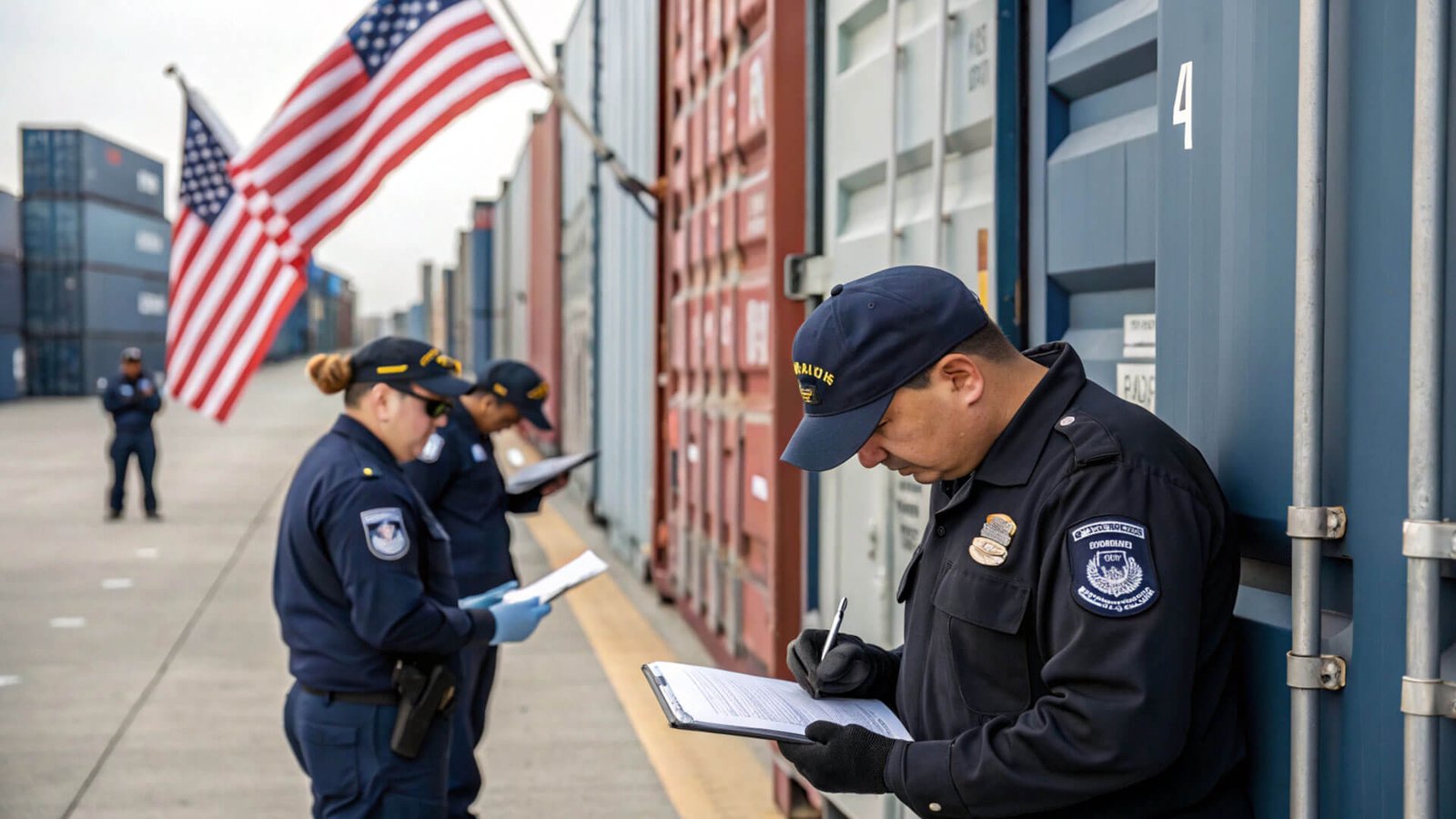
This is one of the most persistent myths in importing. The $800 rule, also known as Section 321, is intended to speed up low-value shipments for consumers. It was never meant for businesses importing inventory. Your full container load (FCL) of graphite, even if the value is low, is a commercial entry. It requires a formal customs entry, and all applicable duties and taxes must be paid.
Why It Never Works for B2B
CBP has very clear guidelines. A shipment does not qualify for the $800 rule if it is one of several lots broken down from a single order to evade duties. So, even if you try to send multiple small boxes, CBP will see it as a single commercial shipment and require a formal entry.
I once worked with a client, Mark, who was new to importing. He tried to bring in a few pallets of a specialty graphite powder and was advised by his supplier to ship them in separate boxes, each valued under $800. Customs held every single box. They consolidated them into one shipment, issued a penalty for attempting to evade duties, and Mark's "cost-saving" strategy ended up costing him thousands in fines and weeks of delays. It's a lesson you only want to learn once. All commercial imports of graphite must be declared formally.
What Are the Biggest Reasons Graphite Shipments Get Held by U.S. Customs?
Your biggest fear is getting that email: "Your container is on customs hold." You need to know what triggers these holds. A delay can disrupt your entire production schedule and lead to angry customers.
The most common reasons graphite shipments are held by U.S. Customs are incorrect HTS classification2, undervalued commercial invoice15s, missing or inaccurate Certificates of Origin, and discrepancies related to battery-grade materials, which trigger extra scrutiny for their strategic importance.

Customs holds are not random. They are triggered by red flags in your paperwork. CBP's automated systems are designed to find inconsistencies. My job is to make sure those red flags never appear on your documents.
The Required Documents Checklist
To avoid a hold, your paperwork must be perfect. Here are the essential documents and what CBP checks on each one:
- Commercial Invoice: Does the value look reasonable for the product? Is the description specific enough? It should say "Natural Flake Graphite, 95% Purity" not just "Graphite." The HTS code, origin, and seller/buyer info must be clear.
- Packing List: Does the weight and piece count on the packing list16 match the bill of lading and other documents? Any mismatch is a major red flag.
- Certificate of Origin10 (COO): This document proves the goods were produced in the country stated (e.g., China). It is critical for determining if Section 301 tariffs3 apply.
- Bill of Lading (B/L): The master transport document. All details must align with the invoice and packing list16.
- Material Safety Data Sheet (MSDS)17: This is NOT always required, but if you are importing treated, coated, or battery-grade graphite12, CBP may request an MSDS to understand its chemical properties. This helps them verify if it's classified correctly. An missing MSDS for treated graphite can trigger an immediate hold.
How Do Real Importers Avoid Costly Graphite Delays?
Theory is one thing, but you want to know how it works in the real world. You need to see how other businesses have solved these problems. Learning from their mistakes is cheaper than making your own.
Successful importers avoid delays by treating customs compliance as part of their strategy, not an afterthought. They use pre-classification, conduct document audits before shipping, and partner with a U.S. customs broker4 who understands the complexities of graphite and the China-to-U.S. lane.

I've helped many importers navigate these challenges. Their stories show a clear pattern: proactive planning prevents problems. Let’s look at a few real-world examples.
Case Study 1: The EV Battery Manufacturer
An EV startup was importing battery-grade coated graphite from China. Their supplier shipped it DDP (Delivered Duty Paid) and classified it as natural graphite6 to avoid the 25% Section 301 tariff. CBP flagged the entry. The low value and HTS code didn't match the description of "battery-grade." The shipment was held for an exam, re-classified as artificial graphite, and hit with the 25% tariff plus a penalty for misclassification. The DDP supplier refused to cover the extra costs. After that disaster, we took over. We now pre-classify their graphite before it ships, manage the customs clearance ourselves even on DDP terms, and ensure the correct duties are paid upfront. They have not had a delay since.
Case Study 2: The Lithium-Ion Battery Supplier
A company was importing treated graphite powder. Their commercial invoice was simple, just listing "Graphite Powder." But their internal product spec sheet, which they didn't provide, detailed the chemical coatings. During a random exam, CBP found the powder was coated. They requested an MSDS, which the importer didn't have ready. The shipment was held for weeks while they scrambled to get the right documents from their supplier. The final ruling was that the HTS code was wrong. We now require an MSDS and a full spec sheet for every shipment, allowing us to confirm the HTS code and have all documents ready before the container even arrives at the U.S. port.
Case Study 3: The Industrial Graphite Importer
An importer of synthetic graphite blocks for manufacturing had their landed cost change with every shipment. Their supplier's broker used different HTS codes and valuations. They couldn't predict their costs. We implemented a compliance program. We established one, correct HTS code for their product and created a binding ruling with CBP to lock it in. We also audited their commercial invoices to ensure the valuation was consistent. Now, their landed cost is stable and predictable, allowing them to price their products accurately.
How Can You Import Graphite From China to the U.S. Without Delays?
You are tired of the uncertainty and risk. You want a clear, repeatable process. A simple checklist can help you stay in control and prevent problems before they start.
A proactive checklist is the best way to ensure a smooth import process. It involves pre-shipment checks on your product and supplier, pre-classification with a U.S. customs broker, thorough document validation, and filing for customs clearance while the vessel is still on the water.
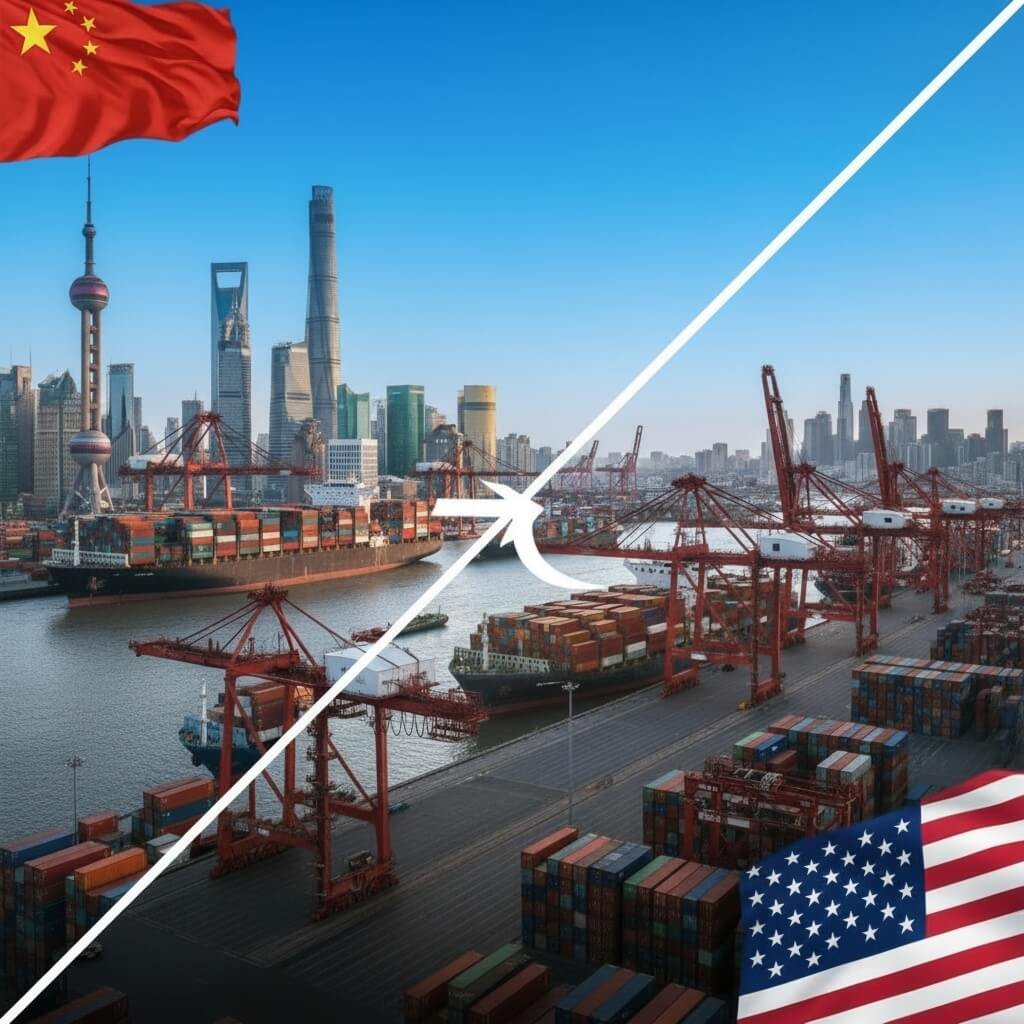
Putting a system in place is the key. You should not be reacting to problems at the port. You should be preventing them weeks in advance. Here is a simple but powerful checklist to follow.
Your Pre-Import Checklist
- Pre-Shipment Classification: Before you even issue a purchase order, send the product specifications to your U.S. customs broker. Get a confirmed HTS code. This will determine your duty rate and any other government agency requirements.
- Document Validation: Get draft copies of the commercial invoice, packing list, and certificate of origin from your supplier before they ship. Have your broker review them for accuracy and consistency. It's much easier to fix a typo in Shanghai than in Los Angeles.
- On-Board Customs Clearance: Don't wait until the container lands. We can file the customs entry with CBP up to 5 days before the vessel arrives. This is called pre-clearance. It means CBP can review and approve your shipment while it's still at sea.
- Use DDP Shipping Wisely: DDP shipping can be great for cost certainty, as the seller is responsible for all costs to your door. However, never let the seller's freight forwarder handle the U.S. customs clearance. Always use your own licensed U.S. customs broker to ensure compliance. You are the Importer of Record, and you are ultimately responsible.
- Plan for Origin Strategy: If you are dealing with high Section 301 tariffs, legally reducing your exposure requires careful planning. This can involve sourcing from other countries or ensuring your product is correctly classified. This is a strategic decision, not just a shipping task.
Conclusion
Importing graphite doesn't have to be a source of stress. With the right knowledge and a proactive plan, you can navigate customs, manage tariffs, and maintain a reliable supply chain.
Understanding graphite sourcing is essential for maintaining a stable supply chain. ↩
Understanding HTS classification is crucial for avoiding costly customs delays and ensuring compliance. ↩
Learn about Section 301 tariffs to avoid unexpected costs that can impact your profit margins. ↩
A customs broker can streamline your import process and help you navigate complex regulations. ↩
Discover the complexities of importing graphite to better prepare your business. ↩
Explore the various applications of natural graphite to understand its market value. ↩
Explore the critical role of graphite in high-tech industries and its market implications. ↩
Learn about synthetic graphite to understand its role in high-performance applications. ↩
Stay informed about trade controls to navigate the complexities of importing. ↩
This document is essential for determining tariffs and ensuring compliance with U.S. customs. ↩
Understanding geopolitical factors can help you mitigate risks in your supply chain. ↩
Understanding battery-grade graphite is key to meeting the demands of the EV market. ↩
Knowing how duty rates are calculated can help you budget accurately for imports. ↩
Understanding duty-free status can significantly impact your import costs. ↩
A well-prepared commercial invoice is vital for smooth customs clearance. ↩
A detailed packing list helps prevent customs holds and ensures compliance. ↩
An MSDS can be crucial for compliance, especially for treated graphite. ↩