Glass imports from China can be complex. Many regulations, duties, and risks are involved. Knowing these can save you time and money.
Understanding U.S. Customs regulations1 and trade measures2 is essential for smooth glass imports from China. Compliance includes accurate classification, valuation, country-of-origin marking, and adherence to trade remedy orders.

The journey of importing glass begins with understanding the regulations set by U.S. Customs and Border Protection (CBP). This step is crucial to avoid costly mistakes down the line. Let's dive into what you need to know about customs regulations and trade measures2 that apply to glass products imported from China.
What U.S. Customs Regulations and Trade Measures Apply to Glass Products Imported from China?
Glass products imported from China are subject to U.S. Customs regulations1 and may also fall under trade measures2 such as anti-dumping or countervailing duties3 depending on product type. Compliance includes accurate classification, valuation, country-of-origin marking, and adherence to any applicable trade remedy orders or regulatory requirements.
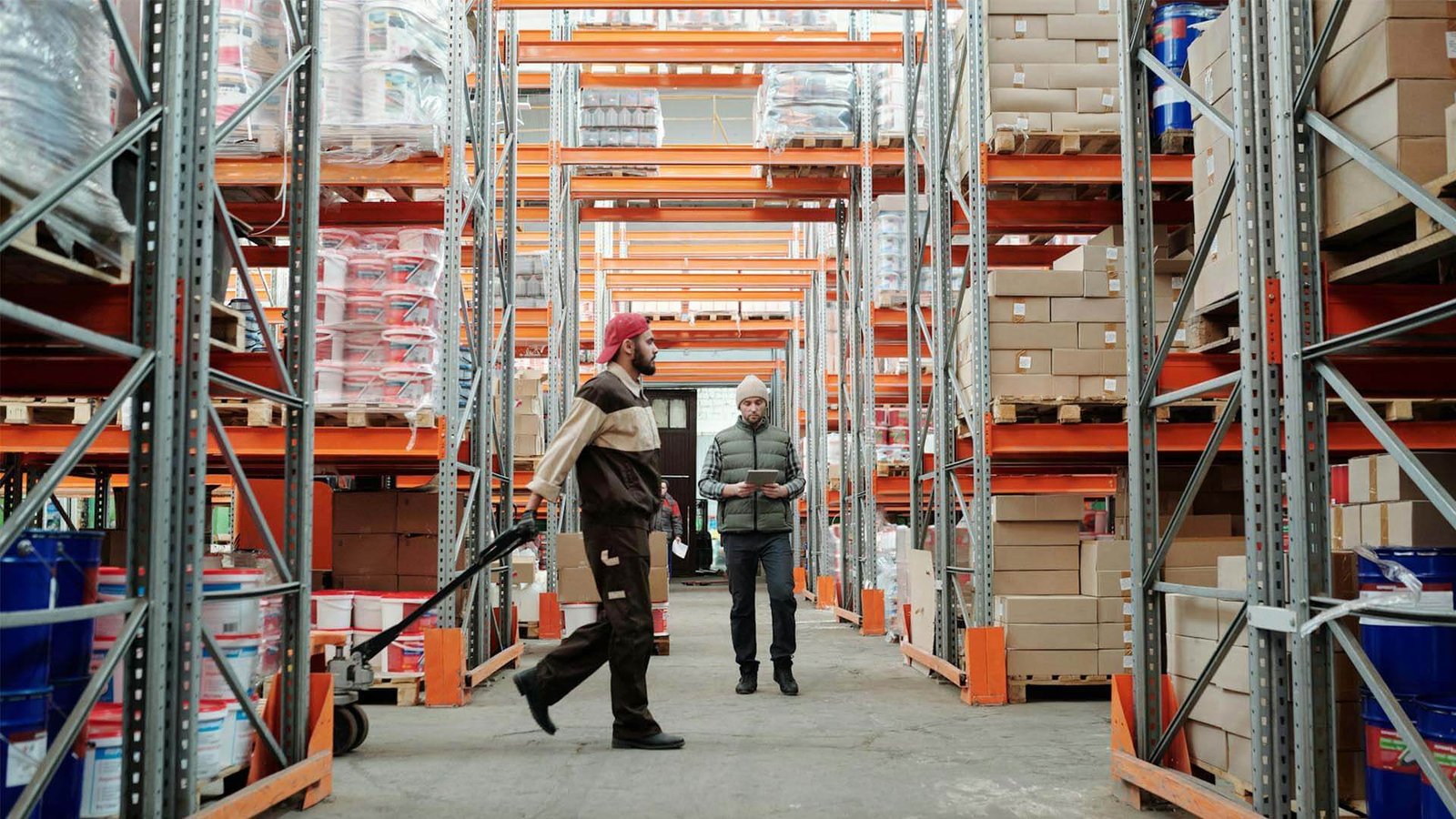
CBP plays a vital role in enforcing import laws. Their goal is to ensure that all goods coming into the U.S. meet legal requirements. Trade measures, like anti-dumping duties4, are different from regular customs duties. They are applied to specific products believed to be sold at unfairly low prices. Glass products are often targeted because of these practices.
Failing to comply with these regulations can result in fines, delays, or even seizure of your goods. Understanding these laws is not just about legality; it's about protecting your investment.
How Product Type (Float Glass, Tempered Glass, Glassware, Bottles) Affects Classification and Compliance?
Different glass products fall under distinct tariff classifications and regulatory considerations. Float glass, tempered safety glass, mirrors, and consumer glassware may have different duty rates, trade remedy exposure, and safety standards. Accurate product identification is essential to determine legal requirements and avoid customs disputes.
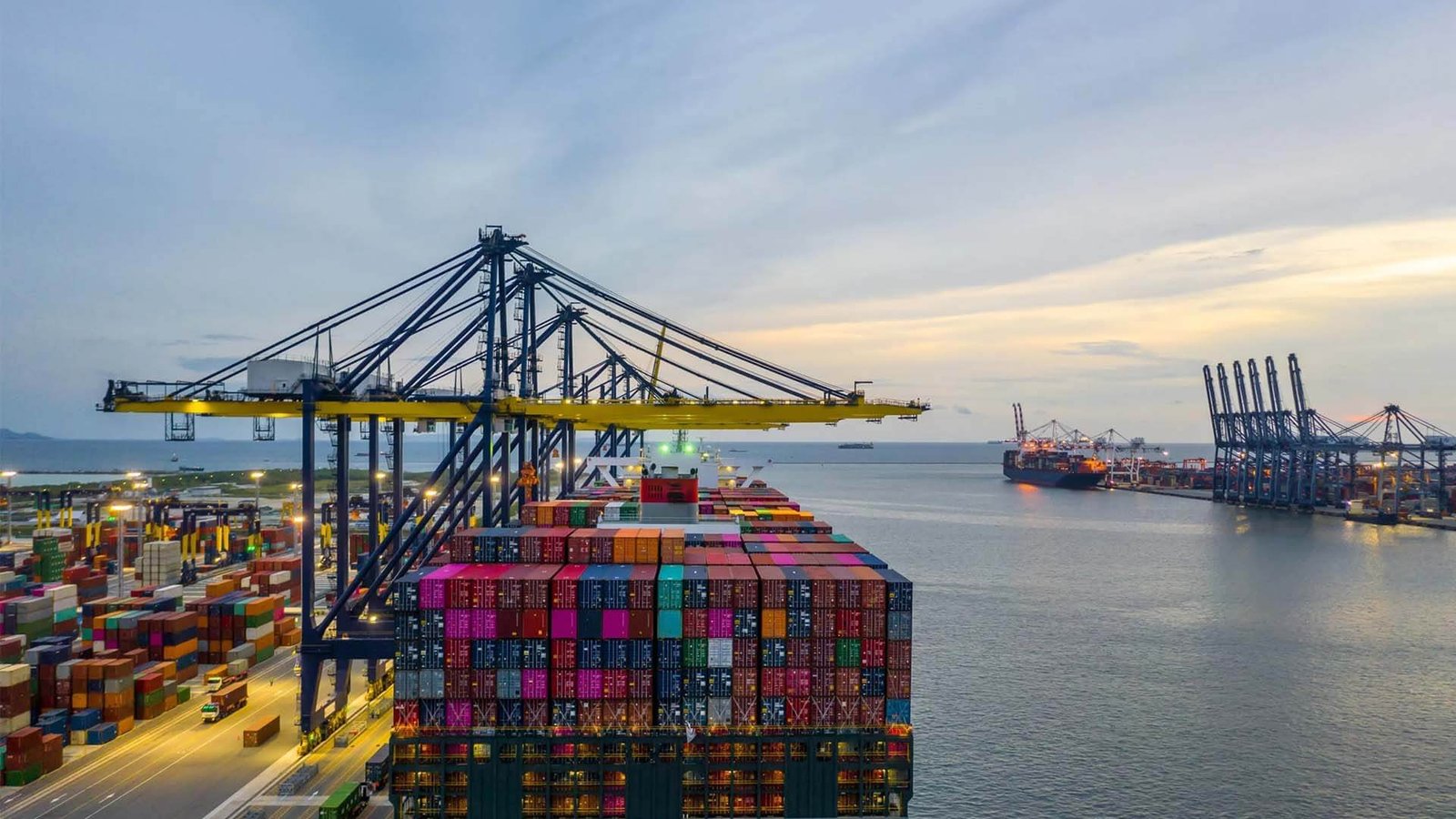
GLASS PRODUCT CLASSIFICATION OVERVIEW
| Product Type | Compliance Consideration |
|---|---|
| Float glass | Specific safety and quality standards |
| Tempered/safety glass | Must meet rigorous safety regulations |
| Mirrors | Reflective coatings may require additional documentation |
| Glass bottles/containers | Must comply with food safety standards if intended for consumables |
| Household glassware | Labeling and material standards apply |
Classification errors can trigger audits, leading to additional scrutiny from customs. Ensuring the correct classification of your glass products is crucial to smooth importation and compliance.
What Import Documents, Certifications, and Testing Requirements Are Needed for Glass Shipments?
Glass imports require standard customs documentation such as commercial invoices5 and packing lists6, along with product-specific certifications where applicable. Safety, labeling, and material standards may apply depending on end use, and documentation accuracy is critical for smooth customs clearance.

GLASS IMPORT DOCUMENT CHECKLIST
| Document | Purpose |
|---|---|
| Commercial Invoice | Details the transaction and value |
| Packing List | Provides itemized details of the shipment |
| Bill of Lading7 | Confirms the transportation agreement |
| Customs Entry Filing | Necessary for customs clearance |
| Importer Bond8 | Ensures compliance with customs regulations |
| Product specification sheets | Essential for safety and compliance verification |
Documentation flow is crucial. It typically goes from the importer to the broker, then to CBP. Every piece of documentation needs to be accurate and complete to prevent delays and complications.
How Tariffs, Anti-Dumping (AD), and Countervailing Duties (CVD) Impact the Cost of Importing Glass
In addition to normal customs duties, certain glass products from China may be subject to anti-dumping and countervailing duties3, which significantly increase landed cost. These trade remedies are applied based on product scope and origin, making classification and supplier information essential to cost forecasting.
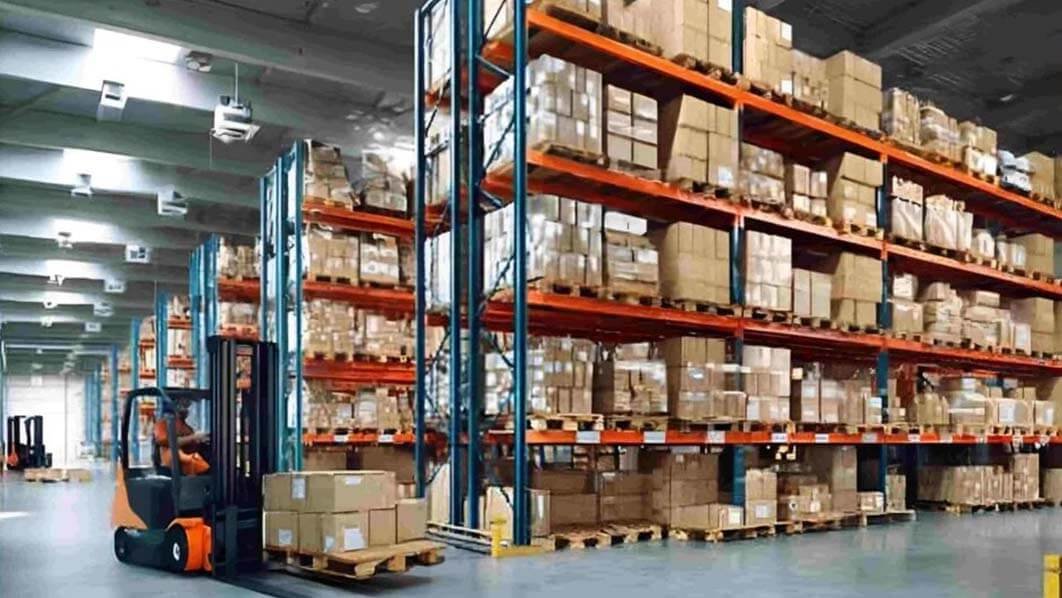
AD/CVD DUTY IMPACT TABLE
| Cost Component | Impact on Landed Cost |
|---|---|
| Base customs duty | Standard duty applicable to all imports |
| MPF | Merchandise Processing Fee9 |
| HMF (ocean freight) | Harbor Maintenance Fee10 |
| Anti-dumping duty | Additional cost due to unfair pricing practices |
| Countervailing duty | Additional cost to offset government subsidies |
| Inspection or exam fees | Costs incurred for customs examinations |
It is vital for importers to check the trade remedy scope for their specific products. Not being aware of these duties can lead to unexpected costs that affect your bottom line.
What Packaging, Container Loading, and Shipping Methods Reduce Damage Risk for Glass Cargo
Glass shipments require specialized packaging, secure palletization, and careful container loading to minimize breakage. Ocean freight in containers is common, and logistics planning focuses on cushioning, moisture protection, load distribution, and handling controls to protect fragile cargo during transit.
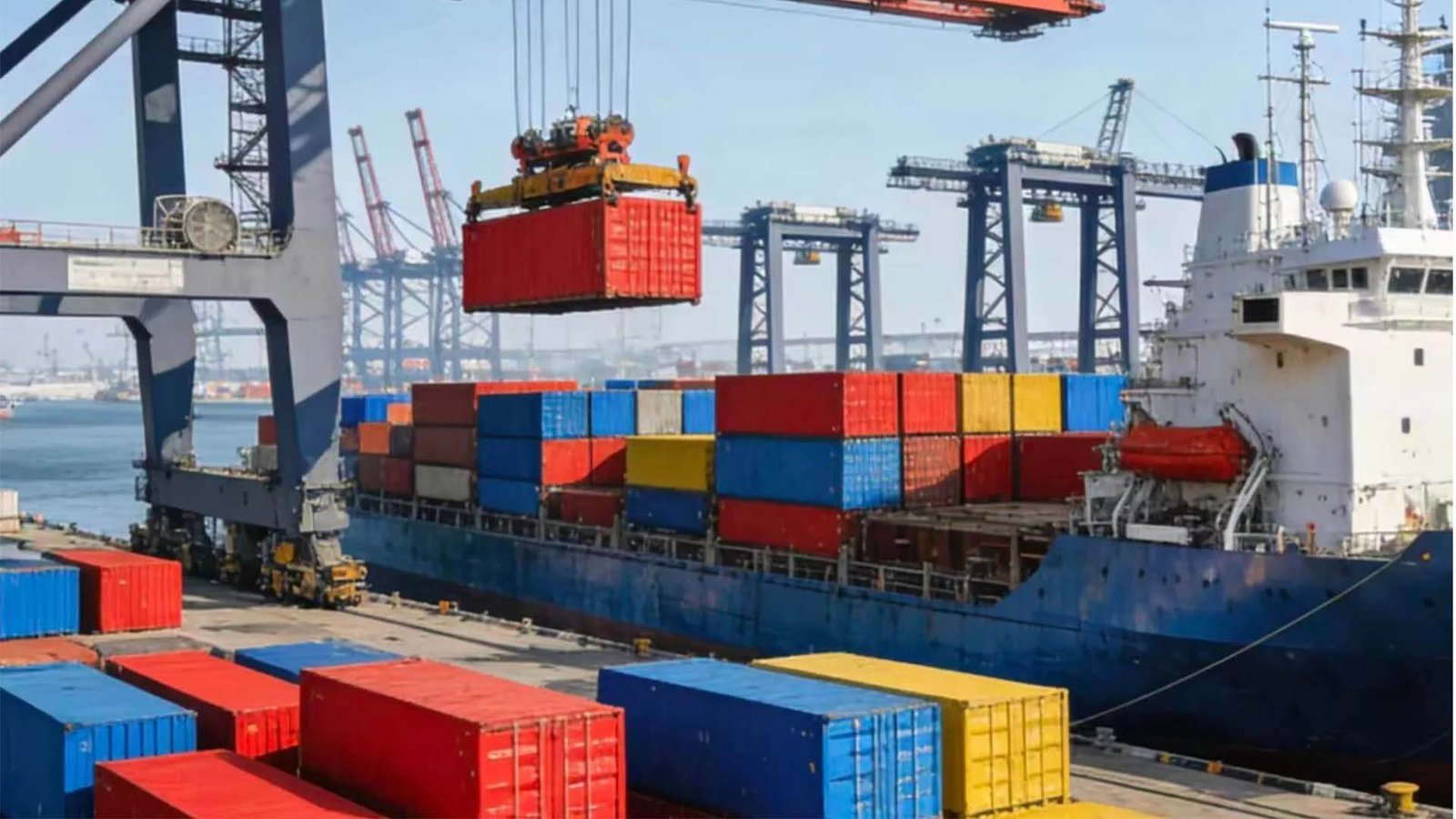
GLASS SHIPPING PROTECTION CHECKLIST
- Reinforced cartons or crates
- Edge and corner protection
- Cushioning materials
- Pallet stabilization
- Container load bracing
- Moisture barriers
The logistics flow from China to the U.S. should consider the fragile nature of glass. Proper planning and protective measures can significantly reduce the risk of damage during shipping.
What Common Customs, Inspection, and Breakage Issues Delay Glass Imports and How to Prevent Them
Glass imports may face delays due to documentation discrepancies11, trade remedy verification, customs exams, or cargo damage. Breakage claims, valuation questions12, and classification disputes13 can increase costs and transit time. Proactive documentation review and protective logistics planning reduce these risks.

GLASS IMPORT RISK CHECKLIST
| Risk | Prevention |
|---|---|
| Misclassification | Regular training on tariff classifications |
| Trade remedy oversight | Thoroughly check all trade measures2 |
| Weak packaging | Invest in high-quality packaging materials |
| Documentation mismatch | Double-check all documents before shipping |
| Value disputes | Maintain accurate invoicing |
| Exam delays | Ensure all documents are in order |
Identifying and mitigating these risks can save you from significant delays and unforeseen costs.
Conclusion
Understanding and navigating the complexities of importing glass from China involves compliance, duties, and risk management.
Understanding U.S. Customs regulations is crucial for smooth importation and avoiding costly mistakes. ↩
Trade measures like anti-dumping duties can significantly impact the cost of importing glass. ↩
Countervailing duties offset government subsidies, increasing the landed cost of glass imports. ↩
Anti-dumping duties are applied to products sold at unfairly low prices, affecting import costs. ↩
Commercial invoices detail the transaction and value, essential for customs clearance. ↩
Packing lists provide itemized details of the shipment, crucial for accurate customs processing. ↩
A Bill of Lading confirms the transportation agreement, necessary for legal shipping. ↩
An Importer Bond ensures compliance with customs regulations, protecting against legal issues. ↩
The Merchandise Processing Fee is a standard duty applicable to all imports, affecting costs. ↩
The Harbor Maintenance Fee is charged for ocean freight, adding to the overall import expenses. ↩
Discrepancies in documentation can lead to customs exams and delays, increasing costs. ↩
Valuation questions can lead to disputes; maintaining accurate invoicing is essential. ↩
Disputes over classification can increase costs and transit time, requiring careful review. ↩