Importing bicycles into the U.S. can seem daunting. But with the right knowledge, you can navigate the legal landscape smoothly.
Importing bicycles legally requires proper classification, filing customs entries, and adhering to federal safety and trade regulations.

Let’s explore how to import bicycles into the U.S. effectively and avoid common pitfalls.
Importing bicycles into the U.S. requires proper product classification1, customs entry filing, and compliance with federal safety and trade regulations?
Importing bicycles is not just about shipping; it involves a range of legal obligations. Without proper product classification1, you could face significant issues.
Commercial bicycle imports must be correctly classified, declared, and entered with U.S. Customs. Importers are responsible for accurate product descriptions, safety compliance, and customs filings with U.S. Customs and Border Protection. Errors in classification or documentation can lead to delays, penalties, or shipment holds.
When I first started importing bicycles, I learned the hard way that proper classification is crucial. The Harmonized System (HS) codes2 are instrumental in determining duties and regulations. Each bicycle type has a specific classification, and misclassifying can lead to fines or even confiscation.
Understanding the regulations from the Federal Trade Commission3 and the Consumer Product Safety Commission4 is vital. Each agency has different requirements, and compliance with both is necessary for a smooth import process.
Bicycle import duties depend on HS classification, country of origin5, and whether additional tariffs6 or trade remedies apply?
Duties on bicycles vary. The complexity of HS classification, the country of origin5, and the applicable tariffs can affect your total costs.
Duty rates for bicycles vary based on HS code and origin country, with additional tariffs6 potentially applying under trade-remedy programs. Importers must confirm classification and origin carefully, as misdeclared duties can increase landed cost or trigger post-entry audits and retroactive assessments.

When I imported my first container of bicycles, the duties were a shock. I had not accounted for additional tariffs6 that applied due to trade policies. The difference in duty rates based on the country of origin5 was also significant.
It's crucial to keep updated on tariff changes, as they can impact your pricing strategy. Work with a customs broker7 to ensure you are aware of all potential duties and tariffs before you import.
Different rules apply to traditional bicycles8, e-bikes9, and motorized bikes10, affecting agency oversight and import eligibility?
Each type of bicycle has unique regulations. Traditional bicycles, e-bikes9, and motorized bikes10 are treated differently under U.S. law.
Traditional bicycles, e-bikes9, and motorized bikes10 fall under different regulatory frameworks. E-bikes and motorized models may trigger additional safety, labeling, or vehicle-related requirements, making product specification review critical before import to ensure correct agency jurisdiction and eligibility.
I remember when I attempted to import e-bikes9. I quickly found out they require additional certifications compared to traditional bikes. The labeling requirements for e-bikes9 were more stringent.
Knowing whether your product qualifies as an e-bike or a motorized bike can affect your compliance with the Department of Transportation and other agencies. Review the regulations carefully and, if needed, consult with an expert.
Accurate documentation, including commercial invoices11 and product specifications, is critical to avoiding delays and penalties when importing bicycles?
Documentation is everything in importing. It’s not just about having the right forms; it’s about being thorough.
Bicycle imports require clear commercial invoices11, packing lists, and detailed product specifications such as materials, components, and power ratings. Incomplete or vague documentation often leads to customs queries or holds, increasing storage costs and delaying distribution into the U.S. market.
One of my shipments faced a major delay because the commercial invoice lacked specific product details. Customs held the shipment for additional information, which cost us time and money.
Each document serves a purpose. Ensure your commercial invoices11 list all relevant information and that your packing lists are accurate. This precision can save you from costly delays.
Working with experienced customs and logistics partners helps importers manage bicycle compliance, duties, and delivery from factory to U.S. market?
Navigating the complexities of bicycle imports is not something you should do alone. Partnering with the right experts can make a difference.
Experienced customs and logistics partners help importers navigate bicycle classification, tariff exposure, and regulatory requirements. Coordinated support across freight, customs clearance, and inland delivery reduces compliance risk and ensures bicycles move efficiently from overseas factories to U.S. distribution channels.
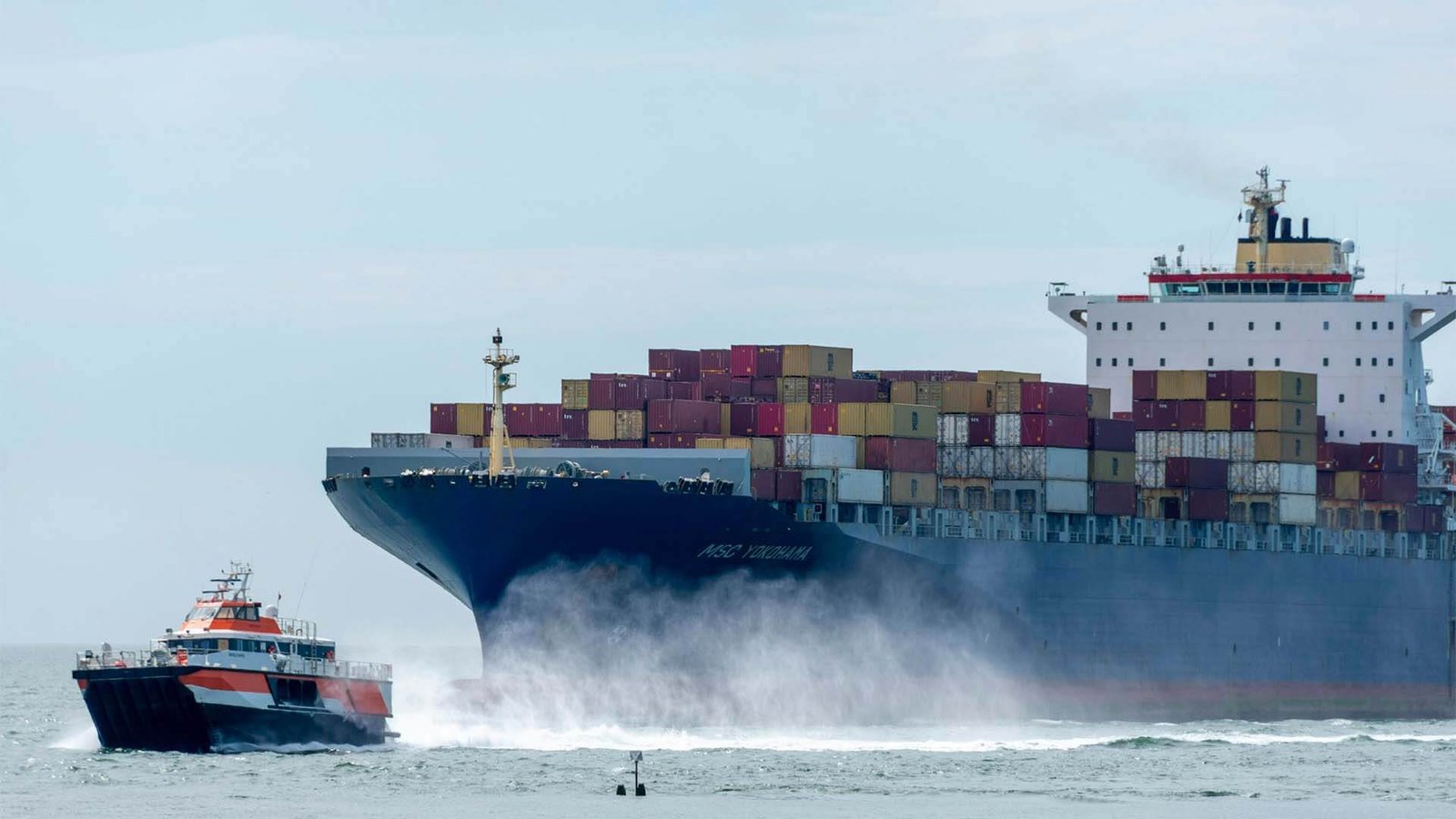
When I started working with a customs broker7, I realized how much smoother the process became. They helped me classify products correctly and advised me on the best logistics strategies.
Integrated solutions that handle everything from freight forwarding12 to customs broker7age can save you time and prevent costly errors.
🔗 Google-Friendly Import Flow
- Factory Production & Packing – Product specs and documentation prepared
- Ocean or Air Freight – Shipment moves to the U.S. port of entry
- CBP Entry Filing – Classification, duties, and compliance reviewed
- Customs Release – Cargo cleared for U.S. commerce
- Distribution – Delivery to warehouse, retailer, or fulfillment network
This lifecycle matches Google’s preference for clear, process-driven explanations.
📦 Bicycle vs E-Bike vs Motorized Bike (Importer Responsibility Comparison)
| Bicycle Type | Customs Entry Requirements | Tariff Classification | Safety Regulations |
|---|---|---|---|
| Traditional Bicycle | Standard customs entry | Specific HS code for bicycles | Consumer product compliance |
| E-Bike | Additional electrical specifications required | Different HS code based on electrical | Battery safety and labeling |
| Motorized Bike | Potential vehicle regulations apply | Vehicle classification may apply | Stricter eligibility requirements |
Misclassifying your product type is one of the most common causes of bicycle import delays.
Conclusion
Navigating bicycle imports requires attention to detail, but with the right knowledge and partners, it can be done legally and efficiently.
Understanding proper product classification is crucial to avoid fines and ensure smooth customs processing when importing bicycles. ↩
HS codes determine duties and regulations for bicycle imports, making them essential for accurate classification and cost management. ↩
Knowing FTC regulations helps ensure compliance and avoid legal issues when importing bicycles into the U.S. ↩
CPSC requirements are vital for safety compliance, ensuring imported bicycles meet U.S. standards. ↩
The country of origin affects duty rates and tariffs, impacting the overall cost of importing bicycles. ↩
Being aware of additional tariffs helps in budgeting and pricing strategies for bicycle imports. ↩
A customs broker can streamline the import process, ensuring compliance and reducing the risk of errors. ↩
Knowing the specific regulations for traditional bicycles ensures compliance and smooth importation. ↩
E-bikes have unique import requirements, including safety and labeling, which are crucial for compliance. ↩
Understanding the regulations for motorized bikes helps in meeting legal requirements and avoiding penalties. ↩
Accurate commercial invoices prevent delays and penalties by providing necessary details for customs clearance. ↩
Freight forwarding ensures efficient transportation and handling of bicycles from the factory to the U.S. market. ↩