Import quotas can be a source of confusion for many importers. Understanding them is crucial for effective trade management.
An import quota1 is a regulatory limit2 set by governments that restricts how much of a specific product can be imported within a defined timeframe. Once the quota limit is reached, additional imports are either prohibited or subject to different treatment, directly affecting importer supply, timing, and planning.
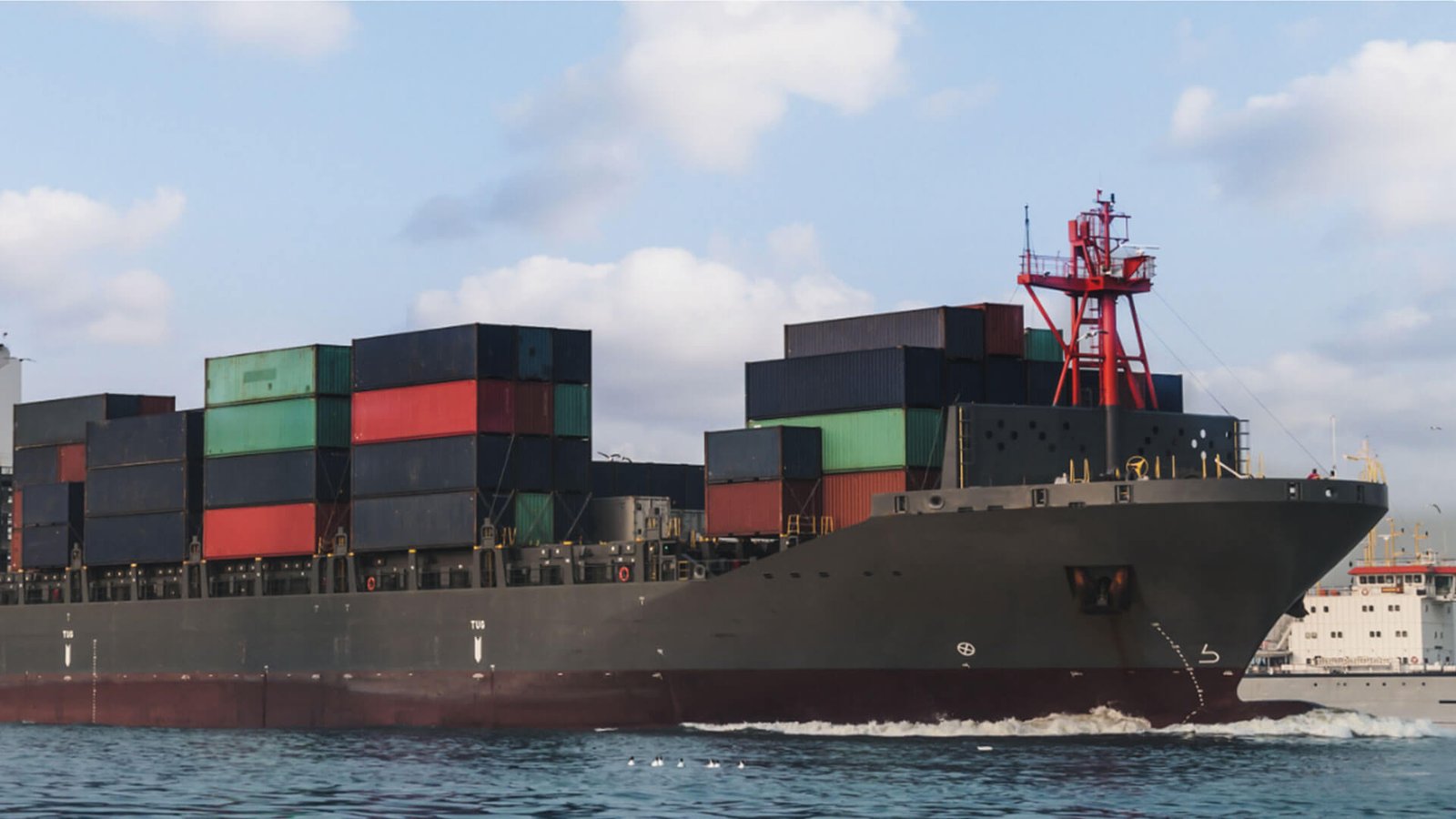
Import quotas significantly influence the trade landscape. They create hurdles for importers, such as limited supply and increased costs. This can have a ripple effect on business operations, often complicating logistics and financial planning.
An import quota1 is a government-imposed limit on the quantity or value of goods that can be imported during a specific period?
Import quotas are not merely numbers on a page; they are economic tools3 that shape market dynamics4 and directly influence how businesses operate. They set ceilings on the amount of a good that can enter a country, which can lead to both shortages and price increases.
An import quota1 is a regulatory limit2 set by governments that restricts how much of a specific product can be imported within a defined timeframe. Once the quota limit is reached, additional imports are either prohibited or subject to different treatment, directly affecting importer supply, timing, and planning.
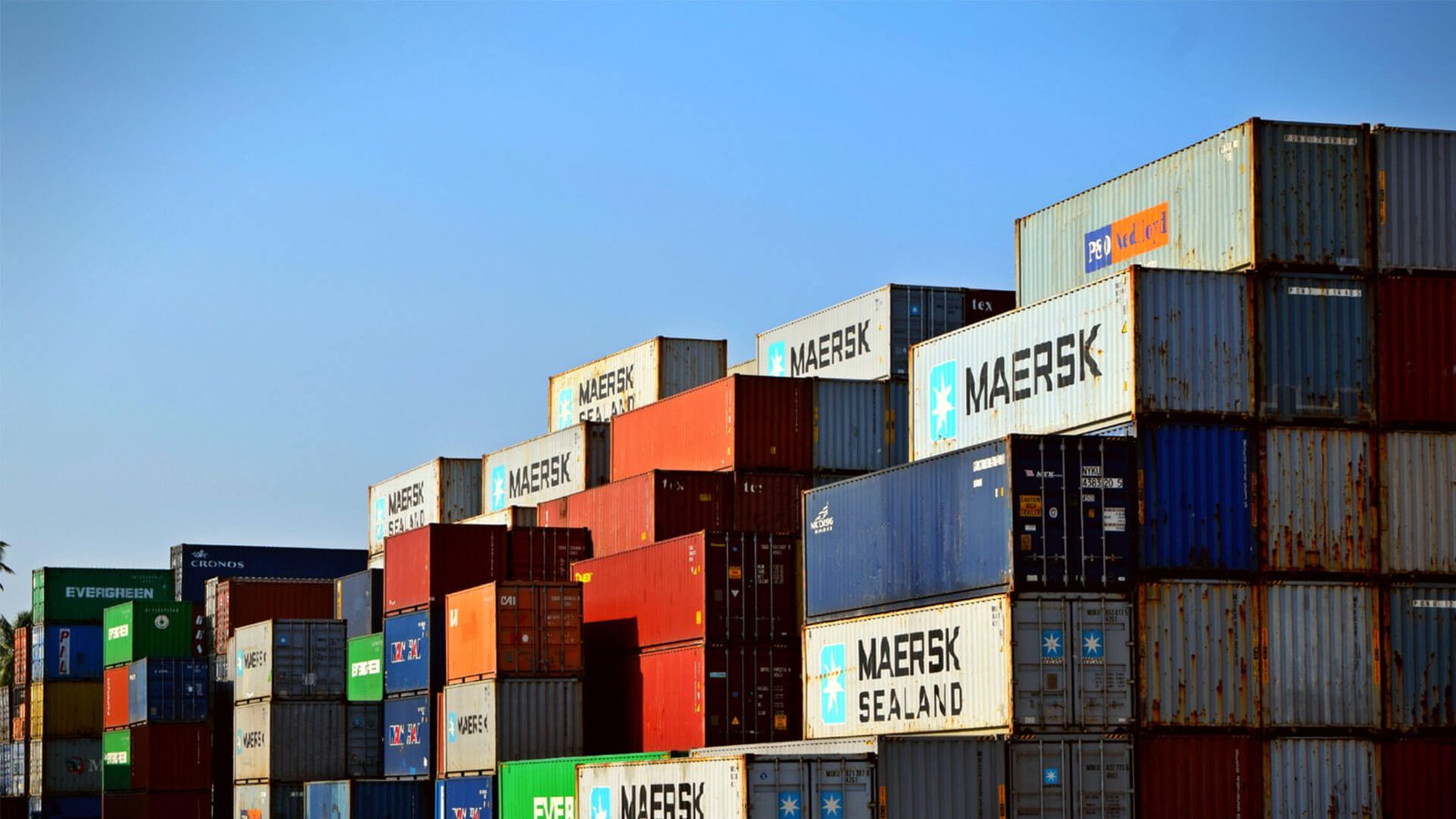
When quotas are imposed, the immediate effect is a limitation on the supply of goods. This restriction can lead to higher prices, as competition for the available quota intensifies. Importers may find themselves in a tough position, needing to navigate not just pricing but also sourcing flexibility5.
Import quotas restrict trade by capping supply, which directly affects importer availability, pricing, and sourcing flexibility5?
The constraints of import quota1s are felt across various levels of the supply chain6. When the government sets these limits, it alters the availability of goods and subsequently affects pricing.
By limiting how much product can enter a market, import quota1s reduce available supply and increase competition for allocation. For importers, this often results in higher prices, constrained sourcing options, and reduced flexibility compared to tariffs, which allow imports to continue at higher duty rates.
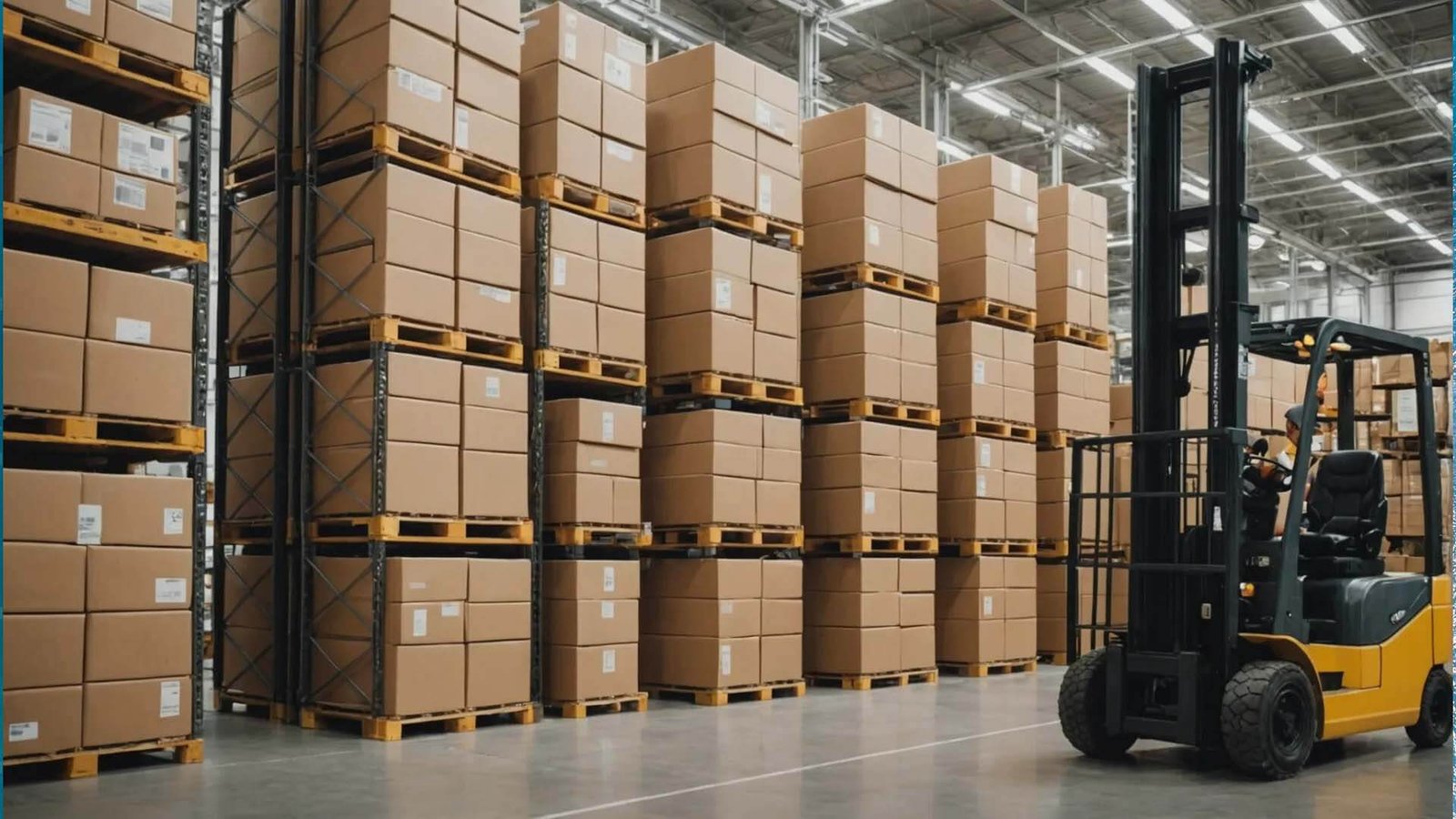
Quotas create a competitive environment where importers may not only face cost increases but also limited choices in sourcing products. This can lead to strategic challenges and necessitate careful planning to mitigate risks associated with these trade barriers.
U.S. import quota1s are administered by government agencies and enforced at customs entry, not at the point of shipment?
It's vital to understand where the enforcement of import quota1s takes place.
In the United States, import quota1s are administered by federal agencies and enforced by Customs and Border Protection7 at the time of entry. Goods may ship from origin but still be denied entry or reclassified if the quota is already filled when the entry is filed.

The enforcement point at customs can catch many importers off-guard. A shipment may leave the dock, only to find out that its entry is blocked upon arrival. This creates not just logistical headaches but can also lead to significant financial repercussions.
There are different types of import quota1s, including absolute quotas8 and tariff-rate quotas9, with very different cost impacts?
When discussing quotas, knowing the types is essential. Different quotas have varying implications for importers.
Import quotas can be absolute, which block further imports entirely once filled, or tariff-rate quotas9, which allow limited quantities at low duty before higher rates apply. Understanding which type applies is critical, as it determines whether shipments are stopped or simply become more expensive.
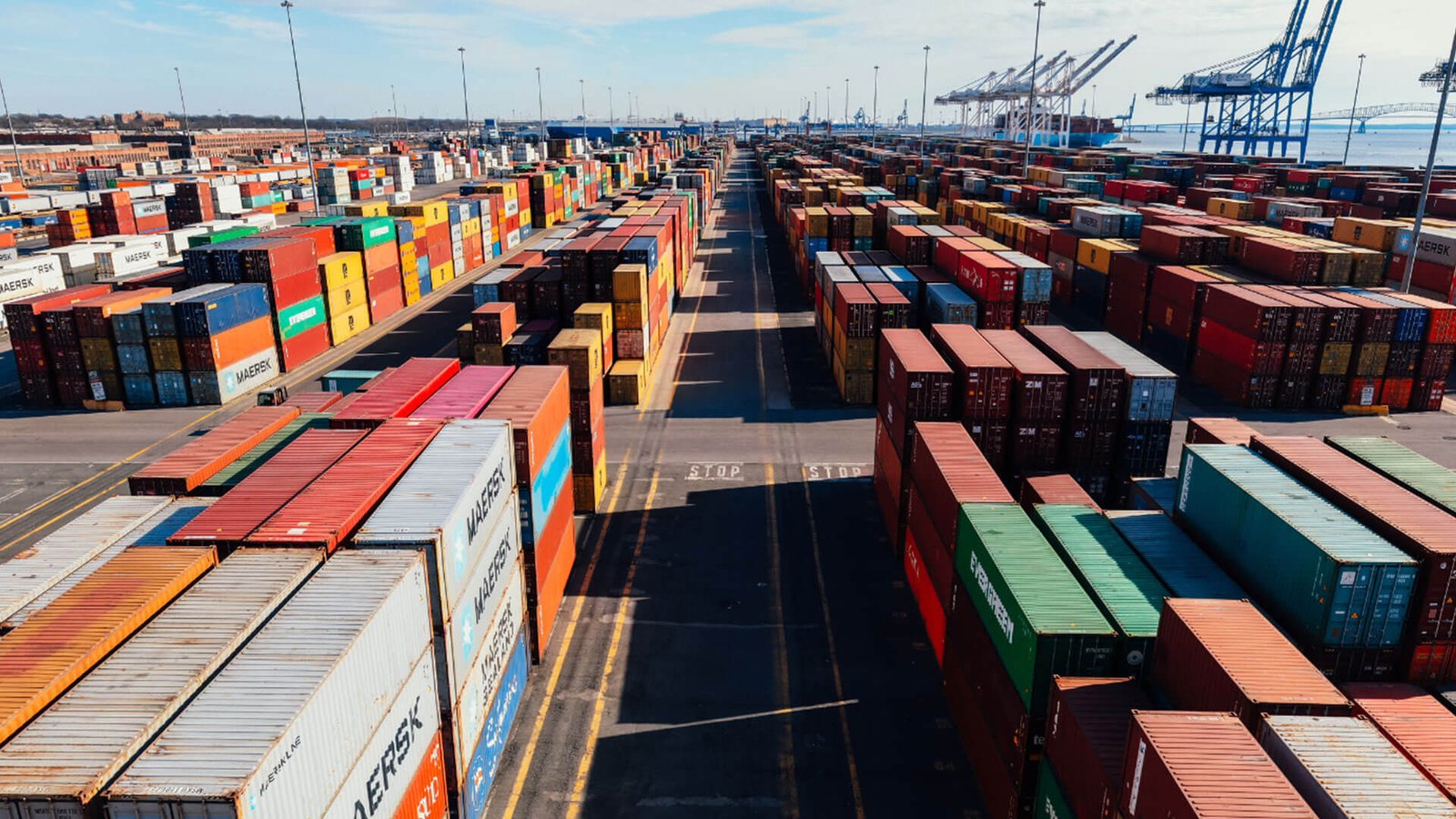
Each type of quota affects cost and supply differently. For instance, absolute quotas8 may lead to total denial of entry once reached, while tariff-rate quotas9 allow a pathway for imports but at a higher cost. Importers need to keep track of these nuances to avoid unexpected expenses.
Once a quota is filled, importers face shipment delays10, higher duties, or forced sourcing changes?
The consequences of quotas extend beyond just filling limits. They can have wide-reaching effects on supply chain6 operations.
When a quota fills, importers may see shipments delayed, denied entry, or reclassified under higher duty rates. Unlike tariffs, quotas can completely block goods regardless of willingness to pay more, forcing importers to adjust sourcing, timing, or product strategies mid-cycle.
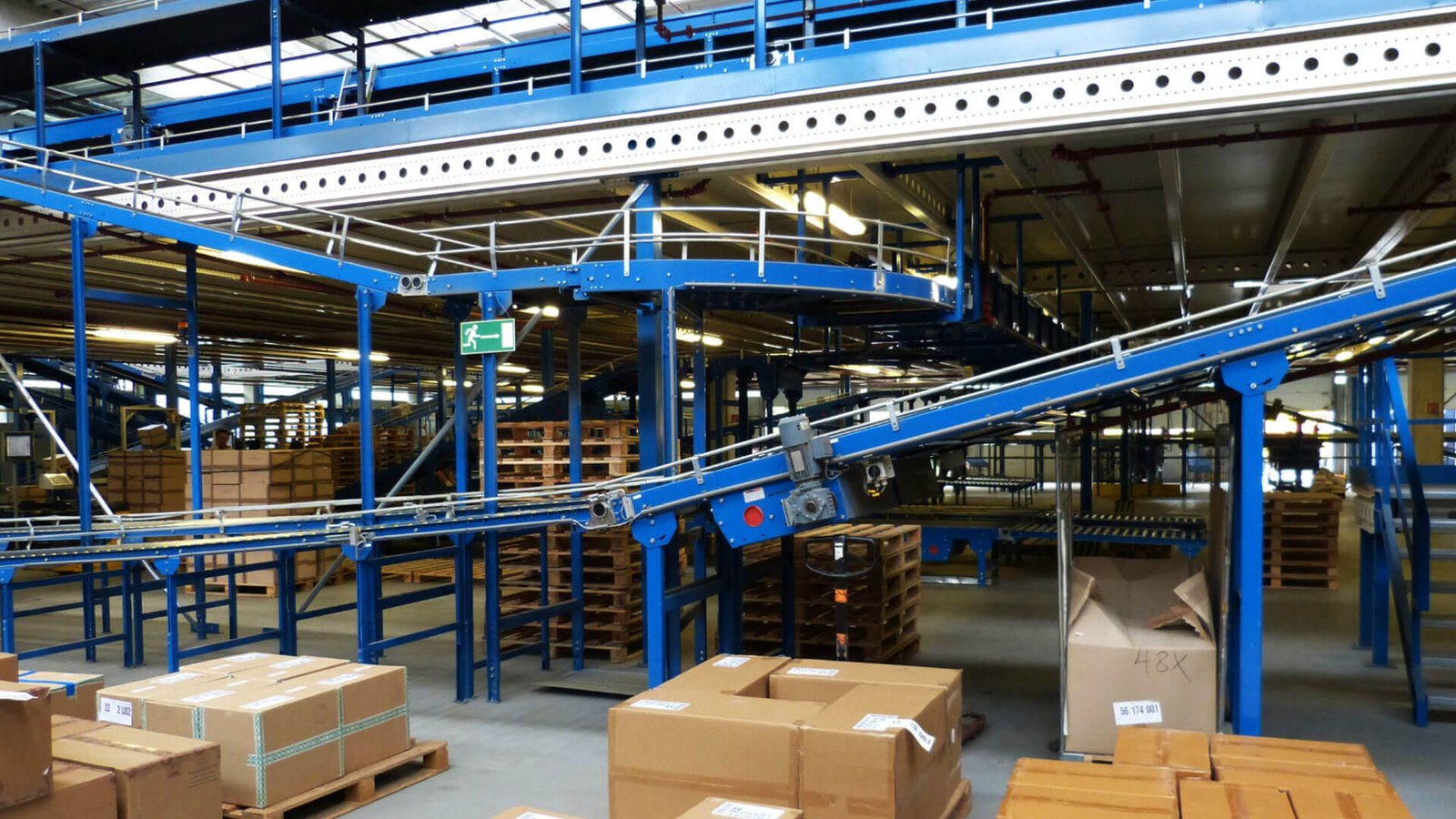
Once a quota is filled, the immediate impacts can create chaos for importers. They may need to find alternative sources or adjust their pricing strategies rapidly. This unpredictability can strain relationships with suppliers and customers alike.
Successful importers plan around quotas through timing, classification accuracy, and proactive customs coordination?
Effective management of import quota1s requires strategy and foresight.
Managing quota risk requires advance planning, accurate HTS classification11, and precise entry timing. Importers that coordinate closely with customs brokers and logistics partners can monitor quota fill rates12, sequence shipments strategically, and reduce the risk of costly delays or denied entries.
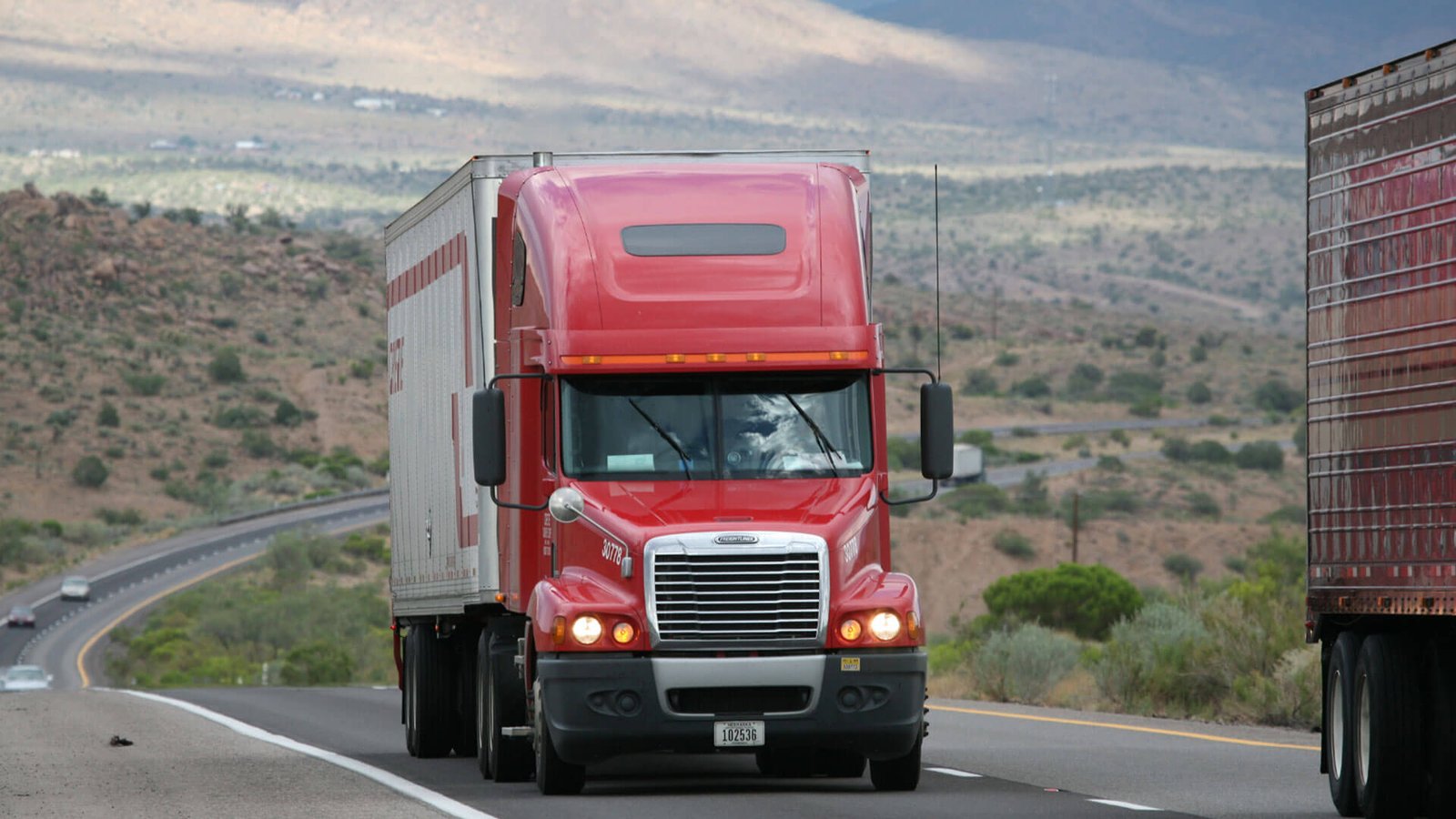
Importers who excel in navigating quotas focus on detailed planning. They track quotas closely and time their shipments strategically to minimize risks. This proactive approach can make the difference between smooth operations and costly disruptions.
| Import Quota | Tariff | Tariff-Rate Quota |
|---|---|---|
| Limits quantity or value of imports | Tax applied to imported goods | Limited quantity allowed at low duty |
| Once filled, additional imports are blocked | Imports continue at higher cost | Higher duty applies after threshold |
| High supply-chain disruption13 risk | Predictable but increases landed cost | Combines availability control with cost pressure |
Quotas restrict availability, while tariffs restrict price—and tariff-rate quotas9 do both.
🔁 Quota Announcement14 → Allocation → Customs Entry → Impact Workflow
- Quota Announcement14: Government publishes quota scope and effective period.
- Quota Allocation / Monitoring: Importers track available quota and fill rates.
- Shipment & Entry Planning: Timing shipments to align with quota availability.
- Customs Entry Filing: CBP verifies quota availability at entry.
- Quota Impact Realized: Goods released, re-rated, delayed, or denied entry.
- Supply-Chain Adjustment: Importer adjusts sourcing, pricing, or inventory plans.
Conclusion
Understanding import quota1s is essential for effective trade management, ensuring timely deliveries, and maintaining profitability.
Understanding import quotas is crucial for managing trade effectively and ensuring compliance with international regulations. ↩
Knowing about regulatory limits helps importers plan their supply chain and avoid unexpected restrictions. ↩
Exploring how quotas act as economic tools can provide insights into their impact on market dynamics. ↩
Understanding the influence of quotas on market dynamics can help businesses adapt to changes in supply and demand. ↩
Learning about sourcing flexibility can help importers strategize their purchasing decisions. ↩
Exploring the supply chain impact of quotas can help businesses mitigate risks and plan effectively. ↩
Understanding CBP's role in quota enforcement can help importers avoid entry issues. ↩
Knowing about absolute quotas helps importers understand potential entry denials. ↩
Understanding tariff-rate quotas can help importers manage costs and plan imports effectively. ↩
Learning about shipment delays can help importers plan better and avoid disruptions. ↩
Accurate HTS classification is crucial for compliance and avoiding costly errors. ↩
Monitoring fill rates helps importers time their shipments and avoid entry issues. ↩
Understanding supply-chain disruption can help businesses prepare for and mitigate risks. ↩
Knowing about Quota Announcements helps importers prepare for changes in import regulations. ↩