The world of international trade can be daunting. Navigating import and export licenses1 may feel overwhelming, but it's crucial for smooth operations.
In the United States, most commercial goods can be imported or exported without a license. Licensing requirements arise only for specific products, destinations, end use2s, or restricted parties3. Understanding these triggers helps importers and exporters avoid unnecessary delays while remaining compliant with U.S. trade regulations4.

In this blog post, I will clarify the ins and outs of import and export licenses1. Knowing when you need a license can save you time, money, and stress.
Most goods do not require an import or export license, but specific products, destinations, and parties trigger licensing requirements?
Many people think that importing or exporting goods always requires a license. However, that's not the case. Most products can flow freely across borders. Restrictions tend to target certain items or specific trade partners.
Licenses usually depend on particular products, their end use2s, or the destination country. Knowing these exceptions can help streamline your shipping process and avoid delays.
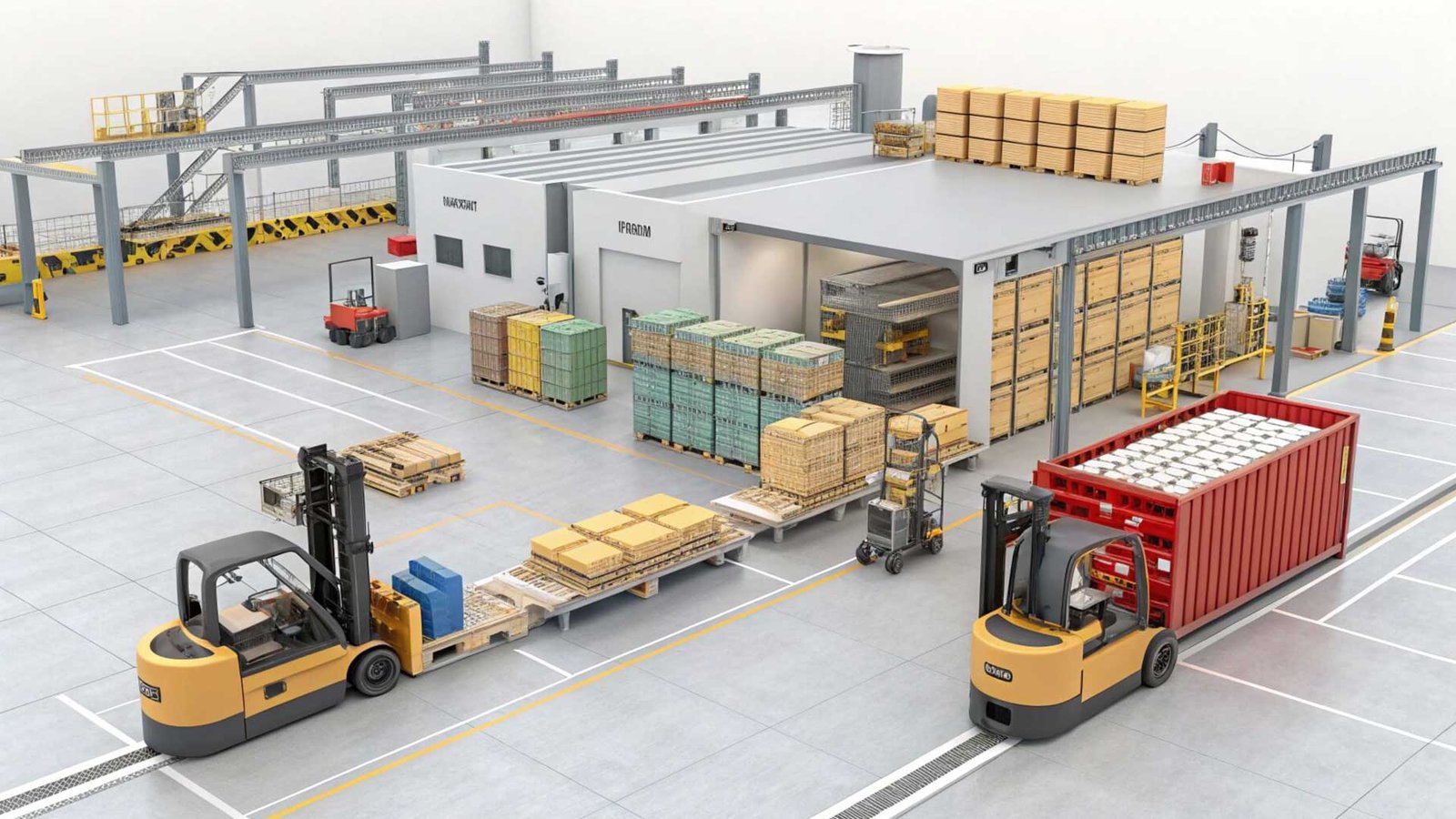
It's essential to stay informed about which products fall under these licensing requirements. For instance, items like military equipment or specific technologies often require permits.
Whether a license is required depends on the product classification5, end use2, end use2r, and destination country?
It's not just about what you're shipping. Other factors come into play too. The ultimate use of the goods and who will use them can determine if a license is needed.
Determining licensing needs requires a careful assessment of product classification5, intended use, the recipient, and the destination country. Misclassifying any aspect can lead to significant compliance issues6.
For instance, if you're exporting electronics to a restricted country, you might need a specific export license. Many people overlook the nuances of end-use and end-users, leading to potential violations.
U.S. export licenses are controlled by different agencies, each governing specific types of goods and technologies?
When it comes to U.S. export licenses, there is no one-size-fits-all approach. Various agencies oversee different products and technologies.
Export licensing is handled by multiple agencies, each responsible for particular goods, such as defense articles, dual-use technologies7, or commercial items. Identifying the correct authority is critical for compliance.
If you file with the wrong agency or overlook the necessary approvals, you're risking hefty penalties. It's crucial to understand which agency governs your specific product to avoid severe repercussions.
Import licenses are less common in the U.S., but certain regulated products8 still require prior government approval?
While most imports do not require licenses, some regulated products8 still do. The U.S. has specific categories that necessitate prior approval before goods can enter the country.
For most imports, a license is not required. However, items like certain agricultural products, firearms, or controlled substances need prior authorization. This requirement ensures that you comply with U.S. regulations.

If you're unsure whether your product needs a license, always check the regulations. Failing to secure the necessary approvals can lead to cargo holds9 or re-export demands, which can be costly.
Licensing mistakes can result in shipment delays, fines, and severe penalties even if violations are unintentional?
Mistakes happen, but the consequences can be significant. When it comes to licensing, even unintentional errors can lead to serious penalties.
Violations of export and import licensing can result in financial fines, shipment seizures, or loss of trading privileges10. Many enforcement actions arise from misunderstandings, making it essential to stay informed and diligent.
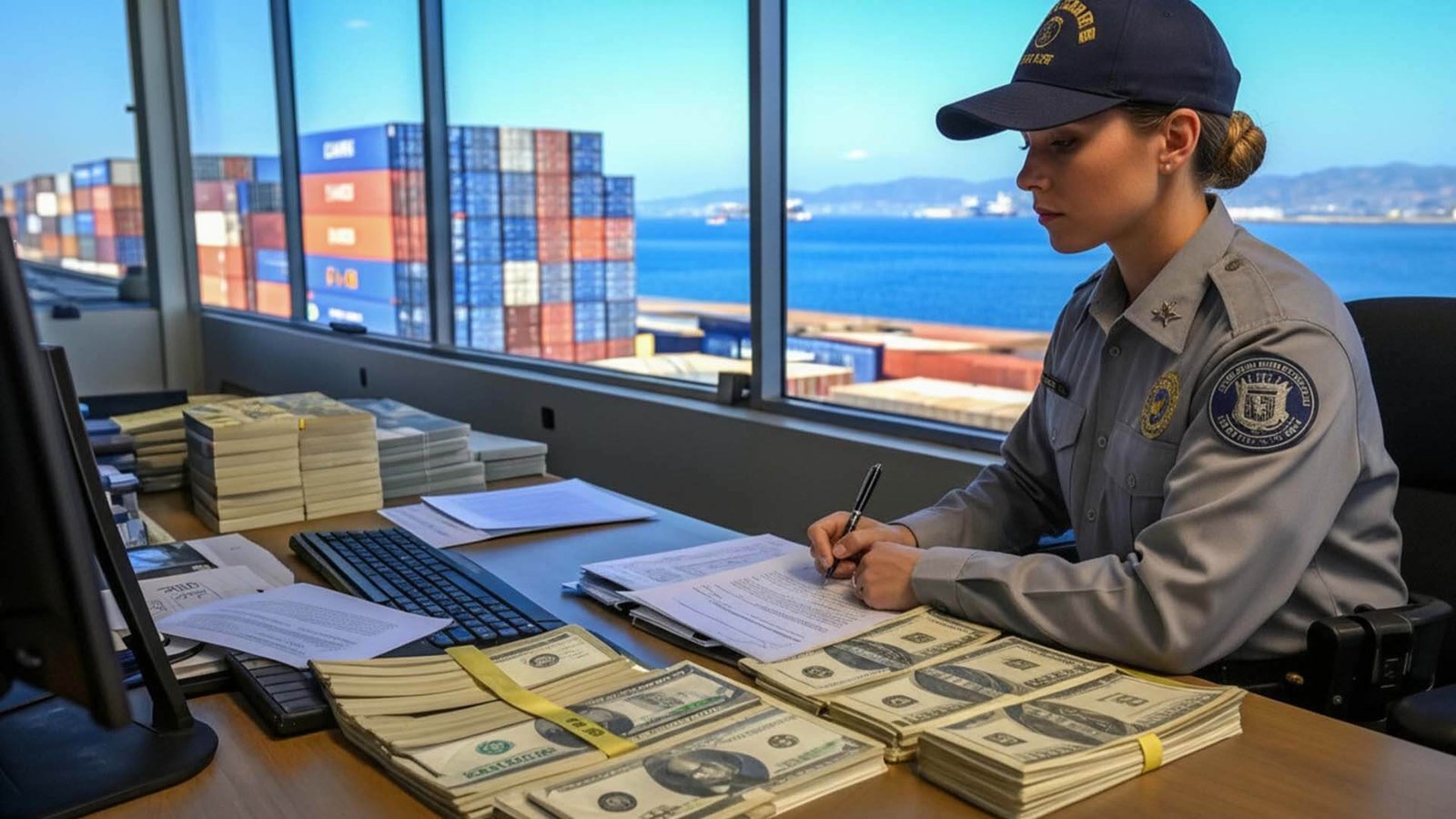
Staying informed and proactive about licensing can make a big difference. Avoiding assumptions and completing formal checks can save you from operational headaches and financial pitfalls.
Importers and exporters reduce licensing risk by integrating product classification5, screening, and compliance checks early in the shipping process?
The best way to manage licensing risk is to be proactive. By addressing product classification5, screening, and compliance checks early in the shipping process, you can avoid delays.
Integrating these crucial steps into your workflow will allow you to determine your licensing needs in advance. This prevents last-minute issues that could derail your shipments.

By ensuring your products are classified correctly and screened for compliance, you can streamline the entire process. This approach not only saves time but also minimizes the risk of penalties.
📊 Import License vs Export License vs No License Required – Comparison Table
| License Type | Description | Compliance Burden |
|---|---|---|
| No License Required | Applies to most standard commercial goods | Lowest compliance burden but not risk-free |
| Import License | Required for limited, regulated product categories | Must be obtained before U.S. entry |
| Export License | Required for controlled goods, destinations, or end use2s | Issued by specific U.S. agencies; heavy penalties for non-compliance |
Most shipments don’t need a license—but the few that do carry the highest compliance risk.
🔁 Product Review → License Determination → Filing → Customs → Release Workflow
- Product & Transaction Review: Identify product specs, end use2, end use2r, and destination.
- Classification & Screening: Determine control status and restricted-party exposure.
- License Determination: Confirm whether an import or export license is required.
- License Application & Approval: Submit to the correct government authority.
- Customs & Export Filing11: Declare license details in entry or export filings.
- Cargo Release & Recordkeeping: Shipment released and compliance records maintained.
Conclusion
Understanding when a license is needed can save you significant time and money in international trade.
Understanding import and export licenses is crucial for smooth international trade operations and compliance with regulations. ↩
End use can dictate licensing requirements, impacting whether a product can be legally exported to certain destinations. ↩
Identifying restricted parties is essential to avoid violations and ensure compliance with trade regulations. ↩
Knowing U.S. trade regulations helps avoid unnecessary delays and ensures compliance when importing or exporting goods. ↩
Product classification is key to determining licensing needs, affecting compliance and avoiding potential violations. ↩
Understanding compliance issues helps prevent shipment delays, fines, and penalties in international trade. ↩
Dual-use technologies require specific export licenses due to their potential military and civilian applications. ↩
Knowing which products require import licenses ensures compliance and prevents costly shipment holds. ↩
Understanding the causes of cargo holds helps in taking preventive measures to ensure timely delivery of goods. ↩
Violations can result in severe consequences, including loss of trading privileges, highlighting the need for compliance. ↩
Understanding the Customs & Export Filing process is essential for legal compliance and smooth international trade operations. ↩