Are you worried about a CBP audit1? A simple mistake can lead to huge fines. An import compliance manual2 is your best defense against costly enforcement actions.
An import compliance manual2 is your company's written rulebook for customs. It proves to U.S. Customs and Border Protection (CBP) that you have a plan to follow the law. It shows you practice "reasonable care3," which is what they expect from every importer.
But is this just more paperwork? Or is it something that can actually save you time, money, and major headaches with U.S. Customs? As a customs broker4 who has guided many clients through this, I can tell you it's one of the most important documents you can have. Let's break down why it's so critical for your business.
What is an import compliance manual2 and why does U.S. Customs expect you to have one?
You think you're compliant, but can you prove it? CBP doesn't rely on verbal promises. They want to see written procedures during an audit or inquiry.
An import compliance manual2 is a documented set of policies explaining how your company meets U.S. Customs requirements. CBP expects importers to show "reasonable care3." A written manual is the strongest proof you have a system in place to avoid compliance failures.

"Reasonable care" is a term CBP uses a lot. It simply means you have a responsible and organized system to make sure your imports follow the rules. A verbal process is not enough. When a CBP officer audits your company, they want to see your controls in writing. If you can hand them a manual that details your procedures, you immediately establish credibility. It shows that compliance is a priority. Without a written manual, CBP assumes your process is informal, inconsistent, and high-risk. This is a huge red flag for them. It often leads to a deeper, more painful investigation into your past shipments, looking for errors in classification, valuation, and country of origin5. Your manual is your first and most important piece of evidence.
Who is legally responsible for import compliance and when does a manual become essential rather than optional?
Think your customs broker4 handles all compliance for you? That's a costly and dangerous mistake. The law is clear: the importer of record6 is 100% responsible for every detail.
You, the importer, are legally responsible for all aspects of compliance. A manual becomes essential when your risk increases. This happens with higher import volumes, high-risk goods, or items subject to special tariffs like Section 301 duties7. At that point, it’s no longer optional.

I see this misunderstanding all the time with new clients. They assume that because they hire a customs broker4 like me, we take on the legal risk. We act as your expert agent, but the ultimate liability for penalties and duties stays with you. So, when does a manual become a necessity? It's when your risk profile gets CBP's attention. Are you importing multiple containers a month from China? Are you dealing with products subject to Section 301 tariffs or Anti-Dumping/Countervailing Duties (AD/CVD)? These are major red flags for customs auditors. Even smaller importers get audited if their products are in a targeted industry like textiles, electronics, or furniture. A manual proves you are proactive about your legal obligations. It is your best tool to show you are a low-risk importer.
What key policies and procedures must every import compliance manual2 include to satisfy CBP?
A manual is useless if it doesn't contain what CBP looks for. A few key sections can make the difference between passing an audit or failing it completely.
Your manual must include clear policies for tariff classification, valuation, country of origin5, and recordkeeping. It should also define roles and responsibilities, especially between you and your customs broker4. This structure proves to CBP that you have control over your entire import program.
A good manual is a practical, working guide for your team, not just a document that sits on a shelf. It needs to answer the hard questions before CBP asks them. Who in your company is responsible for determining the HTS code8? How do you verify the product's value, including any assists or rebates? What is your process for confirming the country of origin5? Your manual must be a living document9 that guides your daily operations and proves your diligence. Here is a basic framework of what CBP expects to see:
| Section | Purpose | CBP Expectation |
|---|---|---|
| Importer Responsibility | Defines accountability | Reasonable Care |
| Classification Procedures | HTS accuracy and consistency | Control |
| Valuation Policy | Declared value accuracy and transparency | Transparency |
| Country of Origin Rules | COO accuracy and verification | Trade Compliance |
| Recordkeeping Policy | 5-year document retention | Audit Readiness |
| Broker Communication | Defines roles and information flow | Clarity and Control |
| Training & Updates | Ensures ongoing staff compliance | Continuous Improvement |
| Audit Response Plan | Manages CF-28 / CF-2910 handling | Risk Mitigation |
How does an import compliance manual2 help prevent customs audits, penalties, and shipment delays11?
Stuck shipments and surprise CBP bills can destroy your budget and timeline. A good compliance plan keeps your cargo moving and your costs predictable. It's your best insurance policy.
A manual helps you respond to CBP inquiries faster and with more accuracy. This reduces the chance of intensive exams, holds, and entry rejections. It demonstrates you are a low-risk importer, which means less scrutiny and fewer delays for your shipments over time.

When CBP sends a Request for Information (a CF-28), the clock starts ticking. With a manual, you know exactly where to find the HTS classification rationale or the valuation documents. You can provide a complete, confident answer quickly. This speed and organization tells CBP you're a serious, organized importer. They are more likely to close the inquiry without further action. Importers without a manual scramble. They can't find documents, their stories change, and their responses look weak. This chaos invites more questions and often leads to physical exams and shipment holds.
Case Study: Success
I worked with an industrial components importer shipping from China to the USA who maintained a detailed import compliance manual2. Their manual clearly outlined their HTS classification process and how they determined the dutiable value for their parts. When CBP issued an inquiry about their valuation, they were prepared. We helped them pull the exact documentation referenced in their manual and provided a response within 48 hours. The response was so thorough and well-documented that CBP closed the case immediately. The result? No penalties, no delays, and they maintained their status as a trusted, low-risk importer.
What are the common import compliance failures that happen when companies operate without a formal manual?
"My supplier gave me the HTS code8." "My broker will fix it." I've heard these lines many times, and they often lead to massive penalties. Don't let these assumptions happen to you.
The most common failures are misclassifying products12, declaring the incorrect value, and getting the country of origin5 wrong. Without a manual, these errors become systemic. Many importers wrongly assume their broker or supplier is responsible, which CBP considers negligence.

Without a manual, compliance is based on habit and assumptions, not documented rules. This leads to costly mistakes that repeat over and over. The "broker will fix it" myth is the most dangerous. As your broker, we rely on the information you provide. If it's wrong, the resulting penalties are yours, not ours. Here are two real-world examples I've seen firsthand.
Case Study 1: Failure
A consumer electronics importer shipping from China had no formal compliance manual. They relied on their supplier for HTS code8s. The supplier used a code that avoided Section 301 tariffs. A CBP audit1 uncovered the misclassification. Because the importer had no documented process to show they verified the codes, CBP deemed it negligence. They were hit with a CF-28 demanding back-duties plus penalties, resulting in a six-figure bill and a forced, expensive compliance overhaul.
Case Study 2: Failure
A furniture importer from China had inconsistent valuation practices. They received rebates from their supplier but failed to document or declare them. They had no manual or written policy for handling these price adjustments. When CBP audit1ed them, they couldn't explain the discrepancies. CBP issued a penalty notice for undervaluing their goods. This resulted in significant fines, and their future shipments faced increased exams and delays for years.
How do import compliance manual2s address classification, valuation, country of origin5, and duty risk13?
Tariffs, value, and origin are the three pillars of customs compliance. Getting them wrong is expensive. A manual creates a clear system to get them right every time.
An effective manual assigns clear responsibility for these key compliance tasks. It defines the step-by-step process for tariff classification, how to calculate dutiable value correctly, and the method for verifying country of origin5. This documentation directly mitigates your risk of duty underpayment and penalties.
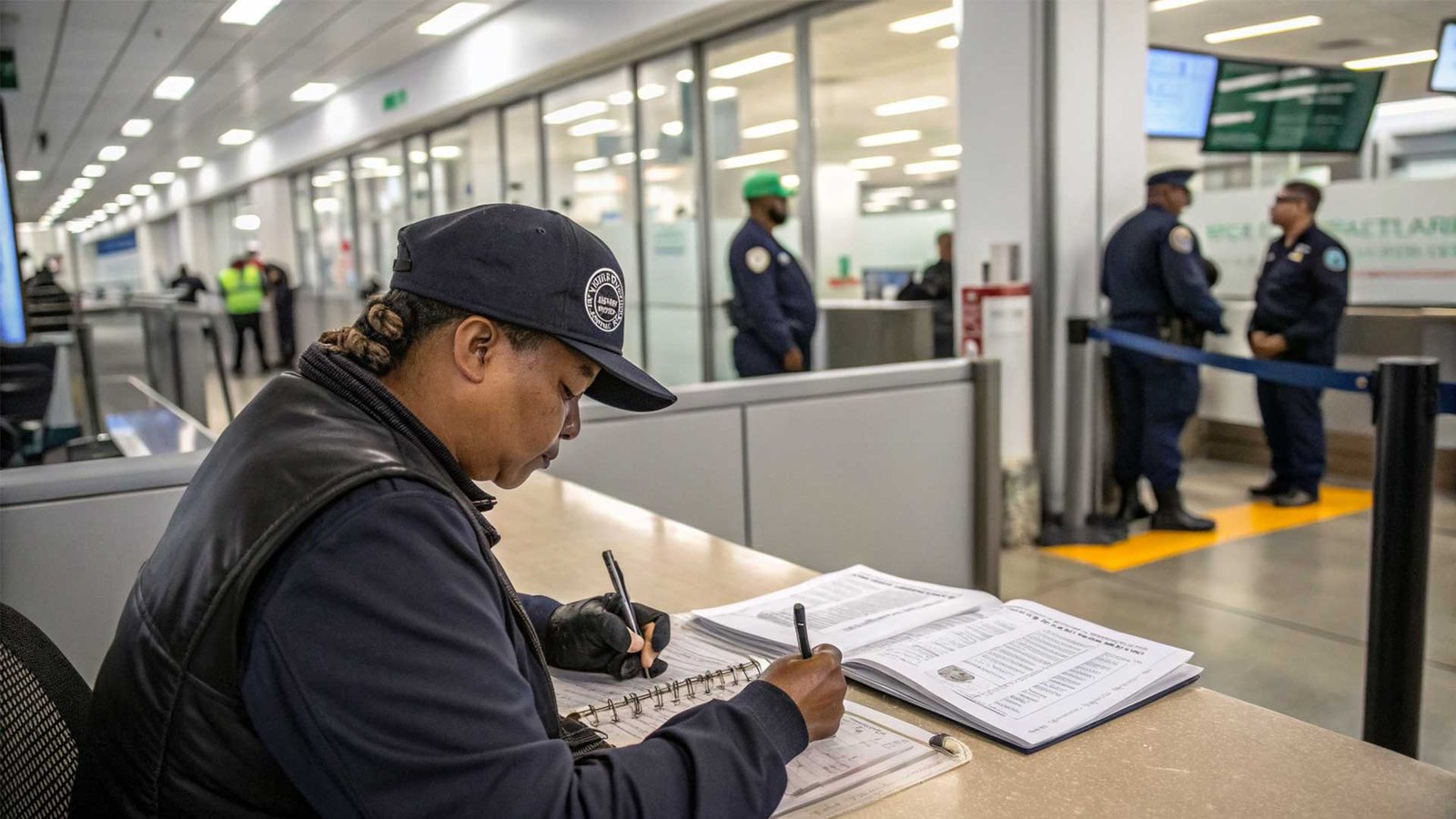
Your manual must turn these complex topics into simple, repeatable procedures. For Classification, it should state who is responsible for finding the HTSUS code and how they document their choice. For Valuation, it must detail what's included in the price paid or payable, including accounting for assists, royalties, or rebates. For Country of Origin, especially for goods from China, the manual must outline how you verify that the product truly originates there to avoid issues with transshipment14 or AD/CVD evasion. By documenting these procedures, you create an audit trail. If CBP questions a decision made two years ago, you can pull up the manual and the supporting files to show exactly why and how that decision was made. This is the definition of "reasonable care3."
How can U.S. importers build, maintain, and enforce an import compliance manual2 that actually works?
A manual is not a one-time project to be filed away. It's a living document9. Building it correctly and keeping it updated is the key to long-term safety from customs penalties15.
The best manuals are built with support from an experienced customs broker4. Your broker can help define procedures, but you, the importer, must own and enforce them. This involves training your team, conducting annual reviews, and keeping the manual updated with new regulations.

Building a manual from scratch can feel overwhelming, but you don't have to do it alone. Start by collaborating with your customs broker4. We can provide templates and guidance based on what we know CBP audit1ors look for. But remember, it's your company's manual. You need to own it.
- Build: Start by documenting your key import processes. Write down who does what, from purchasing to receiving.
- Maintain: Regulations change constantly. Your products and suppliers might change, too. You must review the manual at least once a year with your broker to ensure it's still accurate. A new tariff rule could make an entire section obsolete overnight.
- Enforce: A manual is useless if your team doesn't follow it. Training is essential. Everyone on your logistics and purchasing teams must understand their role in the compliance process. This turns the manual from a defensive document into a proactive operational tool that protects your business.
Conclusion
An import compliance manual2 is not just paperwork; it is your shield against audits and penalties. Documented procedures, supported by your broker, are your safest path in international trade.
Understanding CBP audits can help you prepare and avoid costly fines by ensuring compliance with customs regulations. ↩
Learn how an import compliance manual can protect your business from fines and ensure smooth customs operations. ↩
Discover the importance of demonstrating 'reasonable care' to avoid penalties and maintain good standing with CBP. ↩
A customs broker's expertise can guide you in creating a comprehensive manual that meets CBP expectations. ↩
Verifying the country of origin is essential for compliance and avoiding issues with transshipment or duty evasion. ↩
Knowing the responsibilities of the importer of record can help you manage compliance and avoid legal issues. ↩
Understanding Section 301 duties can help you manage costs and compliance when importing goods subject to these tariffs. ↩
Accurate HTS classification is crucial for compliance and avoiding penalties during customs audits. ↩
Keeping your compliance manual updated ensures it remains relevant and effective in protecting your business. ↩
Understanding these forms can help you respond effectively to CBP requests and avoid penalties. ↩
A well-maintained compliance manual can reduce scrutiny and keep your shipments moving smoothly. ↩
Avoiding misclassification is crucial to prevent penalties and ensure compliance with customs regulations. ↩
Learn how a compliance manual can help manage duty risks and avoid underpayment penalties. ↩
Understanding transshipment can help you avoid compliance issues and penalties related to country of origin. ↩
Knowing common penalties can help you implement strategies to avoid them and maintain compliance. ↩