Trade policy changes have a significant effect on how customs brokers and importers operate. Understanding these changes is critical for maintaining profitability and compliance.
Trade policy changes affect importers fastest through landed cost1. When tariff rates2 change or eligibility rules shift, the same product can carry a different duty burden3 overnight, changing margin assumptions and pricing. Importers should treat policy volatility4 as a cost forecasting problem: update duty scenarios, revise purchase terms, and adjust inventory buffers.
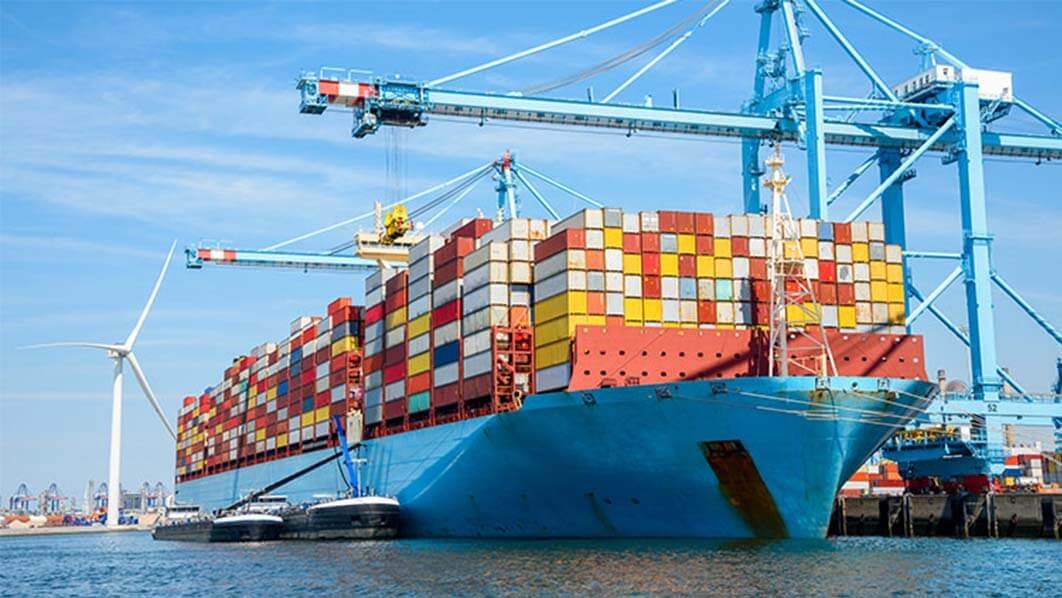
Trade policies are constantly shifting, and these changes can create uncertainty for businesses involved in importing goods. It is essential for importers to stay abreast of these changes to avoid unexpected costs or compliance issues.
Trade policy changes reshape total landed cost1 by altering tariffs, duty rates, and program eligibility5—forcing importers to re-forecast pricing and margins?
Trade policy changes can dramatically reshape the total landed cost1 for importers. Fluctuating tariffs, duty rates, and program eligibility5 often mean that the same product can incur different costs almost overnight. This situation forces businesses to re-evaluate their pricing strategies and profit margins.
When trade policy changes, importers may experience fluctuating landed cost1s impacting product pricing and profitability. They must adapt by forecasting costs based on new tariff structures and eligibility, ensuring their pricing remains competitive and compliant.
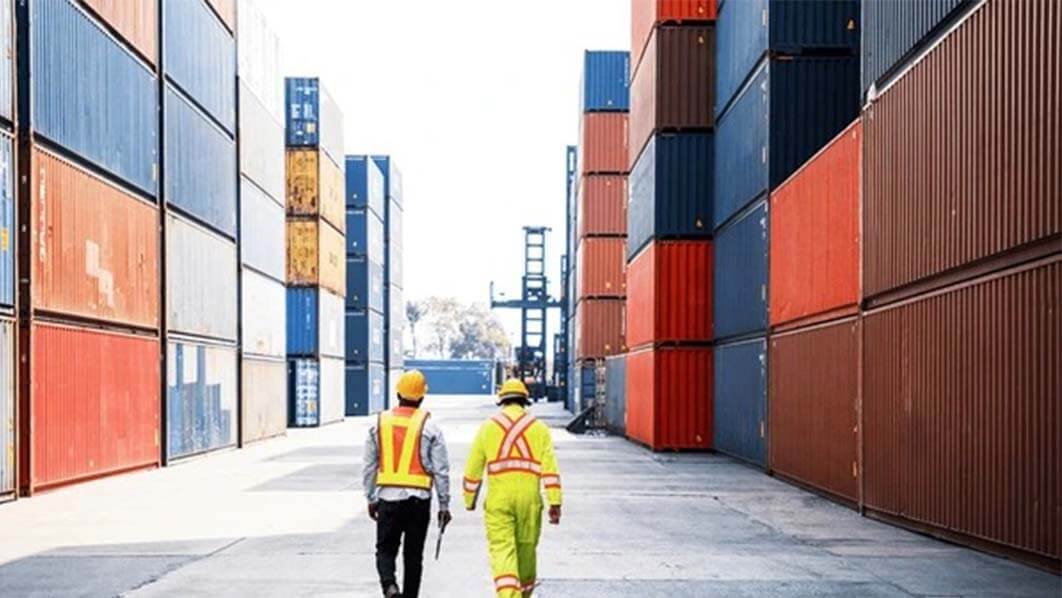
To illustrate this, consider the following table that breaks down the landed cost1 under policy volatility4:
| Cost element | What changes with policy | Who controls it | Mitigation lever |
|---|---|---|---|
| Duty/Tariff | Fluctuates with tariff changes | Government policy | Tariff monitoring |
| MPF/HMF (as applicable) | Changes based on duty adjustments | Customs regulations | Accurate declarations |
| Brokerage fees | May increase with compliance complexity6 | Customs brokers | Clear fee agreements |
| Compliance/Admin costs | Rises with documentation demands | Importer responsibility | Robust compliance procedures |
| Freight volatility | Affects total cost with timing shifts | Market conditions | Strategic sourcing |
| Time-based port costs | Increases if delays occur | Port policies | Buffer inventory |
When faced with these challenges, importers need to adapt their strategies quickly to maintain profitability.
Customs brokers become more critical during policy shifts because classification, valuation, and country-of-origin decisions7 directly determine duty exposure and penalty risk?
During trade policy shifts, the role of customs brokers becomes even more significant. Small changes in classification, valuation, or country-of-origin can have a substantial impact on duty exposure and compliance penalties.
Customs brokers become essential as they navigate the complexities of tariffs and ensure compliance. Their expertise in classification and valuation8 helps importers minimize risks associated with misclassification and potential penalties.
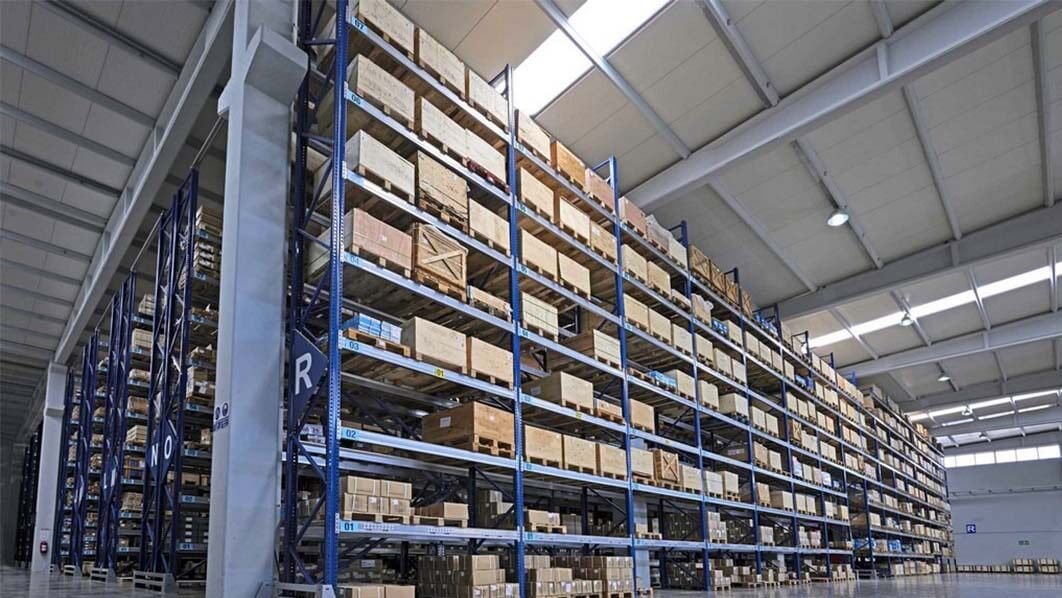
To further understand this, here is a table of broker decision points that impact duty:
| Decision | What it affects | Common importer mistake | Broker best practice |
|---|---|---|---|
| HTS classification | Determines applicable duty rates | Incorrect code usage | Regular training and updates |
| Declared value methods | Affects duty calculations | Understating values | Accurate valuation strategies |
| Country-of-origin determination | Impacts eligibility for programs | Misrepresenting origin | Thorough documentation procedures |
With brokers' assistance, importers can navigate these uncertainties and maintain compliance.
Rapid tariff updates increase clearance complexity9, creating higher documentation standards, more corrections, and greater hold/exam sensitivity for import entries?
Changes in tariff rules often lead to increased complexity in the customs clearance process. Importers may face stricter documentation requirements and greater examination scrutiny during policy transitions.
Rapid changes in tariff rules complicate customs clearance. Higher documentation standards mean importers must ensure entries are accurate and complete to avoid delays and penalties. Customs brokers play a vital role in maintaining high documentation quality.

Here’s a checklist of conditions that increase the risk of entry filing:
- Weak product description
- Inconsistent origin claim
- Missing supplier proof
- Unclear value
- HS mismatch across documents
- Rushed changes mid-shipment
If any of these issues arise, the chances of clearance delays escalate significantly.
Importers often respond by adjusting sourcing and routing (country shifts, transshipment risk controls, Incoterms changes), which requires stronger compliance and broker coordination10?
In response to trade policy shifts, importers frequently adapt their sourcing strategies and routing. This can involve changing countries of origin, adjusting transshipment routes, or renegotiating Incoterms.
These strategic moves can help mitigate duty exposure but also add complexity to compliance. Ensuring that all changes align with documentation requirements is critical, making broker coordination10 even more important.
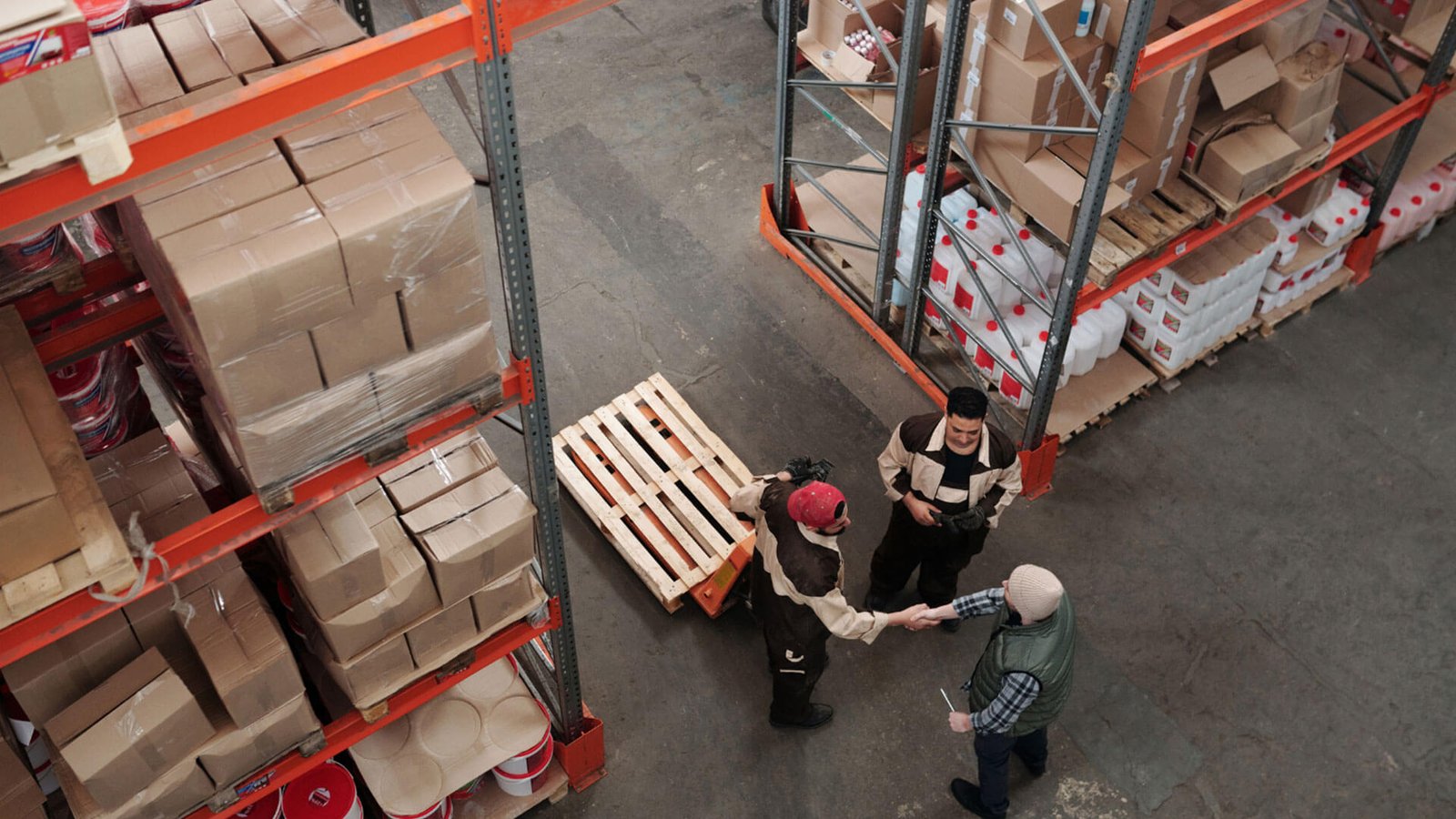
To illustrate this further, here’s a table that outlines common importer responses and their compliance implications:
| Action | Why importers do it | New compliance requirement | Risk if mismanaged |
|---|---|---|---|
| Change country of origin | To reduce duty exposure | Accurate origin documentation | Misclassification penalties |
| Split production | To manage risk | Clear documentation for each segment | Compliance exposure |
| Re-route via hub | To enhance delivery speed | Updated routing documentation | Increased scrutiny at customs |
| Change Incoterms | To shift risk | Clear definitions in contracts | Liability issues |
| Change supplier terms | To secure better costs | Verification of new supplier claims | Document discrepancies |
Each change requires careful oversight to align with compliance expectations.
Trade policy volatility4 changes brokerage workflows and costs (tariff stacking11, HTS workload12, IT investment13), making quote clarity14 and service scope15 more important for importers?
Trade policy volatility4 can significantly impact brokerage operations. Increased workloads from tariff stacking11 and HTS classification require brokers to invest in systems and processes to manage compliance effectively.
As tariffs fluctuate, brokerage workloads rise, which can affect pricing and service scope15. Importers need clarity on fee structures and the scope of services provided to navigate these changes smoothly.
Here’s a mini table illustrating broker fee clarity:
| Line item | What it covers | Fixed/variable | When it rises |
|---|---|---|---|
| Classification reviews | Checking accuracy of HTS codes | Variable | During policy shifts |
| Origin verification | Ensuring compliance with country rules | Variable | With increased scrutiny |
| Duty scenario analysis | Assessing potential duty impacts | Variable | When tariffs are updated |
Importers must ensure they are aware of these potential changes to costs and services.
The best mitigation strategy is a policy-ready import SOP16: tariff monitoring17, HTS master data governance18, scenario costing, and audit-ready recordkeeping19 led by broker + forwarder collaboration?
The most effective way to prepare for trade policy changes is by implementing a comprehensive Standard Operating Procedure (SOP). This should include elements like tariff monitoring17, HTS master data management, and audit-ready recordkeeping19.
A well-defined trade policy SOP helps importers navigate volatility effectively. By collaborating closely with brokers and forwarders, businesses can adapt to changes with minimal disruption.
Importers should focus on the following components for a robust SOP:
- Tariff Monitoring: Keeping track of changes in tariffs and understanding their impacts.
- HTS Master Data Governance: Ensuring all classification data is consistently managed and updated.
- Scenario Costing: Developing cost models to prepare for various tariff scenarios.
- Audit-Ready Recordkeeping: Maintaining records that support compliance and facilitate audits.
Implementing an SOP focused on these areas reduces uncertainty and enhances compliance.
Conclusion
In summary, understanding the impact of trade policy on customs brokers and importers is crucial. By adapting strategies and maintaining compliance, businesses can successfully navigate trade policy changes and minimize risks.
Understanding landed cost is crucial for importers to manage pricing and profitability effectively. ↩
Tariff rates directly affect the cost of imported goods, influencing pricing strategies. ↩
Duty burden impacts the overall cost of goods, affecting profit margins for importers. ↩
Policy volatility requires importers to frequently update their cost forecasts to remain competitive. ↩
Understanding program eligibility helps importers take advantage of beneficial trade programs. ↩
Increased compliance complexity can lead to higher brokerage fees and operational challenges. ↩
Country-of-origin decisions can affect duty rates and eligibility for trade programs. ↩
Accurate classification and valuation are essential to minimize duty exposure and penalties. ↩
Understanding clearance complexity helps importers avoid delays and penalties. ↩
Effective broker coordination ensures compliance and smooth adaptation to policy changes. ↩
Tariff stacking increases brokerage workloads, impacting costs and service delivery. ↩
Increased HTS workload requires brokers to manage classification accurately to avoid penalties. ↩
IT investment helps brokers manage increased workloads and maintain compliance efficiently. ↩
Clear quotes help importers understand brokerage costs and service scope during policy changes. ↩
Understanding service scope ensures importers receive necessary support during policy shifts. ↩
A policy-ready SOP helps importers navigate trade policy changes with minimal disruption. ↩
Tariff monitoring allows importers to stay informed about changes and adjust strategies accordingly. ↩
Proper HTS data governance ensures accurate classification and compliance with trade regulations. ↩
Maintaining audit-ready records supports compliance and facilitates smooth audits. ↩