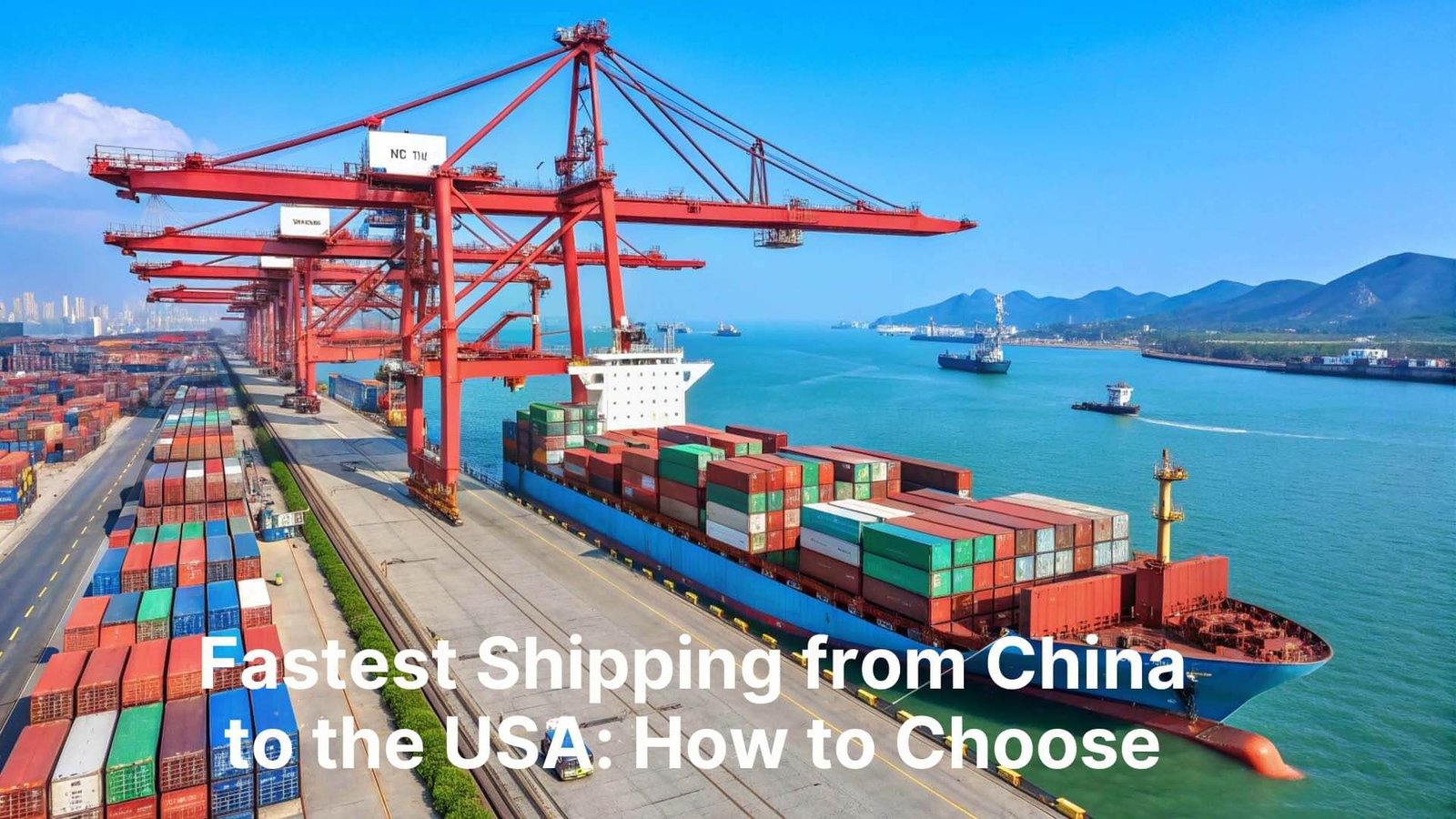
The shipping industry is facing a significant change with the IMO Global Sulfur Cap1. This regulation reshapes how we import goods and manage costs, creating challenges for U.S. importers.
The IMO Global Sulfur Cap1 limits the sulfur content in marine fuels2 to 0.5%, significantly reducing air pollution. For U.S. importers, this regulation means adjusting to higher fuel costs3, potential delays due to fuel availability4, and the need to ensure compliance with new shipping fuel standards5 to avoid fines and penalties.
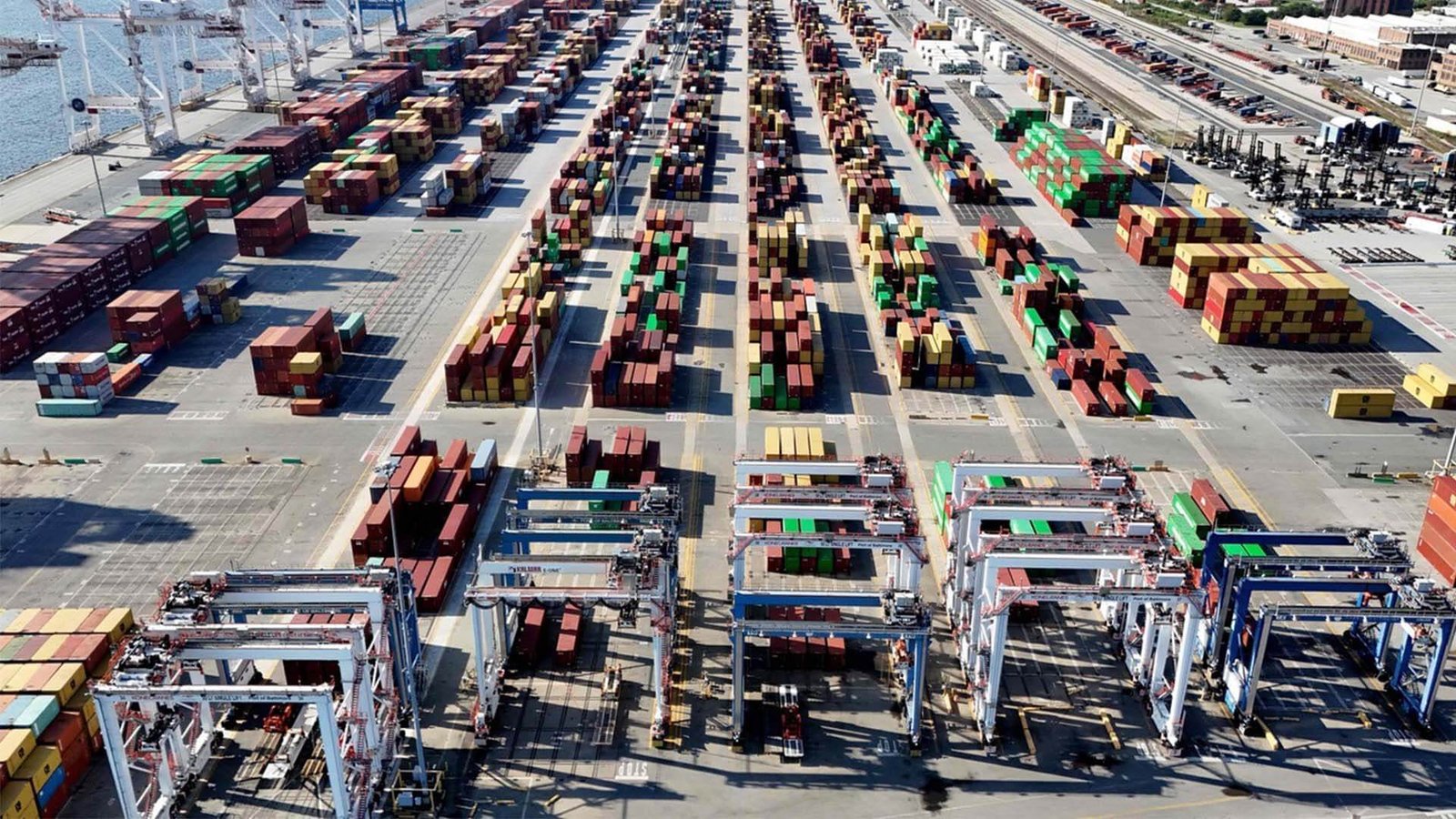
Navigating these changes can be daunting. However, understanding the implications of the IMO Global Sulfur Cap1 is essential to mitigate risks and seize opportunities.
What the IMO Global Sulfur Cap1 Is and How It Impacts U.S. Importers?
The IMO Global Sulfur Cap1 is a regulation that sets strict limits on the sulfur content of marine fuels. This aims to reduce air pollution and enhance air quality across the globe. The implications for U.S. importers are significant.
The IMO Global Sulfur Cap1 limits the sulfur content in marine fuels2 to 0.5%, significantly reducing air pollution. For U.S. importers, this regulation means adjusting to higher fuel costs3, potential delays due to fuel availability4, and the need to ensure compliance with new shipping fuel standards5 to avoid fines and penalties.
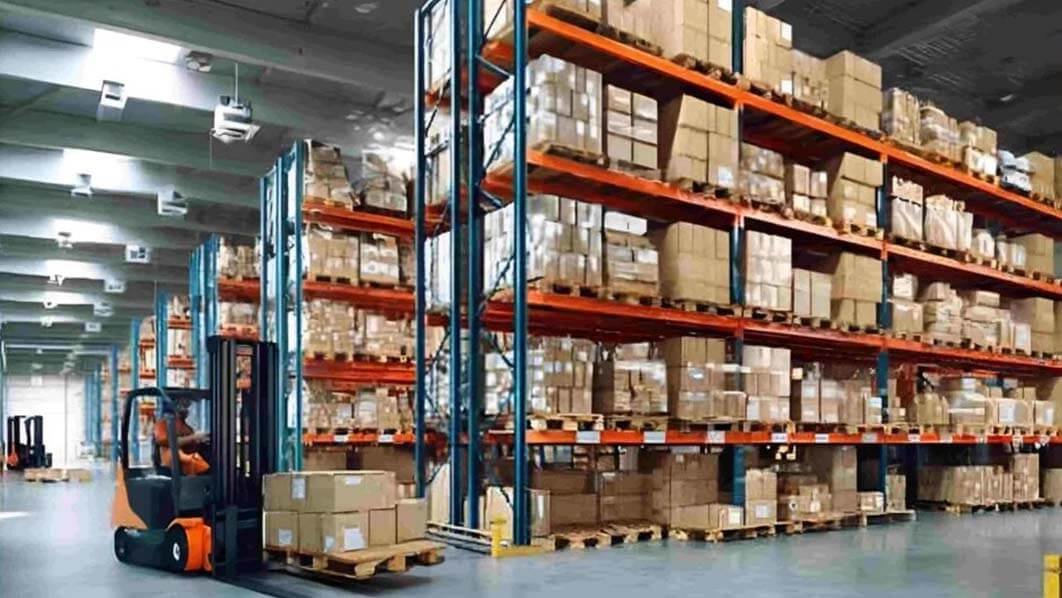
This regulation represents a shift in how businesses approach logistics. Importers will need to reevaluate their relationships with shipping carriers6 to ensure compliance.
Dive deeper Paragraph: U.S. importers might find themselves at a crossroads. The transition to compliant fuels can significantly affect their supply chain. With shipping companies increasingly adopting low-sulfur fuels7, costs will rise. Importers must consider these expenses when bidding for contracts or setting prices. Additionally, delays can occur as shipping lines adapt to the new regulations. This means proactive planning is crucial. Collaborating with reliable logistics partners who understand the nuances of these changes can help mitigate these challenges. In the long run, staying informed about compliance and potential risks will position importers favorably in a changing landscape.
How the IMO 2020 Sulfur Cap Affects Shipping Costs and Fuel Choices for U.S. Importers?
The IMO 2020 Sulfur Cap has reshaped the shipping cost landscape significantly. Companies are now faced with higher costs, primarily due to the transition to low-sulfur fuels7.
The IMO 2020 Sulfur Cap has led to increased shipping fuel costs as companies transition to low-sulfur fuels7 or install scrubbers on ships8. U.S. importers may face higher shipping fees, especially for long-haul shipments, and must account for these increased costs when calculating landed goods pricing9.
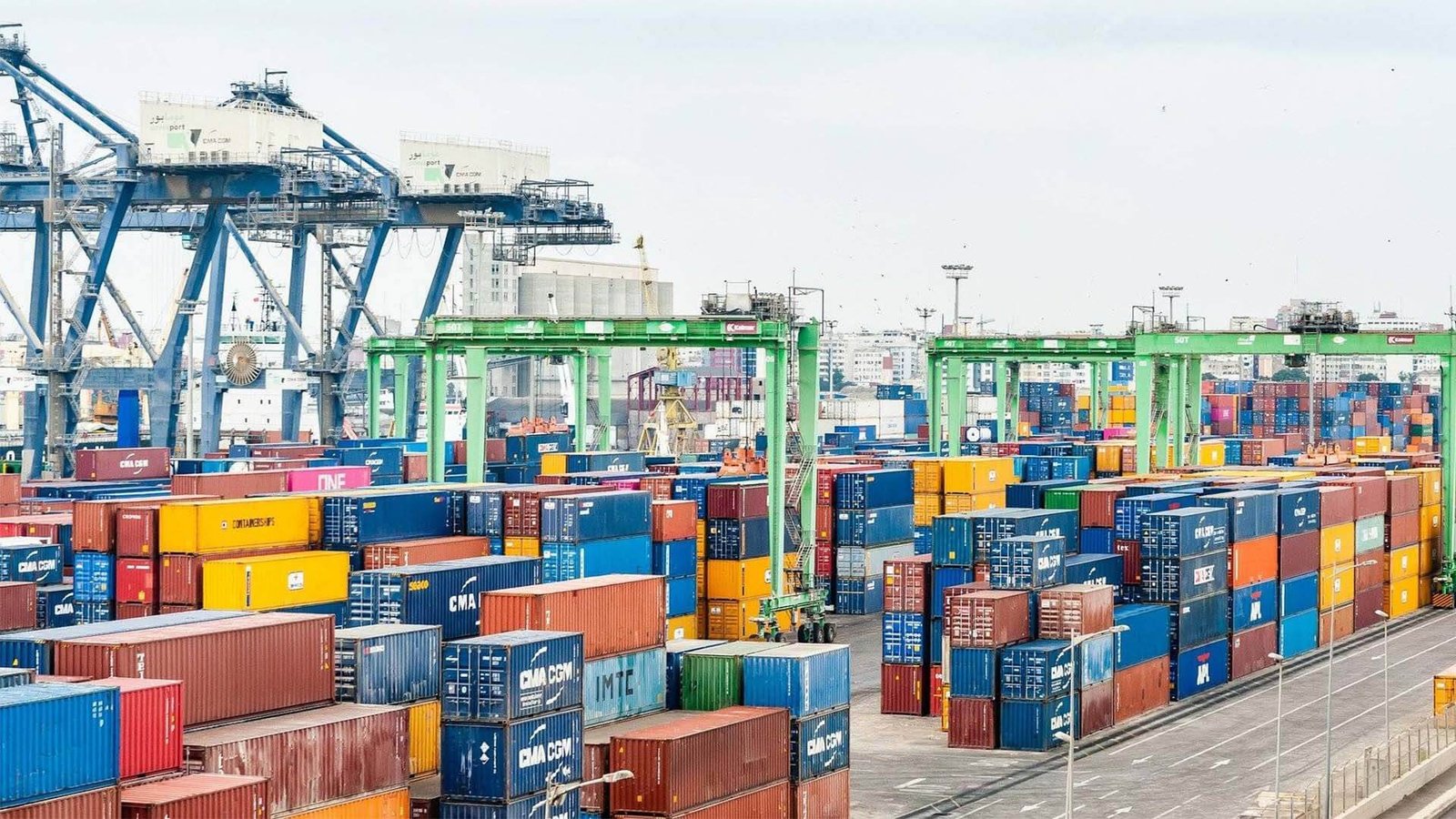
The implications for importers are clear: budgeting needs to adjust to accommodate new fuel expenses. Fuel choices are also evolving as companies look for cost-effective alternatives.
Dive deeper Paragraph: The rise in shipping costs is a pressing concern for U.S. importers. They need to navigate the additional expenses associated with low-sulfur fuels7. Fuel options are changing, leading to a potential reevaluation of shipping strategies. Importers should analyze the cost-benefit ratio of using scrubbers versus low-sulfur fuel. Using tools like fuel hedging can help stabilize costs amidst fluctuating prices. Furthermore, maintaining open communication with shipping partners will provide insights into upcoming price changes. Understanding the intricacies of these cost factors will enable U.S. importers to make informed decisions, whether negotiating contracts or adjusting pricing strategies.
What U.S. Importers Need to Know About Compliance with IMO Sulfur Regulations?
Compliance with the IMO Global Sulfur Cap1 is non-negotiable. U.S. importers must ensure that their shipments adhere to these regulations to avoid costly penalties.
U.S. importers must ensure their shipments comply with the IMO Global Sulfur Cap1 by working with carriers that meet sulfur content regulations. Importers must be aware of potential penalties for non-compliance and collaborate with customs brokers10 to ensure proper documentation and adherence to environmental standards.

Understanding the regulatory landscape is crucial for every importer. Collaboration with trusted logistics partners can simplify compliance efforts.
Dive deeper Paragraph: Compliance is a critical aspect of the importing process. Importers must ensure that their carriers are compliant with the new sulfur regulations. This means conducting thorough due diligence when selecting shipping partners. U.S. importers should work closely with customs brokers10, who play a vital role in the compliance process. They can help navigate the paperwork and ensure that all shipments meet the necessary environmental standards. Non-compliance can result in substantial fines, making it imperative to stay informed and proactive. Regular training sessions and updates on regulatory changes can help maintain compliance and streamline operations.
The Environmental Impact of the IMO Global Sulfur Cap1 on Global Trade
The IMO Global Sulfur Cap1 is not just a regulation; it represents a significant step towards environmental responsibility in global trade. The primary goal is to reduce sulfur oxide emissions from ships.
The IMO Global Sulfur Cap1 aims to reduce sulfur oxide emissions from ships, improving air quality and combating climate change. For U.S. importers, this environmental change can affect sourcing and shipping strategies, particularly in terms of environmental compliance11 and sustainability practices12 across their supply chains.

This change aligns with growing consumer demand for sustainable practices. Importers must adapt their operations to maintain their market positions.
Dive deeper Paragraph: The environmental impact of the IMO Global Sulfur Cap1 extends beyond compliance; it influences global trade dynamics. U.S. importers are increasingly aware of sustainability and its implications for their supply chains. As consumers prioritize eco-friendly practices13, importers must adjust their sourcing strategies to comply with these expectations. This might involve selecting suppliers that utilize sustainable shipping practices or investing in greener logistics solutions. Additionally, understanding the environmental regulations in different regions will help importers navigate their responsibilities effectively. By embracing these changes, U.S. importers can position themselves as leaders in sustainable trade, opening doors to new markets and enhancing their reputations.
How U.S. Importers Can Prepare for Potential Shipping Delays Due to IMO Sulfur Regulations?
Anticipating potential shipping delays is essential for U.S. importers navigating the new sulfur regulations. Importers must be proactive to ensure seamless operations.
U.S. importers should anticipate potential shipping delays as shipping companies adjust to the new sulfur regulations. Planning ahead by working with experienced freight forwarders14 and understanding port restrictions15 will help ensure timely deliveries and avoid disruptions caused by the switch to low-sulfur fuels7.
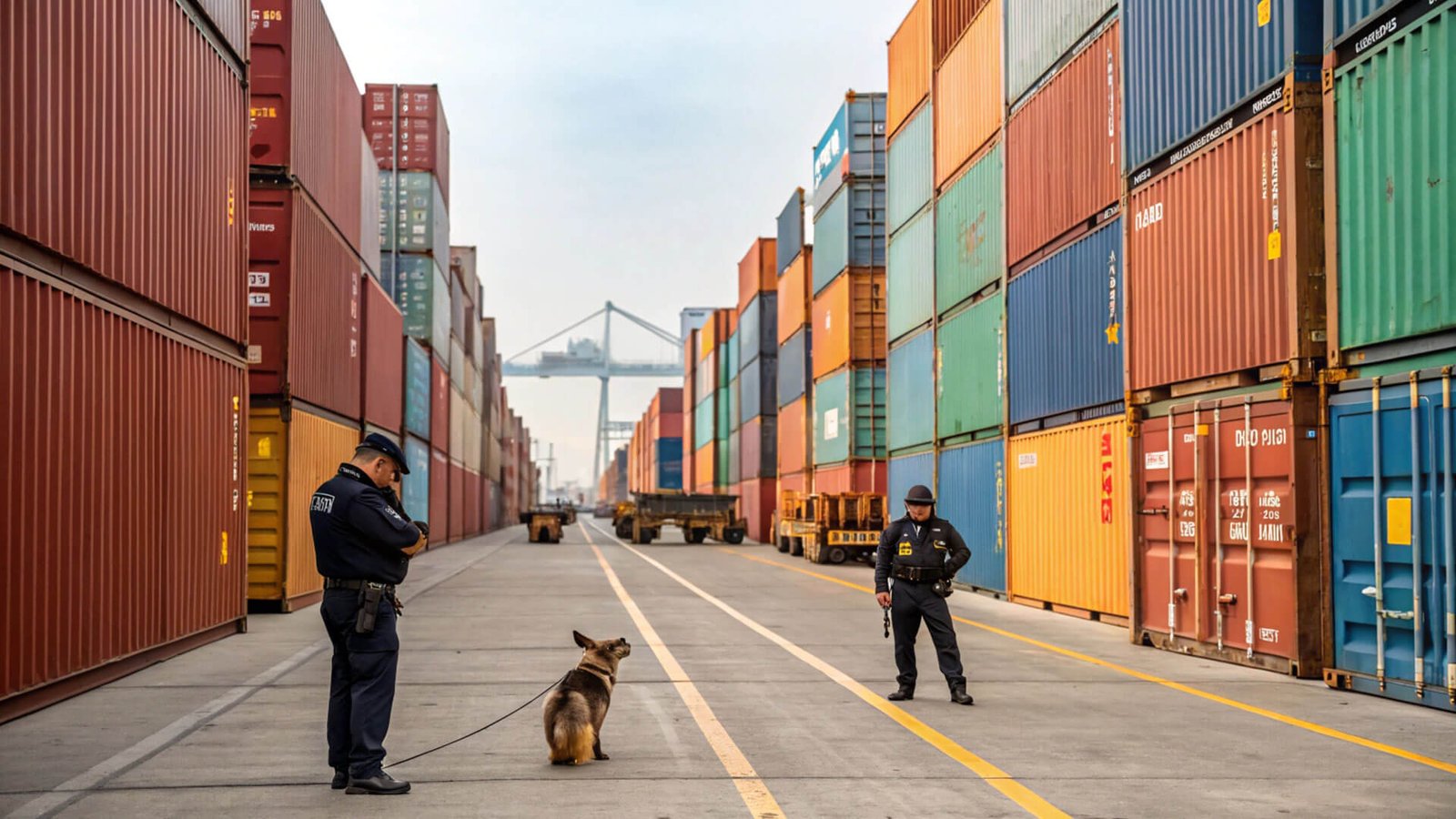
Preparation is key. Understanding port logistics and freight forwarders14' roles can make all the difference.
Dive deeper Paragraph: Shipping delays are an inevitable consequence of regulatory changes like the IMO Global Sulfur Cap1. U.S. importers should take proactive measures to mitigate these challenges. This includes working closely with experienced freight forwarders14 who understand the implications of new regulations. They can provide insights into potential delays and recommend solutions to streamline operations. Understanding port restrictions15 and logistics will also play a crucial role in planning. Importers should stay informed about delays in different regions and maintain flexibility in their shipping schedules16. Preparing for potential disruptions will not only help maintain customer satisfaction but also enhance the importers' resilience in a changing market.
Conclusion
The IMO Global Sulfur Cap1 poses challenges and opportunities for U.S. importers. Understanding its impacts is key to navigating this new landscape successfully.
Understanding the IMO Global Sulfur Cap is crucial for grasping its effects on shipping and environmental compliance. ↩
Exploring sulfur content in marine fuels helps understand its role in reducing air pollution and meeting environmental standards. ↩
Learn why fuel costs are increasing and how it affects shipping expenses and budgeting for importers. ↩
Discover how fuel availability impacts shipping schedules and what importers can do to mitigate delays. ↩
Understanding new shipping fuel standards is essential for avoiding fines and ensuring smooth operations. ↩
Explore how shipping carriers are adjusting to new regulations and what it means for importers. ↩
Learn about low-sulfur fuels and their advantages in reducing emissions and complying with regulations. ↩
Understand how scrubbers work on ships to meet sulfur regulations and their impact on shipping costs. ↩
Find out how the IMO Sulfur Cap influences pricing strategies for imported goods. ↩
Learn how customs brokers assist importers in navigating compliance with sulfur regulations. ↩
Explore the significance of environmental compliance in maintaining market positions and meeting consumer demands. ↩
Discover ways importers can adopt sustainability practices to align with consumer expectations and regulations. ↩
Explore the advantages of adopting eco-friendly practices for importers in enhancing reputation and market reach. ↩
Understand the role of freight forwarders in managing shipping delays and ensuring timely deliveries. ↩
Learn about port restrictions and their impact on shipping schedules and logistics. ↩
Find strategies for importers to adapt shipping schedules and maintain customer satisfaction amidst regulatory changes. ↩