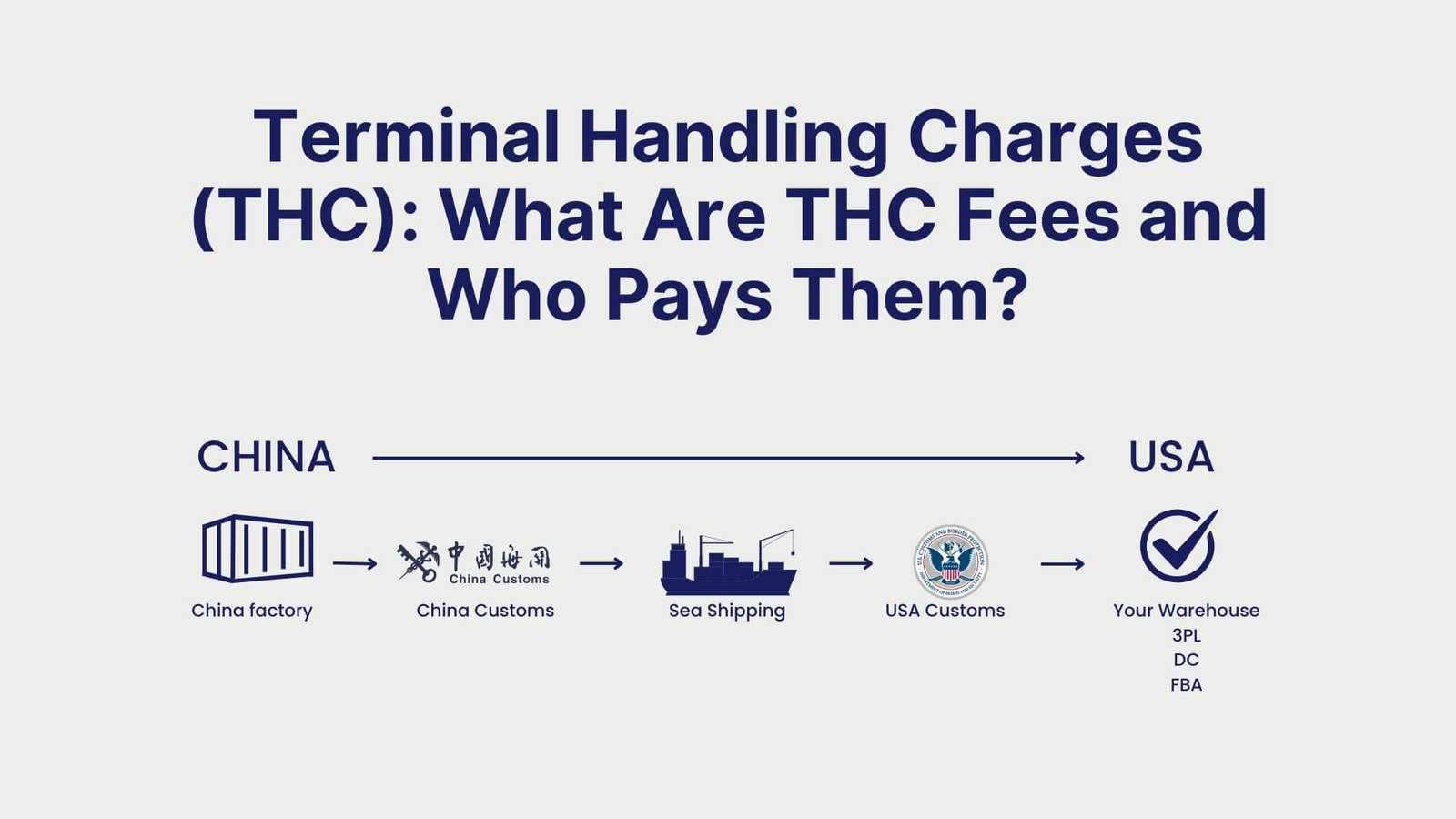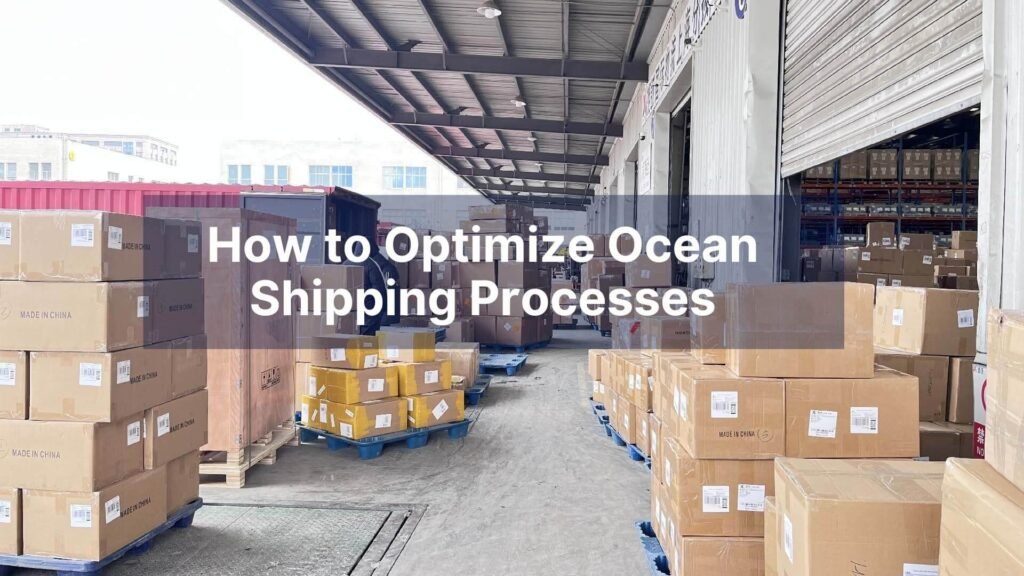
In today's competitive market, importers face high shipping costs and delays1. Understanding how to optimize ocean shipping processes2 can save you time and money.
Ocean shipping is optimized when the process is standardized. Importers should align supplier cargo-ready dates3, booking timelines4, cutoff management, and documentation handoffs5 into a repeatable workflow. Clear milestones reduce rollovers, last-minute rebooking, and missed sailings. The goal is execution consistency6: the same steps, the same data, and fewer surprises per shipment.
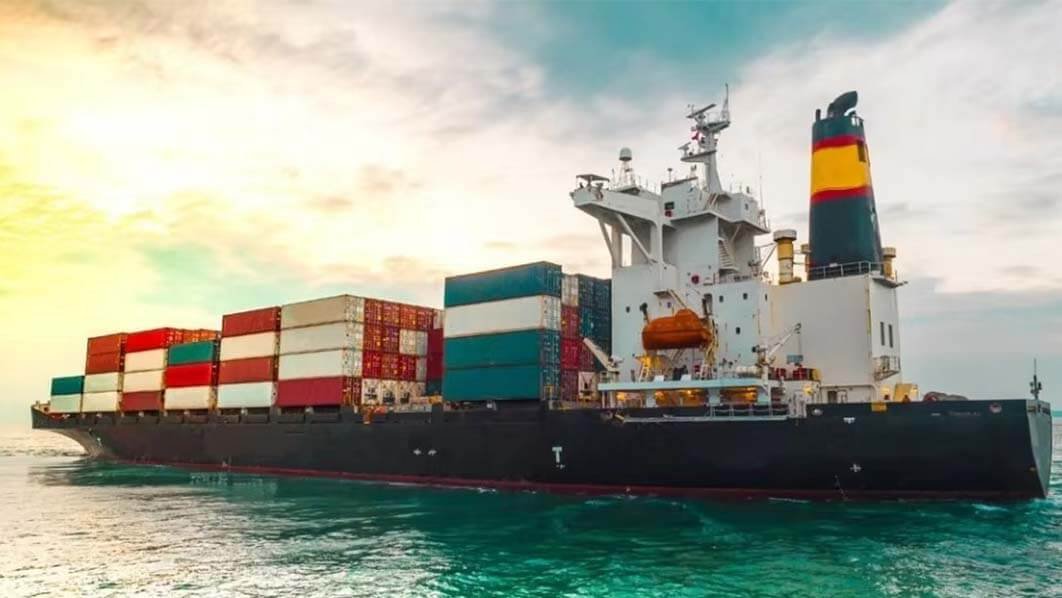
To enhance your shipping process, it's vital to identify bottlenecks and inefficiencies7. I learned about this the hard way through trial and error. Each step is crucial, and neglecting one can lead to unexpected costs or delays. By standardizing workflows and ensuring each team member understands their role, we can reduce errors and streamline operations8.
Optimize ocean shipping by standardizing your end-to-end workflow from supplier readiness to booking, cutoff management, and departure execution?
Optimizing ocean shipping is all about creating a structured workflow. By establishing a clear process from supplier readiness to departure, you can improve efficiency.
Standardizing your ocean shipping process means defining each step clearly. Confirm cargo readiness dates, book space early, and manage cutoffs effectively. This creates a more predictable workflow and reduces delays and missed sailings.

To deepen your understanding, let’s break down the essential steps in the ocean shipping SOP:
- Cargo Readiness Date (CRD)9: Confirm this 7-14 days in advance. It ensures that your suppliers are on the same page.
- Booking Early10: Especially during peak seasons, booking space ahead can save you from last-minute stress.
- Cutoff Management: Always confirm SI cutoff11, gate-in cutoff, and VGM deadlines. This helps in managing expectations with your logistics partners.
- Document Handoff Timeline: Standardize when documents will be passed. This reduces confusion and errors.
- Escalation Path: Have a clear path for schedule changes or rollovers to make quick decisions.
Key Cutoffs to Track
| Cutoff Type | Importance |
|---|---|
| SI Cutoff | Shipment Instruction deadlines |
| Gate-in Cutoff | Time by which cargo must arrive |
| VGM Cutoff | Verified Gross Mass submission time |
| CY Closing | Container yard closing time |
| ETD | Estimated Time of Departure |
Reduce total landed cost12 by separating base ocean freight from origin/destination charges and eliminating avoidable accessorials through better planning?
Reducing total landed cost12 is essential for maintaining competitiveness. Many importers overlook how various charges impact their total shipping cost.
Treating ocean freight as a full cost stack helps in identifying where expenses can be cut. Separate base ocean freight from origin and destination charges to spot avoidable accessorials. Focus on preventing delays that accumulate extra costs.

Let’s break down some effective cost control tactics:
- Itemized Quotes: Always require itemized quotes13 that clarify assumptions and potential charges.
- Standardized Delivery ZIP: Define equipment needs and delivery locations upfront.
- Plan Free Time Usage: Strategically manage your free time to avoid storage and detention fees.
- Pre-clear Documents: Submit documents early to prevent unnecessary holds.
- Invoice Audits: Regularly audit invoices and dispute any discrepancies with supporting documents.
Quote vs Invoice Risk Lines
| Charge | Fixed/Variable | Trigger | How to Prevent |
|---|---|---|---|
| Storage Fees | Variable | Delays in pickup | Effective planning |
| Detention Charges | Variable | Late return of containers | Pre-arranging drayage |
| Chassis Fees | Fixed | Not returning chassis timely | Schedule returns early |
| Failed Delivery | Variable | Missed appointments | Confirm appointment requirements |
Container efficiency plays a critical role in reducing shipping costs. Choosing the right shipping strategy can lead to significant savings.
By selecting between FCL (Full Container Load) and LCL (Less than Container Load), you can maximize your CBM (Cubic Meter) utilization and lower costs. Optimize packaging to ensure you are not wasting space or resources.
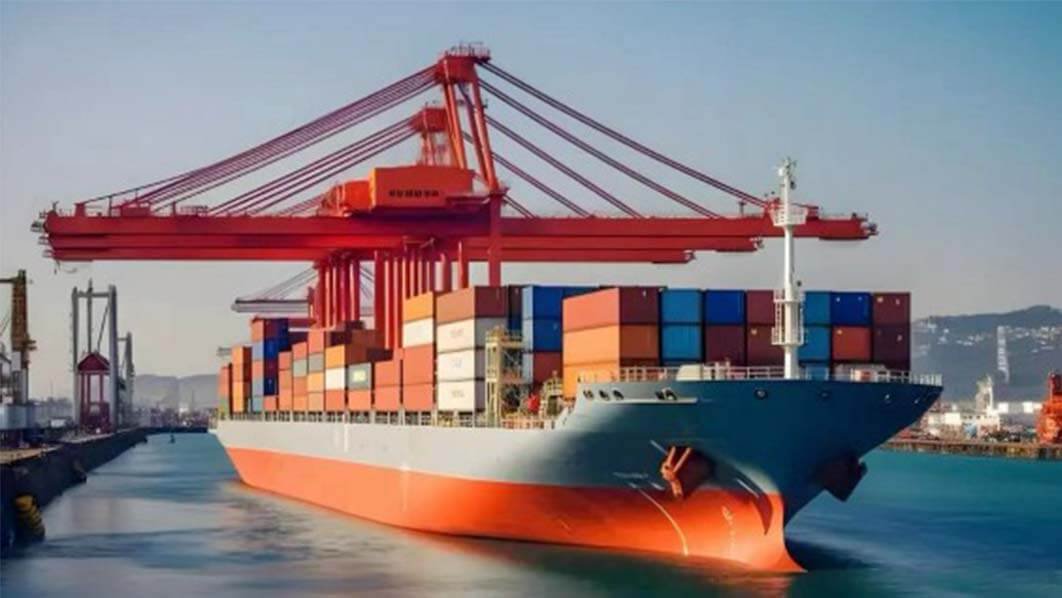
Here's how to improve your container utilization:
- Standardize Carton Dimensions: Reducing dead space in containers can lead to better CBM optimization.
- Load Plans: Utilize load plans and photos during stuffing to maximize space.
- Avoid Overweight Distribution: Ensure a balanced load to prevent potential collapse during transit.
- Reduce Mixed SKUs Chaos: Group items effectively to streamline packing.
- Consider Shipment Types: Evaluate if multi-stop or consolidated shipments make sense for your needs.
FCL vs LCL14 Optimization
| Best for | Pricing | Risk | Lead Time | Cost Predictability | Hidden Charges |
|---|---|---|---|---|---|
| FCL | Typically lower | Less risk of delays | Fixed | High | Potential demurrage |
| LCL | Higher per CBM | Higher risk of delays | Variable | Lower | Accessorial charges |
Prevent delays and customs issues by improving data quality and document accuracy15 (HS code, value, origin, ISF timing, and BL/invoice matching)?
Delays are often caused by data errors, which are easily avoidable by improving document accuracy.
Standardizing data quality across your shipment documents is essential. Accurate HS codes, values, origins, and proper matching of invoices help prevent customs issues and delays.
Consider implementing a data quality playbook that covers:
- Product Master Data: Ensure HS codes and descriptions are consistent.
- Supplier Details: Keep accurate manufacturer information readily available.
- Invoice Consistency: Match the invoice values with the original contract terms.
- Country of Origin: Confirm that the origin is accurately stated.
- ISF Data: Prepare Importer Security Filing data well before deadlines.
Document Mismatch Triggers
| Mismatch Type | Example | Consequence | Prevention |
|---|---|---|---|
| HS Code Mismatch | Incorrect classification | Customs holds | Regular classification reviews |
| Value Mismatch | Discrepancy in declared value | Additional duties or fines | Cross-check values consistently |
| Origin Mismatch | Incorrect country stated | Entry delays | Maintain accurate supplier data |
Control demurrage and detention risk16 with a port arrival playbook covering free time, appointment scheduling, drayage coordination, and rapid exception response?
Demurrage and detention costs can be controlled by preparing an efficient port arrival plan.
Demurrage and detention penalties are often a result of process failures. Running a port arrival playbook ensures that you’re ready before your container arrives, significantly reducing unexpected charges.
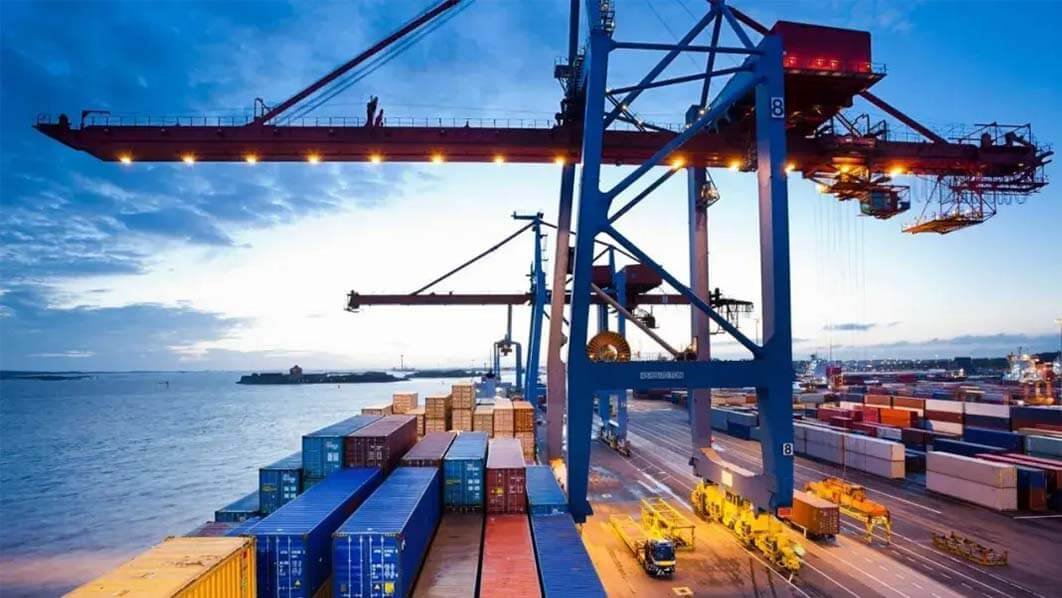
Here are the steps to minimize these costs:
- Confirm Free Time: Understand free time policies for terminals, chassis, and carriers to avoid penalties.
- Arrange Drayage Before ETA: Pre-arranging drayage helps in smoother transitions post-arrival.
- Validate Delivery Appointments: Always confirm requirements before arrival.
- Watch Holds/Flags: Immediately address any issues flagged upon arrival.
- Plan Empty Return Location: Pre-plan where and when to return empty containers to avoid late fees.
Arrival → Outgate → Delivery → Empty Return Workflow
This workflow illustrates the importance of timing and rapid decision-making to avoid detention.
Use shipment visibility and KPIs17 (quote-to-invoice variance, transit time variance, rollovers, holds/exams, D&D incidents) to continuously improve performance?
To drive continuous improvement in ocean shipping, tracking performance metrics is essential.
Importers should keep an eye on key KPIs that reveal insights into the shipping process. By analyzing these metrics, you can identify areas needing attention and improve overall shipping efficiency.
Some important KPIs to track include:
| KPI | What it Measures | Target/Benchmark | Root Causes if Bad | Fix Action |
|---|---|---|---|---|
| Quote-to-Invoice Variance (%) | Accuracy of quotes vs. invoiced cost | <5% variance | Poor quote management | Require itemization and review |
| Transit Time Variance (days) | Actual delivery vs. expected | <1-2 days | Delays in customs or drayage | Improve coordination |
| Rolled Bookings Rate (%) | Bookings that did not go as planned | <5% | Poor planning or last-minute changes | Standardize planning |
| Customs Hold/Exam Rate (%) | Shipments held for inspection | <3% | Data inaccuracies | Regular data audits |
| Demurrage Incidents (#/month) | Frequency of penalty charges | <2 incidents | Slow movement or poor planning | Establish clearer arrival processes |
Conclusion
Optimizing ocean shipping processes can significantly enhance efficiency and cost-effectiveness. By applying these strategies, you can improve your shipping outcomes and avoid common pitfalls.
Explore strategies to minimize shipping expenses and avoid delays, crucial for maintaining competitiveness in the market. ↩
Learn how to streamline your shipping operations to save time and money, enhancing overall efficiency. ↩
Discover the importance of aligning cargo-ready dates to ensure timely and efficient shipping operations. ↩
Find out how to effectively manage booking timelines to avoid last-minute stress and ensure smooth operations. ↩
Explore the role of timely document handoffs in reducing confusion and errors in the shipping process. ↩
Understand how consistent execution of shipping processes leads to fewer surprises and more predictable outcomes. ↩
Learn how pinpointing and addressing bottlenecks can streamline operations and reduce costs. ↩
Discover methods to minimize errors and enhance the efficiency of your shipping processes. ↩
Understand how confirming CRD in advance ensures suppliers are prepared, reducing delays. ↩
Learn how early booking can save you from last-minute stress, especially during peak seasons. ↩
Explore the importance of shipment instruction deadlines in managing shipping expectations. ↩
Find out how separating charges and planning can help cut down on overall shipping expenses. ↩
Learn how itemized quotes can clarify potential charges and help in cost management. ↩
Understand the pros and cons of Full Container Load versus Less than Container Load to optimize costs. ↩
Explore how accurate data and documents prevent customs issues and delays. ↩
Learn strategies to minimize unexpected charges related to demurrage and detention. ↩
Understand how monitoring key performance indicators can lead to continuous improvement in shipping. ↩