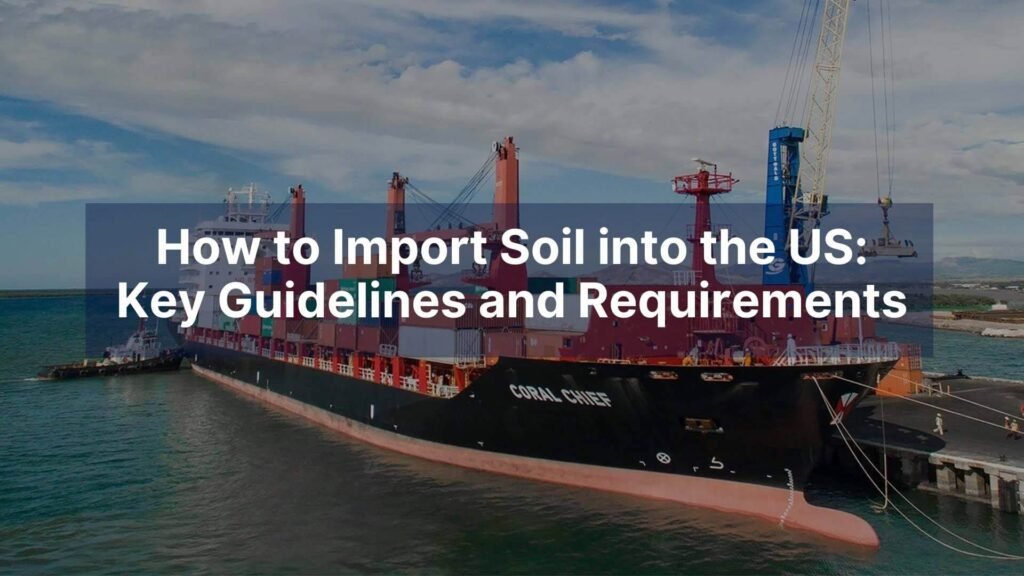
Importing soil into the U.S. can be complicated. It involves understanding regulations, obtaining permits, and ensuring compliance. This guide simplifies the process, helping you navigate the requirements effectively.
To import soil into the U.S., you need to follow USDA and APHIS guidelines1. An import permit2 is often required. Regulatory agencies inspect soil samples3 and require specific certifications to ensure no harmful pests are introduced.
Navigating the world of soil importation can feel overwhelming. Yet, understanding the essentials helps you avoid pitfalls and streamline your import process.
Essential USDA and APHIS Requirements for Importing Soil into the U.S.?
Importing soil into the U.S. requires strict adherence to USDA and APHIS regulations. An import permit2 is generally necessary, along with specific inspections and certifications. These measures ensure that the soil does not carry pests or diseases that could harm U.S. agriculture.
The USDA plays a crucial role in overseeing the importation of soil. They require detailed documentation and a thorough inspection process4. You need to submit a permit application and provide samples for testing. This application process can be time-consuming, so it’s best to start early.
Steps to Apply for an Import Permit
- Gather necessary information: Identify the type of soil you wish to import and its intended use.
- Complete the permit application: Visit the USDA APHIS website to download and fill out the application form.
- Submit soil samples3: Send soil samples3 to the designated laboratory for analysis.
- Receive your permit: Once approved, the USDA will issue your import permit2.
Having a proactive approach can save you time and ensure compliance with U.S. regulations.
Step-by-Step Guide to Obtaining an Import Permit for Soil in the U.S.?
To obtain an import permit2 for soil, U.S. importers must follow a specific process. The USDA oversees the application, which involves submitting a permit request and providing soil samples3 for analysis. This process is critical for securing approval for your soil importation.
Obtaining an import permit2 involves several steps, each requiring attention to detail. You must ensure that all your documentation is accurate and complete. Any mistake could delay your application, so patience and diligence are key.
Checklist for a Successful Application
- Complete application form: Make sure all sections are filled out.
- Submit soil samples3: Follow guidelines for sample collection and shipping.
- Monitor application status: Stay in touch with the USDA for updates.
This organized approach will help you navigate the import permit2 process smoothly.
Understanding the Prohibited Soil Import Items and Compliance Risks?
Certain types of soil and related items are prohibited from entering the U.S. due to potential pests and diseases they may carry. These include unsterilized soil, certain plant materials, and any items not accompanied by the necessary documentation. Understanding these restrictions is vital for compliance.
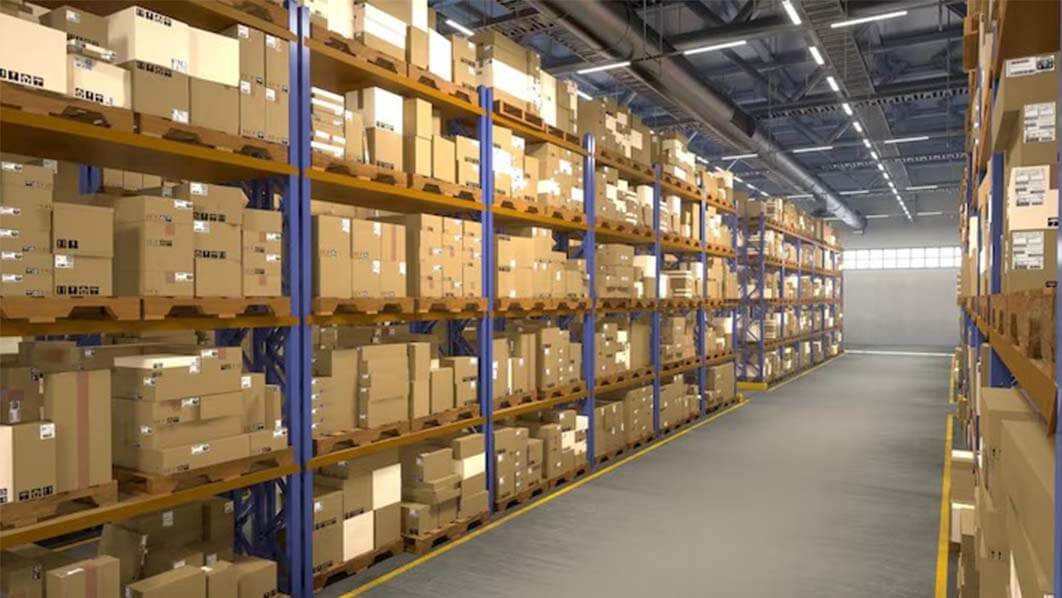
Ignoring prohibited items can lead to severe compliance risks5. Importers could face fines, shipment delays, or even confiscations. To avoid these issues, always stay informed about the latest regulations regarding soil imports.
Commonly Prohibited Items
| Item Type | Reason for Prohibition |
|---|---|
| Unsterilized soil | May carry harmful pathogens |
| Soil from specific regions | Contains invasive species |
| Certain plant materials | Risk of pest infestation |
Understanding the risks associated with prohibited items can save you from significant consequences.
Key Documentation Needed for Importing Soil: A U.S. Importer’s Checklist?
When importing soil, there are specific documents required to ensure a smooth customs clearance6. These include import permit2s, inspection certificates7, and lab test results. Having these documents ready can facilitate your import process.
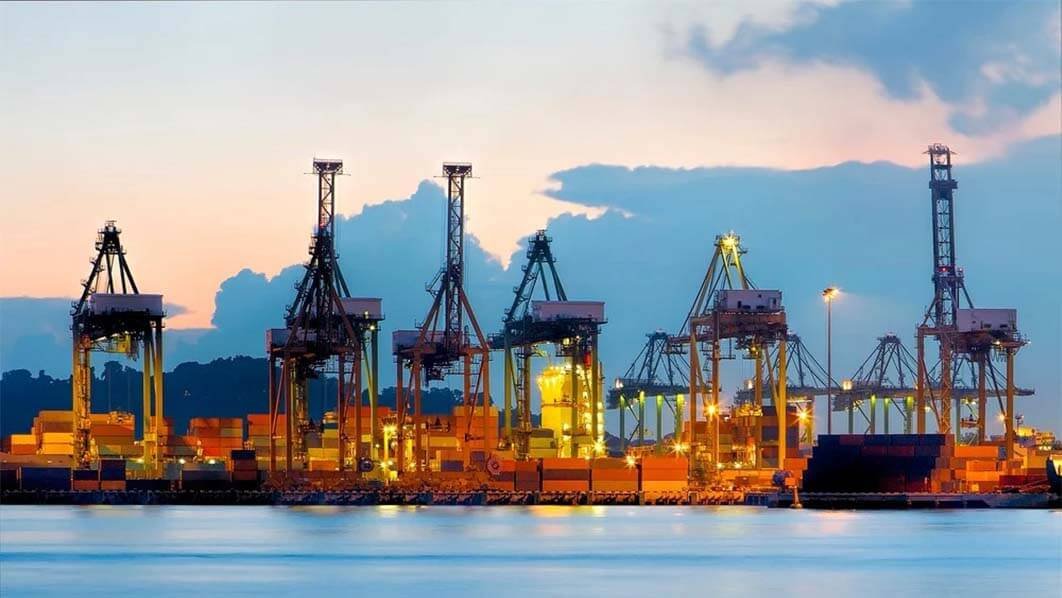
Here’s a concise checklist to ensure you have everything in place:
- Import Permit: Issued by USDA.
- Soil Inspection Certificate: From authorized labs.
- Customs Declaration: Required for all imports.
- Packing List: Details about the soil shipment.
Maintaining an organized documentation process can help you keep track of all necessary paperwork and prevent setbacks.
The soil import process involves several key steps, from customs clearance6 to final delivery. After submitting the required documents, customs will inspect the shipment. This part of the process can often cause delays if not handled correctly.
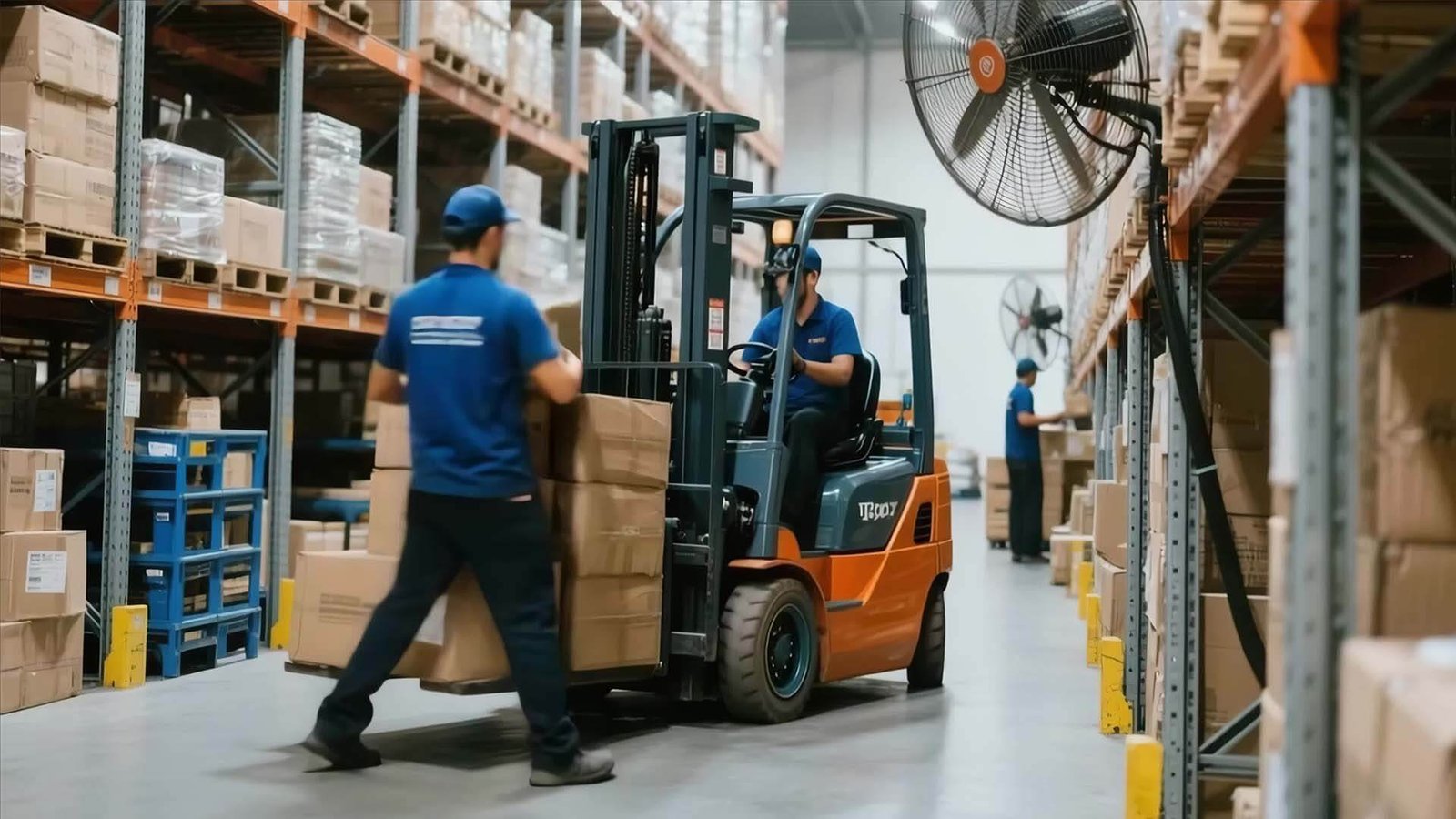
Be aware that certain challenges may arise during this process. Ensuring all your paperwork is in order helps avoid unnecessary delays. You should also be prepared for potential inspection fees or additional charges.
Steps in the Import Process
- Customs Declaration: Submit all necessary documents upon arrival.
- Inspection: Customs will conduct an inspection based on your submitted information.
- Final Delivery: Once cleared, the soil can be delivered to your desired location.
Staying informed and prepared will make navigating this process much smoother.
Soil Import Fees and Costs: What U.S. Importers Should Expect?
Importing soil can incur various fees, including permit fees8, inspection costs, and shipping charges9. Understanding these costs in advance helps you budget effectively and avoid surprises.
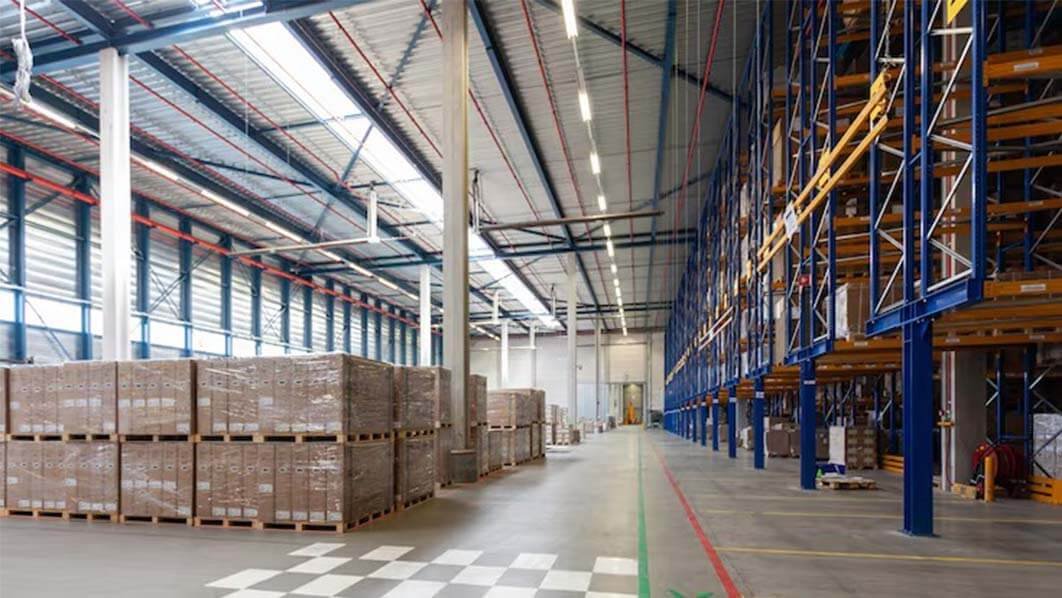
Typical costs associated with soil importation include:
- Permit Fees: Varies based on the type of soil and application.
- Inspection Fees: Required for processing your shipment.
- Shipping Charges: Based on weight and distance.
Being aware of these costs allows you to plan your import strategy and maintain financial control.
Conclusion
Importing soil into the U.S. requires careful planning and compliance with regulations. Understanding the key guidelines helps ensure a smooth process.
Understanding USDA and APHIS guidelines is crucial for compliance and avoiding penalties when importing soil into the U.S. ↩
An import permit is essential for legal soil importation, ensuring you meet all regulatory requirements. ↩
Submitting soil samples is necessary to prevent the introduction of harmful pests and diseases. ↩
Knowing the inspection process helps you prepare and avoid delays in soil importation. ↩
Understanding compliance risks helps you avoid legal issues and ensure smooth importation. ↩
Navigating customs clearance efficiently prevents delays and ensures timely delivery. ↩
Inspection certificates verify that the soil meets health and safety standards. ↩
Knowing permit fees allows you to plan financially for the import process. ↩
Understanding shipping charges helps you budget effectively for soil importation. ↩