
Importing scrap metal to the U.S. can be a complex process filled with regulations and compliance requirements. Understanding these essentials can save time, money, and headaches.
Scrap metal classification depends on metal type (steel, aluminum, copper, etc.), condition, and processing level. Accurate identification is critical because tariff codes affect duty treatment and regulatory review.

Navigating the world of scrap metal imports requires a clear understanding of each step's requirements. From classification to customs clearance, every detail matters to ensure compliance and avoid costly mistakes.
How Scrap Metal Is Classified Under U.S. Tariff Codes and Why Material Type Matters?
Scrap metal classification depends on metal type (steel, aluminum, copper, etc.), condition, and processing level. Accurate identification is critical because tariff codes affect duty treatment and regulatory review.

Scrap metal is classified using the Harmonized Tariff Schedule (HTS) codes1, which are essential for determining the applicable duties and regulations. The classification hinges on the type of metal and its condition, which significantly influences the duty rates and the entire import process. Here’s a brief look at how different types of scrap metal are classified:
| Metal Type | Condition | Key Classification Factor |
|---|---|---|
| Steel scrap | Shredded | Ferrous category |
| Aluminum scrap | Sorted | Non-ferrous category |
| Copper scrap | Clean vs mixed | Purity level |
Understanding these classifications helps to identify potential risks and ensure compliance with U.S. customs regulations.
Environmental, Safety, and Contamination Compliance Requirements for Scrap Imports?
Scrap shipments may be reviewed for contamination, hazardous residues, or safety concerns. Importers must ensure materials meet U.S. environmental and handling standards.

Ensuring compliance with environmental and safety standards2 is critical when importing scrap metal. The U.S. government has stringent regulations to prevent the entry of contaminated or hazardous materials. Importers must adhere to a comprehensive compliance checklist to mitigate these risks:
- Supplier material declaration
- Contamination review
- Safety data confirmation
- Proper cargo labeling
Inadequate compliance can result in shipment delays, increased scrutiny, and potential fines. Therefore, having a robust system in place to verify materials before shipment is essential.
Duties, Trade Remedies, and Landed Cost Risks for Imported Scrap Metal?
Duty exposure varies by metal type and trade policy. Importers should monitor tariff changes3 and potential additional duties.

Import duties can significantly impact the overall cost of scrap metal imports. The duty rates for scrap metal vary depending on the classification of the metal and current trade policies. For example, steel scrap may have different duty rates compared to aluminum or copper.
It’s crucial for importers to stay informed about shifting tariff policies that may affect their landed costs. A proactive approach to monitoring these changes can help avoid unexpected expenses and ensure pricing remains competitive.
Documentation and Customs Entry Requirements for Scrap Metal Shipments?
Scrap imports require standard commercial documents4 along with detailed material descriptions to support correct entry filing.
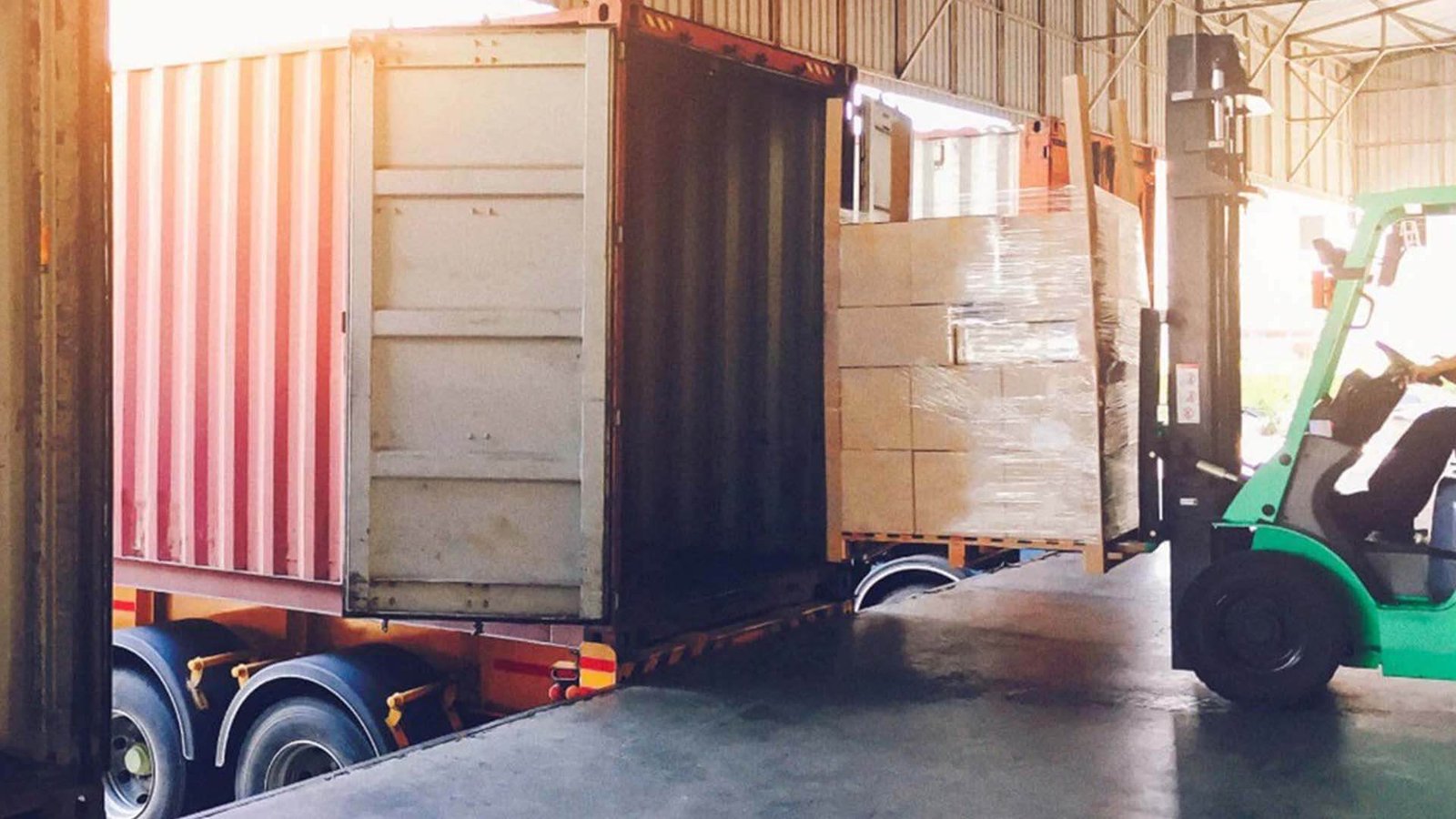
Proper documentation is key to successful scrap metal imports. Every shipment should include standard commercial documents4, such as invoices and packing lists, along with detailed material descriptions to facilitate accurate customs clearance.
Failure to provide the correct documentation can result in clearance delays and increased costs. Here’s a list of essential documents for scrap metal shipments:
- Bill of Lading
- Commercial Invoice
- Packing List
- Material Safety Data Sheets (MSDS)5
- Importer Security Filing (ISF)6
Having these documents prepared in advance can streamline the customs process and help avoid issues during inspection.
End-to-End Scrap Metal Import Workflow: Supplier Verification → Export Docs → Freight → U.S. Customs → Release → Processing?
A structured workflow connects supplier data, freight planning7, customs entry, and post-entry monitoring to reduce compliance and duty risks.

An efficient import workflow is vital for successful scrap metal transactions. The process begins with supplier verification8 and continues through to processing the material once it arrives in the U.S. Here’s a simple workflow diagram to illustrate the steps involved:
Supplier Verification → Material Inspection → Freight Booking → Entry Filing → CBP Review → Release → Processing
By following this structured approach, importers can minimize risks associated with compliance and duty obligations. Each step must be meticulously executed to ensure the import process is seamless and efficient.
Importer Risk Matrix9
| Risk Area | Likely Cause | Impact | Mitigation |
|---|---|---|---|
| Misclassification | Wrong metal ID | Duty error | Pre-entry review |
| Contamination | Improper sorting | Inspection delay | Supplier audit |
| Documentation | Vague description | Clearance delay | Broker review |
| Trade policy | Tariff changes | Cost increase | Tariff monitoring |
Conclusion
Understanding the requirements for importing scrap metal is essential for compliance and cost management. By following the outlined steps and guidelines, importers can streamline their processes and reduce risks.
HTS codes are essential for determining applicable duties and regulations, impacting the entire import process. ↩
Compliance with these standards is critical to prevent the entry of contaminated or hazardous materials into the U.S. ↩
Monitoring tariff changes is crucial to avoid unexpected expenses and ensure competitive pricing. ↩
Proper documentation, including invoices and packing lists, is key to successful customs clearance. ↩
MSDS provide essential safety information, facilitating accurate customs clearance and compliance. ↩
ISF is crucial for ensuring security and compliance in the import process, preventing delays and fines. ↩
Freight planning connects supplier data and customs entry, ensuring a seamless import process. ↩
Supplier verification is the first step in the import workflow, crucial for reducing compliance and duty risks. ↩
The Importer Risk Matrix helps identify and mitigate risks associated with misclassification, contamination, and documentation. ↩