Importing pet supplies into the U.S. can be a complex process. Understanding the regulatory landscape is crucial for a smooth entry into the market.
Importing pet supplies into the U.S. requires compliance with FDA and USDA regulations1, including specific rules for pet food, toys, and medical supplies. Failure to meet these standards can result in shipment delays or rejections.
Navigating through the maze of regulations, classifications, and documentation can be daunting. However, with the right information and support, it becomes manageable. Let’s dive into the essential aspects of importing pet supplies to the U.S.
What You Need to Know About Importing Pet Supplies and the Regulatory Requirements?
Importing pet supplies involves various regulations that ensure the safety and quality of the products entering the U.S. market. The FDA and USDA play significant roles in this landscape. Importers need to be aware of the specific rules governing pet food, toys, and medical supplies. Understanding these regulations helps prevent delays and ensures compliance.
Importing pet supplies into the U.S. requires compliance with FDA and USDA regulations1, including specific rules for pet food, toys, and medical supplies. Failure to meet these standards can result in shipment delays or rejections.
Getting a grasp of the regulatory requirements is only the first step. It's essential to classify your products correctly and ensure you have all necessary documentation in place.
How to Classify Pet Supplies for U.S. Customs and Duties?
Classifying pet supplies correctly is vital for compliance and proper duty payments. Each type of product has a specific HTS code2 assigned to it, and knowing which code applies will prevent issues at customs.
Pet supplies are classified under various HTS code2s depending on their nature (e.g., food, toys, grooming products). Correct classification ensures proper duty payments and compliance with U.S. import laws.
| Product Type | HTS Code Example | Duty Consideration |
|---|---|---|
| Pet food | 2309.90.0000 | Agricultural duty rate |
| Pet toys | 9503.00.00 | Consumer goods duty |
| Pet medicine | 3003.90.0000 | Pharma-specific duty |
Getting your HTS code2s right is crucial. Misclassification can lead to significantly higher duties or even shipment holds.
FDA and USDA Regulations on Importing Pet Food and Animal Products
The FDA regulates pet food to ensure it meets safety standards, while the USDA oversees meat-based products. Understanding these regulations is essential for compliance.
FDA regulates pet food for ingredients, labeling, and safety standards, while USDA oversees meat-based products. Importers must ensure compliance with both agencies to avoid issues at the border.
FDA/USDA Compliance Checklist
- FDA facility registration3
- Ingredient declaration
- HACCP (Hazard Analysis and Critical Control Points) plan
- Country-of-origin labeling4
- Import permit (if applicable)
Compliance with these standards is non-negotiable. Ensure you have the necessary documentation to avoid customs delays.
Documentation Requirements for Importing Pet Products: From Labeling to Compliance
Accurate documentation is the backbone of the import process. Missing or incorrect documents can lead to significant delays.
Accurate documentation is required for pet product imports, including the commercial invoice5, bill of lading, and FDA or USDA certifications. Incorrect or missing documents can delay customs clearance.
Every document plays a role in ensuring your goods are cleared swiftly. A well-organized collection of paperwork will make the customs process smoother.
Steps to Import Pet Supplies: Customs Entry, Broker Support, and Delivery Coordination
The actual process of importing pet supplies requires careful coordination. From filing a customs entry6 to managing delivery, each step is critical.
Importing pet supplies involves filing a customs entry6, coordinating with a broker for compliance, and managing delivery logistics. Timely coordination ensures goods clear customs quickly and are delivered without delay.
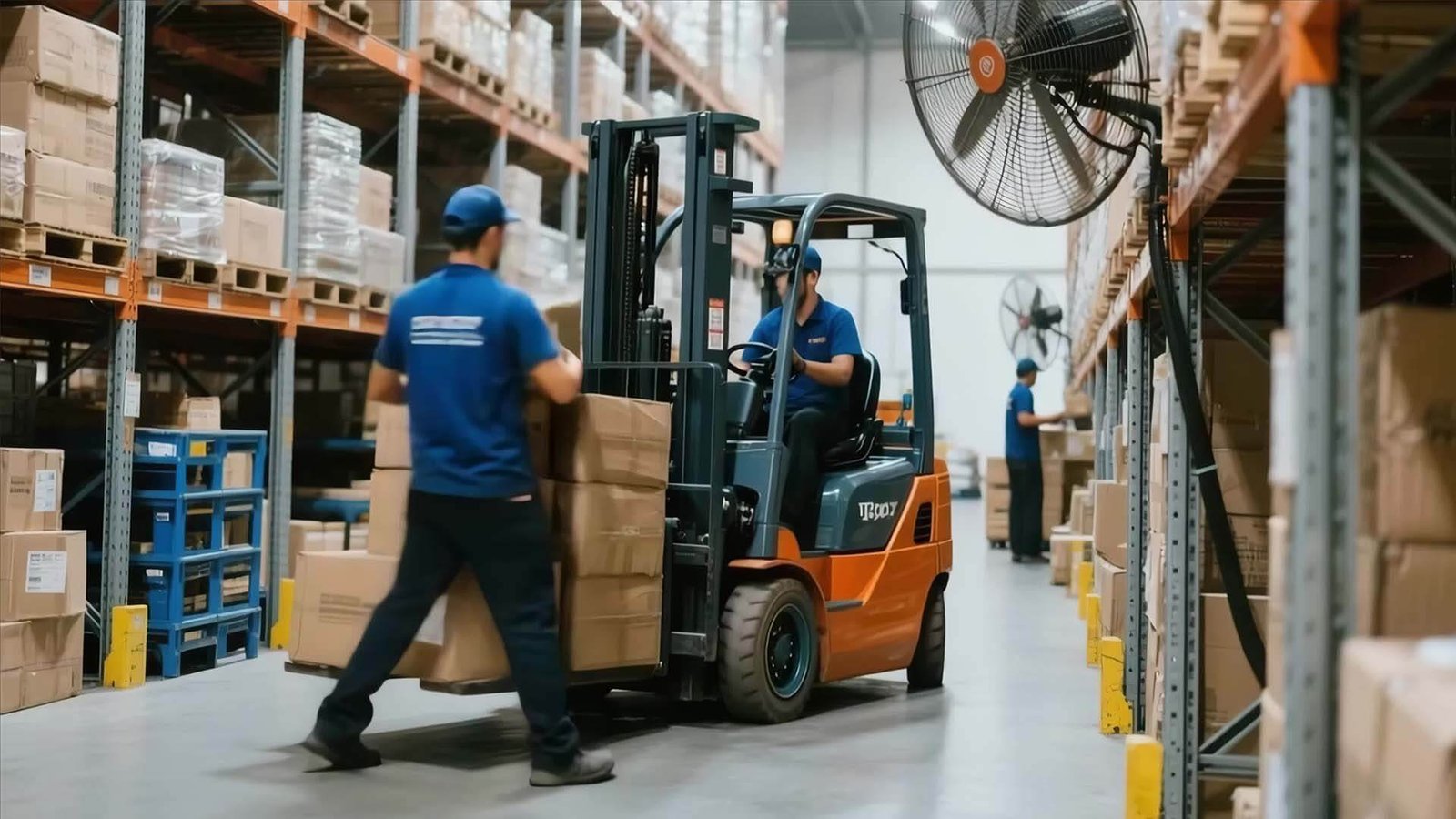
Working with a knowledgeable customs broker can simplify this process. Their expertise can help you navigate regulations and avoid costly mistakes.
Risk Factors and Compliance Challenges When Importing Pet Supplies to the U.S.
Importing pet supplies does come with its risks. Misclassification and incomplete documentation are common pitfalls.
Key risks include misclassification7, failure to meet FDA/USDA standards, and incomplete documentation. These can result in delays, fines, or product recalls. Proactive compliance management minimizes risks.
| Risk Area | Likely Cause | Impact | Mitigation |
|---|---|---|---|
| Misclassification | Incorrect HTS code2 or description | Duty error, delays | Pre-entry audit, broker review |
| FDA/USDA non-compliance8 | Missing certificates or labels | Shipment hold, fines | Full compliance check |
| Documentation gaps | Missing invoices, shipping docs | Customs rejection | Complete and accurate filing |
| Entry delays | Late filing or errors | Increased clearance time | Timely filing, extended entry |

Being aware of these risks and actively managing them can save you from headaches down the line.
Conclusion
Importing pet supplies to the U.S. requires careful attention to regulations, documentation, and classification. With the right approach, you can streamline the process and ensure compliance.
Understanding these regulations is crucial to avoid shipment delays and ensure compliance when importing pet supplies. ↩
Correct classification with HTS codes prevents issues at customs and ensures proper duty payments. ↩
Facility registration is a key compliance requirement to ensure safety standards are met for pet food imports. ↩
This labeling is crucial for compliance with import regulations and helps consumers make informed choices. ↩
A complete commercial invoice is vital for customs clearance and avoiding delays in the import process. ↩
Filing a customs entry correctly ensures that your goods clear customs quickly and efficiently. ↩
Misclassification can lead to higher duties and shipment holds, impacting your import process. ↩
Non-compliance can result in shipment holds, fines, or product recalls, affecting your business operations. ↩