
The world of importing marble and granite can be complex. Understanding the regulations and steps involved is crucial for U.S. importers.
Marble and granite are classified based on whether the stone is raw, cut, polished, or fabricated. Processing level affects tariff codes1 and duty treatment, making accurate product descriptions essential.
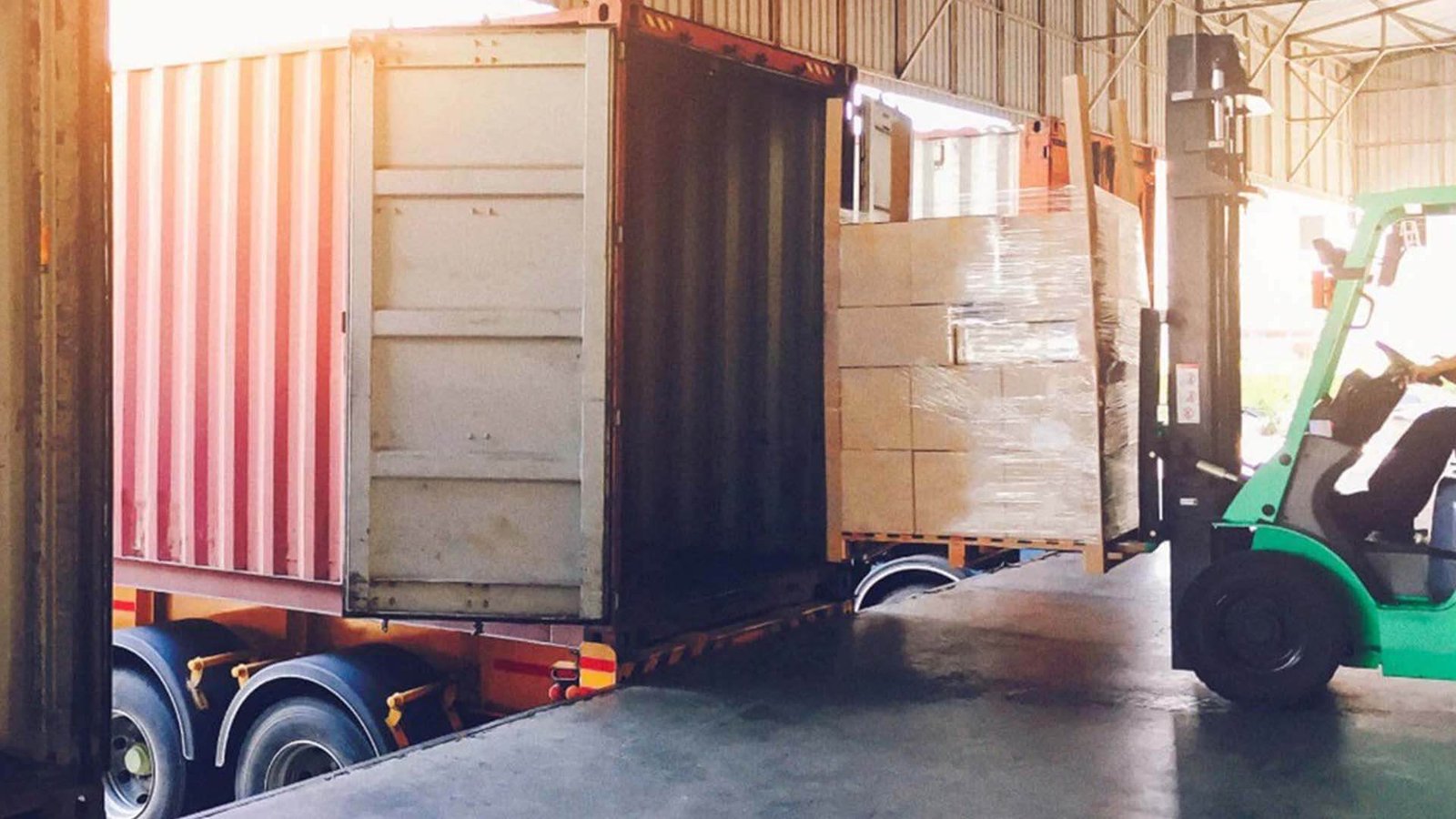
Navigating through the import process requires careful attention to detail. From understanding tariff classifications to preparing the right documentation, each step matters.
How Marble and Granite Are Classified Under U.S. Tariff Codes and Why Processing Level Matters?
Every type of stone has a different classification based on its processing level2. This classification affects tariffs and duties, making it crucial for importers to know what they are dealing with.
Marble and granite are classified based on whether the stone is raw, cut, polished, or fabricated. Processing level affects tariff codes1 and duty treatment, making accurate product descriptions essential.

Understanding tariff codes1 is essential for importers. The Harmonized Tariff Schedule (HTS)3 classifies stone products, which directly impacts duties. The processing level2, from raw blocks to finished pieces, determines the tariff category.
Marble vs. Granite HTS Comparison Table
| Stone Type | Processing Stage | Duty Consideration |
|---|---|---|
| Marble | Raw blocks | Lower processing category |
| Marble | Polished slabs | Finished stone rate |
| Granite | Cut slabs | Dimensional stone category |
| Granite | Fabricated pieces | Manufactured stone category |
Understanding these classifications ensures you apply the correct tariffs, avoiding costly mistakes.
Duties, Additional Tariffs4, and Landed Cost Factors for Natural Stone Imports
When importing marble and granite, it's critical to consider all costs involved. This includes not just base duties but additional tariffs and other fees.
Landed cost5 includes base duties, possible additional tariffs, freight, insurance, and port handling fees. Monitoring classification and tariff exposure helps prevent unexpected cost increases.

Calculating landed costs can be complex. You need to add up all expenses to understand the total import cost. Being aware of potential additional tariffs is equally important as they can significantly affect your bottom line.
Landed Cost Breakdown
- Base Duties6: Determined by HTS classification.
- Additional Tariffs4: Potential supplementary charges based on trade policies.
- Freight Costs: Charges related to shipping the stone.
- Insurance: Protects against loss or damage during transit.
- Port Handling Fees: Costs incurred at the port of entry.
Being proactive about these costs helps mitigate financial surprises.
Documentation and Customs Entry Requirements for Marble and Granite Shipments
Proper documentation is a key factor in the import process. It ensures efficient customs clearance and compliance with U.S. regulations.
Stone imports require standard commercial documents plus detailed descriptions of stone type, dimensions, and finish. Accurate paperwork supports proper entry filing and smoother clearance.

The documentation needed includes:
- Bill of Lading7: Details shipment and transportation terms.
- Commercial Invoice8: Lists items, values, and terms of sale.
- Packing List: Provides specific details of the cargo.
- Certificates of Origin9: Verifies the origin of the stone.
Accuracy in documentation minimizes the chances of delays during customs clearance.
Packaging, Handling, and Damage Prevention for Heavy Stone Cargo
Heavy stone shipments demand careful packaging and handling. The risks of damage are high, so taking precautions is essential.
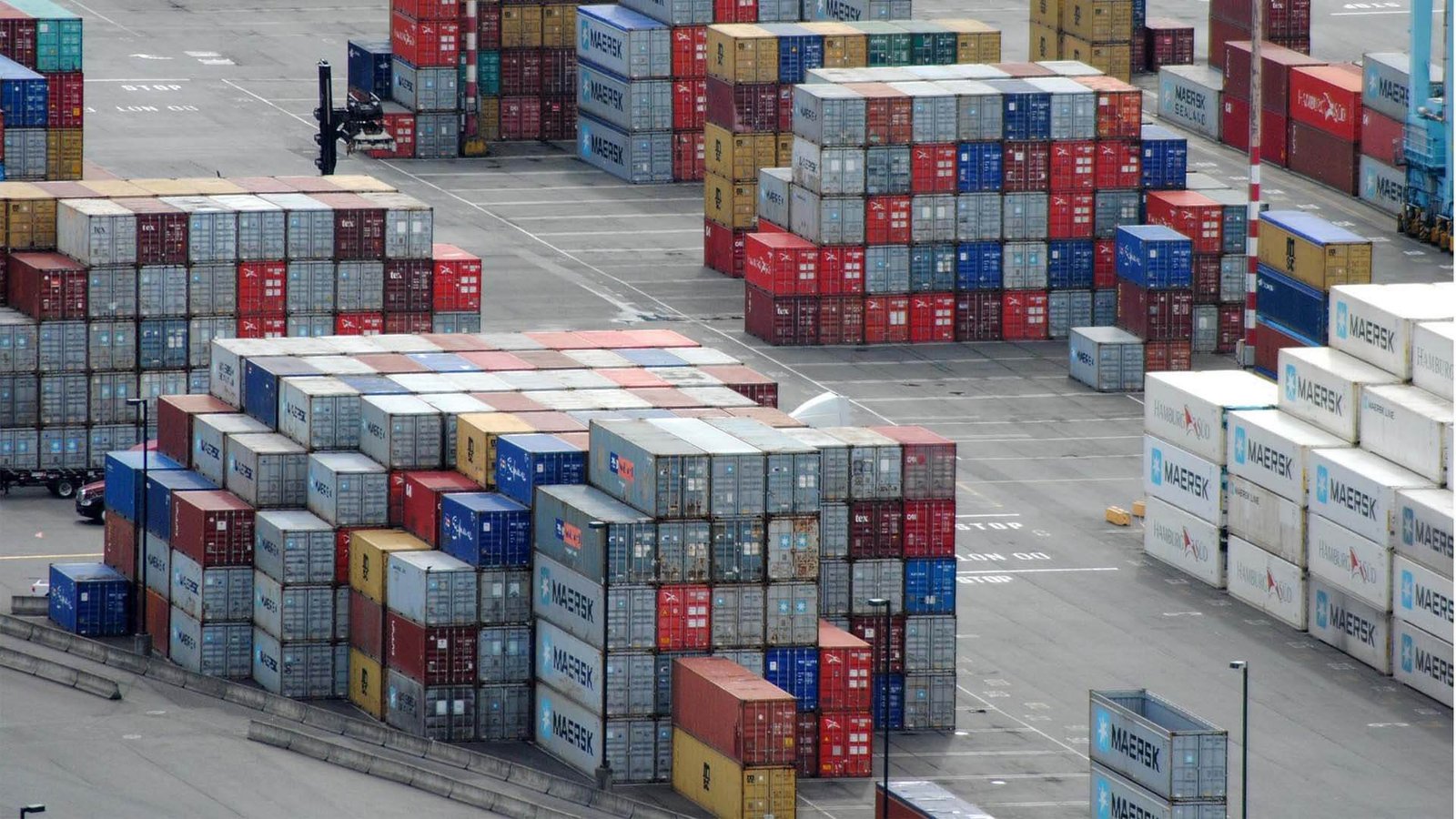
Stone shipments face breakage risks due to weight and fragility. Proper crating, palletization, and load securing reduce damage exposure.
Stone Shipment Packing Checklist
- Reinforced wooden crates10: Essential for support.
- Edge protection: Prevents corners from damage.
- Load securing inside container: Keeps items stable during transport.
- Weight distribution review: Ensures balance during transport.
These practices reduce the risk of damage and ensure that the cargo arrives in good condition.
Common Compliance and Clearance Risks in Stone Imports
Importing stone comes with various challenges. Understanding these risks can help you prepare effectively.
Risks include misclassification, vague descriptions, and incomplete documents, which can lead to delays, exams, or duty reassessment.

Awareness of compliance risks helps in managing potential issues during import:
Importer Risk Matrix
| Risk Area | Likely Cause | Impact | Mitigation |
|---|---|---|---|
| Classification11 | Wrong processing stage | Duty error | Pre-entry review |
| Damage | Poor packaging | Financial loss | Packing audit12 |
| Documentation | Missing details | Clearance delay | Broker check |
| Duties | Misapplied rate | Cost spike | Tariff review |
Taking these risks into account allows importers to develop strategies that prevent costly delays and complications.
End-to-End Stone Import Workflow: Quarry/Supplier → Export Docs → Ocean Freight → U.S. Port → Customs Clearance → Final Delivery
An efficient workflow is key to a successful import process. Each step must connect seamlessly to ensure smooth operations.
A structured workflow connects supplier documentation, freight planning, customs entry, and post-entry compliance to manage heavy cargo risks.

Workflow Diagram (Text Flow)
- Supplier Processing: Ensure the quarry or supplier prepares the stone correctly.
- Packing Prep: Follow packing checklist for damage prevention.
- Freight Booking: Arrange ocean freight with a reliable provider.
- Entry Filing: File customs entry with accurate documentation.
- CBP Review13: U.S. Customs and Border Protection reviews the entry.
- Release: Cargo is released for final delivery.
- Delivery: Ensure timely delivery to the specified location.
Streamlining these steps is essential for effective import management.
Conclusion
Importing marble and granite requires careful navigation of regulations, documentation, and risk management.
Understanding tariff codes is crucial for importers to ensure compliance and avoid costly mistakes in duties and tariffs. ↩
Knowing how processing levels impact duties helps importers classify their products correctly and manage costs effectively. ↩
The HTS is essential for determining duties on stone imports, and understanding it can prevent unexpected cost increases. ↩
Being aware of potential additional tariffs is crucial as they can significantly affect the overall import cost. ↩
Calculating landed cost accurately ensures importers account for all expenses, preventing financial surprises. ↩
Base duties are a fundamental part of import costs, and understanding them helps in accurate cost estimation. ↩
A Bill of Lading is vital for detailing shipment terms, ensuring smooth transportation and customs clearance. ↩
A commercial invoice lists items and values, supporting proper entry filing and customs compliance. ↩
Certificates of Origin verify the stone's origin, which is crucial for compliance with trade regulations. ↩
Using reinforced wooden crates is essential for protecting heavy stone cargo from breakage during transport. ↩
Misclassification can lead to duty errors and financial losses, making accurate classification vital. ↩
Conducting a packing audit ensures that packaging is adequate, reducing the risk of damage during transit. ↩
CBP Review is a critical step in ensuring that all documentation and compliance requirements are met for smooth cargo release. ↩