Importing electric scooters to the U.S. can be complex and fraught with challenges. Understanding the legal and regulatory requirements is crucial for a smooth process.
Electric scooters are typically classified under HTS provisions1 for motorized cycles or personal transport devices, depending on speed, power, and design. Classification determines duty rates and whether additional transportation or vehicle-related regulations apply. Misclassification can cause delays, re-assessments, or regulatory holds during customs review.

To navigate the import process effectively, it's important to comprehend the various classifications, regulations, and shipping requirements. Let's dive into the details to help simplify your journey.
How U.S. Customs Classifies Electric Scooters: HTS Codes, Duty Rates, and Whether They Are Treated as Consumer Goods or Vehicles?
Electric scooters fall into specific categories depending on various criteria. Understanding these classifications can save you time and money.
Electric scooters are typically classified under HTS provisions1 for motorized cycles or personal transport devices, depending on speed, power, and design. Classification determines duty rates and whether additional transportation or vehicle-related regulations apply. Misclassification can cause delays, re-assessments, or regulatory holds during customs review.

When importing, you should be aware of the likely HTS categories for electric scooters and their associated duty considerations. Below is a helpful table:
| Product Type | Likely HTS Category | Duty Consideration | Risk Area |
|---|---|---|---|
| Electric scooter (stand-up) | Motorized cycle / transport device | Varies | Classification disputes |
| Parts & accessories | Component provisions | Varies | Mixed shipment errors |
Understanding these classifications can prevent delays during customs clearance. Always consult a customs broker to ensure proper classification and duty assessment.
Regulatory Requirements Importers Must Meet: CPSC2, UL Certification3, DOT/NHTSA Rules4, and Product Safety Standards
Regulatory compliance is vital for safe and successful imports.
Electric scooters may fall under consumer product safety rules, electrical safety standards, and in some cases transportation-related regulations. Importers must ensure products meet U.S. safety, testing, and labeling requirements before shipment. Missing documentation can result in detention, refusal, or corrective action by regulatory agencies.

Importers should familiarize themselves with the regulatory requirements and maintain a checklist:
| Requirement | Applies To | Risk If Missing |
|---|---|---|
| Product safety testing | Consumer scooters | Shipment hold |
| Electrical certification | Chargers & batteries | Refusal of entry |
| Labeling & manuals | Retail products | Compliance delay |
Ensuring compliance with these regulations can prevent potential issues with U.S. Customs and other regulatory agencies.
Lithium Battery Shipping Rules: UN38.3 Testing5, MSDS6, Dangerous Goods Declarations, and Carrier Restrictions
Lithium batteries are classified as dangerous goods, making their shipping rules a critical aspect of the import process.
Lithium-ion batteries inside scooters are regulated as dangerous goods. UN38.3 test reports, safety data sheets, and proper dangerous goods declarations are required. Airlines and carriers may restrict or refuse cargo if battery documentation7 or packaging standards are not met.

Understanding the requirements for lithium battery shipping is essential. Here’s a breakdown:
| Requirement | Purpose | Impact if Missing |
|---|---|---|
| UN38.3 test | Transport safety | Carrier rejection |
| MSDS6 | Hazard information | DG refusal |
| DG declaration8 | Legal compliance | Shipment delay |
Failing to meet these requirements could lead to significant delays or even refusal of your shipment.
Labeling, Documentation, and Compliance Files U.S. Importers Must Prepare Before Shipment
Accurate documentation can mitigate risks during customs clearance.
Importers must maintain technical files9, compliance certifications10, commercial invoices11, packing lists12, and battery documentation7 before shipping. Accurate documentation supports customs classification and regulatory review, reducing the chance of inspections or shipment holds.
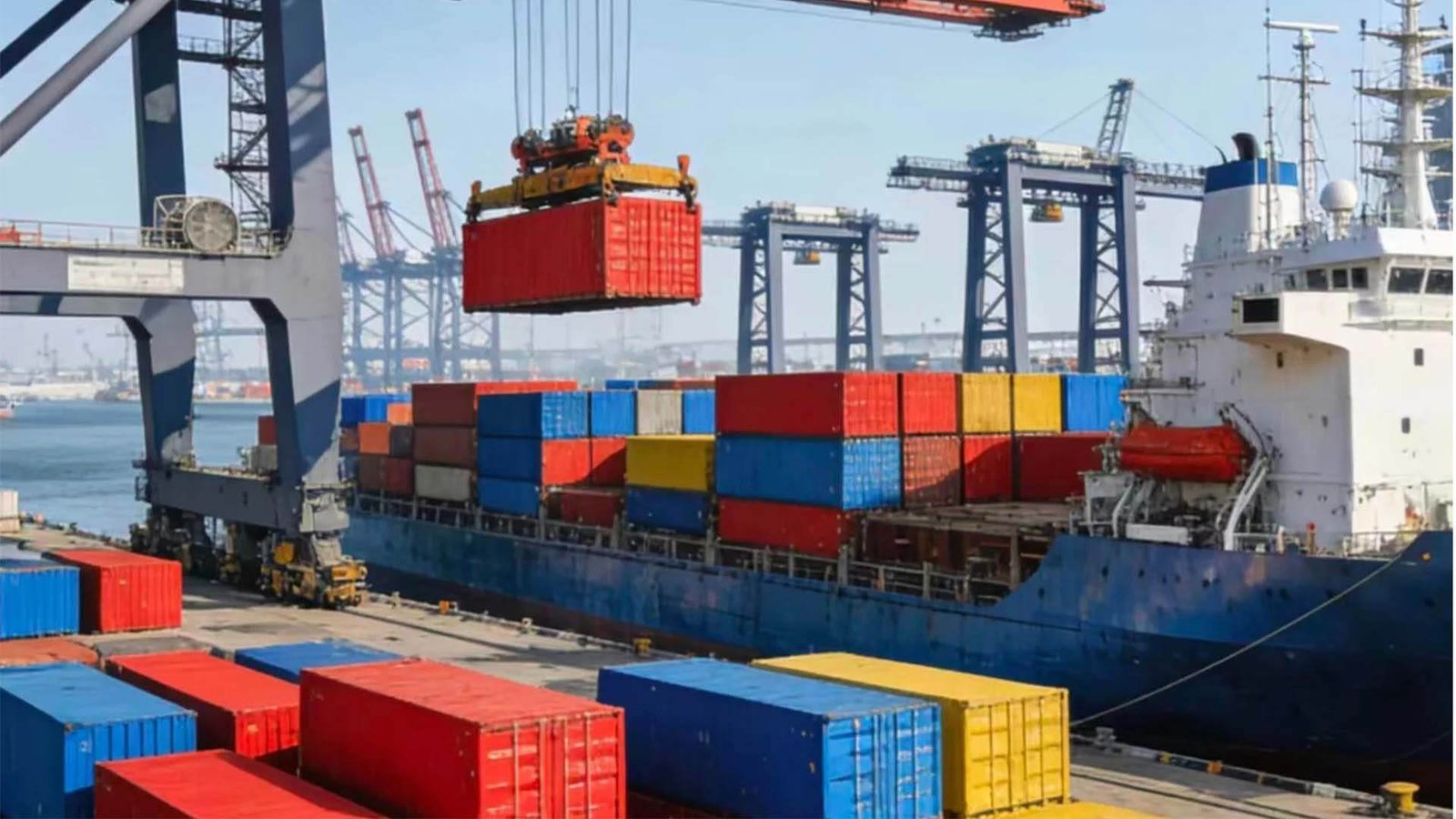
To ensure a smooth import process, here’s a comprehensive list of essential documents:
| Document Type | Purpose |
|---|---|
| Technical files | Compliance verification |
| Compliance certifications | Proof of conformity |
| Commercial invoices | Accurate valuation |
| Packing lists | Itemized cargo details |
| Battery documentation | Safety and compliance records |
Keeping these documents organized can streamline the customs process and help avoid complications.
Shipping Electric Scooters from Asia to the U.S.: Ocean vs Air Freight13, Hazmat Handling, and Damage Prevention
Choosing the right shipping method is vital for timely delivery and compliance.
Due to battery regulations, many shipments move via ocean freight under dangerous goods rules. Air freight is faster but has stricter battery limits and higher rejection risk. Proper packaging, moisture control, and impact protection are essential to prevent damage and returns.

Here’s a comparison of shipping methods:
| Mode | Best For | Risk | Transit |
|---|---|---|---|
| Ocean Freight14 | Bulk shipments | Moisture, longer transit | Slower |
| Air Freight13 | Urgent orders | Battery restrictions | Faster |
Selecting the appropriate shipping method requires balancing speed with regulatory compliance and cost.
Step-by-Step Import Workflow: Supplier Compliance → Export Docs → Dangerous Goods Booking → U.S. Customs Clearance → Final Delivery
Implementing a structured workflow15 is key to successful importing.
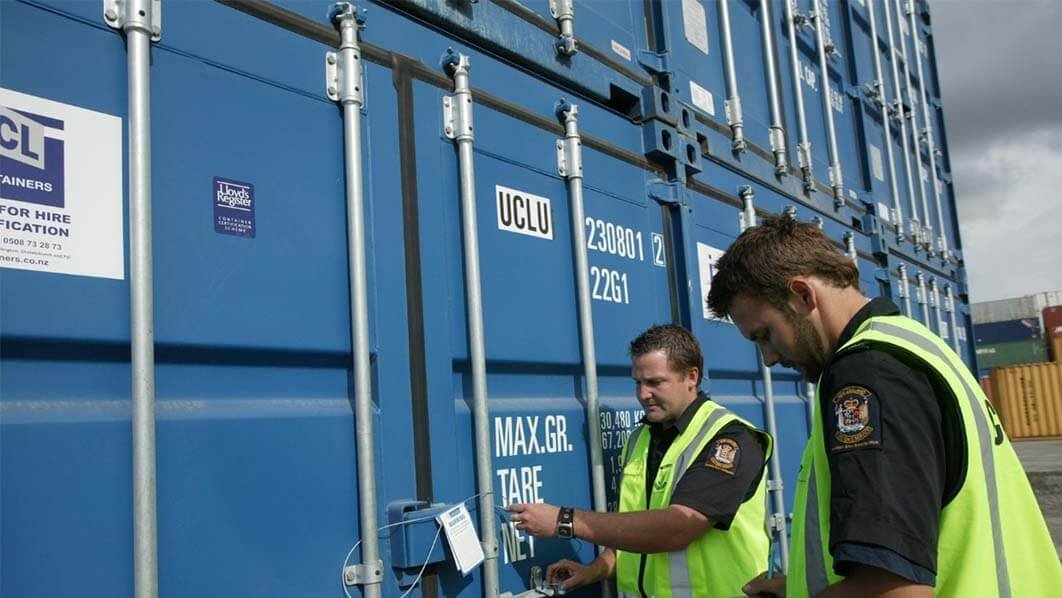
A structured workflow15 ensures compliance is confirmed before booking, dangerous goods rules are followed, and customs documentation is correct. Coordinated broker and forwarder support reduces delays caused by battery documentation7, safety compliance, or classification issues.
Here’s a simplified workflow diagram for your reference:
- Supplier Testing
- Compliance File Review
- DG Packaging
- Freight Booking
- International Transit
- U.S. Arrival
- Customs Entry
- Compliance Check
- Release
- Delivery
Following this workflow can help streamline the import process and reduce risks.
Conclusion
By understanding and following the steps outlined above, you can successfully import electric scooters into the U.S. while minimizing potential risks.
Understanding HTS provisions is crucial for determining duty rates and regulatory requirements, ensuring smooth customs clearance. ↩
Compliance with CPSC standards ensures product safety and prevents shipment holds or refusals. ↩
UL Certification guarantees electrical safety, reducing the risk of entry refusal and compliance issues. ↩
Understanding DOT/NHTSA rules helps ensure transportation safety and regulatory compliance. ↩
UN38.3 Testing is essential for transport safety, preventing carrier rejection and shipment delays. ↩
MSDS provides hazard information, crucial for legal compliance and avoiding dangerous goods refusal. ↩
Battery documentation ensures safety and compliance, reducing the risk of shipment delays and refusals. ↩
A DG declaration ensures legal compliance, reducing the risk of shipment delays and refusals. ↩
Technical files verify compliance, supporting customs classification and reducing inspection risks. ↩
Compliance certifications prove conformity, essential for smooth customs clearance and regulatory review. ↩
Commercial invoices provide accurate valuation, supporting customs classification and reducing inspection risks. ↩
Packing lists offer itemized cargo details, aiding in customs review and preventing shipment holds. ↩
Air freight is faster but has stricter battery limits, increasing the risk of rejection and compliance issues. ↩
Ocean freight is ideal for bulk shipments, offering cost-effective transport under dangerous goods rules. ↩
A structured workflow ensures compliance and reduces delays, streamlining the import process. ↩