Finding a trustworthy freight forwarder1 in China can be overwhelming. With the rise in scams, it’s crucial to know how to verify their legitimacy.
To verify a freight forwarder1’s legitimacy in China, check their licensing, ask for their business registration number2, review their online presence3, and read reviews on credible platforms. Additionally, confirm they are a member of international freight organizations4 like the WCA or FIATA.

When dealing with international shipping, seeking a legitimate freight forwarder1 is essential. The wrong choice can lead to lost cargo, unexpected fees, and major headaches. I’ve seen it firsthand, and it’s a situation you want to avoid at all costs.
How to Verify a Freight Forwarder’s Legitimacy in China?
Finding a reliable freight forwarder1 in China is vital for your business. You need to ensure they are legitimate to avoid costly mistakes.
To verify a freight forwarder1’s legitimacy, check their licensing, business registration number2, online presence3, and read reviews on credible platforms. Confirm they are members of international freight organizations4 like the WCA or FIATA.

Start by requesting their business registration number2. In China, all legitimate companies must have one. Verify this number through official channels. Check if they are listed on important freight organizations. Being part of the WCA or FIATA is a good sign they follow industry standards.
Next, research their online presence3. A professional website and active social media profiles can indicate they are serious about their business. Look for customer reviews5 on reputable platforms. Positive feedback suggests they have a good track record.
Top Red Flags to Watch for When Choosing a China Freight Forwarder?
Choosing a freight forwarder1 can be risky if you aren’t careful. Look for these red flags6.
Key red flags6 include a lack of a valid physical address, unresponsive communication, unclear service terms, and unusually low pricing. Always perform background checks and ensure the forwarder has a good track record with clients.
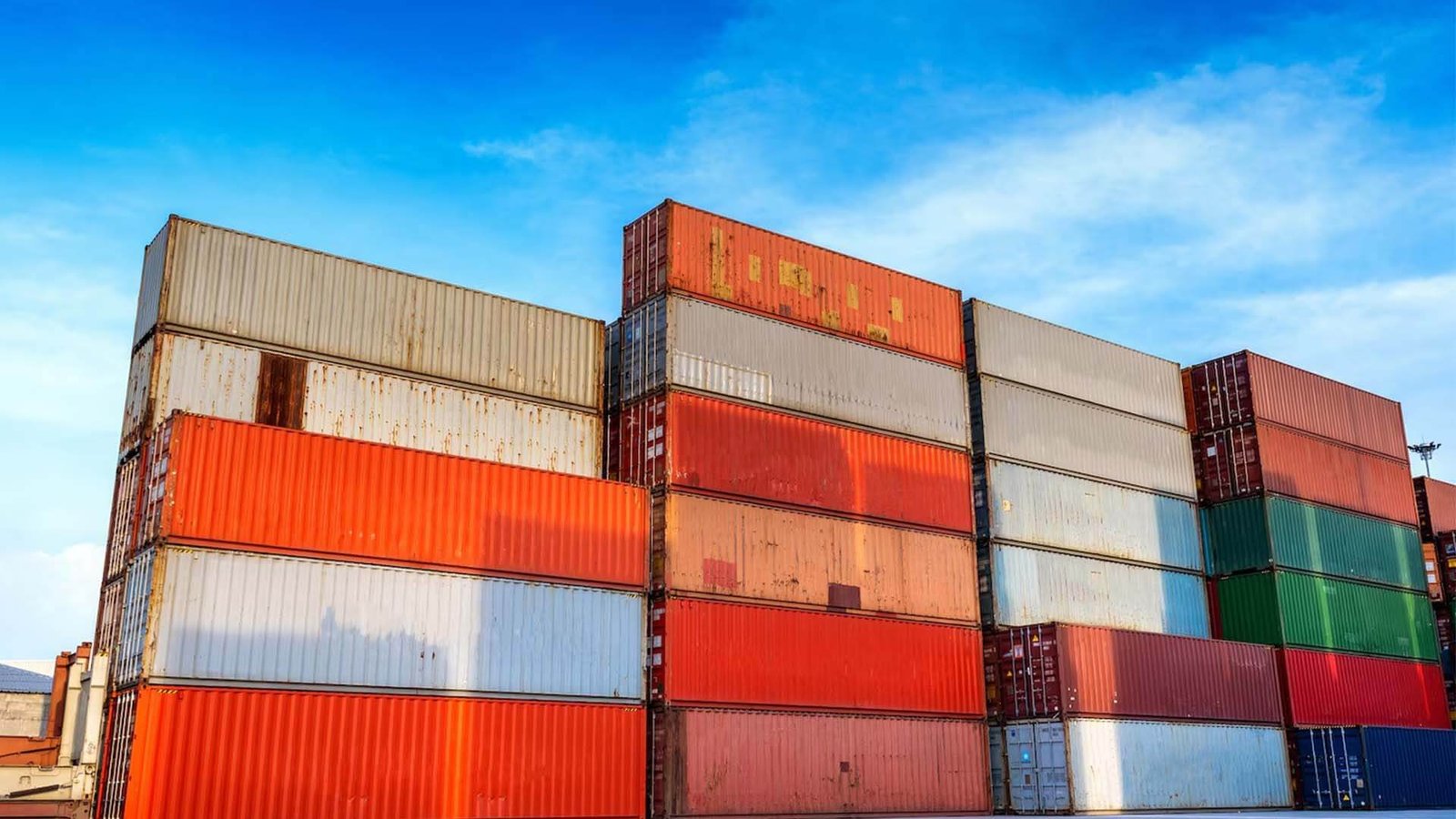
If a freight forwarder1 cannot provide a physical address, that’s a huge red flag. Legitimate businesses should have a verifiable location. Unresponsive communication is another warning sign. If they don’t reply promptly, they might be hiding something.
Be cautious of unclear service terms. A reputable forwarder should be transparent about their services and fees. Finally, if pricing seems too good to be true, it often is. Conduct background checks and ensure they have positive client feedback.
How to Identify Fake Freight Forwarders and Avoid Scams in China?
Scams in freight forwarding are more common than you think. Knowing how to spot fake forwarders can save you a lot of trouble.
Fake freight forwarder1s often use vague contracts7, fake references, and unreliable tracking systems8. Look for authentic business licenses, verified customer testimonials, and a consistent track record in handling international logistics.
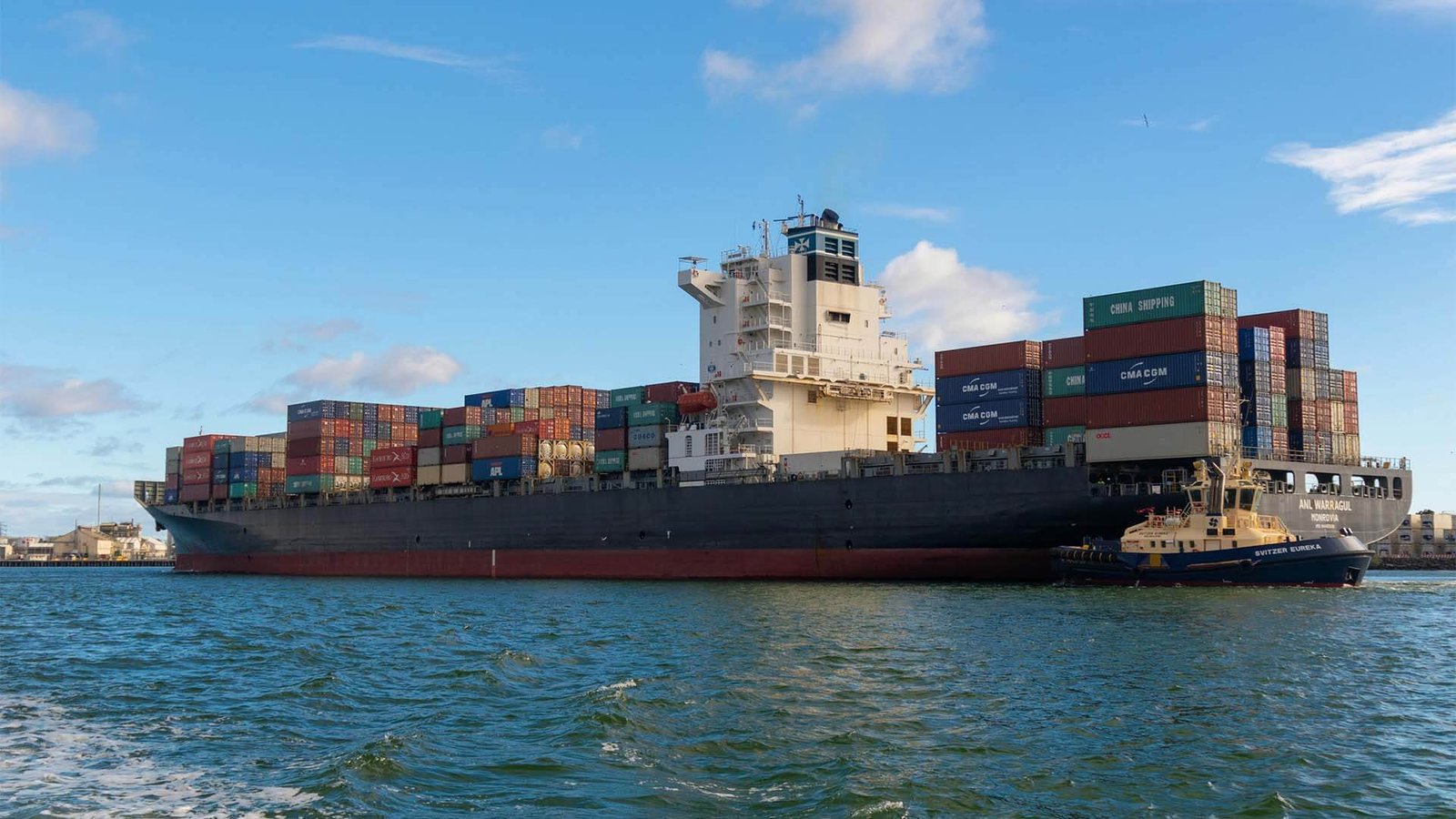
Watch for contracts that lack clarity. Scammers often use vague language, which can lead to misunderstandings. Request references and verify them. Legitimate forwarders will have real testimonials from satisfied clients.
Lastly, check their tracking systems8. Reliable forwarders will provide accurate tracking information for your shipment. If their system is unreliable, it’s best to look elsewhere.
Essential Questions to Ask Before Partnering with a Chinese Freight Forwarder?
Asking the right questions can ensure you partner with a trustworthy freight forwarder1.
Ask about their experience with customs brokerage9, partnerships with shipping lines, how they handle delays, and their service network. Additionally, inquire about their liability coverage10 and customer support practices.
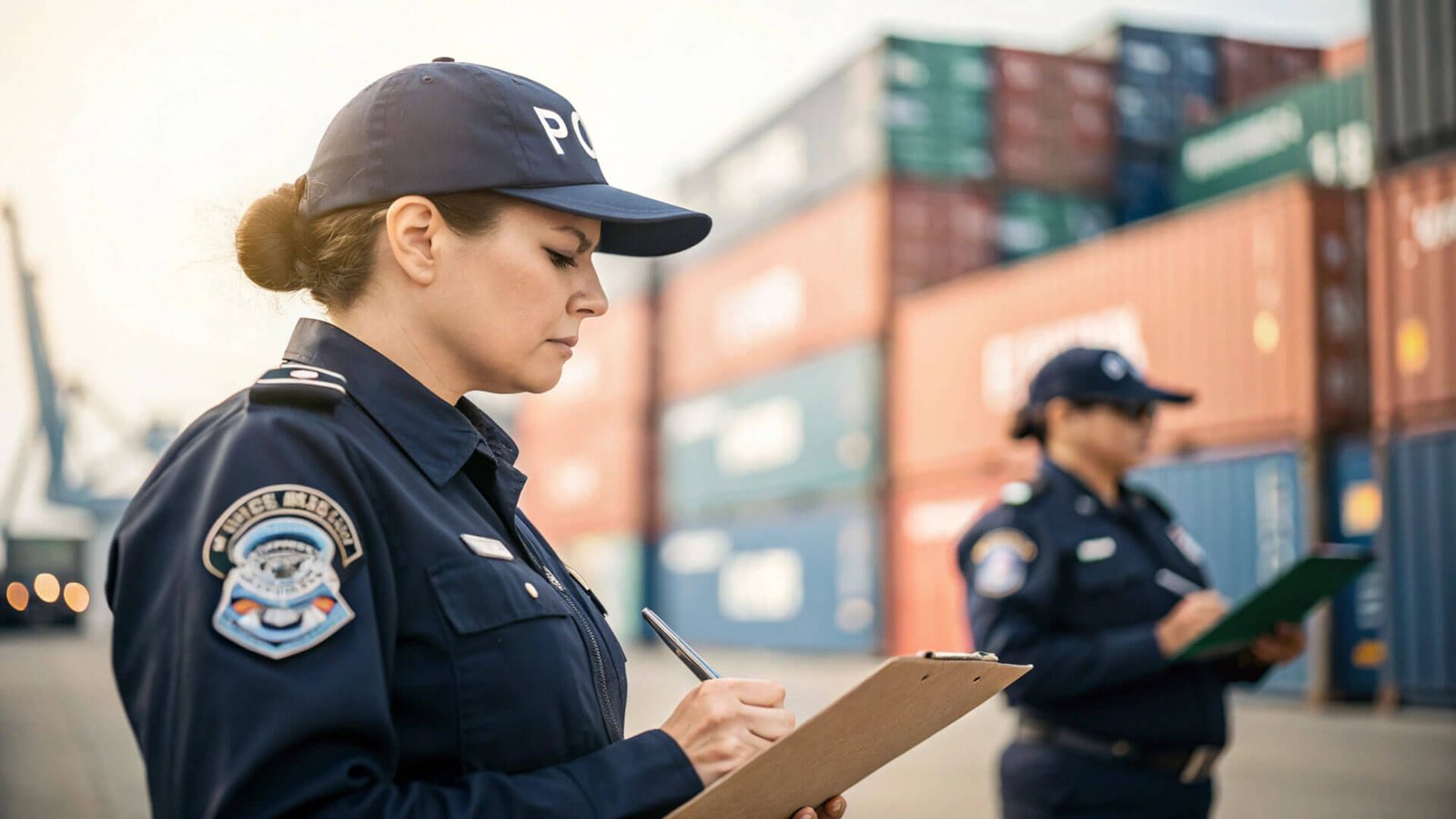
Inquire about their customs brokerage9 experience. This expertise is crucial for smooth shipping. Ask them about their partnerships with shipping lines. Established relationships can lead to better rates and service.
Find out how they handle delays. Every shipment can encounter issues, and a good forwarder will have a plan in place. Clarify their liability coverage10. Understand what happens if something goes wrong. Finally, ask about their customer support practices. You want to ensure they are available if you need assistance.
The Importance of FCR Certificates in Verifying Freight Forwarders in China?
FCR certificates11 are essential when working with freight forwarder1s in China.
FCR (Freight Cargo Receipt) certificates are vital for ensuring a forwarder has legally accepted your cargo. Always ask for this document as proof that they are responsible for the safe transit of your goods.
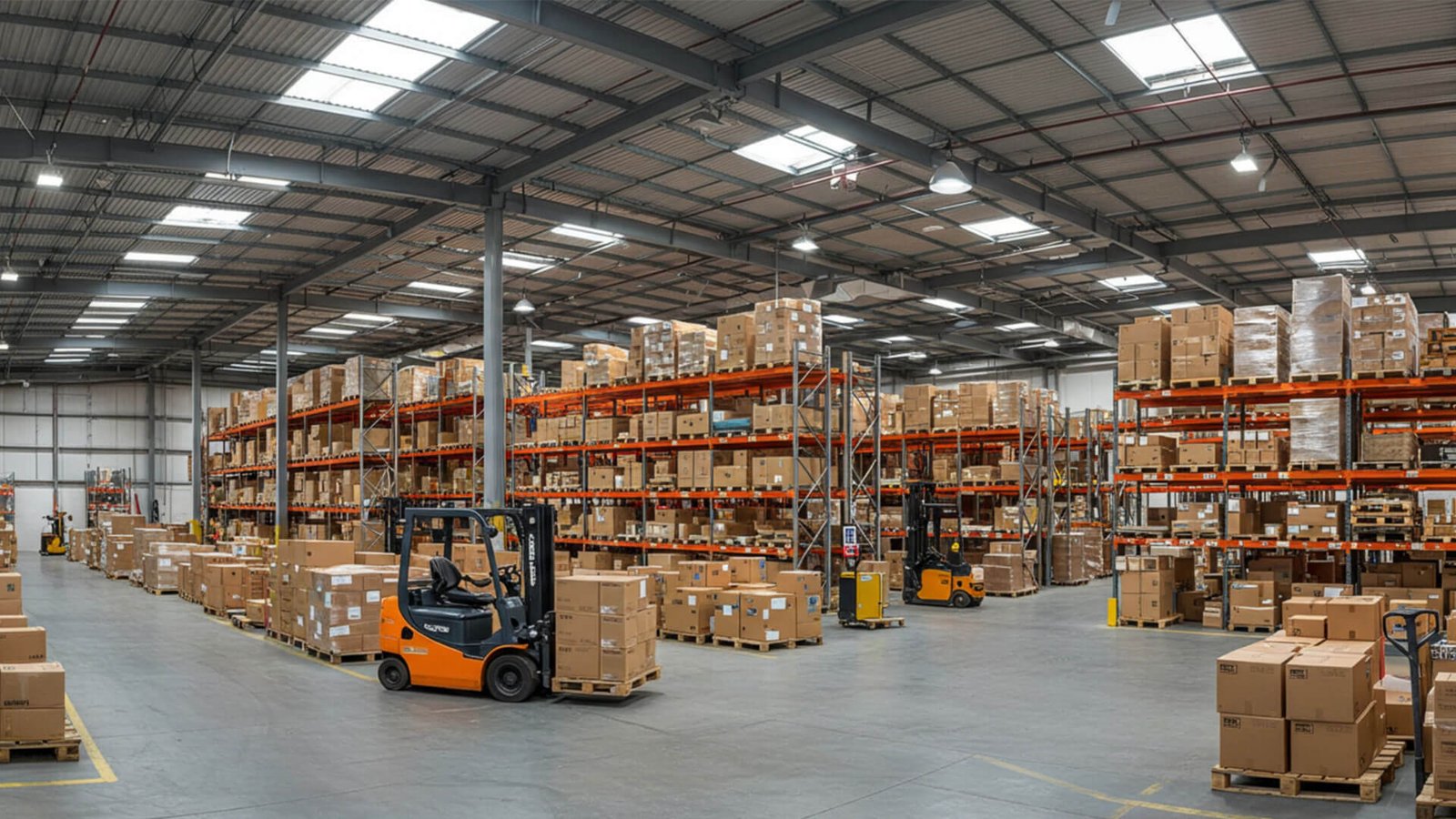
The FCR certificate serves as proof that your freight forwarder1 has accepted responsibility for your cargo. It is crucial to ensure your goods will be handled properly during transit. Always ask for this document and verify its authenticity.
Without this certificate, you may face challenges in case of disputes or lost cargo. Therefore, ensure your forwarder understands the importance of providing an FCR certificate.
How to Use Online Resources and Databases to Verify Freight Forwarders in China?
Using the right online resources can make the verification process simpler.
Utilize platforms like the Chinese government’s business registry, logistics forums12, and professional associations like the WCA or FIATA to confirm a forwarder's legitimacy. Online reviews and peer recommendations are also essential in making an informed decision.
Check the Chinese government’s business registry for official information. This database can provide details about a company's legitimacy. Participate in logistic forums to gain insights from industry professionals.
Professional associations, such as WCA and FIATA, can also be valuable resources. They often provide information about their members and can help confirm legitimacy. Finally, online reviews and peer recommendations can guide your decision-making.
Conclusion
In conclusion, verifying a freight forwarder1's legitimacy in China requires careful research and awareness of potential red flags6.
Understanding the role of freight forwarders can help you choose the right partner for your shipping needs. ↩
Verifying a business registration number is crucial to ensure the legitimacy of a freight forwarder. ↩
A strong online presence can reflect a freight forwarder's professionalism and reliability. ↩
Membership in organizations like WCA or FIATA indicates adherence to industry standards and reliability. ↩
Reading customer reviews on reputable platforms can provide insights into a forwarder's track record. ↩
Identifying red flags can help you avoid scams and choose a trustworthy freight forwarder. ↩
Understanding contract clarity is essential to avoid misunderstandings and potential scams. ↩
Reliable tracking systems are crucial for monitoring your shipment's status and ensuring accountability. ↩
Knowledge of customs brokerage can help ensure smooth shipping and compliance with regulations. ↩
Understanding liability coverage helps you know what protections are in place for your cargo. ↩
FCR certificates are vital for ensuring your cargo is handled responsibly during transit. ↩
Participating in logistics forums can provide valuable insights and recommendations from industry professionals. ↩