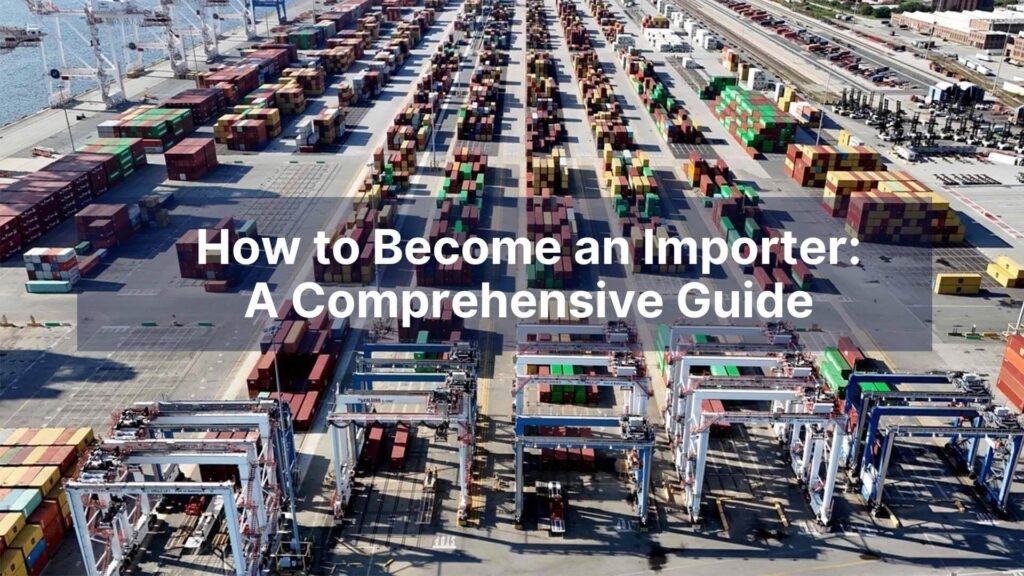
The world of importing can seem complex. But understanding how to navigate it can open up incredible opportunities for your business.
An importer is the legally responsible party for goods entering the United States. This includes ensuring accurate product classification, proper documentation, duty payment, and compliance with regulations enforced by U.S. Customs and Border Protection1 and other government agencies. Importers bear liability for errors, penalties, or regulatory violations.
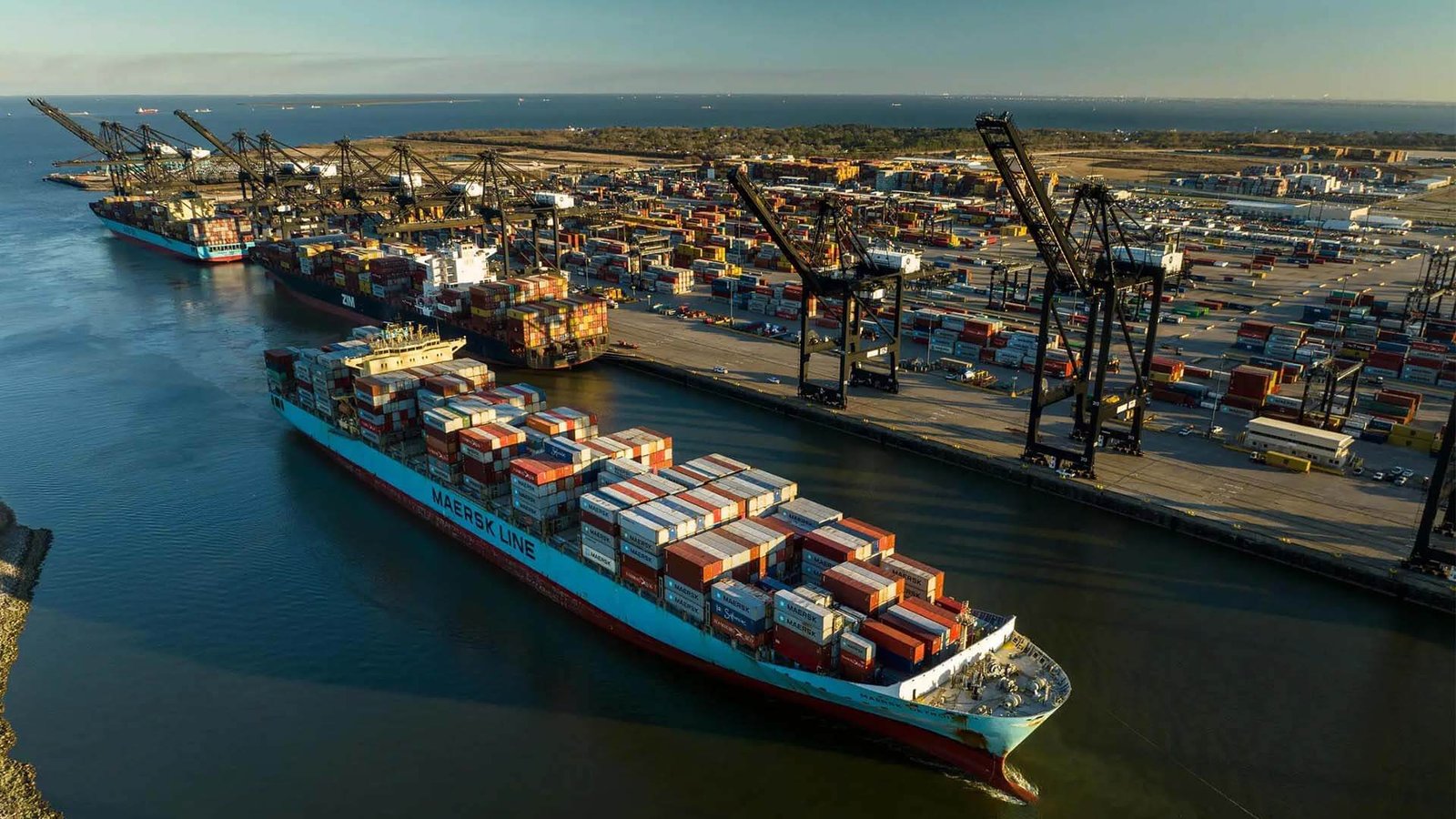
Being an importer means you take on significant responsibilities. You must ensure that every product entering the U.S. complies with legal standards. This includes accurately classifying goods, preparing documents, and paying the necessary duties. The consequences of failing to meet these obligations can include fines, delayed shipments, and even legal action. The need for compliance is crucial. It protects your business and ensures the smooth operation of the entire importing process.
What Does It Mean to Be an Importer and What Responsibilities Do You Take On?
Being an importer involves various responsibilities that are not just administrative but also legal. When I first started, I realized that the role of an importer extends beyond simply purchasing products from overseas. You become the Importer of Record (IOR)2, meaning you are legally accountable for ensuring that your goods comply with U.S. laws and regulations.
Your legal liability includes any issues that arise from misclassification, incorrect paperwork, or non-compliance with regulations. This is why understanding import compliance3 is critical. Failure to comply can result in costly penalties and damage to your business reputation.
To maintain compliance, you must stay up-to-date with the regulations set forth by U.S. Customs and Border Protection1. I often remind new importers that a proactive approach to compliance can save a lot of headaches down the road.
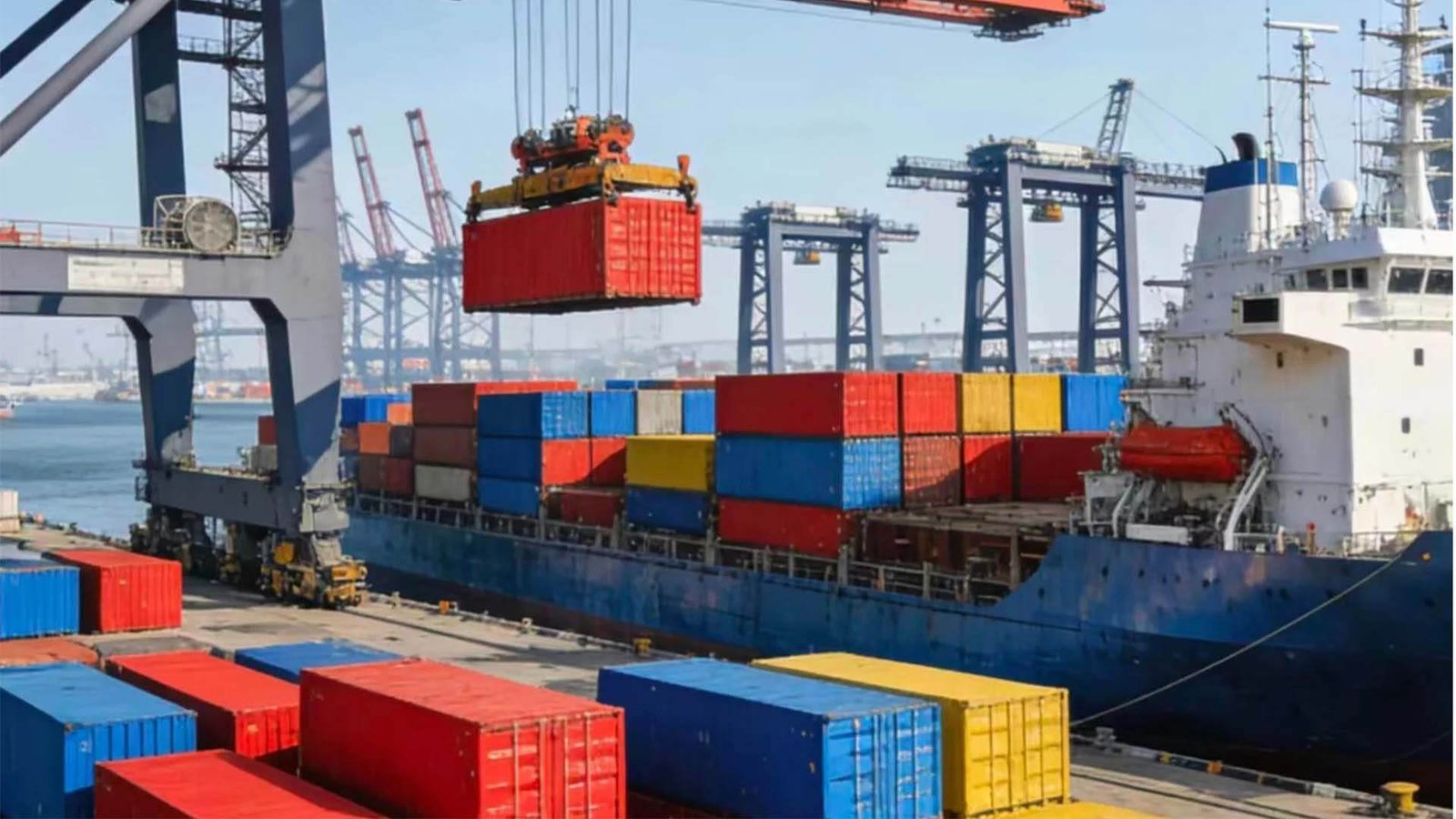
Business Setup, Tax ID, and Customs Registration Steps to Start Importing in the U.S.
To start importing, new importers must follow specific steps, including establishing a legal business entity, obtaining a tax ID, and ensuring proper customs registration. These steps allow you to legally declare shipments and pay duties.
🏢 Startup Checklist
| Step | Purpose |
|---|---|
| Business registration | Legal operation |
| Tax ID | Duty/tax filing |
| Customs registration | Entry filing eligibility |
| Broker appointment | Compliance support |
Setting up your business requires careful planning. You first need to register your business to operate legally in your chosen state. Obtaining a tax ID is crucial for filing duties and taxes. Additionally, customs registration allows you to file entries with U.S. Customs efficiently.
When I set up my business, I learned that appointing a customs broker4 is one of the most beneficial steps you can take. They serve as compliance partners who guide you through regulatory requirements, ensuring that you meet all necessary obligations.
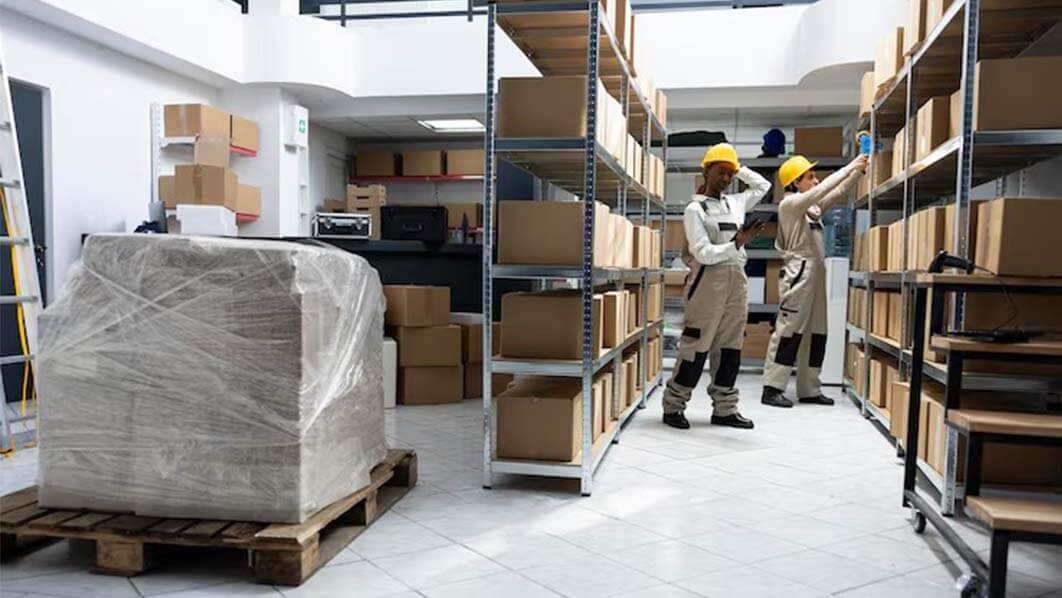
How to Find Suppliers, Choose Shipping Methods, and Plan Your First Shipment
Finding reliable suppliers, choosing the right shipping methods5, and planning your first shipment are all essential components of successful importing.
Successful importing requires reliable suppliers, appropriate shipping modes, and careful shipment planning. Importers must consider cost, transit time, and product requirements.

Supplier vetting is a critical step. You need to ensure that your supplier can meet quality standards and deliver on time. After that, you have to decide on shipping methods5. Air freight is faster but usually more expensive than ocean freight. Understanding Incoterms6 is also vital, as these terms define the responsibilities of buyers and sellers in international trade.
When I planned my first shipment, I took the time to evaluate various suppliers and shipping options. This helped me avoid costly mistakes and ensured a smoother process. Planning ahead is essential for managing costs and timelines effectively.
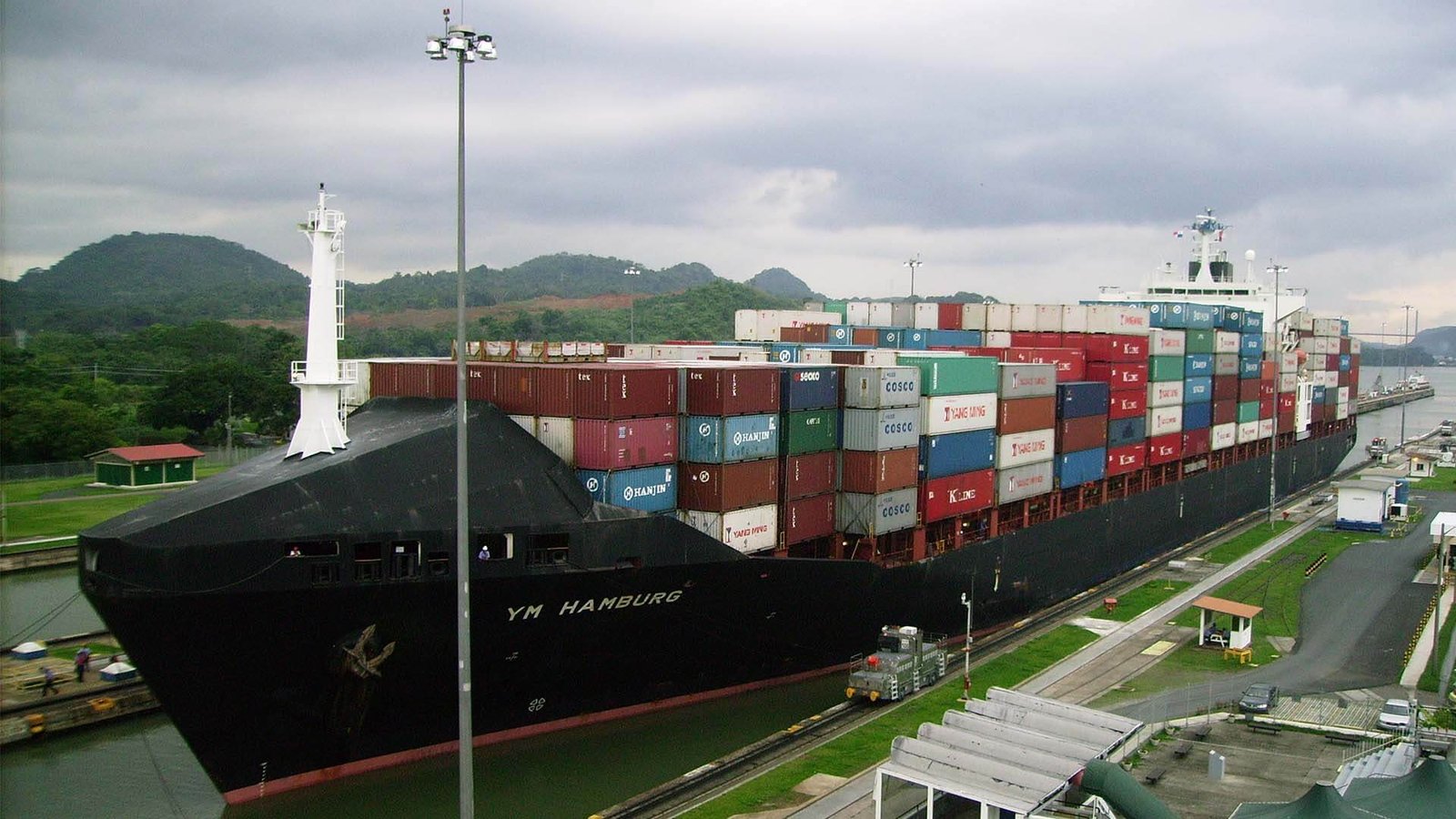
Duties, Compliance Requirements, and Documents Every New Importer Must Understand
Understanding duties, compliance requirements, and the necessary documents is paramount for any new importer.
Importers must understand tariff classification7, duties, and regulatory compliance. Accurate documents support smooth clearance and prevent delays.
📄 Essential Import Document Table
| Document | Purpose | Risk if Incorrect |
|---|---|---|
| Commercial Invoice | Product/value declaration | Delay |
| Packing List | Shipment details | Inspection |
| Bill of Lading8 | Transport contract | Release delay |
| Entry Filing | Customs declaration | Penalties |
Each document plays a crucial role in the clearance process. The commercial invoice9 declares the product and its value, while the packing list10 provides shipment details. The bill of lading serves as a transport contract, and entry filing11 is your customs declaration.
I always emphasize the importance of accuracy in these documents. Errors can lead to delays, added costs, and potential penalties. Establishing a good relationship with your customs broker4 at this stage can also help mitigate risks.

End-to-End Import Workflow: Supplier → Freight → Customs Clearance → Final Delivery
Understanding the end-to-end import workflow is vital for efficient operations.
Imports follow a structured process from supplier production to freight movement, customs clearance, and final delivery. Coordination between parties ensures timely and compliant shipment flow.
🚢 Workflow Diagram (Text)
Supplier
→ Export prep
→ Freight booking
→ Shipment transit
→ Customs entry
→ Release
→ Delivery
A clear workflow helps everyone involved understand their roles. From export preparation at the supplier's end to the final delivery in the U.S., each step is crucial for success.
⚠️ New Importer Risk Matrix
| Risk | Cause | Impact | Prevention |
|---|---|---|---|
| Misclassification | Inexperience | Duty penalties | Broker review |
| Missing docs | Poor preparation | Hold | Checklist |
| Delay | Filing errors | Storage fees | Broker filing |
| Cost surprises | Poor planning | Budget issues | Pre-shipment planning |
This risk matrix12 can help new importers identify and manage potential pitfalls. By planning carefully and working closely with a customs broker4, you can navigate these challenges effectively.
Conclusion
Becoming an importer involves understanding key responsibilities and ensuring compliance. A solid foundation in these areas will lead to success in your importing journey.
Exploring U.S. Customs regulations helps importers ensure compliance and avoid fines or legal issues. ↩
Understanding the role of an Importer of Record is crucial for legal compliance and avoiding penalties in the importing process. ↩
Import compliance is vital to prevent costly penalties and protect your business reputation. ↩
A customs broker can guide you through regulatory requirements, ensuring you meet all necessary obligations. ↩
Choosing the right shipping method affects cost, transit time, and product requirements. ↩
Incoterms define buyer and seller responsibilities, crucial for managing international trade agreements. ↩
Understanding tariff classification is essential for accurate duty payments and avoiding penalties. ↩
The Bill of Lading serves as a transport contract, essential for release and delivery of goods. ↩
A commercial invoice is crucial for declaring product value and ensuring smooth customs clearance. ↩
A packing list provides shipment details, crucial for inspection and smooth customs clearance. ↩
Entry filing is a key step in customs declaration, preventing penalties and ensuring smooth clearance. ↩
A risk matrix helps identify and manage potential pitfalls, ensuring a smoother importing process. ↩