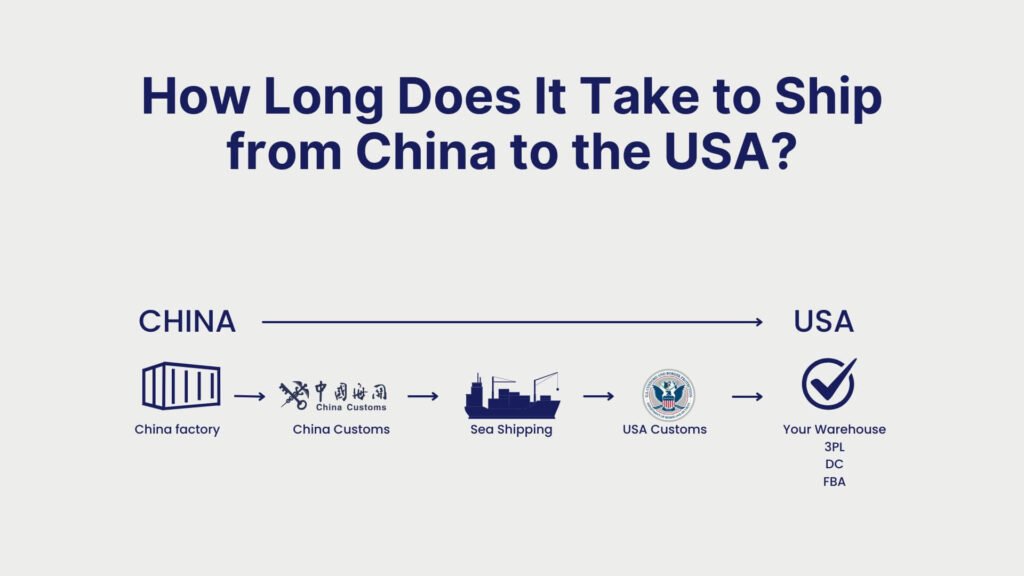
Shipping goods from China to the USA can feel overwhelming. It’s essential to know how long it takes to avoid disruptions in your supply chain.
Shipping time from China to the USA varies by mode, with ocean freight1 taking several weeks and air freight2 significantly faster. Express services3 offer the shortest transit but at higher cost. Importers must balance speed, budget, and cargo volume when selecting the right shipping method.
Understanding the full shipping timeline will help you plan better. This includes the entire journey of your goods from the factory to your doorstep. Knowing each stage can help you anticipate any timeline challenges.
What Are the Typical Transit Times from China to the USA by Ocean, Air, and Express Freight?
Shipping times can differ significantly based on the method chosen. Each freight type serves different needs, and it's essential to understand what to expect.
Total transit time includes factory pickup4, export processing, port handling5, international transport6, customs clearance7, and inland delivery8. Delays often occur before vessel departure or after arrival, making end-to-end coordination critical for accurate delivery planning.
Let's break down typical transit times:
| Freight Method | Estimated Time |
|---|---|
| Ocean Freight | 15 - 30 days |
| Air Freight | 5 - 10 days |
| Express Freight | 1 - 5 days |
Ocean freight is usually the most cost-effective for large shipments but takes longer. Air freight is faster and is great for urgent needs but comes at a higher price. Express services3 are the quickest, ideal for small, high-value items.
Choosing the right method depends on your budget and the urgency of your shipment.
Which Stages of the China-to-U.S. Shipping Process Add the Most Time to Total Transit?
The shipping process is not just about the transit itself. Several stages contribute to the overall time.
Shipping time is heavily influenced by the choice of origin and destination ports9, as well as routing and carrier schedules. Congested ports or indirect routes can add days or weeks, while optimized port pairings improve transit reliability.
Here are the main stages that can add time:
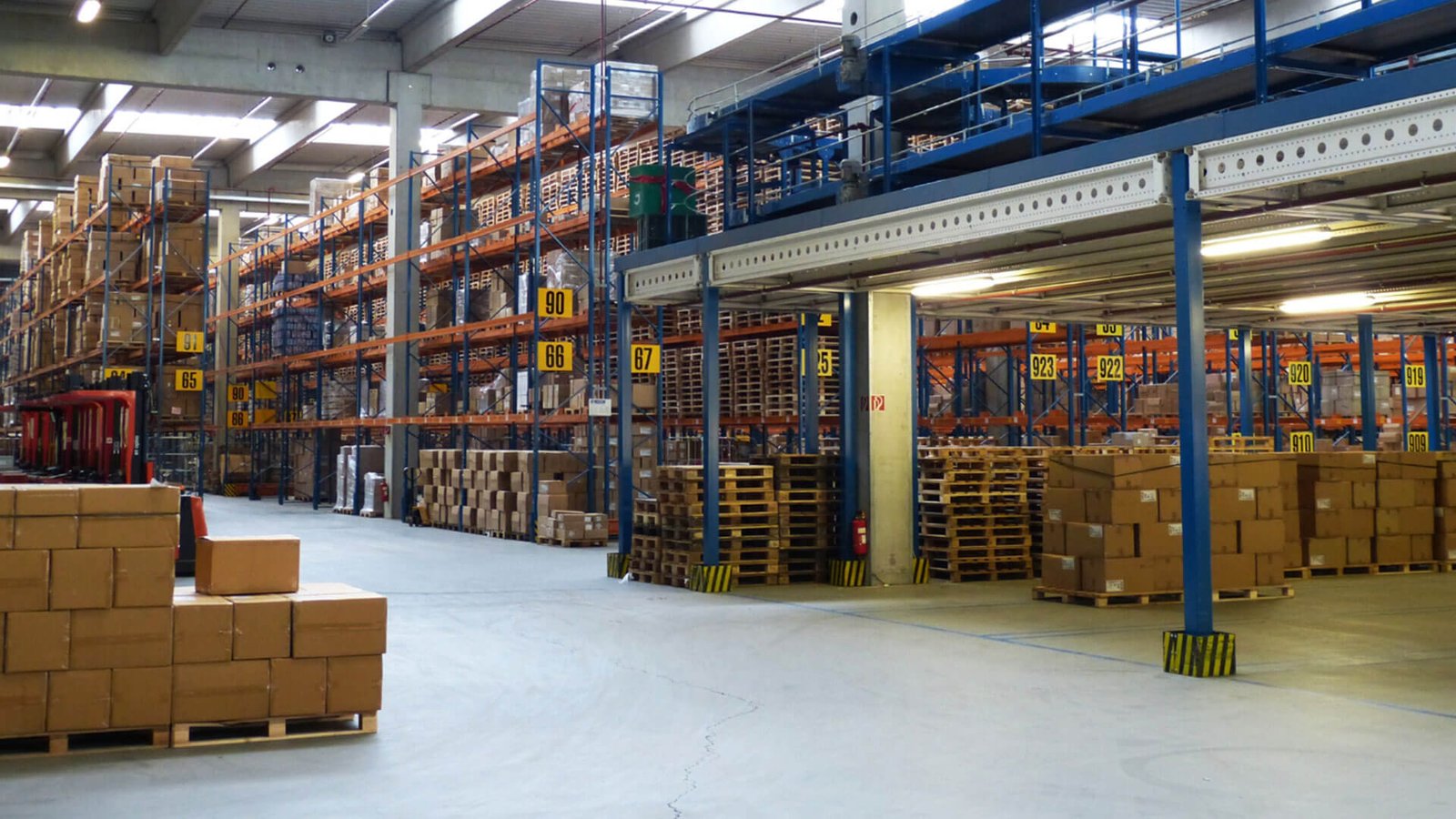
- Factory Preparation: This can take a few days to weeks, depending on the complexity of the order.
- Export Processing: Involves paperwork and regulatory compliance.
- Port Handling: Loading containers can be delayed by port congestion10.
- International Transport: Delays can occur at sea due to weather or mechanical issues.
- Customs Clearance: This is a critical stage where documentation must be correct to avoid delays.
- Inland Delivery: Final delivery can be delayed by traffic or scheduling issues.
Awareness of these stages allows importers to better predict their shipping timelines and plan accordingly.
How Do Origin Port, Destination Port, and Routing Choices Affect Shipping Time from China?
The choice of ports and routes can significantly influence your shipping time.
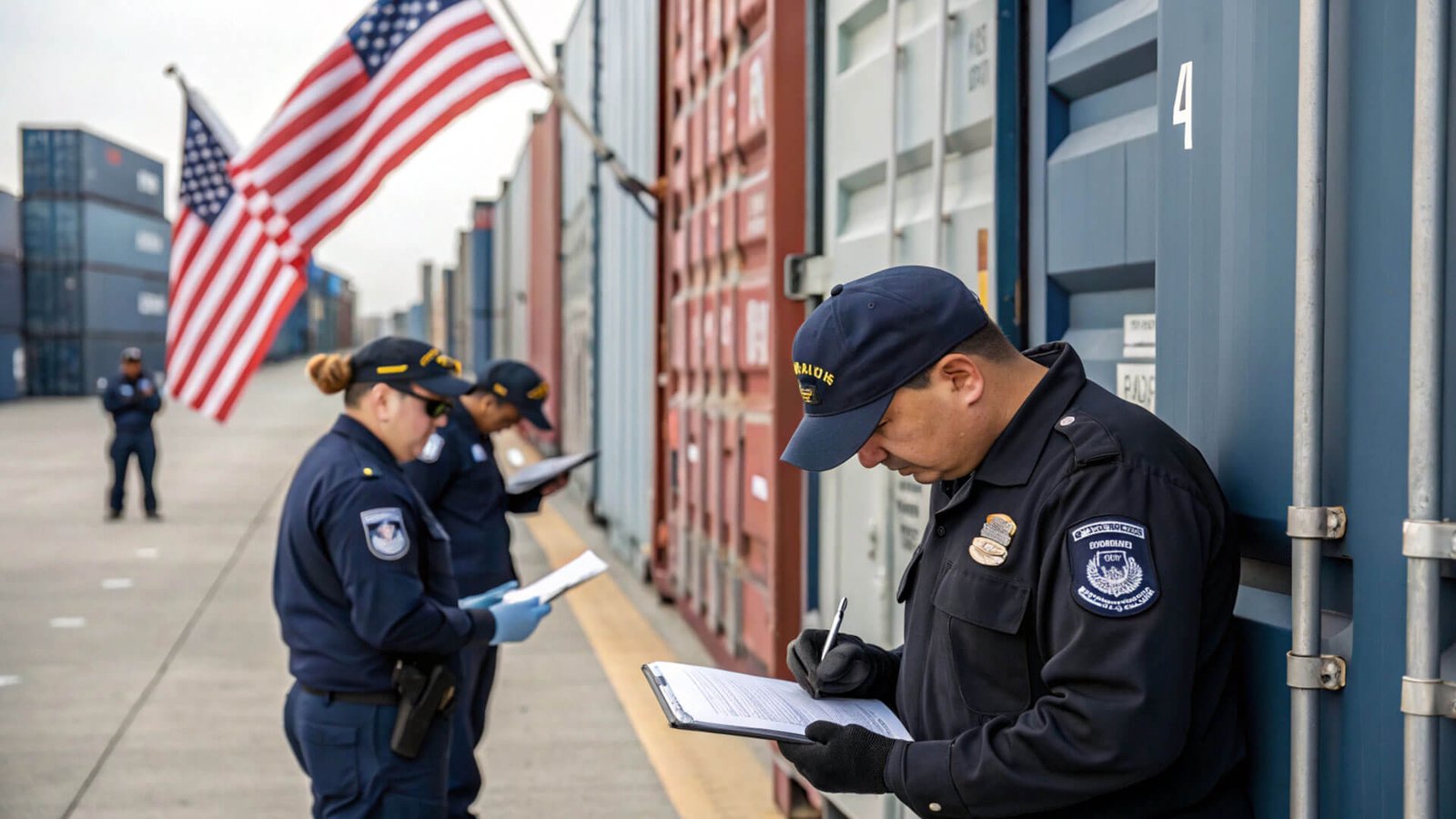
U.S. customs clearance7 can add time if documentation, classification, or valuation is incorrect. Proper preparation and advance compliance reduce the risk of inspections, holds, or delays that extend total transit time after arrival.

When selecting ports, consider:
- Origin Ports: Major ports like Shanghai or Shenzhen have more direct routes and facilities, reducing wait times.
- Destination Ports: Ports like Los Angeles or New York may have more connections but can also have congestion issues.
- Routing Choices: Direct routes are faster, while indirect routes can add significant time.
In making your choice, weigh the cost against the potential delays that may arise from port congestion10 or other logistical hurdles.
How Does U.S. Customs Clearance Impact Overall Shipping Time from China to the USA?
Customs clearance plays a vital role in the timeline of your shipments.
Common causes of delays include port congestion10, vessel rollovers11, weather disruptions, customs exams, and inland transportation bottlenecks. Understanding these risks helps importers build realistic timelines and contingency plans.
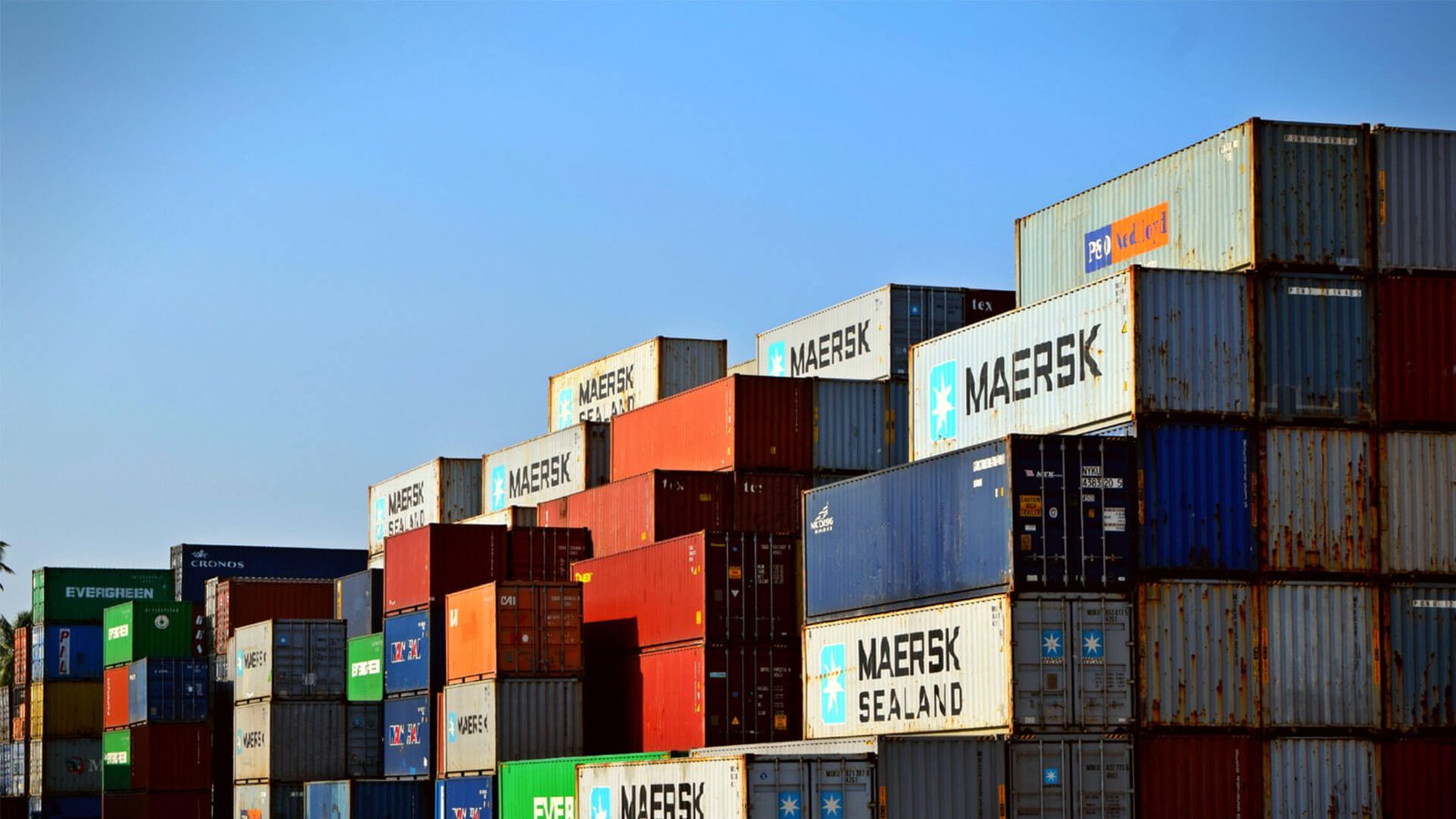
Here’s how to manage customs effectively:
- Documentation: Ensure all documents are prepared in advance and accurate.
- Compliance: Understand the classification and valuation of your goods.
- Monitoring: Keep track of your shipment status and any customs notifications.
Proper management of customs can significantly reduce delays and improve your delivery timelines.
What Common Delays Cause China-to-U.S. Shipments to Arrive Later Than Planned?
Knowing potential delays can help you prepare better.
Importers improve delivery predictability by choosing reliable carriers, optimizing port selection, preparing customs documentation in advance, and coordinating freight and customs partners. Proactive planning reduces delays and supports consistent supply chain performance.

Common delays include:
- Port Congestion: Busy ports can slow down loading and unloading times.
- Vessel Rollovers: When a vessel is too full, cargo may need to wait for the next trip.
- Weather Disruptions: Severe weather can halt or delay shipping.
- Customs Inspections: Random checks can delay clearance.
Understanding these risks allows you to build more reliable shipping timelines and prepare for contingencies.
How Can U.S. Importers Reduce Transit Time and Improve Delivery Predictability from China?
Finally, there are ways to optimize your shipping for improved timelines.
Importers improve delivery predictability by choosing reliable carriers, optimizing port selection, preparing customs documentation in advance, and coordinating freight and customs partners. Proactive planning reduces delays and supports consistent supply chain performance.
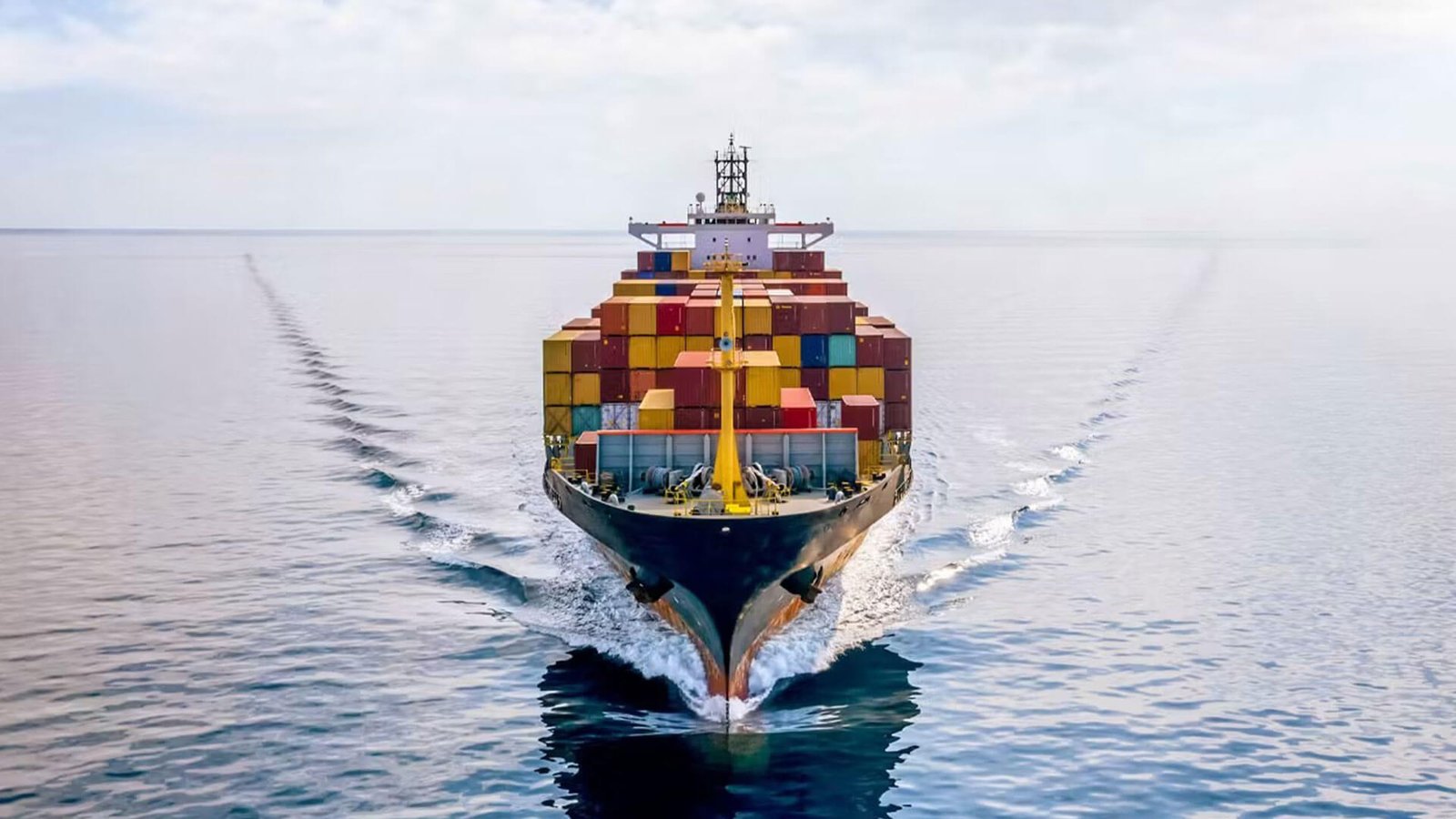
Here are a few strategies:
- Choose the Right Carrier: Work with carriers known for reliability and good performance.
- Optimize Ports: Select ports with minimal congestion and good shipping connections.
- Prepare in Advance: Ensure all customs documents are ready before shipment.
- Maintain Communication: Stay in touch with your carrier and customs broker throughout the process.
By being proactive and strategic, you can significantly reduce your transit times and improve your overall shipping experience.
Conclusion
Understanding the shipping timeline from China to the USA is crucial for effective planning and delivery predictability.
Ocean freight is a cost-effective option for large shipments, but understanding its timeline is crucial for planning your supply chain effectively. ↩
Air freight offers a faster shipping option, ideal for urgent needs. Knowing its timeline helps in making informed decisions for time-sensitive shipments. ↩
Express services provide the quickest delivery times, perfect for small, high-value items. Learn more to see if this option fits your needs. ↩
Understanding the factory pickup process helps in anticipating potential delays and planning the initial stages of your shipping timeline. ↩
Port handling can be a major bottleneck due to congestion. Understanding this stage can help in planning for potential delays. ↩
International transport is subject to delays from weather or mechanical issues. Knowing these factors helps in building realistic timelines. ↩
Customs clearance is a critical stage where errors can cause significant delays. Learn how to manage this process effectively. ↩
Inland delivery can face delays due to traffic or scheduling. Understanding this helps in planning the final leg of your shipment. ↩
Destination ports can influence delivery times due to congestion. Knowing the best ports can help in planning your shipments better. ↩
Port congestion can significantly delay shipments. Understanding its causes helps in planning for potential disruptions. ↩
Vessel rollovers can delay shipments when cargo waits for the next trip. Learn how to mitigate this risk in your shipping plans. ↩