Struggling to classify your imports? The wrong HTS code1 can lead to costly fines and delays. I'll show you how to get it right every time.
To classify products correctly, you must identify the item's primary function, material, and form. Then, systematically navigate the HTS chapters, headings, and subheadings using the General Rules of Interpretation2 (GRI) to find the single most accurate 10-digit code for your specific product.

Getting that 10-digit code right is a big deal. It's not just about paperwork; it's about your bottom line and avoiding trouble with U.S. Customs and Border Protection3 (CBP). I remember when a client, Mark, came to me after a costly mistake. He thought all plastic toys were the same. He was wrong. Let's break down why this matters so much and how you can avoid the same pitfalls.
What Is the Harmonized Tariff Schedule4 (HTS) — in Plain English?
Confused by HTS, HS, and HTSUS codes? This alphabet soup can be frustrating. Let me clear it up for you in simple terms.
The Harmonized Tariff Schedule4 (HTS) is a U.S. government database used to classify imported goods. It assigns a unique 10-digit code to every product, which determines the duty rate and admissibility requirements. Think of it as a giant, legally binding catalog for everything you import.

The HTS is the specific version used for imports into the United States, which you'll see officially called the HTSUS. It builds on a global system. The first six digits of an HTS code1 are part of the international Harmonized System (HS) code, used by most countries in the world. The last four digits are unique to the United States. These last four digits are incredibly important. They define the specific duty rate and statistical categories for the U.S. government. I've seen cases where changing a single digit in the last four changes a product from being duty-free5 to having a 25% tariff. It's a small detail with huge financial consequences.
Here's a simple breakdown:
| Term | Number of Digits | Used For |
|---|---|---|
| HS Code | First 6 | International trade, used by most countries |
| HTSUS Code | Full 10 | U.S. imports only; determines final duty |
Why Is HTS Classification a Big Deal for U.S. Importers?
Think HTS classification is just a minor detail? A small error can lead to massive penalties and shipment holds. Let's look at the real financial risks.
HTS classification is crucial because the 10-digit code directly determines your import duty rate6. It also dictates if additional tariffs, like Section 301 or anti-dumping duties7, apply. Incorrect classification can lead to CBP penalties, audits, retroactive duty bills, and costly shipment delays.
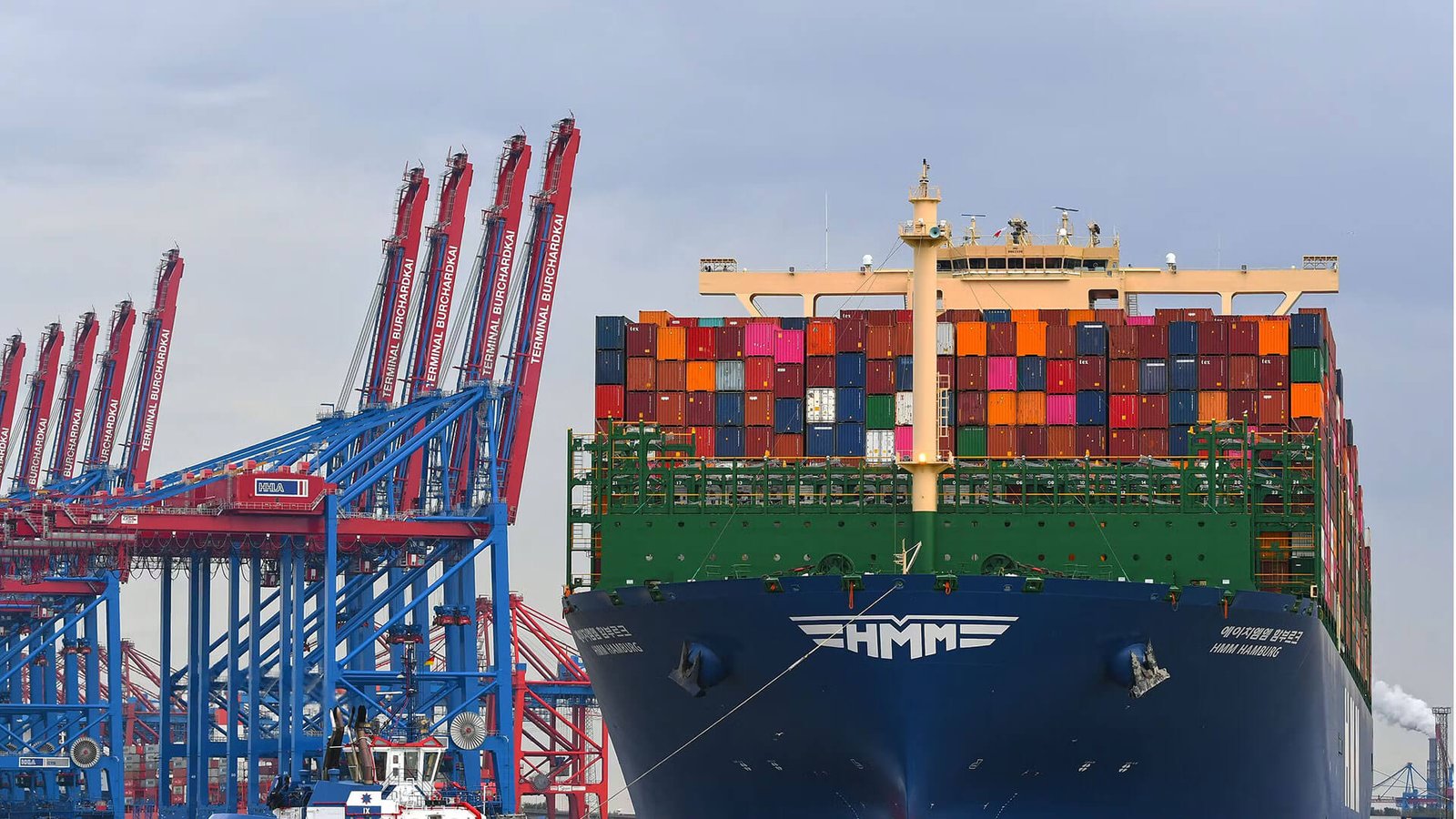
The impact of a wrong HTS code1 hits you in three main ways. First is the immediate financial cost. Your code sets the duty rate. A wrong code could mean you overpay, or worse, underpay. If CBP catches an underpayment, they will send you a bill for the difference, plus interest. Second, certain HTS code1s are subject to huge additional tariffs, like the Section 301 tariffs8 on Chinese goods or Anti-Dumping and Countervailing Duties (AD/CVD). A misclassification could accidentally put you in one of these high-tariff categories, or you could fail to pay them and face penalties later. Third is the operational nightmare. A questionable HTS code1 is a major red flag for CBP, often leading to holds, intensive exams, and long delays at the port. My client Mark's biggest fear is getting a letter from CBP demanding thousands of dollars for shipments he thought were cleared a year ago. That's a real risk that starts with one wrong code.
How Is the HTS Structured (So You Don’t Guess)?
The HTS looks like a random list of numbers. But it has a clear, logical structure. I'll show you how to read it without getting lost.
The HTS is a hierarchy. It's organized into Sections (broad categories), Chapters (product groups), Headings (specific product types), and Subheadings (further detail). The first 6 digits are the international HS code9, while the final 4 digits are U.S.-specific for duty and statistics.

You should never guess or search for a keyword and pick the first code that looks right. You need to follow the structure. The entire system is designed to take you from a general product category to a very specific description. Think of it like a filing system.
Here's how a 10-digit code breaks down, using an example for a type of electric motor: 8501.10.40.40.
- Chapters 01-97: The first two digits (
85) represent the Chapter. Chapter 85 covers "Electrical machinery and equipment and parts thereof..." - Heading: The first four digits (
8501) represent the Heading within that chapter. Heading 8501 is for "Electric motors and generators..." - Subheading: The first six digits (
8501.10) are the international Subheading. This narrows it down to "Motors of an output not exceeding 37.5 W." - U.S. Subheading & Suffix: The final four digits (
.40.40) are specific to the U.S. These digits further define the product for duty and statistical purposes10.
By following this path, you build a logical case for your classification.
How Can You Find the Correct HTS Code Step-by-Step?
Searching for an HTS code1 feels like finding a needle in a haystack. But there's a simple, four-step process. Let me walk you through it.
First, fully identify your product's material, function, and form. Second, use the HTS index11 or search function to find potential chapters. Third, read the chapter and section notes to include or exclude options. Finally, drill down through headings and subheadings to find the most specific code.

This methodical approach is your best defense against errors. Let's break it down further.
Step 1: Know Your Product Inside and Out
You must describe your product in technical terms, not marketing language. Instead of "Smart Speaker," think "Plastic housing containing a loudspeaker, microphone, and printed circuit board assembly for wireless audio reception." Identify its primary material composition, its principal use, and its condition (is it a finished good, a part, or unfinished?).
Step 2: Start Broad with Potential Chapters
Use the HTS General Index. Search for the main name of your item, like "motor" or "chair." This will give you a few potential Chapters to investigate. For our smart speaker, you might look at Chapter 85 for electronics or Chapter 39 for plastics.
Step 3: Read the Legally Binding Notes
This is the step most importers skip, and it's the most dangerous one to ignore. At the beginning of each Section and Chapter, there are legal notes. These notes will tell you what is and is not included. A note might say, "This chapter does not cover toys," which immediately tells you you're in the wrong place.
Step 4: Drill Down from Heading to Subheading
Once you've confirmed you're in the right chapter, find the 4-digit heading that most closely describes your item. Then, move to the 6-digit subheadings and continue down until you find the most specific 10-digit code that accurately reflects your product.
What Are the General Rules of Interpretation2 (GRI) — Simplified?
The GRIs sound intimidating and legalistic. But they're just the official rulebook for HTS classification. I'll explain them in simple terms you can actually use.
The General Rules of Interpretation2 (GRI) are six rules that provide a legal framework for classifying goods in the HTS. They must be applied in order. GRI 1 is the most important: classification is determined by the terms of the headings and any relative section or chapter notes.
You have to follow these rules in order. You can't just jump to a rule you like.
- GRI 1: The Text is Law. This is the master rule. Your classification must be based on the exact wording of the headings and the Section and Chapter notes. Most products are classified using only this rule.
- GRI 2: Incomplete Products & Mixtures. This rule helps you classify items that are unfinished or disassembled (like a bike in a box) and mixtures of materials.
- GRI 3: When a Product Fits Multiple Headings. This is a tie-breaker rule. It tells you to choose the heading with the most specific description (3a), the one that gives the item its "essential character" (3b), or the one that appears last in numerical order (3c).
- GRI 4: Classify by What's Similar. If you have a brand-new invention that doesn't fit anywhere, you classify it under the heading for the most similar ("akin to") product. This is rare.
- GRI 5: Packaging. This rule explains how to classify containers and packing materials.
- GRI 6: Subheadings Follow the Same Rules. This just confirms that all the rules above also apply when you're trying to decide between different subheadings.
CBP lives by these rules, especially GRI 1. Always start there.
What Are Common HTS Classification Mistakes That Cost Importers Money?
Making a small HTS mistake is easy. But these common errors can cost you thousands in duties and penalties. I see them all the time.
The most costly mistakes include blindly trusting a supplier's HS code9, classifying by a product's name instead of its function or material, ignoring legally binding chapter notes, and copying a competitor's HTS code1 without doing your own research. These shortcuts often lead to audits and fines.
Let's look at these in more detail.
- Using the Supplier's HS Code. Your supplier in China provides an HS code9 for their export paperwork. It is only 6 digits long, and it may not be correct for U.S. import standards. You, the importer, are responsible for the full 10-digit U.S. code. Always verify it yourself.
- Classifying by Appearance, Not Function. I once saw a client import a "pen" that also had a tiny camera in it. They classified it as a pen (low duty). But its essential character was defined by the camera, making it an electronic device with a much higher duty rate. CBP caught it.
- Ignoring the Notes. I can't say this enough. The legal notes in the HTS can completely change a classification. A note might say that "parts of general use" made of base metal (like screws and bolts) are classified in their own chapter, not as a part of the machine they are used in.
- Copying a Competitor. This is very dangerous. You have no idea if your competitor classified their product correctly. You also don't know if their product has slightly different materials or features. If they get audited and found to be wrong, CBP might start looking at everyone who used the same code.
How Do HTS Codes Impact Duties, Section 301, and Trade Programs?
Your HTS code1 isn't just a number; it's a trigger for different taxes. It determines your base duty, extra tariffs, and if you can get a discount.
The HTS code1 determines the standard "Column 1" duty rate. It also flags products subject to additional tariffs, like Section 301 (for China) or anti-dumping duties7. The code is also used to verify eligibility for Free Trade Agreements (FTAs) like USMCA, which can reduce duties.

When you look up an HTS code1, you'll see several duty columns. For most importers, the key is the "Column 1 (General)" rate. However, your code can also trigger other costs or savings. It's like a financial switch. The HTS code1 tells CBP which duties to apply to your shipment. This can include the base duty, plus several other layers of potential tariffs.
| Tariff Type | What It Is | Triggered By |
|---|---|---|
| Section 301 | An additional tariff (up to 25%) on many goods from China. | Specific HTS code1s from China. |
| AD/CVD | Duties to protect against unfairly priced (dumped) or subsidized imports. | Specific HTS code1 + Country of Origin combination. |
| Section 232 | Tariffs on certain goods like steel and aluminum. | The HTS code1 that identifies the material. |
| FTAs | Free Trade Agreements can offer reduced or free duty rates. | The HTS code1 must be eligible under the agreement (e.g., USMCA). |
One HTS code1 can be subject to the general duty and a Section 301 tariff, so you must check for all applicable costs.
How Does CBP Verify Your HTS Code (Behind the Scenes)?
Ever wonder what happens after you file your entry? CBP doesn't just trust your HTS code1. They have a system to check it, and it can be intense.
CBP verifies HTS code1s through automated system checks and manual reviews by import specialists. If they question your classification, they issue a CF-28 (Request for Information). If they decide to change it, they issue a CF-29 (Notice of Action), which often includes a new duty bill.

CBP's verification process happens at two main stages. First is the initial entry review. Their systems or an import specialist may flag an entry if the HTS code1 seems inconsistent with the product description. The second stage is a post-entry audit, which can happen months or even years later. These are more in-depth reviews of your import history.
If CBP has a question, they start with a CBP Form 28 (CF-28). This is a formal Request for Information. It's your chance to provide catalogs, technical specs, and your reasoning to defend your classification. If they are not satisfied with your response, or if they have already made a decision, they will issue a CBP Form 29 (CF-29). This is a Notice of Action. It formally states that they are changing your HTS code1 and liquidating the entry at a different, usually higher, duty rate. You will receive a bill for the difference.
Should You Request a Binding Ruling from CBP?
Want 100% certainty on your HTS code1? A binding ruling from CBP12 is the ultimate protection. But is it right for your business? Let's find out.
A binding ruling is a legally binding written decision from CBP on how to classify a specific product. It's worth requesting for high-value, repetitive shipments or complex products where classification is ambiguous. It protects you from future re-classification and penalties for that specific item.
Think of a binding ruling as an insurance policy. It's a formal, written agreement between you and CBP on the correct HTS code for a specific product before you import it. Once issued, that ruling is binding on all CBP personnel at all ports of entry. If a CBP officer questions your classification during an audit, you simply show them the ruling letter. The discussion is over.
When should you get one? I recommend it when the stakes are high. If you have a product where two possible HTS codes have a huge duty difference (e.g., 0% vs. 15%), a ruling provides certainty for your financial planning. It's also smart for complex products like machinery with multiple functions. The downside is that the process can take 30 to 90 days, requires a very detailed application, and you might not like the answer you get. But knowing for sure is often worth it.
Who Is Legally Responsible for HTS Classification?
Your supplier gave you a code, your broker filed it. So if it's wrong, who's in trouble? The answer might surprise you. It's a critical legal point.
The Importer of Record (IOR) is 100% legally responsible for the accuracy of the HTS classification. While a customs broker files the entry on your behalf, they do so based on the information you provide. The excuse "my broker did it" is not a valid defense with CBP.

This is one of the most misunderstood aspects of importing. As the Importer of Record (IOR)—the owner or purchaser of the goods—the legal responsibility falls squarely on your shoulders. U.S. Customs law requires the IOR to exercise "reasonable care" in all its import declarations, including HTS classification.
Your customs broker acts as your agent. They are experts in filing procedures, but they are not experts on your specific product. They rely on the commercial invoice, packing list, and other documents you provide to them. If that information is vague or incorrect, they can't classify the product properly. So, if CBP finds an error, they will penalize you, the IOR, not the broker. You must be actively involved in the classification process and provide your broker with detailed, accurate product information.
What Are the HTS Classification Best Practices for U.S. Importers?
Want to stay out of trouble with Customs? Following a few simple best practices for HTS classification can save you time, money, and a lot of headaches.
Best practices include creating an internal HTS database for your products, documenting the reason for each classification choice, regularly reviewing codes when products change, and consulting a customs expert for complex items. This creates a defensible record for CBP audits.
Instead of treating classification as a one-time task for each shipment, build a system.
- Create an HTS Master List. For every product you import, create a record in a spreadsheet. Include the part number, a detailed technical description, the 10-digit HTS code, and the duty rate. This ensures everyone in your company uses the same correct code every time.
- Document Your Reasoning. For each product on your master list, add a column called "Classification Rationale." In it, write a short sentence explaining why you chose that code. For example: "Classified under 8501.10.40.40 per GRI 1, as it is an AC electric motor with an output not exceeding 37.5 W." This is your proof of reasonable care.
- Review and Update Regularly. Products change. Maybe you switched from a plastic to a metal component, or added a new feature. Any change in material or function can change the HTS code. Review your master list at least once a year, and every time a product's design is updated.
When Should You Involve a U.S. Customs Broker or Trade Specialist?
You can classify some simple products yourself. But for others, going it alone is a huge risk. Here are the red flags that mean it's time to call an expert.
You should involve a customs broker or trade specialist when classifying complex items like machinery, chemicals, or multi-function devices. Also, seek help when the duty impact is high, multiple HTS codes seem plausible, or you've received a notice (CF-28/29) from CBP.
While it's important for you to understand the basics, you don't have to be the world's foremost expert on everything. A good customs broker or trade consultant is a valuable partner. It's time to call for help when you see these red flags:
- Complex Goods: The item is a kit, a set, or has multiple functions (like a clock-radio-phone charger).
- High-Risk Products: You are importing textiles, footwear, food products, chemicals, or steel. These areas are heavily scrutinized by CBP.
- High-Value Shipments: The potential duty is thousands of dollars, and a classification error would have a major financial impact.
- Ambiguity: You've done your research and you are genuinely stuck between two or more possible headings.
A good broker can provide a professional opinion, research the CBP rulings database for similar products, and help you build a strong, defensible argument for your classification choice. Their goal is to help you achieve compliance and minimize your risk.
What's a Quick HTS Checklist to Use Before You Ship?
Feeling overwhelmed? Don't be. Before your next shipment leaves the factory, run through this simple checklist to catch any potential HTS problems early.
Before shipping, verify your detailed product description matches the commercial invoice. Confirm your chosen HTS code by reviewing the chapter notes. Check the standard duty and any additional tariffs (like Section 301). Ensure all documents—invoice, packing list, and ISF—are aligned with your classification.

This five-minute check can save you five thousand dollars.
- Product Description is Technical? Is the description on your commercial invoice specific and technical, not just a marketing name? ✅
- HTS Code Verified? Have you personally looked up the code and read the relevant chapter and heading notes? ✅
- Total Duty Calculated? Do you know the Column 1 duty rate and if any extra tariffs like Section 301 apply? ✅
- Documents are Consistent? Do the description, value, and country of origin match across your invoice, packing list, and what you'll tell your broker? ✅
- Supplier Code Double-Checked? Have you independently confirmed the HS code your supplier provided and not just copied it? ✅
If you can check all these boxes, you are in a much safer position.
What Are Some Frequently Asked Questions About HTS Codes?
You still have questions, and that's normal. HTS classification is complex. Here are quick answers to some of the most common questions I get from importers.
Importers often ask if HS and HTS codes are the same (no, HTS is the 10-digit U.S. version). They also wonder if codes can be changed after import (yes, through a Post Summary Correction) and what happens if a code is wrong (potential fines and back-duties).

Is an HS code the same as an HTS code?
No. An HS code is a 6-digit number used by most countries as a base system. The HTS code is a 10-digit code specific to the United States. The last four digits are used by the U.S. to set duty rates and collect trade data. You must use the full 10-digit HTS code for U.S. imports.
Can I change an HTS code after my goods have already been imported?
Yes. If you discover you made an error, you can correct it by filing a Post Summary Correction (PSC) with CBP. It is always better for you to find and fix your own mistakes than for CBP to find them for you during an audit. There are time limits for filing a PSC, so you must act quickly.
What happens if my HTS code is wrong?
If CBP determines your HTS code is wrong, they will correct it and send you a bill for any additional duties owed, plus interest. Depending on the situation, they can also issue penalties for negligence, gross negligence, or fraud, which can be very expensive.
How often does the HTS change?
The HTS is constantly being updated. The World Customs Organization (WCO) makes major revisions to the 6-digit HS system every five years. The U.S. government can also make changes to the HTS at any time, but major updates are typically released annually.
Conclusion
Correct HTS classification is your legal duty and key to saving money. Always be diligent, document your process, and ask an expert when you are in doubt.
Understanding HTS codes is crucial for compliance and avoiding costly penalties in international trade. ↩
Learn about the General Rules of Interpretation to ensure accurate classification of your imports. ↩
Discover how CBP enforces regulations and the importance of accurate HTS codes for compliance. ↩
Explore the Harmonized Tariff Schedule to grasp how it classifies goods and determines duty rates. ↩
Learn about duty-free classifications to maximize savings on your imports. ↩
Understanding how import duty rates are calculated can save you money and prevent errors. ↩
Explore anti-dumping duties to understand how they protect domestic industries from unfair competition. ↩
Learn about Section 301 tariffs to understand additional costs that may apply to your imports. ↩
Understanding the distinction between HS and HTS codes is essential for international trade. ↩
The last four digits determine specific duties and statistical categories, impacting your costs. ↩
The HTS index is a valuable tool for efficiently locating the right classification for your products. ↩
A binding ruling provides certainty in classification, reducing the risk of penalties and audits. ↩