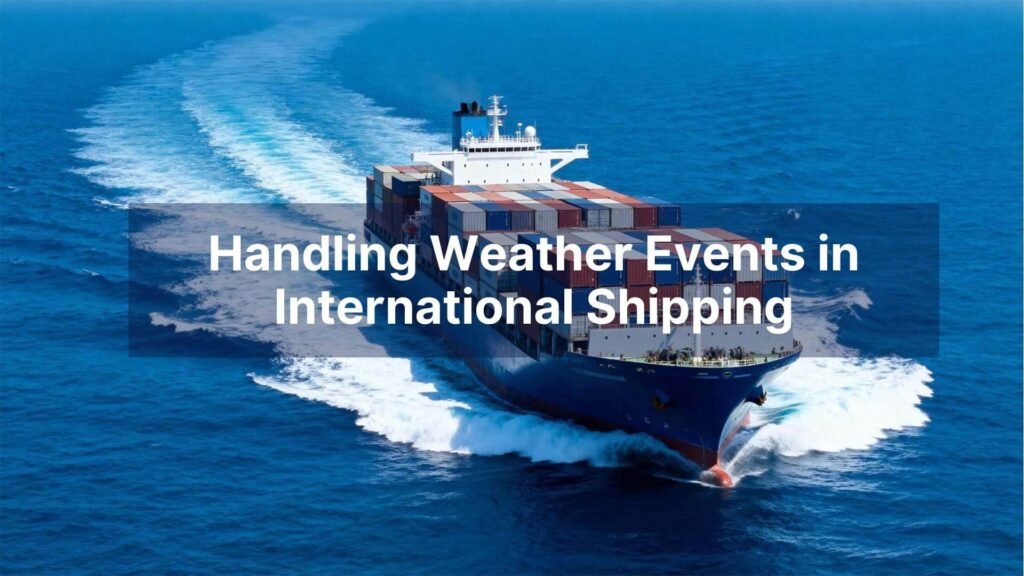
The shipping industry faces challenges from unexpected weather events1. These disruptions can significantly affect schedules, inventory, and overall costs for importers.
Severe weather disrupts international shipping by changing vessel schedules, port operations, and inland capacity—creating ripple effects across transit time2 and inventory planning. Weather can cause delays in shipping by affecting vessel routing, terminal operations, and even inland trucking capacity. For importers, this means unpredictable transit times that can derail inventory plans.
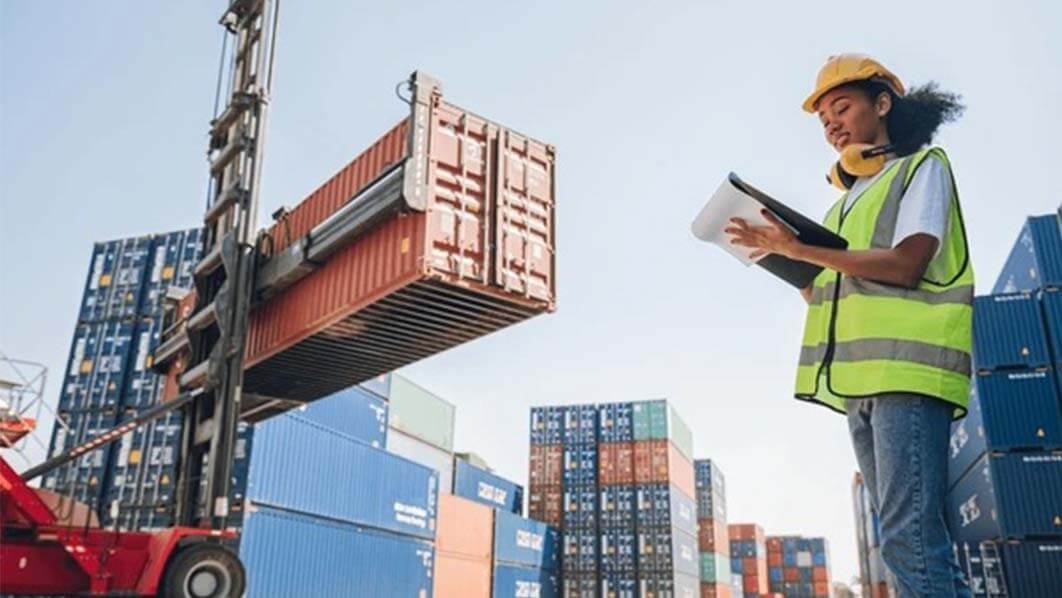
Understanding how severe weather impacts shipping is vital for any U.S. importer. The logistics chain is delicate3. A storm can cause delays at any stage. Ports may close, vessels may reroute, and inland transport might face congestion. The result? Longer wait times and inventory discrepancies4. Importers must be proactive, planning for potential weather disruptions to minimize impacts on their supply chain.
Severe weather disrupts international shipping by changing vessel schedules, port operations, and inland capacity—creating ripple effects across transit time2 and inventory planning?
The first thing to understand is that weather affects all logistics stages. When storms hit, ports may close or experience congestion. This can push back vessel schedules, create backlogs, and delay deliveries.
Weather affects shipping by disrupting the entire logistics chain: vessel routing and speed, terminal crane operations, port closures5, and inland trucking/rail capacity. Even if the storm is brief, the backlog can create multi-day or multi-week ripple effects. For importers, the biggest impact is transit time variance6 that breaks inventory plans and delivery commitments.
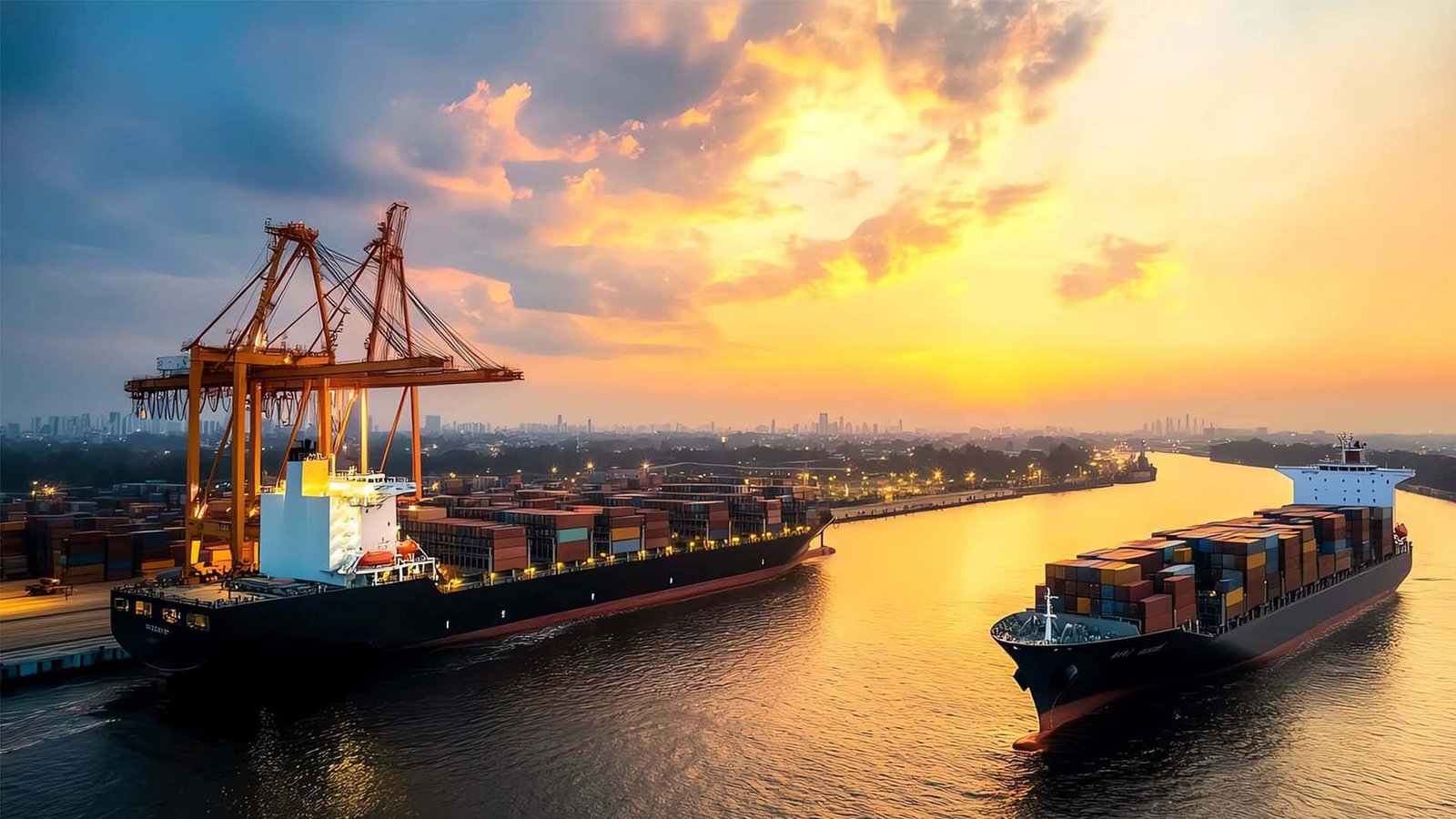
| Stage | What changes | Typical impact | Importer risk |
|---|---|---|---|
| Ocean transit | Vessel schedules delayed | Increased transit time | Inventory stockouts, missed deadlines |
| Port operations | Terminals may close or slow down | Bottlenecks in cargo handling | Increased storage fees |
| Terminals/CFS | Congestion at facilities | Delayed loading/unloading | Demurrage charges |
| Customs clearance | Inspections may take longer | Delays in releasing goods | Increased holding costs |
| Drayage/trucking | Limited truck availability | Delays in last-mile delivery | Missed deliveries |
| Final delivery | Missed appointments | Additional re-delivery costs | Increased operational costs |
Recognizing these potential impacts allows importers to adjust their inventory plans and logistics strategies accordingly.
Importers should forecast weather risk by lane and season (typhoon/hurricane/winter storms/monsoons) to proactively adjust ETD/ETA buffers7 and booking strategy?
Foreseeing weather disruptions can save importers time and money. By analyzing historical weather patterns, importers can anticipate potential delays based on the season and shipping lanes.
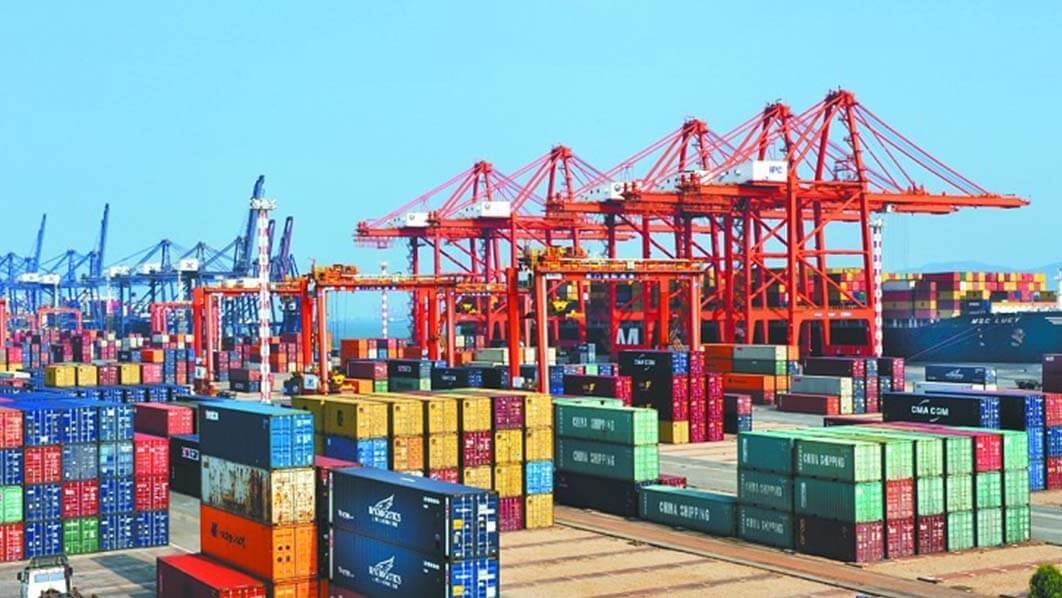
Most weather disruption is predictable by season and geography. Importers should map risk by lane (origin ports, transshipment hubs, U.S. gateways) and build buffers into booking windows and inventory planning. A seasonal weather calendar8—typhoon season, hurricane season, and winter storms—helps teams adjust ETD/ETA expectations and reduce last-minute expediting costs.
Seasonal Risk Calendar
| Season | Regions most affected | Common disruption | Mitigation action |
|---|---|---|---|
| Summer | Asia (Typhoon) | Port closures | Book early, monitor forecasts |
| Fall | Gulf Coast (Hurricanes) | Vessel rerouting | Establish alternative ports |
| Winter | Northeast USA (Snowstorms) | Trucking delays | Pre-load critical SKUs |
| Spring | Southeast (Tornadoes) | Terminal congestion | Flexible delivery schedules |
By proactively preparing, importers can adjust their ETD/ETA expectations and avoid costly last-minute changes.
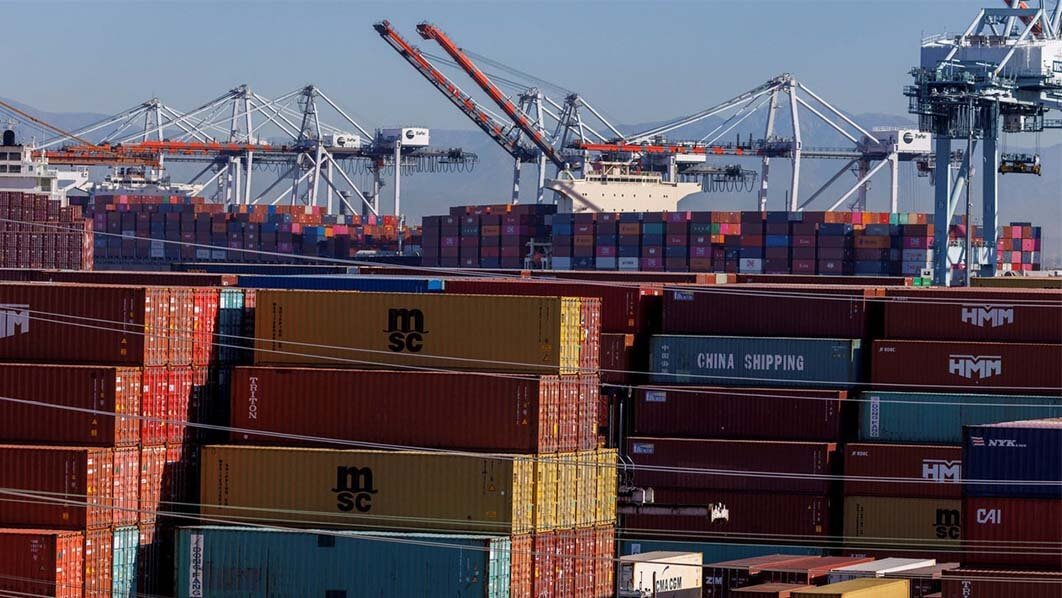
A weather disruption SOP9 should define milestones, communication triggers, and contingency options10 (rerouting, mode shift, split shipments, alternate ports, and expedited inland delivery)?
Having a structured plan in place is essential. A weather disruption Standard Operating Procedure (SOP) helps to manage these events efficiently.
Importers reduce disruption impact by using an SOP—not improvising during a storm. A weather disruption SOP9 defines who monitors risk, when escalation triggers happen, what communication cadence is required, and what contingency options10 are allowed (rerouting, alternate ports, mode shift, partial air expedite). A structured playbook reduces decision delays and protects delivery timelines.
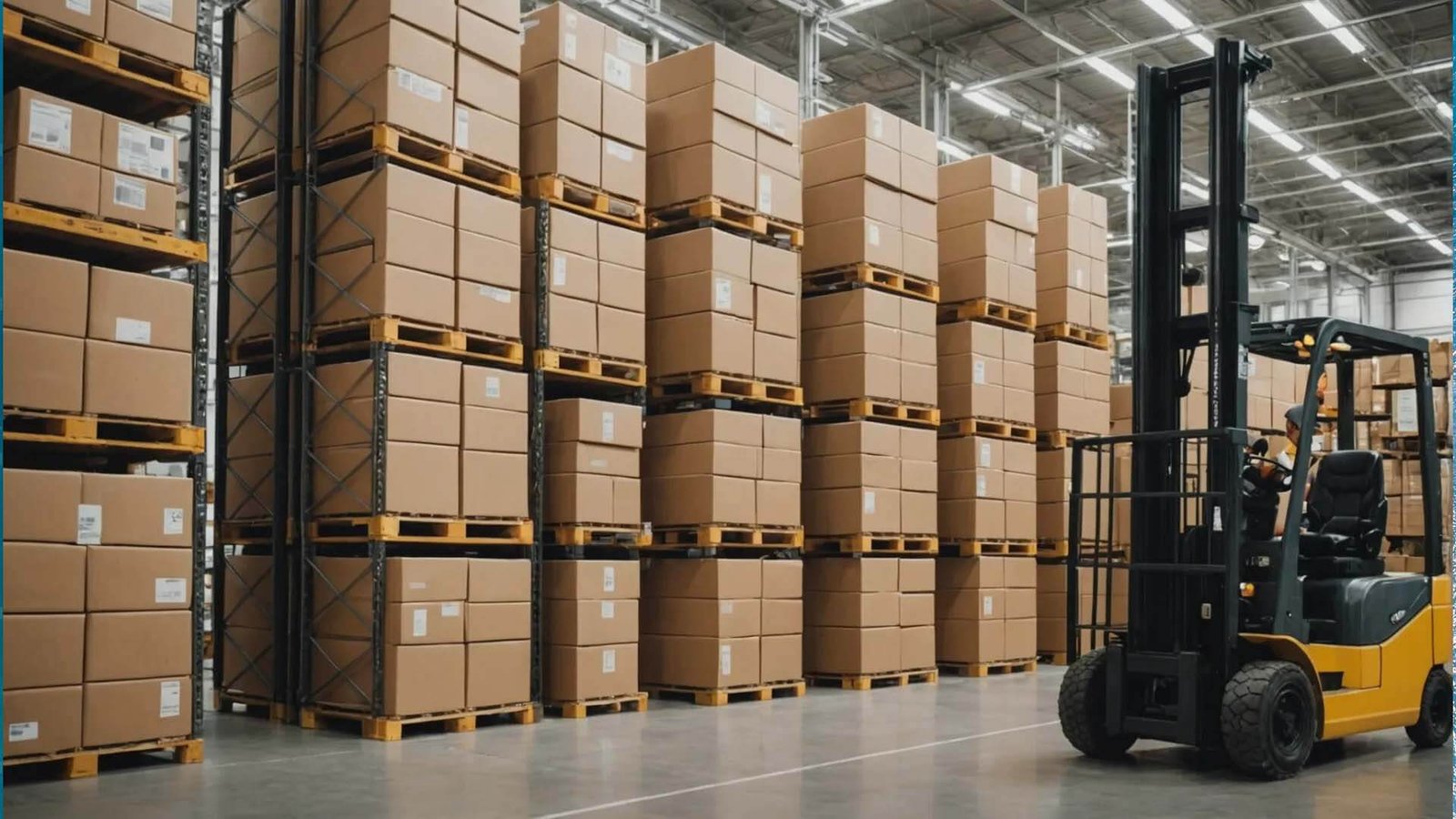
Contingency Options Checklist
| Option | Description |
|---|---|
| Reroute | Use alternate port/terminal |
| Mode shift | Shift from ocean to air for critical items |
| Split shipment | Expedite a portion of the shipment |
| Change delivery plan | Use transloading, cross-docking, or drop trailer |
| Additional buffer warehousing | Temporary storage options at origin/destination |
Creating an SOP allows teams to respond quickly and effectively to weather disruptions, ensuring that the impact on deliveries is minimized.
Weather impacts go beyond just delays—they can lead to significant hidden costs11 that can catch importers off guard.
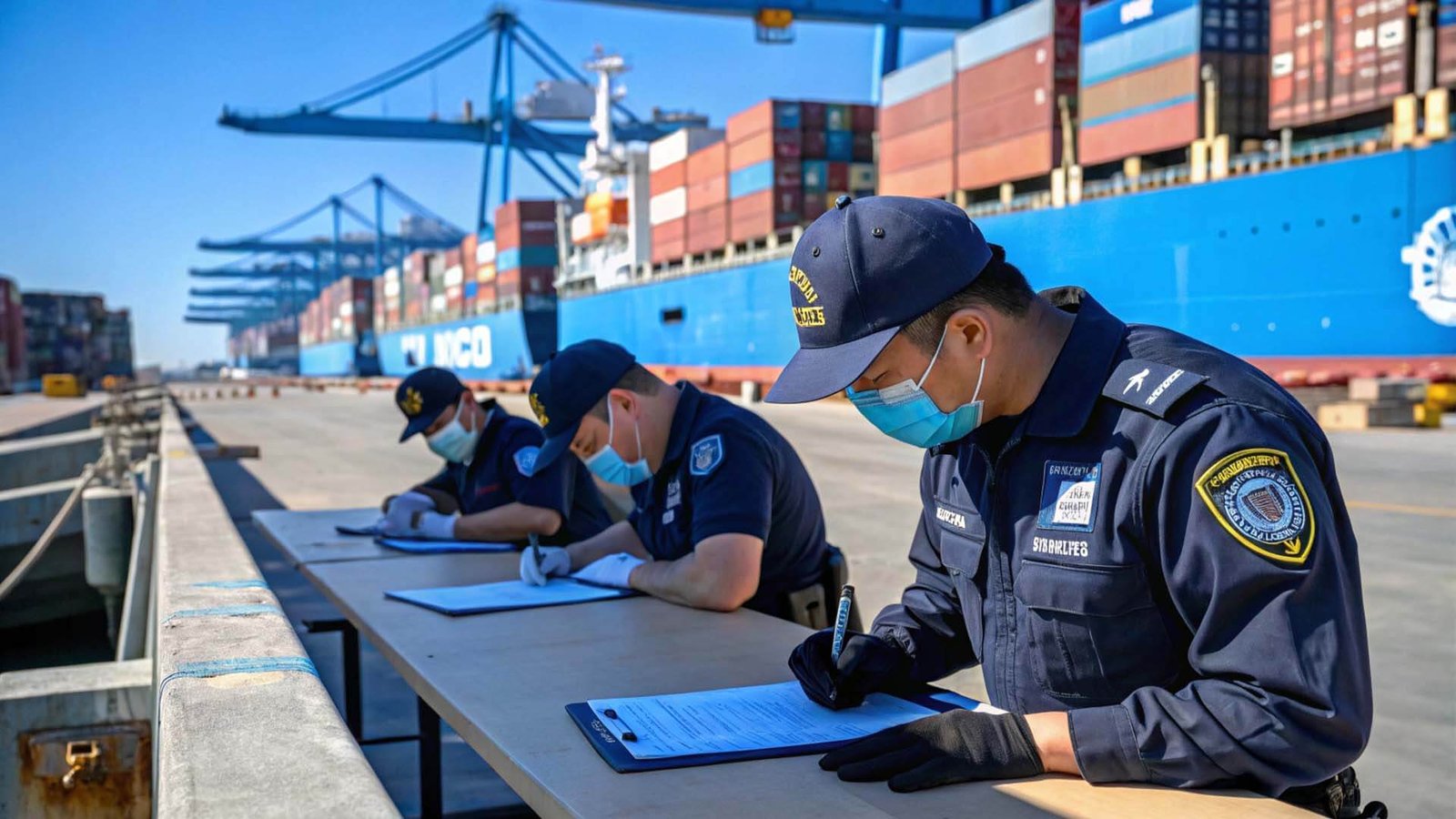
The biggest financial impact of weather is often not the delay—it’s the hidden costs11 that follow. Port closures and congestion can trigger demurrage, detention, storage, re-delivery fees, missed appointments, and spot-rate premiums for trucking capacity. Importers control these costs by acting fast on arrival planning, free time usage, and exception-handling escalation.
Weather Disruption Cost Impact Table
| Cost type | Trigger | Who charges | Fixed/variable | Prevention move |
|---|---|---|---|---|
| Demurrage | Cargo not picked up promptly | Port/Carrier | Variable | Monitor free time |
| Detention | Equipment held too long | Carrier | Variable | Efficient planning |
| Port/terminal storage | Delays at port | Terminal | Variable | Early notifications |
| Chassis / equipment shortage fees | Limited availability | Carrier | Variable | Pre-booking, ensure equipment ready |
| Exam transfer / re-handling | Inspections taking too long | Customs | Variable | Pre-plan customs submissions |
| Re-delivery / missed appointment | Non-attendance at delivery | Carrier | Variable | Confirm delivery slots |
| Spot-rate trucking premiums | High demand for trucking | Carrier | Variable | Pre-booking during peak seasons |
| Inventory stockout cost | Lack of stock | Business | Variable | Maintain safety stock |
By knowing where these costs can arise, importers can devise strategies to mitigate them.
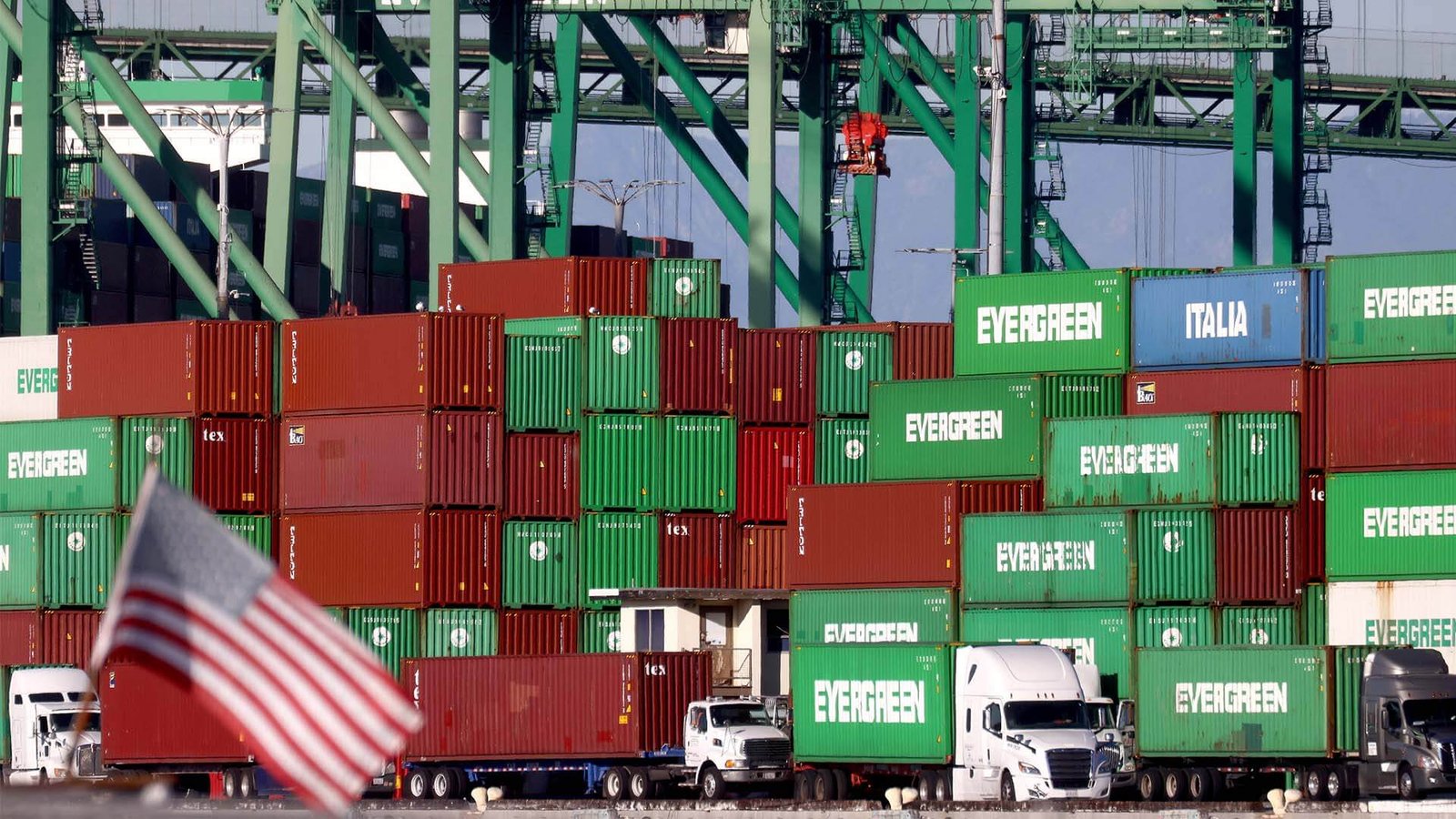
Strong protection comes from contracts and coverage—Incoterms clarity, force majeure language12, cargo insurance13, and broker/forwarder coordination14 to speed recovery after disruptions?
Managing risk is essential. Contracts and coverage via insurance protect against unforeseen weather events.
Weather risk can’t be eliminated, but it can be managed through smart contracts and coverage. Importers should clarify Incoterms responsibilities, understand force majeure triggers, and maintain cargo insurance13 that matches exposure. When disruptions occur, fast recovery depends on coordination between forwarder, customs broker, and inland carriers to replan routing and delivery without compounding costs.
Contract + Coverage Readiness Checklist
| Item | Description |
|---|---|
| Incoterms responsibilities confirmed | Clearly defined in purchase contract |
| Force majeure clause understood | Scope and notification rules defined |
| Cargo insurance coverage verified | Know what is/isn’t covered |
| Claims documentation process ready | Organize photos, timestamps, notices |
| Broker/forwarder escalation contacts updated | Ensure contact lists are current |
By ensuring that contracts and coverage are in place, importers can navigate through disruptions more efficiently.
Conclusion
Preparing for weather events in international shipping is key to minimizing delays and hidden costs11.
Understanding the impact of unexpected weather events can help importers prepare for potential disruptions in their logistics and supply chain. ↩
Exploring the ripple effects on transit time can help importers anticipate delays and adjust their logistics strategies accordingly. ↩
Understanding the delicacy of the logistics chain can highlight the importance of proactive planning for importers. ↩
Learning about inventory discrepancies can assist importers in planning better to avoid stockouts and missed deadlines. ↩
Port closures can lead to significant delays and costs, making it essential for importers to plan for such events. ↩
Knowing about transit time variance can help importers adjust their inventory plans to maintain delivery commitments. ↩
ETD/ETA buffers can provide importers with flexibility in scheduling, reducing the impact of unexpected delays. ↩
A seasonal weather calendar can guide importers in adjusting their shipping schedules to avoid weather-related disruptions. ↩
A weather disruption SOP ensures that importers have a structured response plan, minimizing the impact of weather events. ↩
Contingency options provide alternative strategies for importers to maintain delivery timelines during disruptions. ↩
Understanding hidden costs can help importers manage their budgets and avoid unexpected financial impacts. ↩
Force majeure language in contracts can protect importers from liabilities during unforeseen weather events. ↩
Cargo insurance provides financial protection for importers against losses due to weather-related damages. ↩
Effective coordination can speed up recovery and minimize additional costs for importers after disruptions. ↩