Gating in is more than just a term; it’s a crucial step in the logistics process that can impact your bottom line. Understanding what it means can save you time and money.
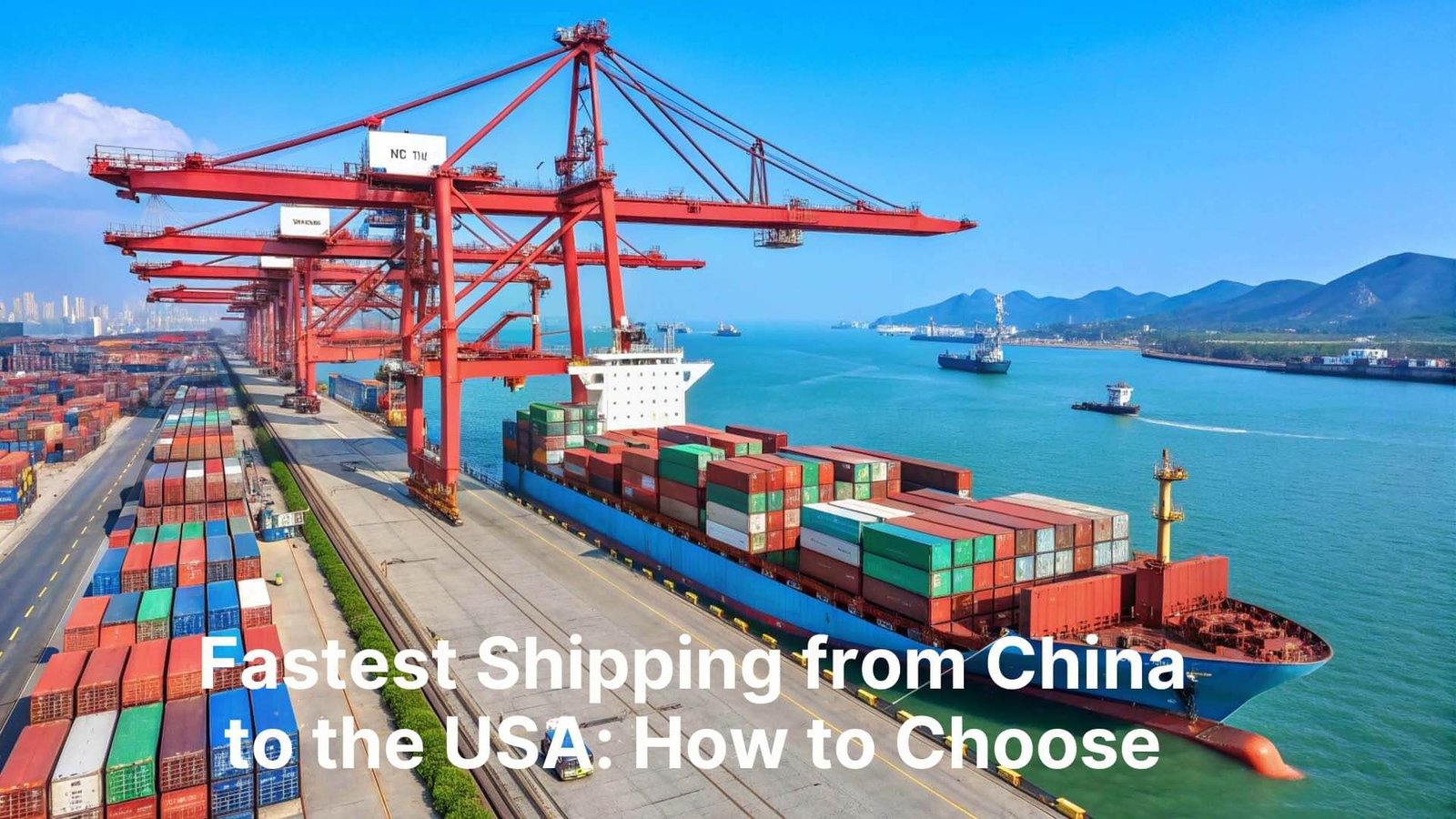
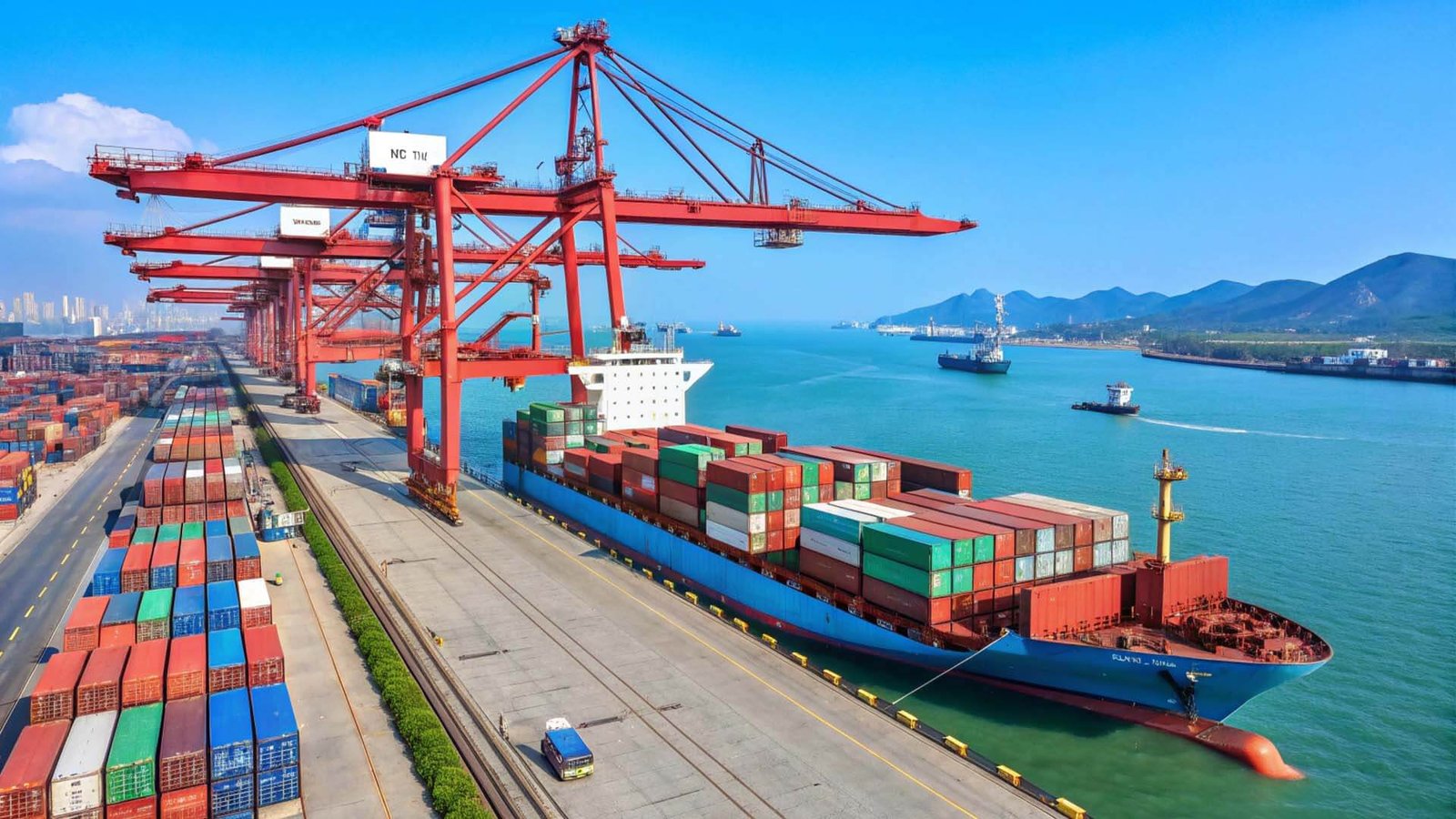
Gating in occurs when a container physically enters a port or terminal and is checked into the terminal operating system1. At this point, the terminal accepts custody of the container, allowing it to be staged for vessel loading or yard storage. Until gate-in occurs, port operations cannot proceed.
Before we dive deeper, let’s remember that timing is everything in logistics. Gating in is a vital part of the process, and its impact ripples through customs and delivery schedules.
What Exactly Does “Gating In” Mean at the Port?
Gating in refers to the moment a container physically enters the port or terminal and is officially accepted into the terminal system. This marks the transition where port operations can begin.
The gate-in timestamp2 is a critical operational milestone that triggers terminal handling, storage eligibility, and vessel planning. Late gate-in can cause missed sailings or rollover risk, while early gate-in may increase storage exposure3. For importers, gate-in timing directly influences schedule reliability and downstream delivery planning.
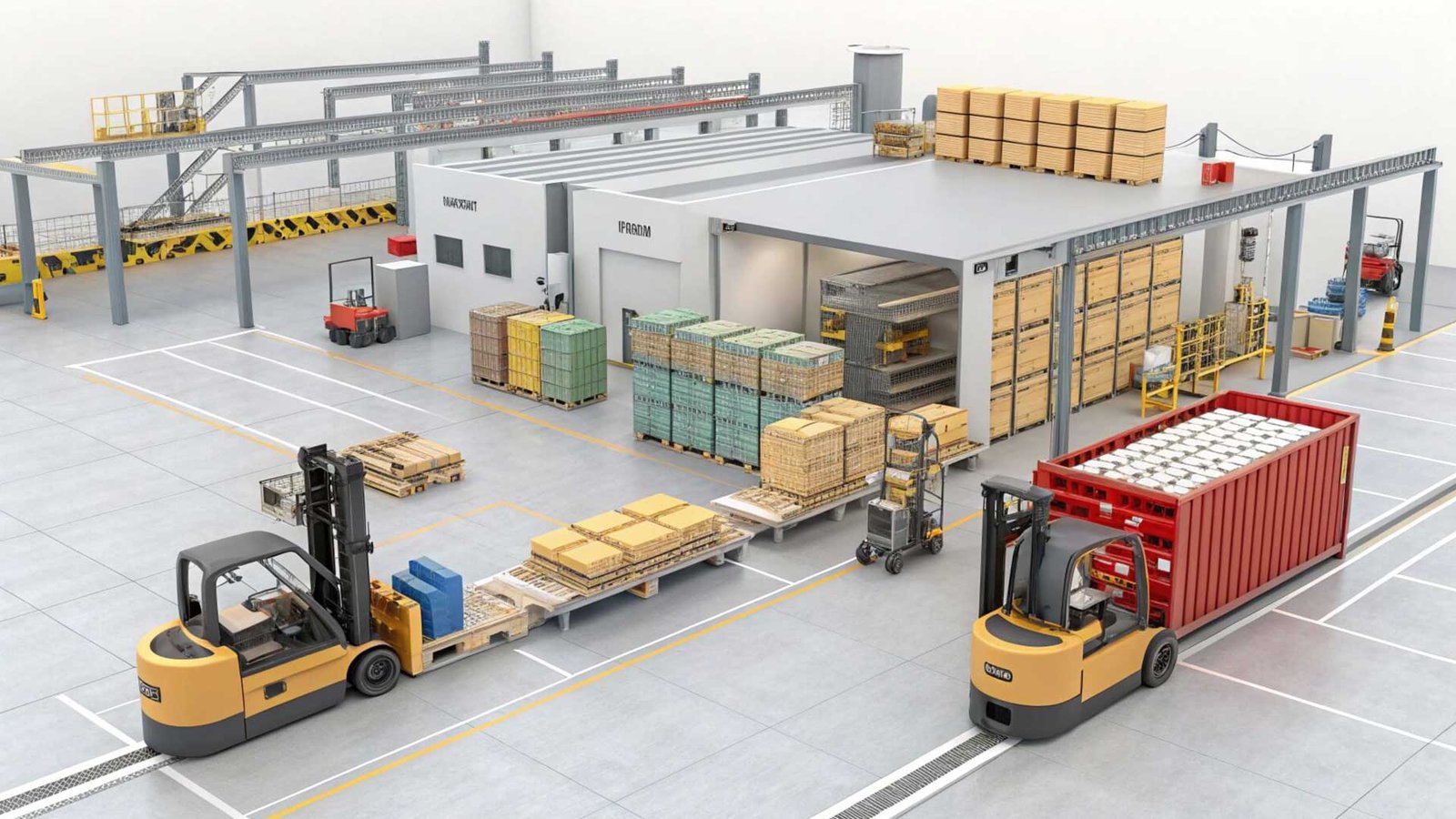
Understanding the gate-in process is essential because it sets the stage for everything that follows. It’s not just about getting into the terminal; it’s about ensuring that your cargo is processed efficiently. A delay at this stage can create a domino effect, causing issues down the line.
How Does Gate-In Status Impact Costs?
The gate-in status of a container plays a significant role in determining costs associated with shipping. Knowing when your container gates in can make a big difference in managing expenses.
Gate-in and gate-out timestamps are used to calculate demurrage and detention4. Delays entering or exiting the terminal can quickly lead to unexpected charges. Importers who lack gate-in visibility often face avoidable costs when containers miss free-time windows or cannot be picked up as planned.
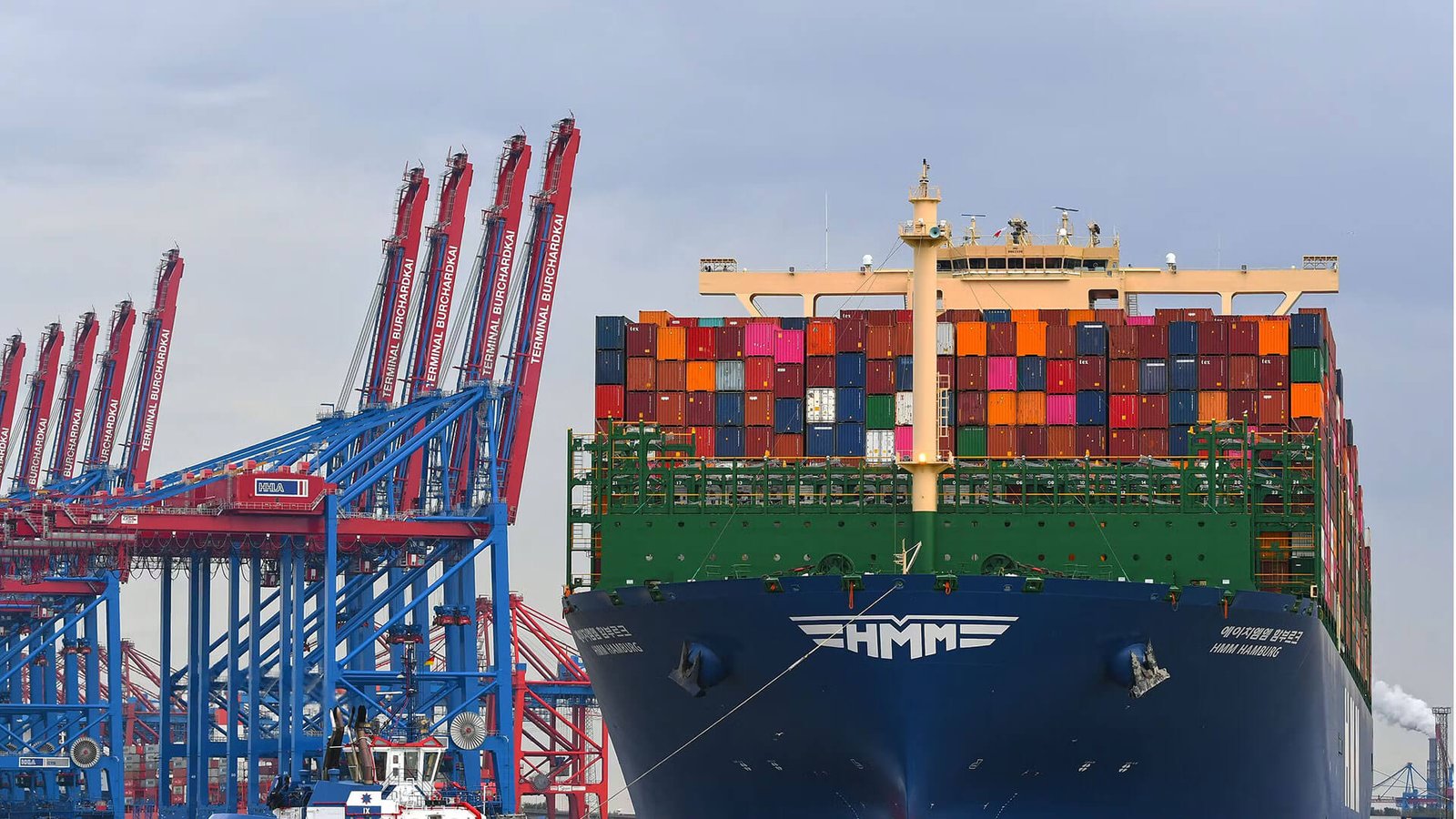
For importers, this is crucial information. If your container is late to gate in, it could mean additional fees for demurrage, as the clock starts ticking on your free time. Conversely, if you’re able to gate in early, you might find yourself facing storage charges if the container isn’t picked up promptly.
What Causes Gate-In Delays?
Delays can occur for various reasons, and understanding these can help you avoid them in the future. My experience has shown that being proactive can make all the difference.
Gate-in delays commonly result from missing documentation, invalid gate passes, appointment backlogs5, or terminal congestion6. Even when cargo arrives near the port on time, failure to meet terminal requirements can prevent entry. These delays often cascade into missed sailings, storage fees, and disrupted delivery schedules.
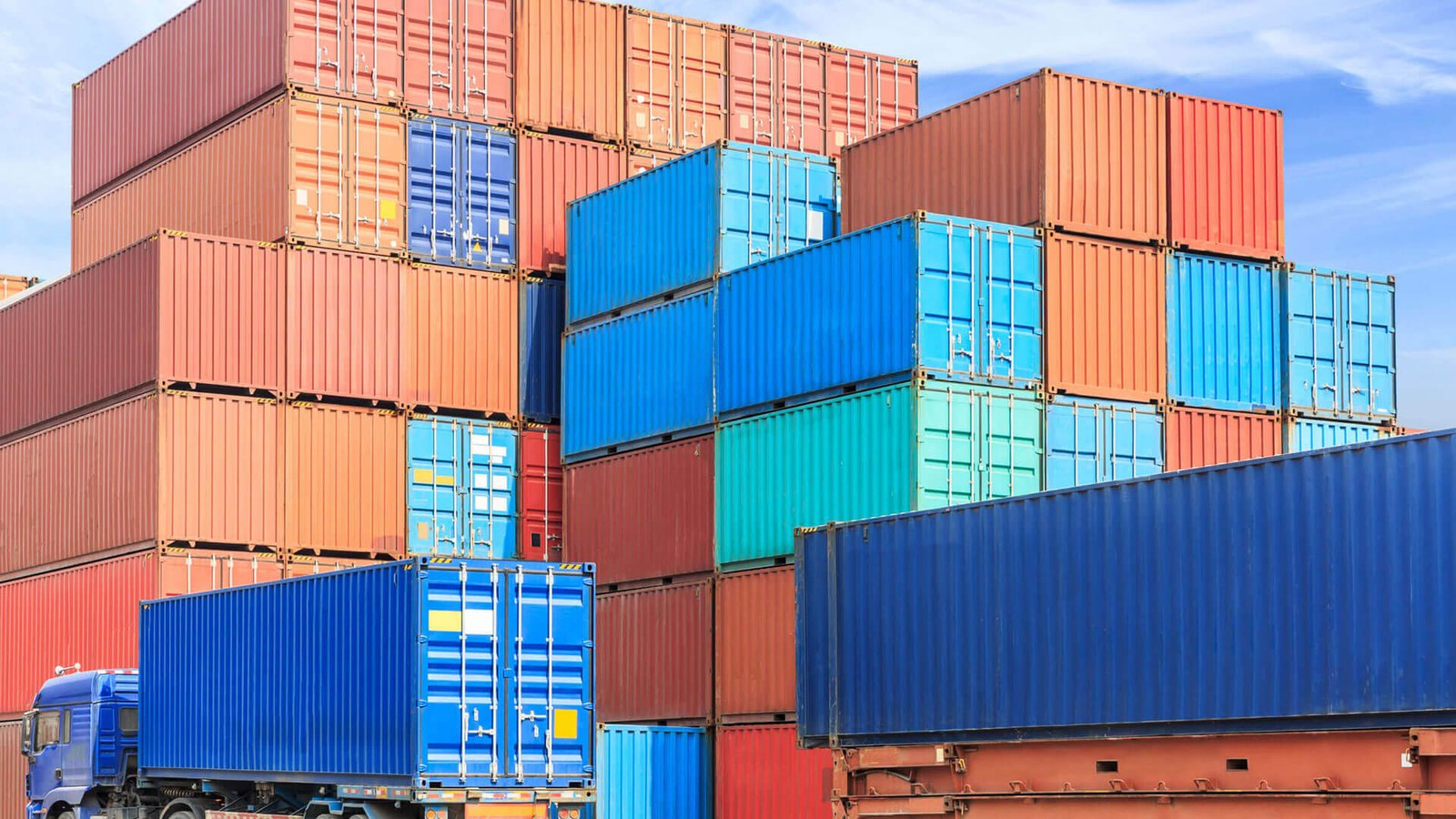
If you want to minimize the risk of delays, ensure that all documentation is in order before the cargo arrives at the terminal. Review your appointment systems to ensure timely arrivals and be aware of the congestion levels at the terminal.
How Does Gate-In Visibility Benefit Importers?
Having real-time visibility7 into gate-in status is crucial for efficient logistics management. This visibility allows for better coordination and planning across the supply chain.
Knowing exactly when a container gates in allows importers to align customs clearance8, drayage scheduling9, and warehouse receiving. Without real-time gate-in visibility, shipments may clear customs too early or too late, increasing storage costs and reducing supply-chain predictability10.

Being aware of gate-in times lets you plan customs clearance8s more effectively. If you know when your container will gate in, you can coordinate with customs to avoid unnecessary delays. This can also help schedule your drayage pickups efficiently to minimize downtime.
📊 Gate-In vs Gate-Out vs Availability – Importer Comparison Table
| Term | Definition |
|---|---|
| Gate-In | Container physically enters the terminal |
| Terminal officially accepts custody | |
| Triggers storage and vessel handling eligibility | |
| Availability | Container cleared by customs and released by the carrier |
| Importer can schedule pickup | |
| Does not guarantee physical exit yet | |
| Gate-Out | Container physically exits the terminal |
| Drayage pickup completed | |
| Stops demurrage clock and starts detention tracking |
Key Importer Insight: A container can be available but not gated out, which is where many unexpected charges occur.
🔁 Container Lifecycle Flow (Importer-Focused)
- Vessel Arrival at Port
- Cargo discharged from vessel
- Gate-In (Terminal Acceptance)
- Container checked into terminal system
- Customs Clearance
- Entry filed, duties paid, cargo released
- Availability Confirmation
- Carrier and terminal release container
- Drayage Pickup
- Truck retrieves container
- Gate-Out (Terminal Exit)
- Container exits port and detention clock begins
Conclusion
Understanding gating in11 is essential to managing your logistics effectively and can significantly impact your costs and delivery timelines.
Learn how terminal operating systems manage container logistics, ensuring efficient handling and storage at ports. ↩
Discover how the gate-in timestamp affects vessel planning and storage eligibility, impacting overall shipping efficiency. ↩
Understanding storage exposure helps in managing costs related to early gate-in and avoiding unnecessary storage fees. ↩
Understanding these charges can help importers avoid unexpected costs and manage shipping expenses more effectively. ↩
Appointment backlogs can lead to delays in port operations, impacting the entire logistics chain and increasing costs. ↩
Explore how congestion at terminals can lead to delays and increased costs, affecting overall supply chain efficiency. ↩
Real-time visibility in logistics allows for better coordination and planning, reducing delays and improving supply chain predictability. ↩
Learn about customs clearance to ensure timely processing of shipments, avoiding delays and additional costs. ↩
Efficient drayage scheduling is key to minimizing downtime and ensuring timely pickup and delivery of containers. ↩
Improving supply-chain predictability enhances efficiency and reduces unexpected delays and costs in logistics. ↩
Understanding 'gating in' is crucial for optimizing logistics processes and minimizing costs related to port operations. ↩