The logistics landscape is evolving, and many brands face challenges in scaling their delivery operations. To stay competitive, they must optimize their fulfillment strategies1.
Omnichannel fulfillment2 allows brands to fulfill orders from a shared inventory pool3 across e-commerce, retail, marketplaces, and wholesale channels. For importers, this means inbound inventory4 must be visible, flexible, and accurately allocated to support fast delivery while controlling fulfillment and transportation costs5.

Scaling delivery is not just about speed. It’s about efficiency, reliability, and cost control. Successful brands align their inbound shipping, inventory placement, and fulfillment networks to ensure a seamless flow from port to customer. If not managed well, brands may face delays and stock imbalances.
Omnichannel fulfillment2 enables brands to route imported inventory across multiple sales channels while maintaining delivery speed and cost control?
The retail landscape requires brands to fulfill orders across various channels efficiently. Understanding omnichannel fulfillment is key to achieving this.
Omnichannel fulfillment2 allows brands to fulfill orders from a shared inventory pool3 across e-commerce, retail, marketplaces, and wholesale channels. For importers, this means inbound inventory4 must be visible, flexible, and accurately allocated to support fast delivery while controlling fulfillment and transportation costs5.
Omnichannel fulfillment2 involves using a shared inventory that can be allocated to different sales channels. This strategy increases operational efficiency. It also requires that inventory management systems provide real-time visibility6. This visibility helps brands quickly respond to changes in demand.
To truly understand the potential of omnichannel fulfillment, consider its impact on inventory flow. Brands that can seamlessly route goods from a common inventory pool see enhanced delivery speed and cost savings. They can fulfill orders from e-commerce sites, physical stores, and other channels without missing a beat.
Scaling omnichannel delivery requires aligning inbound shipping7, inventory placement, and fulfillment nodes from port to customer?
To scale effectively, brands must focus on their logistics strategy.
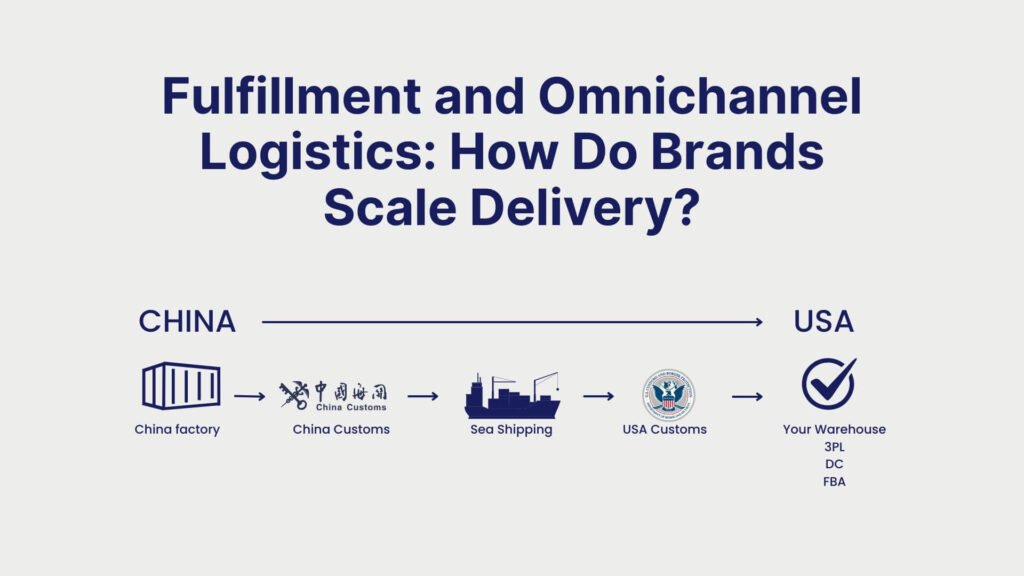
As order volumes grow, omnichannel delivery depends on how imported inventory moves from port to fulfillment centers. Poor alignment between inbound shipping schedules, customs clearance8, and warehouse placement leads to delays and stock imbalances, while coordinated planning improves speed, cost efficiency, and service reliability.
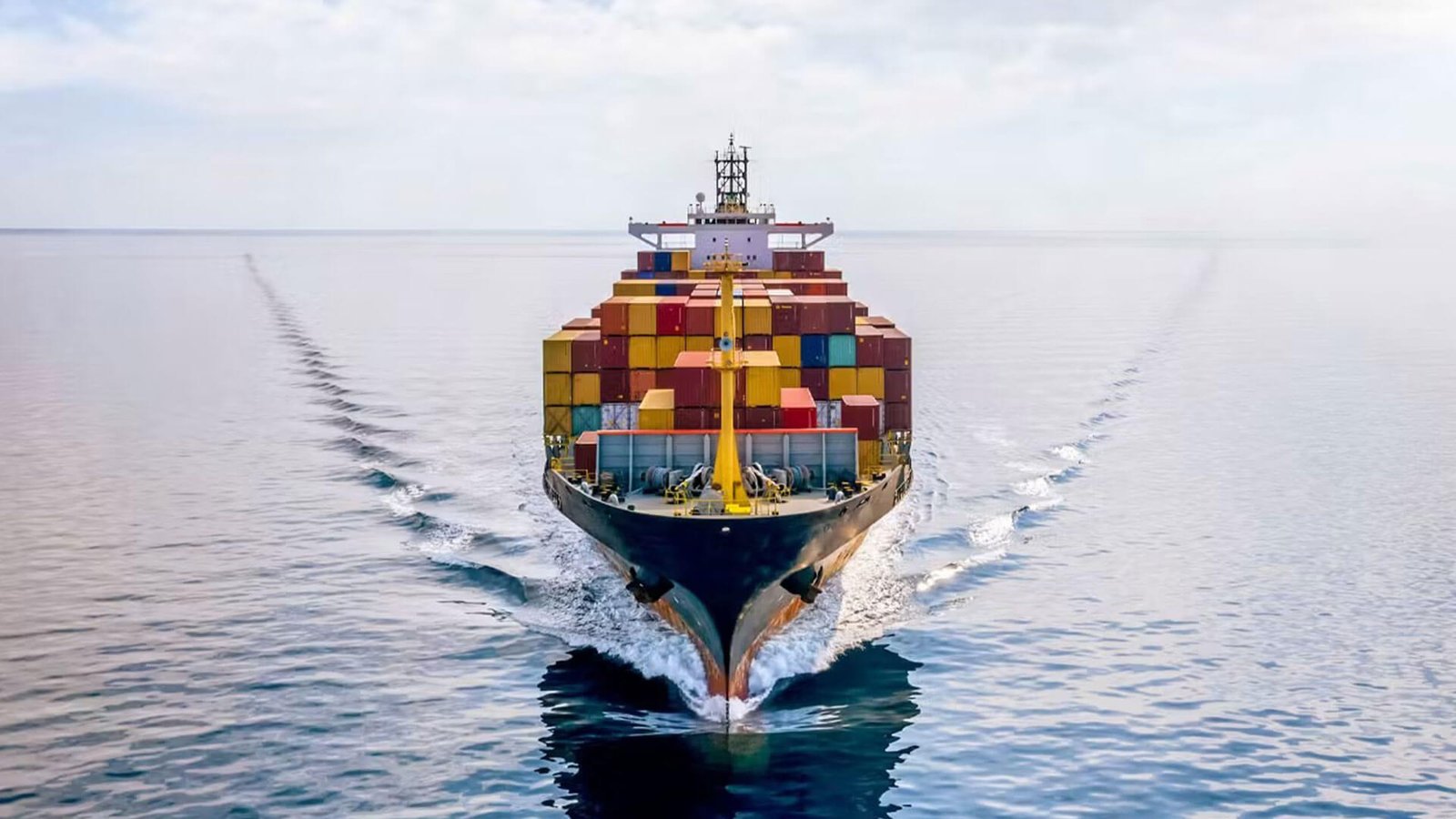
One of the biggest challenges in omnichannel logistics is aligning the entire process. It starts with inbound shipping. If shipping schedules are misaligned with customs clearance8, it results in delays. This delay can cause stock imbalances at fulfillment centers, which directly impacts customer satisfaction.
Brands need a proactive approach. They should coordinate shipping schedules with expected delivery times. Doing so prevents bottlenecks and ensures that inventory is always available when needed. The goal is to create a smooth flow from port to customer.
By understanding the logistics involved, brands can optimize their supply chain. They can reduce costs and improve delivery times. It’s a win-win for both the business and the customer.
Distributed fulfillment models9 help importers reduce last-mile costs and delivery times as order volumes grow?
The evolution of fulfillment strategies has led to distributed models becoming essential for scalability.
Distributed fulfillment places inventory closer to customers through multiple regional warehouses or partners. For importers, this model reduces last-mile shipping costs and delivery times but requires stronger inventory visibility and inbound planning to prevent overstocking, stockouts, and unnecessary transfer costs.

Distributed fulfillment models9 allow businesses to store inventory in multiple locations. This strategy has significant benefits. It reduces last-mile delivery costs10. It also shortens delivery times, which is crucial as order volumes increase.
However, with these benefits come challenges. Brands must maintain strong inventory visibility. They also need to ensure that their inbound planning is robust. This minimizes risks of overstocking or stockouts. A well-coordinated distributed model enhances the overall efficiency of logistics operations.
For brands looking to grow, distributed fulfillment models are often the answer. They provide flexibility and responsiveness to customer demands. The key is to balance the advantages with the complexities of managing multiple fulfillment points.
Technology integration11 across WMS, OMS, and transportation systems is critical to omnichannel visibility and execution?
In today’s logistic environment, effective technology integration is crucial.
Omnichannel fulfillment2 relies on integrated systems that connect order management, warehouse execution, and transportation. Without synchronized data, brands struggle with inaccurate inventory, misrouted orders, and delayed fulfillment. Technology integration11 enables real-time visibility6 from inbound shipments through final delivery.
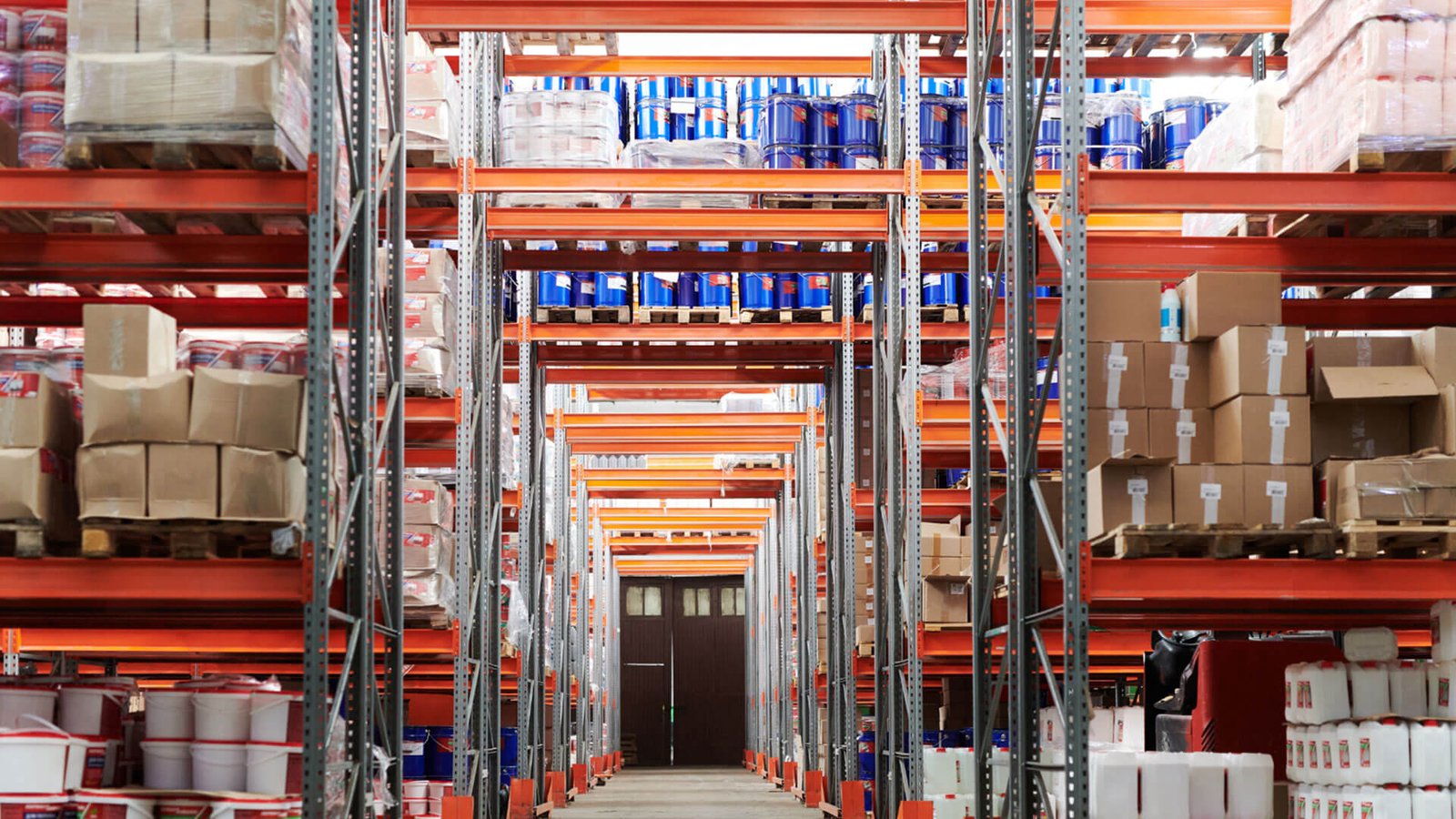
Modern logistics relies heavily on technology. Warehouse Management Systems (WMS)12, Order Management Systems (OMS)13, and transportation tools must work together for successful omnichannel fulfillment. When these systems are connected, brands gain real-time visibility6 across their logistics operations.
Without this integration, brands face significant challenges. Poor data synchronization can lead to inaccurate inventory levels. It can also result in misrouted orders and delays in fulfillment. To combat these issues, brands must embrace technology solutions that provide a cohesive view of their operations.
Effective technology integration ensures that every step— from inbound shipments to final delivery — is transparent. It empowers brands to make data-driven decisions and respond quickly to market changes.
Inventory accuracy14 and demand forecasting15 become more complex as brands expand across omnichannel fulfillment networks?
As a brand scales, managing inventory becomes more intricate.
Managing inventory across multiple fulfillment nodes increases forecasting complexity and margin risk. Importers must balance inbound lead times, safety stock, and channel demand to avoid excess inventory or missed sales. Accurate data and coordinated planning are essential to maintaining service levels as scale increases.
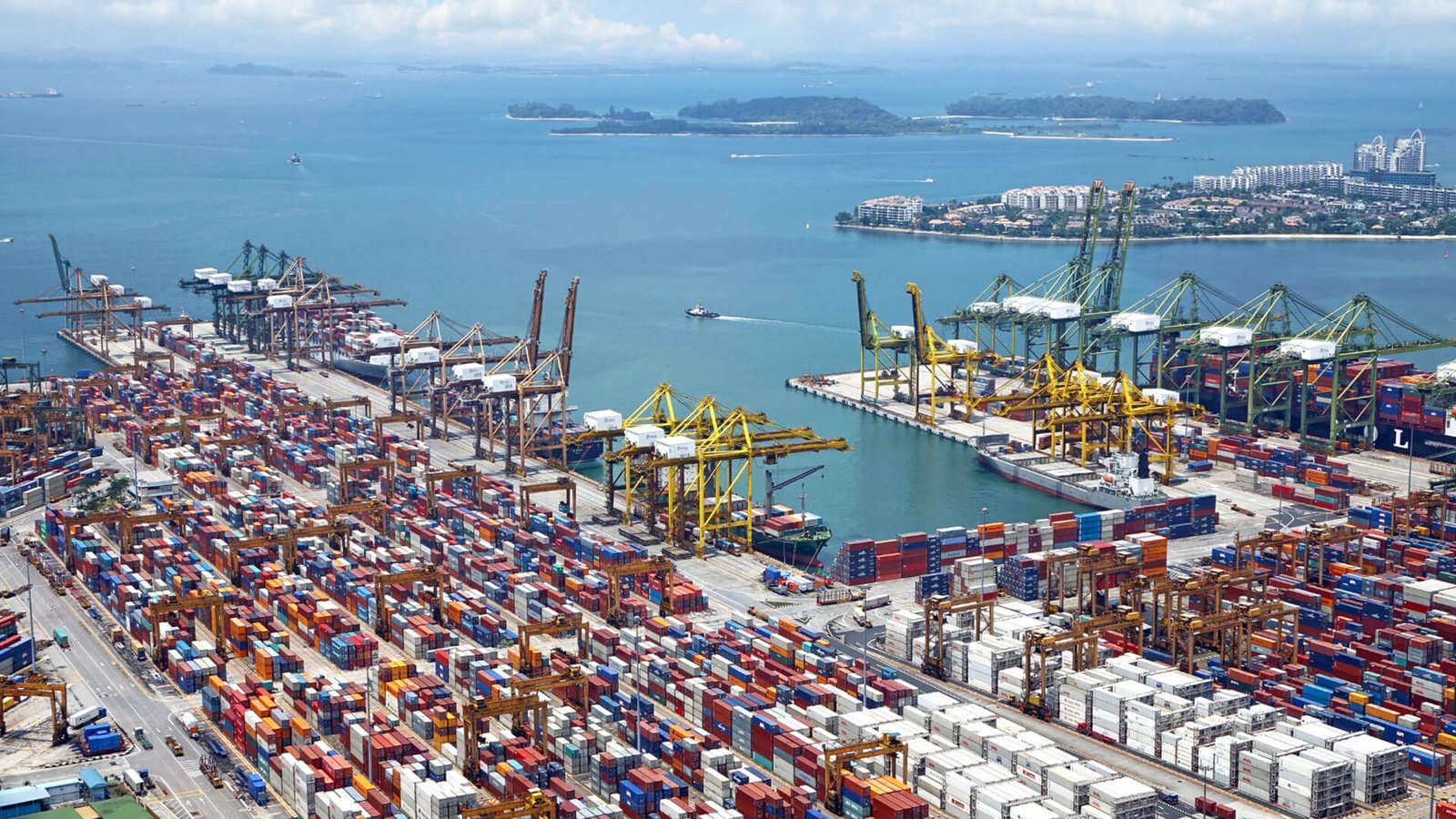
With growth comes complexity. Brands that expand their omnichannel networks must pay close attention to inventory management. Balancing inbound lead times, safety stock levels, and channel demand is critical.
Inaccurate forecasting can have dire consequences. Excess inventory can lead to increased holding costs. On the other hand, missed sales opportunities can occur if stock levels aren’t adequately monitored.
To maintain service levels, accurate data is essential. Brands must also invest in tools that provide insights into demand forecasting15. Coordinated planning across various channels ensures that inventory levels meet customer expectations without unnecessary financial risk.
Successful omnichannel scaling depends on coordinating international freight16, customs clearance8, and domestic fulfillment partners?
The logistics of scaling omnichannel fulfillment require careful coordination.
Brands that scale omnichannel successfully treat fulfillment as an end-to-end logistics process, not a warehouse function. Aligning international freight16, customs clearance8, and domestic fulfillment partners ensures inventory arrives on time, clears smoothly, and flows into the right nodes to meet delivery promises.
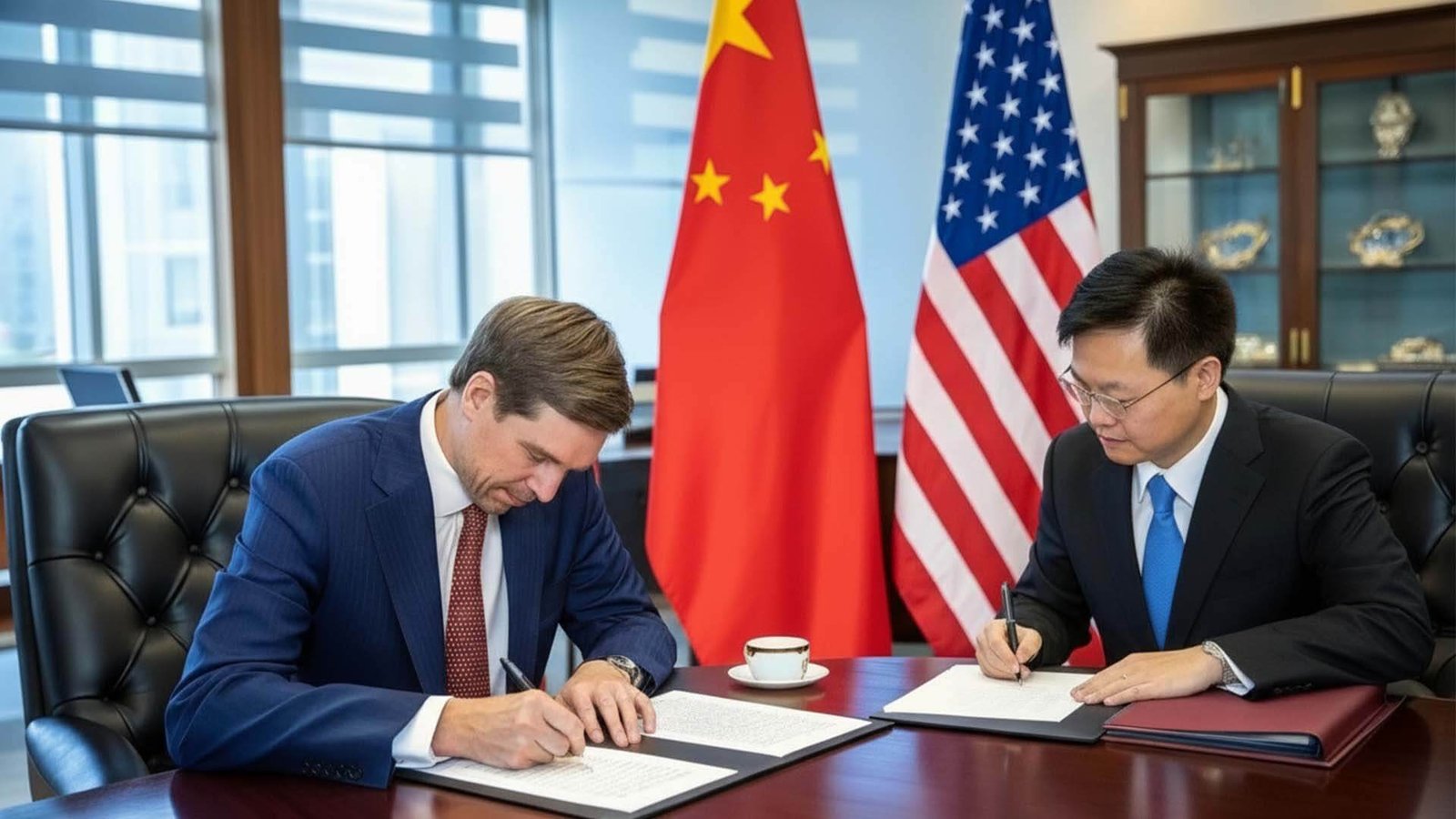
To be successful in omnichannel logistics, brands need to view fulfillment as a holistic process. This means treating every step— from international freight16 to customs clearance8 and domestic fulfillment— as interconnected.
When these elements work in harmony, it enhances the overall efficiency of the supply chain. Timely arrival of inventory and smooth customs clearance8 are essential. They ensure that goods flow seamlessly into the right fulfillment nodes.
By prioritizing coordination across these logistics aspects, brands can meet delivery promises consistently. This approach not only improves customer satisfaction but also strengthens the overall logistics strategy.
Conclusion
Scaling delivery through omnichannel fulfillment requires careful planning and execution across multiple logistics dimensions.
Learn how to improve fulfillment strategies to stay competitive in the logistics landscape. ↩
Discover how omnichannel fulfillment can streamline operations across various sales channels. ↩
Understand the benefits of using a shared inventory pool for efficient order fulfillment. ↩
Learn the importance of visibility and flexibility in managing inbound inventory for fast delivery. ↩
Find ways to manage costs effectively while maintaining delivery speed and efficiency. ↩
Discover the impact of real-time visibility on responding to changes in demand and improving delivery. ↩
Learn strategies to prevent delays and stock imbalances by aligning shipping schedules. ↩
Understand the role of customs clearance in ensuring smooth inventory flow and meeting delivery promises. ↩
Understand how distributed fulfillment models reduce last-mile costs and improve delivery times. ↩
Find out how to minimize last-mile delivery costs through strategic fulfillment models. ↩
Explore the significance of integrating WMS, OMS, and transportation systems for seamless operations. ↩
Learn how WMS contributes to effective inventory management and order fulfillment. ↩
Discover the benefits of OMS in managing orders and improving fulfillment accuracy. ↩
Understand the challenges and importance of maintaining accurate inventory levels. ↩
Explore the complexities of demand forecasting in balancing inventory and meeting customer demand. ↩
Learn the importance of aligning international freight with customs and domestic partners for timely delivery. ↩