Confused by freight jargon? Unexpected bills and delays are costing you money. A simple misunderstanding can trap your cargo at the port for weeks, hurting your business and your bottom line.
The most important freight terms for U.S. importers are Incoterms1 (like FOB2, DDP3), container types (FCL4, LCL5), and fee-related terms (Demurrage6, Detention7). These terms define who pays, who is at risk, and how your total landed cost and delivery schedule are ultimately determined.
I've spent years in the freight industry, helping importers move goods from China to the U.S. I’ve seen firsthand how a small vocabulary gap can lead to huge financial losses. This isn't just a dictionary. This is a practical guide to the terms that give you control over your shipments. Let's break down what you actually need to know, so you can import with confidence and protect your profits.
What Are the Core Freight Terms Every U.S. Importer Must Understand Before Shipping from China?
Shipping from China feels complex because many parties are involved. Who is responsible for what? This confusion can lead to costly errors and delays in your cardboard display supply chain.
The core terms are Freight Forwarder8, Customs Broker9, Carrier, Shipper, and Consignee. They define the roles and responsibilities of every party involved in moving your goods from the factory in China to your warehouse in the U.S. Understanding them is the first step.
To manage your shipment effectively, you must know who you are dealing with. Each party has a specific job. If you don't know who does what, you won't know who to call when a problem arises. It's the foundation of a successful import plan. I see importers mix these up all the time, leading to frustration. Let's clarify these roles so you always know who is accountable for each step of the journey.
Who's Who in Your Shipment?
| Term | Plain-English Definition | Why It Matters to You |
|---|---|---|
| Shipper | The party sending the goods. In most cases, this is your supplier in China. | This is who your freight forwarder coordinates with to pick up the cargo. The accuracy of their information is critical. |
| Consignee | The party receiving the goods. This is you, the U.S. importer. | You are the owner of the cargo. All customs documents and delivery instructions are based on your company's details. |
| Carrier | The company that owns the vessels, planes, or trucks (e.g., Maersk, MSC, FedEx). | They physically move your container from China to the U.S. Your freight forwarder books space with them on your behalf. |
| Freight Forwarder8 (FF) | Your logistics agent. They don't own the ships but arrange the entire shipment for you. | This is your main point of contact. They handle booking, documentation, and coordination between all other parties. A good FF is your partner. |
| Customs Broker9 | A licensed professional who handles the customs entry for your goods into the U.S. | They are legally required to clear your goods through U.S. Customs and Border Protection (CBP). An error by them can cause major delays. |
| Bill of Lading10 (B/L) | The official contract between the shipper and the carrier. It has three functions: a receipt for the goods, a contract of carriage, and a document of title. | There are two types you'll see: the Master B/L (MBL) from the carrier to the forwarder, and the House B/L (HBL) from the forwarder to you. The HBL is your key document to claim your goods. |
Incoterms1 Explained for Importers: Who Pays, Who Controls, and Who Takes the Risk?
Choosing the wrong Incoterm is a huge financial risk. You could end up paying for transport you thought was covered, or worse, you could be responsible for lost or damaged goods.
Incoterms1 are universal trade rules that define seller and buyer responsibilities. They clarify who pays for shipping, who handles insurance, and when risk transfers from your Chinese supplier to you. The most common terms for U.S. importers are EXW, FOB2, and DDP3.
I always tell my clients that their Incoterm choice is one of the most important financial decisions they will make. It's not just about the price on the invoice; it's about control and liability. Agreeing to an Incoterm without fully understanding it is like signing a blank check. Let's look at the most common ones so you can choose the right one for your business and avoid nasty surprises.
Comparing Common Incoterms1 for China to U.S. Shipping
| Incoterm | Who Pays for Main Shipping? | Who Controls the Shipment? | When Does Risk Transfer to You? | Best For... |
|---|---|---|---|---|
| EXW (Ex Works) | You (Importer) | You (Importer) | At the supplier's factory door. | Experienced importers with strong logistics partners in China. Gives you full control but also full responsibility. |
| FCA (Free Carrier) | You (Importer) | You (Importer) | When goods are loaded onto your forwarder's truck at a named place (often the supplier's factory). | Importers who want control but want the supplier to handle export loading. A better choice than EXW. |
| FOB2 (Free On Board) | You (Importer) | You (Importer) | When goods are loaded onto the vessel at the Chinese port. | The most popular choice. It balances control and cost, as you control the expensive ocean freight portion. |
| CFR (Cost and Freight) | Supplier | Supplier | When goods are loaded onto the vessel in China (same as FOB2). | Importers who want the supplier to handle shipping to the U.S. port. Risky, as you have no control over transit time or carrier. |
| DAP (Delivered at Place) | Supplier | Supplier | When goods arrive at your U.S. warehouse, ready for unloading. | Importers who want a hands-off approach but prefer to handle customs clearance themselves to control duties. |
| DDP3 (Delivered Duty Paid) | Supplier | Supplier | When goods arrive at your U.S. warehouse, cleared and ready for unloading. | New importers or those who want an all-in price. The supplier handles everything, including U.S. duties. |
Importer Tip: DDP3 vs. DAP With DDP3, the supplier pays for everything, including U.S. customs duties. With DAP, the supplier pays for transport to your door, but you are responsible for customs clearance and paying the duties. Many importers prefer DAP to maintain control over their customs process and avoid suppliers overcharging for duties.
Which Ocean Freight and Container Terms Directly Impact Cost, Transit Time11, and Port Fees12?
Your container has arrived, but now you have surprise fees. Demurrage6 and detention charges are eating into your profits. Why didn't anyone warn you about these hidden port costs?
Terms like FCL4 (Full Container Load), LCL5 (Less than Container Load), Demurrage6, and LFD13 (Last Free Day) directly control your costs. Understanding them is the key to preventing thousands of dollars in unexpected port fees and managing your delivery timeline effectively.

In my experience, port fees are the number one source of surprise costs for importers. The shipping lines and terminals are not flexible. If you miss a deadline by one day, you will get a bill. These fees can be $100-$300 per container, per day. Knowing these terms isn't optional; it's essential for protecting your budget. Let's make sure you understand exactly what they mean.
Key Terms That Drive Port Costs and Delays
- FCL4 (Full Container Load): You are renting an entire container (20ft, 40ft, or 40ft HC) for your cargo only. This is the most common method for shipping cardboard displays.
- LCL5 (Less than Container Load): You are sharing space in a container with other importers. Your goods are consolidated at a warehouse in China and deconsolidated at a warehouse in the U.S.
- CFS14 (Container Freight Station): A warehouse where LCL5 cargo is consolidated into containers (at origin) or deconsolidated from containers (at destination).
- LFD13 (Last Free Day): This is the last day your container can sit at the port terminal before storage fees, called Demurrage6, begin. You typically get 4-7 free days.
- Detention7: This fee is charged when you have picked up the full container from the port but have not returned the empty container back to the terminal in time.
- Why it matters: You must unload your container and have your trucker return it within the free time (usually 7-10 days) to avoid these daily penalties.
- HEA (Heavy Equipment Accident15): An unexpected charge from the port terminal if special equipment is needed to handle your container, often due to weight issues or other problems.
- Why it matters: This is a surprise fee that can appear on your invoice, underscoring the need for accurate weight declarations from your supplier.
What LCL5, FCL4, and CFS14 Terms Determine Consolidation, Deconsolidation, and Delay Risk?
You chose LCL5 to save money on a small shipment, but now your cargo is stuck. It's co-loaded with other shipments, and you have no visibility or control. This delay is costing you more than you saved.
FCL4 (Full Container Load) gives you an exclusive container, offering speed and security. LCL5 (Less than Container Load) means you share space, and your cargo must pass through a CFS14 (Container Freight Station) for consolidation and deconsolidation, which adds handling time and delay risk.
The choice between FCL4 and LCL5 is a classic trade-off between cost and risk. For small shipments, LCL5 looks cheaper on paper. However, I've seen too many importers get burned by LCL5 delays. Your cargo's timeline is tied to every other shipment in that box. If one person has a customs problem, everyone has a problem. Understanding the process at the CFS14 is critical to assessing whether the cost savings of LCL5 are worth the potential wait.
The LCL5 Journey and Its Risks
The process for an LCL5 shipment introduces several touchpoints that FCL4 shipments avoid. Each touchpoint is a potential point of delay.
- Origin CFS14 (China): Your supplier delivers your goods to a CFS14 warehouse. Here, your cargo waits for other shipments to arrive that are going to the same destination port in the U.S.
- Consolidation: The forwarder's team loads your cargo along with others into a single FCL4 container. This process can take several days, depending on how quickly the container fills up.
- Ocean Transit: The consolidated container is shipped to the U.S. just like a normal FCL4 container.
- Destination CFS14 (U.S.): Upon arrival and customs release, the container is trucked to a destination CFS14 near the port.
- Deconsolidation: The CFS14 crew unloads the container, separating all the individual LCL5 shipments. This is where delays are very common. The CFS14 can be congested, and your cargo may sit for days before it is available for pickup.
Importer Tip: The LCL5 Delay Trap The biggest risk with LCL5 is at the destination CFS14. If just one of the shipments in your consolidated container gets a customs hold, the entire container is held. That means your cargo, even if it's perfectly compliant, cannot be released until the other shipment's issue is resolved. This can add weeks to your delivery time.
Which Freight Documentation and Compliance Terms Affect Customs Clearance and Delivery?
U.S. Customs has put your shipment on hold. A simple error on a form has stopped your entire delivery. Now you face delays, inspection fees, and potential fines, all from a paperwork mistake.
The most critical documents are the Commercial Invoice16, Packing List17, and Bill of Lading10. Key compliance filings include ISF (Importer Security Filing18) and AMS19. Errors or late filings on any of these will result in customs holds, exams, and penalties, delaying your inventory.
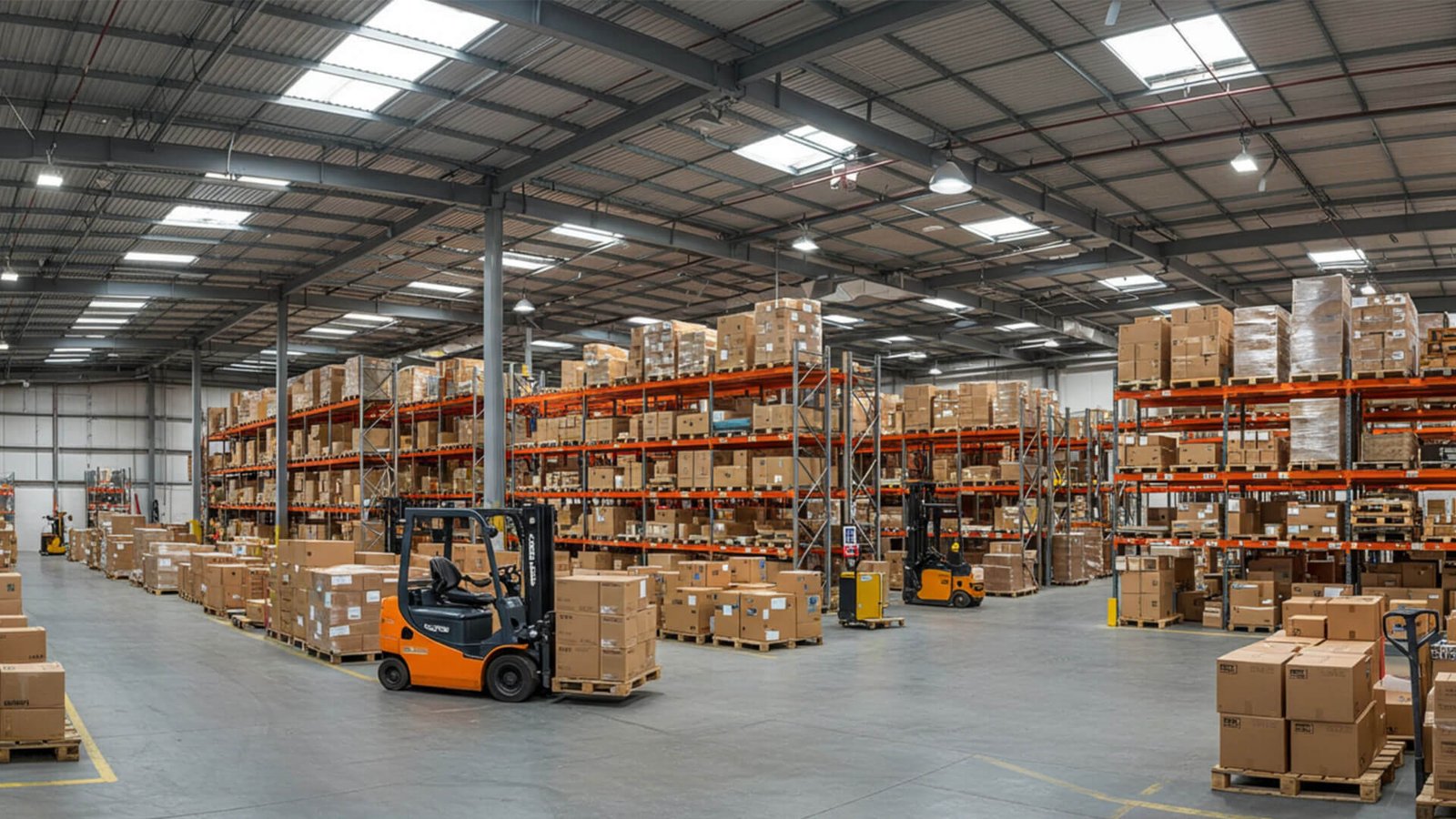
Paperwork is the lifeblood of international shipping. To U.S. Customs, if it isn't documented correctly, it didn't happen. I cannot stress this enough: 90% of customs delays I see are caused by inaccurate or late documents. Your supplier in China might not understand U.S. requirements, so you must be vigilant. Getting the documents right is just as important as making a great product.
Your Documentation Checklist for Smooth Clearance
- Commercial Invoice16: The bill for the goods from your supplier.
- Packing List17: A document that details the contents of each box, including weights and dimensions.
- Why it matters: Customs uses this to verify the contents of your shipment during an exam. If it doesn't match what's in the box, you will face major delays.
- ISF (Importer Security Filing18, or "10+2"): A U.S. Customs security filing. It must be submitted by your forwarder or broker at least 24 hours before the container is loaded onto the vessel in China.
- Why it matters: Late or inaccurate ISF filing results in a $5,000 penalty per violation. This is one of the most common and costly mistakes.
- AMS19 (Automated Manifest System): A filing submitted by the ocean carrier to U.S. Customs that details all cargo on board a vessel.
- Customs Bond: An insurance policy required by U.S. Customs to ensure that all duties and taxes will be paid. You can buy a single-entry bond or a continuous bond for multiple shipments.
- Why it matters: You cannot import into the U.S. without a customs bond. A continuous bond is more cost-effective if you import more than 2-3 times per year.
- FCR (Forwarder's Cargo Receipt): A document issued by a freight forwarder to certify they have received the goods for shipment.
- Why it matters: It is proof of handover but is not a document of title like a Bill of Lading. Do not mistake it for one.
- AHT (Actual Handover Time): The exact time and date when cargo is handed over from one party to another, for example, from the factory's truck to the forwarder's warehouse.
- Why it matters: This timestamp is crucial for tracking and liability. It proves when responsibility for the cargo was transferred.
Which Customs, Duties, and Import Control Terms Influence Your Landed Cost?
You calculated your product cost, but the final invoice is much higher. Hidden duties and taxes have destroyed your profit margin. How can you predict these costs accurately before you ship?
Your total Landed Cost is determined by terms like HTS Code, Customs Duty, and Section 301 Tariffs. The HTS Code dictates the duty rate, which is the tax you pay to import your goods. Misunderstanding these terms leads to surprise bills.

The single biggest variable in your final cost is often customs duty. As an importer, you are legally responsible for correctly classifying your products and paying the right amount. I've seen importers rely on their supplier's HTS code, only to find out it was wrong and they owe thousands in back-duties and penalties. You must take ownership of this process to protect your business. Let's define the terms that directly impact your wallet.
Key Terms That Define Your Final Import Cost
- Landed Cost: The total cost of a product once it has arrived at your door. This includes the product cost, transportation fees, insurance, and all import duties and taxes.
- Why it matters: This is your true cost of goods. Calculating it accurately is essential for setting your sales price and ensuring profitability.
- HTS Code (Harmonized Tariff Schedule Code): A 10-digit code assigned to every product imported into the U.S.
- Why it matters: This code determines the duty rate for your product. A wrong HTS code can lead to paying too much duty or, worse, underpaying and facing penalties later. Your customs broker can help you classify your products correctly.
- Customs Duty: The tax levied by U.S. Customs on imported goods. It is calculated as a percentage of the goods' value.
- Why it matters: This is a major component of your landed cost. You must budget for it. The duty rate is determined by the HTS code.
- Section 301 Tariffs: Additional tariffs imposed by the U.S. on many goods imported from China.
- Why it matters: These tariffs can be as high as 25% on top of the regular customs duty. You must verify if your products are subject to these tariffs, as they can dramatically increase your costs.
- De Minimis Value: A value threshold under which goods can be imported into the U.S. without being subject to duties and taxes. The current De Minimis value is $800.
- Why it matters: This is relevant for very small, low-value shipments, but not for commercial freight shipments like cardboard displays, which will almost always be over this value.
What Warehouse, Bonded, and In-Bond Terms Impact Inventory Visibility and Cash Flow?
Your goods are in the U.S., but you can't sell them yet. You need to pay customs duties first, which ties up your cash. Is there a way to defer these payments and improve your cash flow?
Yes. A Bonded Warehouse allows you to store imported goods without paying duties immediately. You can use an In-Bond movement to transfer uncleared cargo to a bonded facility or a Foreign Trade Zone (FTZ), improving cash flow by deferring duty payments.
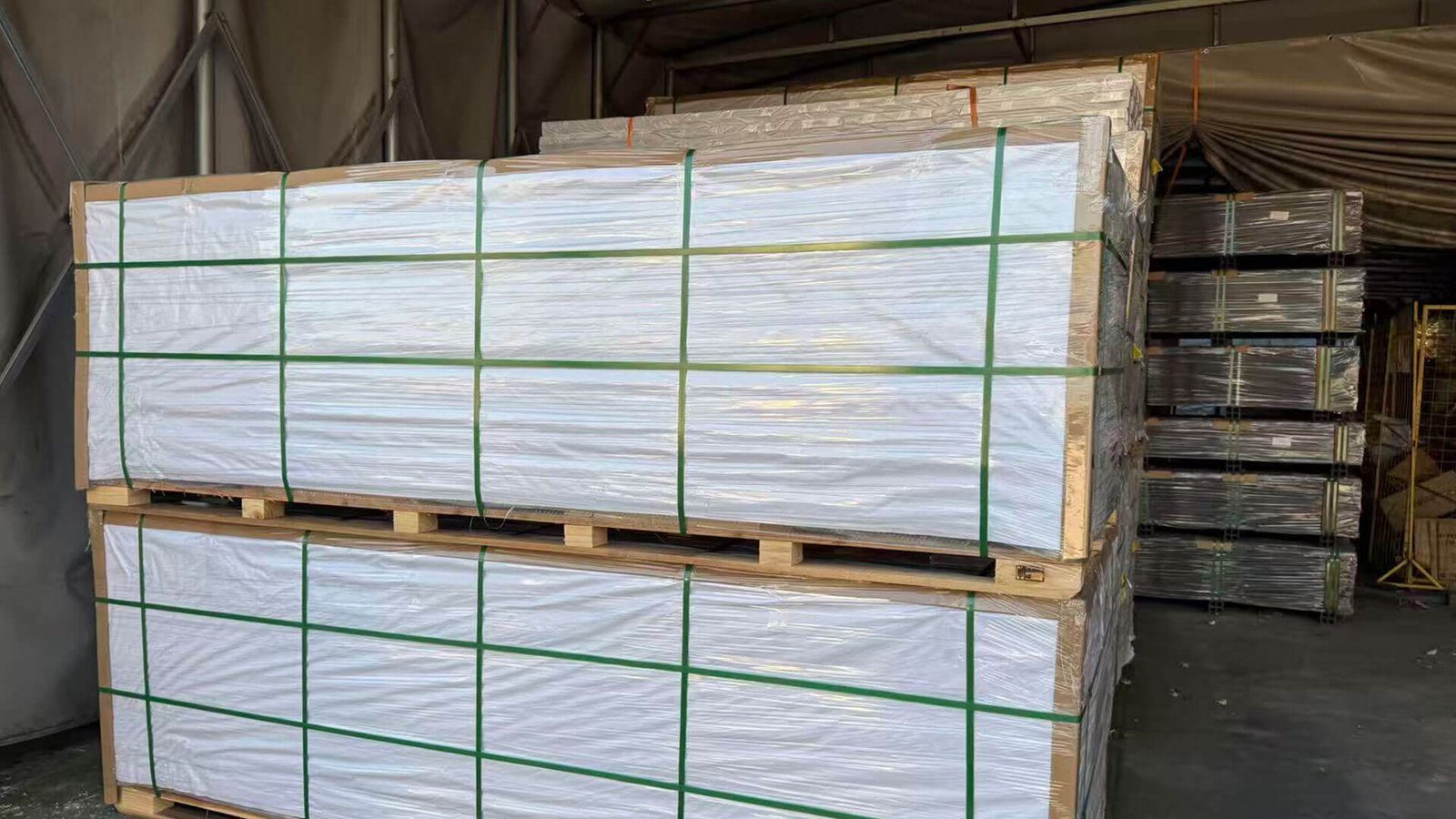
Cash flow is king for any business. Paying a large duty bill the moment your goods arrive can be a major strain, especially for high-value shipments. For years, I've helped clients use bonded solutions to manage their inventory and finances more strategically. It's a powerful tool that allows you to pay duties only when you are ready to move the product into the U.S. market, aligning your expenses more closely with your revenue.
Using Bonded Options to Your Advantage
- Bonded Warehouse: A secure facility supervised by U.S. Customs where you can store imported goods for up to 5 years without paying duties.
- Why it matters: This is a game-changer for cash flow. You can import large quantities, store them in a bonded warehouse, and withdraw and pay duties on smaller portions as you sell them.
- Bonded Cargo: Any shipment that has not yet been cleared by customs. It must be moved by a bonded carrier and can only be stored in a bonded facility.
- Why it matters: This status means the goods are still under customs control. You cannot legally access or sell them until they are formally cleared and duties are paid.
- In-Bond Movement: A special customs procedure that allows you to move uncleared (bonded) cargo from one U.S. port or location to another. For example, moving a container from the Port of Los Angeles to a bonded warehouse in Chicago.
- Why it matters: This gives you flexibility. You can move goods closer to your end customers before paying duties, reducing final delivery time once you're ready to sell.
- FTZ (Foreign Trade Zone): A special, secure area within the U.S. that is legally considered outside of U.S. customs territory.
- Why it matters: In an FTZ, you can store, manufacture, or assemble goods using imported components without paying duties until the finished product enters the U.S. market. It's a powerful tool for manufacturers.
- ASN (Advanced Shipping Notice): An electronic notification of a pending delivery. Your supplier or forwarder sends this to your warehouse.
- Why it matters: An ASN allows your warehouse to prepare for the arrival of your goods, improving receiving efficiency and inventory accuracy. It's crucial for modern inventory management.
Which Delivery, Port, and Last-Free-Day (LFD) Terms Drive Demurrage and Detention Costs?
Your container is at the port, but your trucker can't pick it up. The clock is ticking on your "free days," and soon you'll face hefty daily fees for not acting fast enough.
Last Free Day (LFD) is the final day your container can stay at the port terminal before Demurrage fees begin. After pickup, you have limited free days before Detention fees (for the empty container) start. Missing these deadlines is extremely expensive.
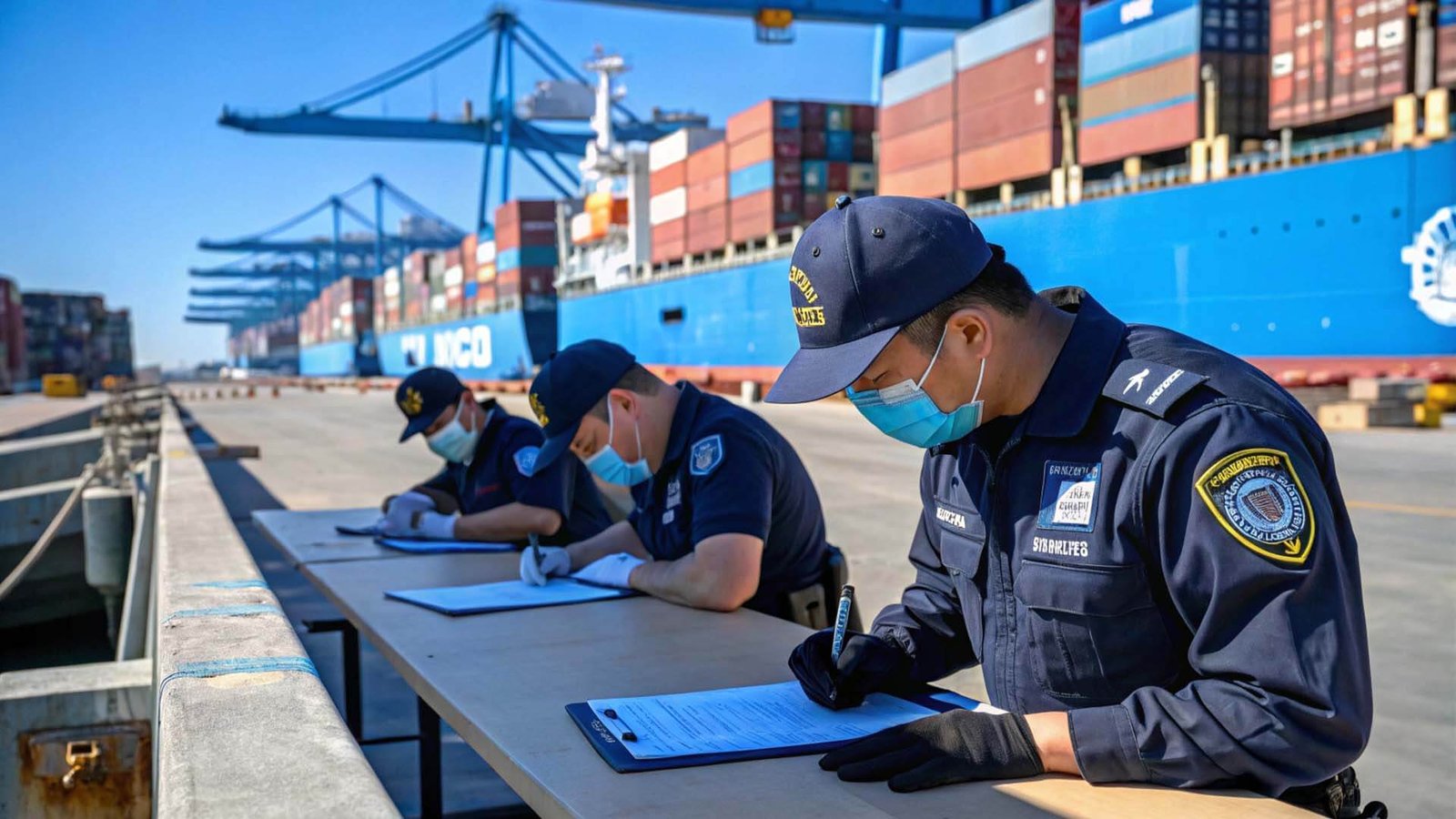
Demurrage and detention are the two most punitive fees in shipping. They are 100% avoidable but trap importers every single day. I've seen clients get five-figure bills for a single container stuck at the port during a holiday weekend. The key is to have a plan for customs clearance and trucking before your vessel even arrives. Coordination is everything. Let's make sure you never pay these fees again.
The Clock is Ticking: A Timeline of Port Fees
| Event | Key Term | What Happens |
|---|---|---|
| Vessel Arrives | Port Congestion | If the port is busy, your ship may have to wait at anchor for days before it can dock and unload. This is a common delay. |
| Container Unloaded | Last Free Day (LFD) | The clock starts. You now have a fixed number of "free days" (typically 4-7) to clear customs and pick up your container. |
| LFD Expires | Demurrage | If your container is still at the terminal after the LFD, you will be charged a daily storage fee called Demurrage until it is picked up. |
| Container Picked Up | Drayage / Chassis Split | Your trucker picks up the container using a truck chassis. If the chassis isn't at the same location as the container, it's called a chassis split, which adds cost and time. The act of trucking a container from the port is called drayage. |
| Empty Return Deadline | Detention | After pickup, you have a set number of days (usually 7-10) to unload the container and return the empty box to the port. If you are late, you are charged a daily rental fee called Detention. |
What Freight Forwarder, Carrier, and Broker Terms Define Responsibility and Liability?
Something went wrong with your shipment, and now you have damaged goods. Who is to blame? The forwarder points to the carrier, and the carrier points back. You're stuck in the middle with no resolution.
A Carrier (e.g., MSC) owns the ships and is responsible for transport. A Freight Forwarder is your agent who books with carriers. A Customs Broker handles your import filing. Understanding their separate roles and limited liabilities is key to knowing who to hold accountable.
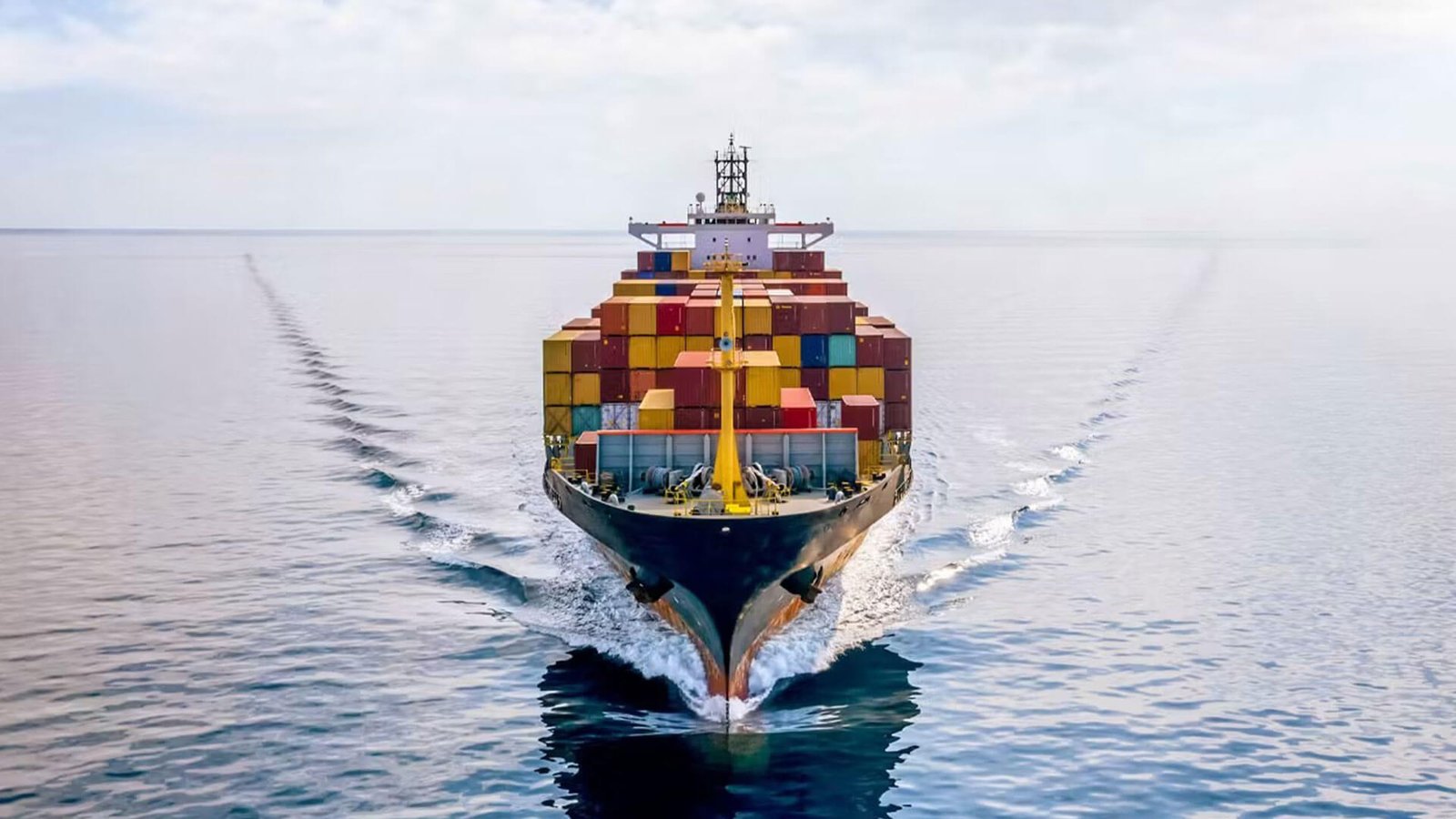
When things go right, everyone looks like a hero. When things go wrong, everyone points fingers. I always advise my clients to understand that each party in the chain has a very specific and limited scope of liability. The carrier's liability for lost or damaged cargo is shockingly low. Relying on their liability is a recipe for financial disaster. You need to know their roles and, most importantly, protect yourself.
Who is Responsible for What?
- Carrier: Owns and operates the vessels. Their main job is to move the container from Port A to Port B.
- Liability: Extremely limited by international law, often to just $500 per package or container. They are not responsible for delays caused by weather or port congestion.
- Freight Forwarder (FF) / NVOCC: Your logistics manager. If they issue their own House Bill of Lading, they are acting as a Non-Vessel Operating Common Carrier (NVOCC).
- Liability: Their liability is also limited by their terms and conditions. They are responsible for errors in booking or documentation but not for the carrier's performance.
- Customs Broker: Your agent for U.S. Customs clearance.
- Liability: They are responsible for filing your import entry accurately based on the documents you provide. They are not liable for incorrect information given to them.
- Bill of Lading (as a contract): The B/L is the contract of carriage. The terms and conditions on the back (in tiny print) define the carrier's obligations and liabilities.
- Why it matters: This document legally limits what you can claim if something goes wrong.
- Cargo Insurance: An insurance policy you purchase to cover your goods for their full value against loss or damage during transit.
- Why it matters: This is the only way to be fully protected. Carrier and forwarder liability will never cover your full loss. I tell every importer that if they can't afford to lose the entire shipment, they must buy cargo insurance.
Frequently Asked Freight Terms U.S. Importers Ask About (Quick Definitions)?
You hear freight terms all the time but are not 100% sure what they mean. You need quick, clear answers without reading a whole article. This can make you feel unsure in negotiations.
This section provides rapid-fire answers to the most common freight questions. From "What is LCL?" to "What's the difference between DDP and DAP?", get the concise definitions you need to make smarter, faster decisions for your business and sound like a pro.
I get these questions every day. There's no shame in asking. The world of freight is filled with acronyms and jargon. Here are the quick, straight-to-the-point answers I give my clients to help them navigate conversations with suppliers and logistics partners.
What are the different freight terms?
Freight terms refer to all the language and acronyms used in logistics, covering roles (Shipper), rules (Incoterms), container types (FCL), documents (B/L), and fees (Demurrage).
What are the 6 basic Incoterms?
While there are 11 Incoterms, six are very common in container shipping: EXW, FCA, FOB, CFR, DAP, and DDP. They define who pays for shipping and when risk transfers.
What is FCR in freight terms?
FCR stands for Forwarder's Cargo Receipt. It is a document a forwarder issues to prove they have received the goods, but it is not a title document like a Bill of Lading.
What is LCL in freight terms?
LCL stands for Less than Container Load. It means your shipment does not fill a whole container, so you share space with other importers to save on cost.
What are the 7 C’s of logistics?
This is a conceptual framework, not a set of freight terms. It generally refers to: Correct product, Customer, Cost, Condition, Place, Time, and Quantity.
What are the 7 Incoterms?
There are 11 official Incoterms, but the 7 most relevant for most importers are EXW, FCA, FOB, CFR, CIF, DAP, and DDP.
What is CFR and DDP?
CFR (Cost and Freight) means the supplier pays to ship the goods to the destination port. DDP (Delivered Duty Paid) means the supplier pays for everything, including shipping and U.S. import duties, to your final destination.
What is better, DDP or DAP?
It depends on control. DDP is easier but you lose control over duty costs. DAP is often better because you manage your own customs clearance, ensuring you pay the correct duty amount.
Which is better, EXW or FCA?
FCA (Free Carrier) is almost always better than EXW (Ex Works). With FCA, the supplier is responsible for loading the goods and handling export customs formalities in China, reducing your risk.
What does FF mean in freight?
FF stands for Freight Forwarder. They are your logistics agent who arranges the entire shipping process for you.
What is LCL and CFS shipping?
LCL (Less than Container Load) shipments are processed through a CFS (Container Freight Station). The CFS is a warehouse where your goods are consolidated with others into a container before shipping and deconsolidated upon arrival.
What is the difference between FCR and AHT?
FCR (Forwarder's Cargo Receipt) is a document proving receipt of goods. AHT (Actual Handover Time) is the specific timestamp when the physical handover of goods occurred.
What is CIP and DDP?
CIP (Carriage and Insurance Paid To) is like CFR but includes insurance, and it's mainly for containerized freight. DDP (Delivered Duty Paid) is an all-inclusive term where the seller handles everything to the buyer's door, including duties.
What is the most commonly used Incoterm?
FOB (Free On Board) is the most commonly used Incoterm for U.S. importers shipping from China. It provides a good balance of cost and control over the shipment.
What is CFR and DAP?
CFR (Cost and Freight) covers shipping to the destination port only. DAP (Delivered at Place) covers shipping all the way to your door, but you handle customs and duties.
What is LFD in freight?
LFD stands for Last Free Day. It is the deadline to pick up your container from the port terminal before daily storage fees (demurrage) begin.
What does CFS stand for in freight?
CFS stands for Container Freight Station. It is a warehouse for consolidating and deconsolidating LCL (Less than Container Load) shipments.
What is HEA in shipping?
HEA stands for Heavy Equipment Accident. It is a terminal handling charge that can be applied if special equipment is needed to move your container, often due to weight or other issues.
Conclusion
Understanding freight terms isn’t about vocabulary. It’s about gaining control over your costs, risks, and delivery outcomes when importing products from China to the United States.
Understanding Incoterms is crucial for managing shipping costs and responsibilities effectively. ↩
FOB is a popular Incoterm that balances control and cost, making it essential for importers. ↩
DDP simplifies the shipping process for new importers by covering all costs, including duties. ↩
FCL offers exclusive container use, reducing risk and improving delivery speed for importers. ↩
LCL can save costs but may lead to delays due to shared container space; understanding this is vital. ↩
Demurrage fees can significantly impact your budget; knowing how to avoid them is essential. ↩
Detention fees can add unexpected costs; understanding this term helps in managing your shipment. ↩
A freight forwarder is your main logistics partner, crucial for coordinating your shipments. ↩
Customs brokers are essential for clearing goods through customs, preventing costly delays. ↩
The Bill of Lading is a key document for claiming goods; understanding it is critical for importers. ↩
Transit time impacts delivery schedules and costs; knowing this helps in planning shipments. ↩
Awareness of port fees can prevent budget overruns and unexpected costs during shipping. ↩
Understanding LFD is vital to avoid incurring demurrage fees and managing port costs. ↩
CFS plays a crucial role in LCL shipments; knowing its function helps manage delivery timelines. ↩
Understanding this charge helps avoid unexpected fees related to container handling. ↩
The Commercial Invoice is key for customs duties; accuracy is crucial to avoid delays. ↩
A Packing List details shipment contents; discrepancies can lead to customs issues. ↩
ISF is critical for compliance; errors can lead to significant penalties and delays. ↩
AMS is essential for customs clearance; discrepancies can trigger holds on your shipment. ↩