Struggling to manage international shipping1? The complex process often causes costly delays and confusion. A freight forwarder2 orchestrates the entire journey, making your logistics simple and efficient.
Freight forwarder services cover planning and coordinating international shipments. This includes transportation booking3, routing4, and documentation handling5. Forwarders act as logistics orchestrators6, managing multiple parties so you can move goods efficiently across borders without handling each step yourself.
When I first started helping US importers, I noticed a common problem. Many, like my client Mark, were experts in their products but overwhelmed by the logistics of getting them from China to the USA. They knew they needed help, but the exact role of a freight forwarder2 was unclear. This lack of clarity can lead to missed steps, unexpected costs, and a lot of stress. Understanding what a forwarder actually does is the first step to taking back control of your supply chain7. Let's break down the specific services you should expect.
What Freight Forwarder Services Actually Cover Across International Shipping and Imports?
Wondering what a freight forwarder2 really does for you? This uncertainty can lead to gaps in your shipping process. We organize your entire shipment from start to finish.
Freight forwarder services cover planning and coordinating international shipments, including transportation booking3, routing4, documentation handling5, and coordination with carriers and customs brokers8. Forwarders act as logistics orchestrators6, managing multiple parties so importers can move goods efficiently across borders without handling each operational step themselves.
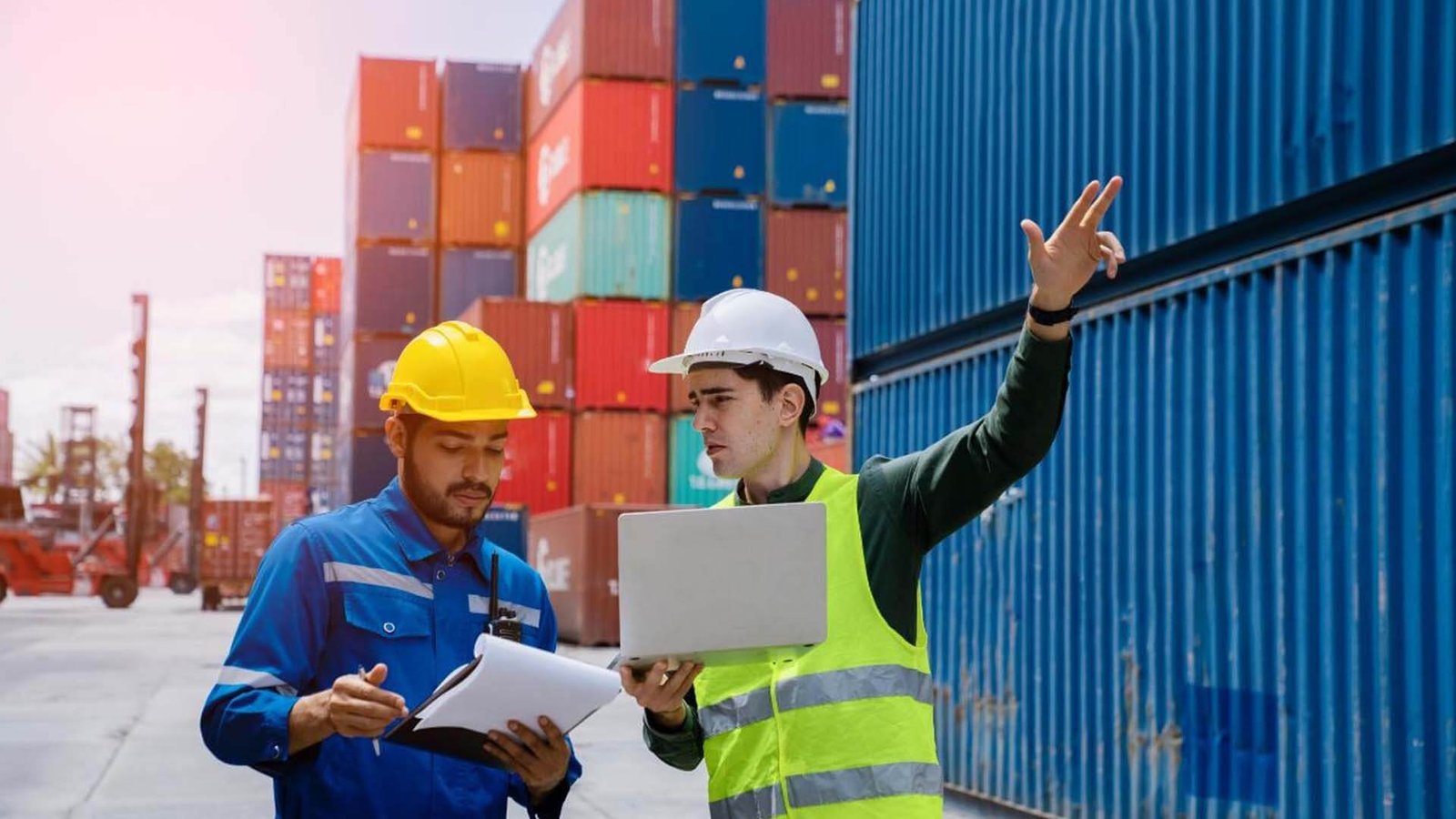
Think of me as the project manager for your shipment. My primary job is to make sure your goods move from your supplier to their final destination smoothly. I don't own the ships or trucks, but I coordinate all the partners who do. The process starts when your goods are ready at the factory. I step in to manage the entire flow: from the supplier to the carrier, through customs, and on to the final delivery. This involves a lot of moving parts. I have to align the schedules of the trucking company in China, the ocean carrier, the customs broker in the US, and the final delivery service. My goal is to create a single, seamless experience for you, the importer. You have one point of contact—me—instead of juggling five or six different vendors.
Here is a simple breakdown of the core services:
| Service Category | What It Includes | My Role as Your Forwarder |
|---|---|---|
| Planning & Quoting | Evaluating routes, carriers, and costs. | I provide you with clear options for speed vs. cost. |
| Booking | Securing space on a vessel or aircraft. | I leverage my network to get reliable bookings. |
| Inland Transport | Arranging pickup from the factory to the port. | I coordinate with local trucking partners in China. |
| Coordination | Aligning all parties involved in the shipment. | I act as the central communication hub for everyone. |
How Do Freight Forwarders Manage Transportation, Routing, and Carrier Selection for Importers?
Choosing the wrong carrier or route can be costly. These mistakes often result in long delays and unexpected fees. A forwarder navigates these choices to find the best fit for you.
Freight forwarders manage transportation by selecting carriers, booking space, and routing4 shipments based on cost, transit time, and reliability. By leveraging carrier networks and volume relationships, forwarders help importers balance speed and cost while adapting routes to congestion, capacity changes, and service disruptions.
My job is to find the perfect balance between cost and speed for your specific needs. Not all shipping routes are created equal. A cheaper route might take two weeks longer, while a faster one could significantly increase your landed cost. I help you make an informed decision. I have relationships with a wide range of ocean carriers, and because I manage a lot of shipments, I can often secure better rates and more reliable space than an individual importer might get.
For example, I had a client, Mark, whose container was scheduled to ship from Shanghai. I saw reports of major congestion building at that port. Instead of sticking with the original plan, I quickly worked to reroute his shipment through the Port of Ningbo. This small change helped him avoid a potential three-week delay and saved him from paying expensive demurrage fees. This is proactive management. I'm not just booking a spot; I'm actively monitoring the global shipping landscape to protect your timeline and budget.
| Factor | How I Manage It | Benefit for You |
|---|---|---|
| Cost | Negotiate rates based on my shipment volume. | Lower freight costs. |
| Transit Time | Select carriers with reliable, faster routes. | More predictable delivery schedules. |
| Reliability | Use carriers with a history of on-time performance. | Reduced risk of delays and rolled cargo. |
| Flexibility | Reroute shipments to avoid port congestion9 or delays. | Avoid costly disruptions in your supply chain7. |
What Documentation, Customs, and Compliance Services Do Freight Forwarders Coordinate?
International shipping paperwork is a huge headache. One small mistake on a form can get your shipment stuck in customs for weeks. We coordinate all documents to ensure they are correct.
Freight forwarders coordinate shipping documentation such as bills of lading, commercial invoice10s, and packing list11s, and work with customs brokers8 to support clearance. While they do not replace licensed brokers, forwarders help ensure documents, data, and timing align to reduce clearance delays and compliance errors.
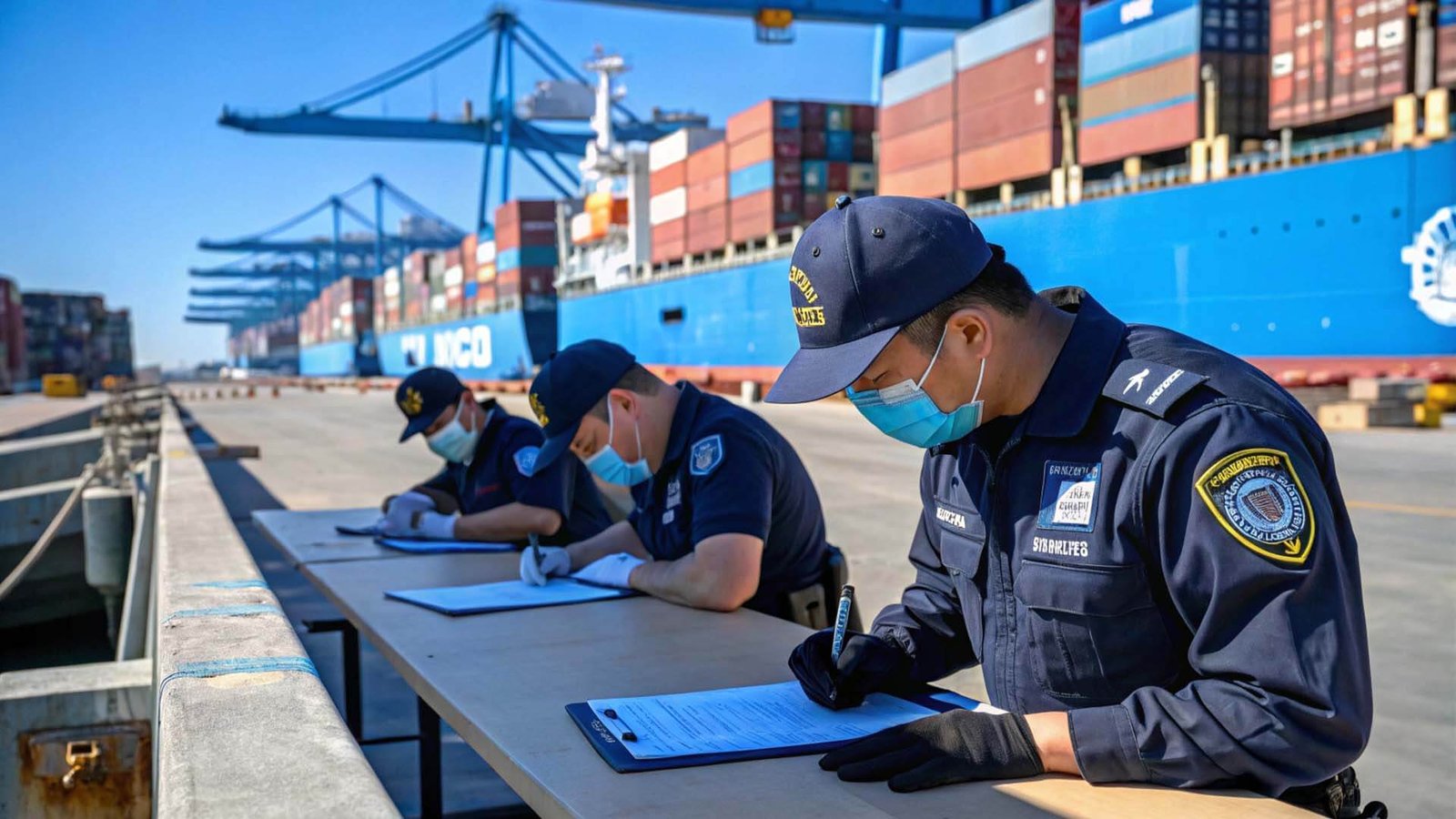
It’s crucial to understand my role here. I am not a licensed customs broker, but I work very closely with them. My responsibility is to gather all the necessary documents from your supplier and review them for accuracy and completeness before they are sent to the customs broker. This is a critical step. A simple typo or a mismatch between the commercial invoice10 and the packing list11 can raise a red flag with US Customs. I act as a second pair of eyes to catch these issues early.
I remember a shipment where the supplier listed the total weight incorrectly on the packing list11. It didn't match the Bill of Lading12. I caught this discrepancy before the container was loaded. We got it corrected immediately. If that shipment had arrived in the US with conflicting documents, it would have almost certainly been pulled for a costly and time-consuming customs exam. I ensure the information flows smoothly from the supplier, to me, to the customs broker, so there are no surprises at the border.
| Document | Purpose | My Coordination Role |
|---|---|---|
| Commercial Invoice | States the value and details of the goods for customs. | Verify it matches the purchase order and packing list11. |
| Packing List | Details the contents, weight, and dimensions of each package. | Check for consistency with other documents. |
| Bill of Lading12 (B/L) | The contract between the shipper and the carrier. | Ensure all information is correct before release. |
| ISF (10+2)13 | Required by US Customs before loading in China. | Coordinate with you and your supplier to file it on time. |
Where Do Freight Forwarder Services End and Importer Responsibility Begin?
Many importers assume their forwarder handles everything. This dangerous assumption can expose you to serious legal and financial risks. You must know where my job ends and yours begins.
Freight forwarder services typically end with coordination and execution, while importers retain legal responsibility for product compliance, valuation, classification, and regulatory obligations. Understanding this boundary helps importers avoid assuming risk has been transferred when critical compliance decisions still require importer oversight.
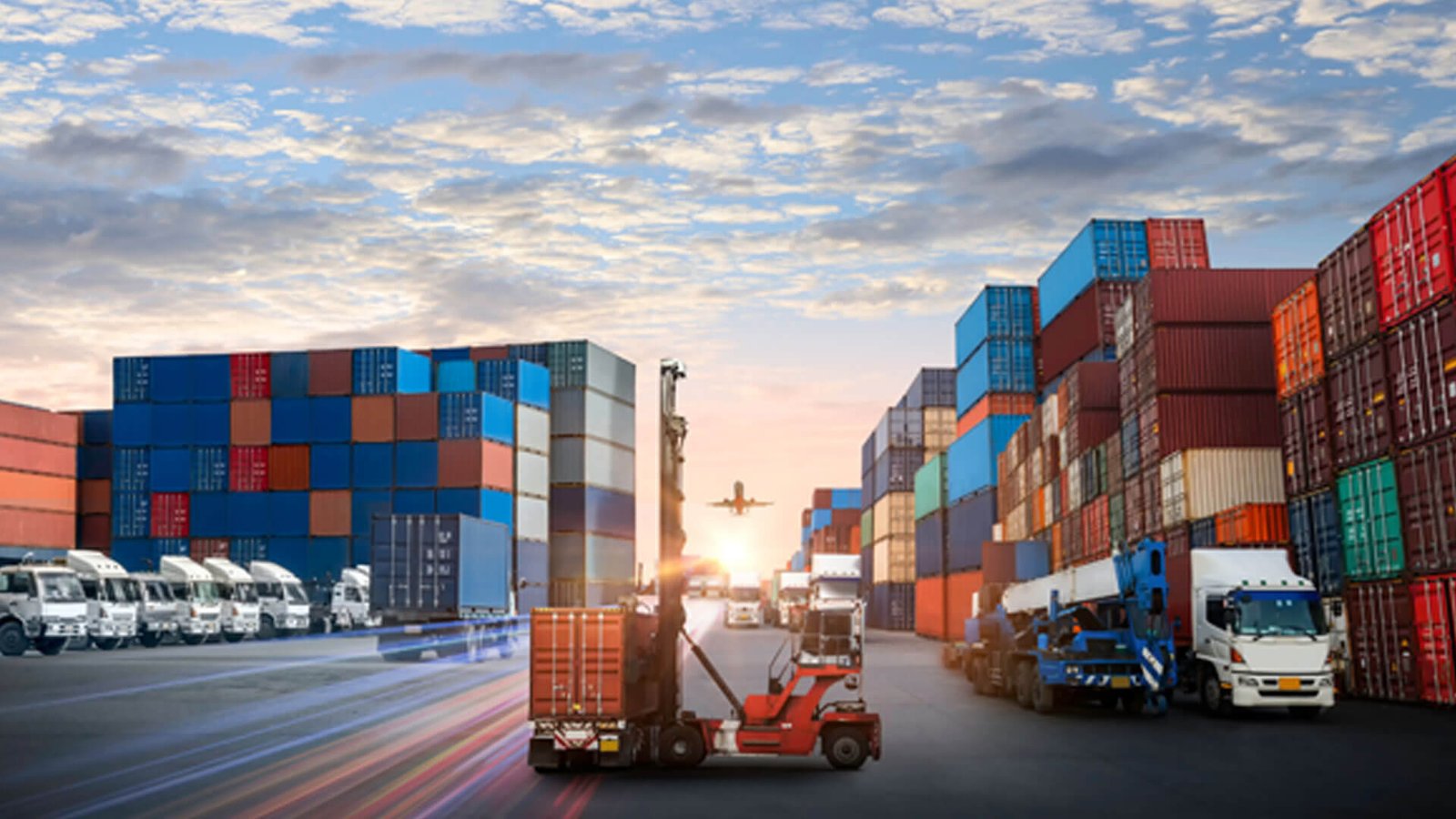
This is one of the most important things for an importer to understand. While I manage the logistics, you, the importer, are the Importer of Record (IOR)14. This means you are legally responsible for everything related to the goods themselves. I can’t tell you what HTS code15 to use for your product, because I am not an expert on your product. You are. You are responsible for declaring the correct value of your goods and ensuring they comply with all US regulations from agencies like the FDA, CPSC, or FCC.
My role is to transport your goods based on the information you provide. I always tell my clients, like Mark, that we are partners. He provides the accurate product details, classification codes, and values. I use that information to arrange a smooth and compliant transportation process. If the information you provide is incorrect, you are the one who will be held accountable by US Customs. This clear division of responsibility protects both of us and ensures a compliant supply chain7.
| Responsibility Area | Freight Forwarder (My Role) | Importer of Record (Your Role) |
|---|---|---|
| Logistics | Plan, book, and coordinate transportation. | Provide destination and delivery instructions. |
| Product Classification | Cannot legally classify your products. | Determine and provide the correct HTS code15s. |
| Valuation | Cannot determine the value of your goods. | Declare the true and correct value of the goods. |
| Compliance | Ensure transport documents are in order. | Ensure products meet all US laws and regulations. |
How Can Importers Use Freight Forwarder Services to Reduce Risk, Delays, and Total Landed Cost?
Unexpected shipping costs can destroy your profit margins. Hidden fees, damages, and delays are frustratingly common for importers. A great forwarder helps you anticipate and control these variables.
Importers use freight forwarder2 services to centralize logistics management, anticipate disruptions, and control landed cost. By aligning routing4, documentation, and execution, forwarders help prevent miscommunication, reduce transit delays, and limit unexpected charges that often arise when shipping activities are fragmented.

Using a freight forwarder2 is about more than just moving a box. It's about strategic control over your supply chain7. When you have one partner managing everything, the risk of miscommunication plummets. There's no finger-pointing between a trucking company and a warehouse because I am managing both. This centralization directly impacts your bottom line. By optimizing the route, I can lower your freight charges. By ensuring your documents are perfect, I help you avoid customs fines and detention fees. These fees can add up quickly and turn a profitable product line into a losing one.
The ultimate goal is to control your "total landed cost16"—the complete cost of a product once it has arrived at your door. This includes the product cost, shipping fees, insurance, customs duties, and any other charges. My service helps you see this full picture upfront. For my client Mark, I provide a detailed quote that covers everything from pickup in China to final delivery in the US. He knows his costs before the shipment even leaves the port, allowing him to price his products accurately and protect his profit margin.
| Forwarder Action | How It Reduces Your Cost/Risk |
|---|---|
| Centralized Communication | Prevents errors and miscommunication between vendors. |
| Proactive Routing | Avoids port congestion9, saving on delay-related fees. |
| Document Verification | Reduces the risk of customs exams17, fines, and delays. |
| Volume-Based Rates | Lowers your base freight cost through carrier negotiation. |
Conclusion
A freight forwarder2 is your essential logistics partner. We streamline your shipping, manage risks, and help you control your total landed cost16, making international trade simpler and more predictable.
Understanding the challenges of international shipping can help you navigate potential pitfalls and streamline your logistics process. ↩
Learn how a freight forwarder can simplify your logistics by managing the entire shipping process, saving you time and reducing stress. ↩
Discover how transportation booking is handled by freight forwarders to ensure your goods are shipped efficiently and on time. ↩
Explore how effective routing by freight forwarders can prevent delays and optimize your shipping process. ↩
Proper documentation handling is vital to avoid costly delays and compliance issues in international shipping. ↩
Find out how logistics orchestrators coordinate multiple parties to ensure smooth international shipments. ↩
Enhance your supply chain management by understanding how freight forwarders streamline logistics and reduce risks. ↩
Customs brokers are essential for navigating complex customs regulations and ensuring your goods clear borders smoothly. ↩
Port congestion can lead to significant delays and increased costs, making it crucial to plan routes carefully. ↩
A commercial invoice is crucial for customs clearance, detailing the value and contents of your shipment. ↩
A packing list provides essential details about your shipment's contents, weight, and dimensions, aiding in smooth customs clearance. ↩
The Bill of Lading is a key document in shipping, serving as a contract between the shipper and carrier. ↩
Understand the ISF (10+2) requirement to ensure compliance and avoid penalties when importing goods into the US. ↩
As an IOR, you have legal responsibilities for compliance and accurate declarations in international shipping. ↩
Correct HTS code classification is essential for compliance and accurate duty calculations in international trade. ↩
Calculating the total landed cost helps you understand the complete expenses involved in importing goods, ensuring accurate pricing. ↩
Avoid costly customs exams by ensuring accurate and complete documentation for your shipments. ↩