Shipping costs can quickly add up, especially if you’re not aware of standard dimensions. Understanding container, pallet, and box sizes is crucial to avoid unexpected expenses.
Standard U.S. import containers include 20ft, 40ft, and 40ft High Cube units, each with defined internal dimensions, door sizes, and payload limits1. Choosing the wrong container can lead to unused space2, overweight surcharges3, or rebooking delays4, making accurate container selection5 critical for cost control and compliance.

Choosing the right shipping dimensions is essential in logistics. Containers, pallets, and boxes all have specific standards that affect shipping costs and efficiency. If you're not careful, you might pay more than necessary or face delays.
What Are the Standard Dimensions and Load Limits of 20ft, 40ft, and 40ft High Cube Containers Used in U.S. Imports?
Shipping containers are a backbone of international trade. The standard 20ft container measures approximately 20' long, 8' wide, and 8.5' high. The 40ft container is double that in length, but both share the same width. The 40ft High Cube container offers extra height, measuring 9.5' tall.
The standard dimensions of a 20ft container are 20' x 8' x 8.5', and for a 40ft container, it's 40' x 8' x 8.5'. The 40ft High Cube is 40' x 8' x 9.5'. Load limits vary, but a 20ft container typically holds up to 55,126 lbs, while a 40ft container can carry around 61,000 lbs, making proper container selection5 vital for cost control.

When selecting a container for your shipment, it's crucial to consider not just the dimensions but also the load limits1. Using the wrong container can lead to wasted space and increased shipping costs. For example, if you underestimate the amount of cargo, you might need to rebook at a higher rate later.
Load Limits and Internal Dimensions
| Container Type | External Dimensions (L x W x H) | Internal Dimensions (L x W x H) | Max Payload |
|---|---|---|---|
| 20ft Standard | 20' x 8' x 8.5' | 19' 4" x 7' 8" x 7' 9" | 55,126 lbs |
| 40ft Standard | 40' x 8' x 8.5' | 39' 5" x 7' 8" x 7' 9" | 61,000 lbs |
| 40ft High Cube | 40' x 8' x 9.5' | 39' 5" x 7' 8" x 8' 10" | 57,800 lbs |
This table outlines the essential dimensions and payload capacities of the most common container types used for U.S. imports. Understanding these details ensures you make informed shipping decisions, reducing the chance of costly mistakes related to container selection5.
What Is the Standard U.S. Pallet Size (40x48) and How Many Pallets Fit in 20ft and 40ft Containers?
Pallets play a critical role in shipping by standardizing load sizes. The standard U.S. pallet measures 40 inches by 48 inches. This size is widely accepted for use in shipping and warehousing across the country.
The standard U.S. pallet measures 40x48 inches and is widely used for ocean imports, warehousing, and domestic trucking. A 20ft container typically fits about 10 standard pallets, while a 40ft container holds roughly 20, depending on weight limits, pallet height, and loading configuration.
When you’re loading pallets into a container, it’s important to consider not just the number of pallets you can fit but also the overall weight of the shipment. Overloading can lead to penalties and delays in customs.
Pallet Capacity in Containers
| Container Type | Pallets Per Container | Total Pallet Area | Weight Capacity |
|---|---|---|---|
| 20ft Standard | 10 | 400 sq. ft. | Up to 55,126 lbs |
| 40ft Standard | 20 | 800 sq. ft. | Up to 61,000 lbs |
The above table provides a clear comparison of how many standard pallets can fit in 20ft and 40ft containers. Proper palletization can optimize space and reduce costs, making it a key consideration for any importer.
How Many Boxes Fit in a Container or on a Pallet Based on Box Size, Weight, and Stacking Rules?
When shipping goods, understanding how many boxes can fit in a container or on a pallet is essential. The number of boxes depends on their dimensions, weight limits, and stacking rules.
The number of boxes that fit on a pallet or inside a container depends on box dimensions, weight limits, stacking strength, and cargo orientation6. Importers must calculate both cubic volume and weight distribution7 to prevent cargo damage, failed inspections8, and costly rehandling at ports or warehouses.
Calculating how many boxes you can fit involves not just measuring dimensions but also understanding how to stack them safely. Poor stacking can lead to damage and increased costs during transport.
Box Loading Calculations
| Box Dimensions (L x W x H) | Boxes Per Pallet | Boxes Per 20ft Container | Boxes Per 40ft Container |
|---|---|---|---|
| 12" x 12" x 12" | 64 | 640 | 1,280 |
| 24" x 24" x 24" | 24 | 240 | 480 |
This table illustrates how different box sizes affect loading capacity. Accurate calculations are vital to ensure that you maximize available space while adhering to weight limits.
How to Calculate Container and Pallet Utilization to Avoid Paying for Unused Space or Overweight Cargo
Container and pallet utilization is critical for cost control. If you don’t maximize the available space, you could end up paying for air.
Container and pallet utilization is calculated by comparing cargo dimensions and weight against container capacity limits. Poor planning can result in shipping air9, overweight penalties, or rejected bookings10. Accurate load calculations help importers reduce freight spend, improve booking accuracy, and align shipping plans with customs and delivery requirements.

Knowing how to calculate utilization helps you make informed decisions and avoid unnecessary costs. It’s about more than just fitting items into a box; it’s about ensuring compliance with shipping regulations.
Utilization Calculation Process
- Calculate the total volume11 of all items and total weight.
- Determine container dimensions and weight limits.
- Compare volume and weight against capacity to find the best fit.
Proper calculations lead to a well-planned shipment, ensuring you avoid surprises.
What Are the Most Common Container, Pallet, and Box Sizing Mistakes That Increase Freight and Customs Costs?
Mistakes in sizing can drastically increase costs. Common pitfalls include using the wrong sized containers, underestimating box weight, or stacking pallets incorrectly.
Common mistakes include selecting oversized containers, overstacking pallets, underestimating box weight, and ignoring axle or container load limits1. These errors often trigger remeasurement, freight surcharges, customs holds, and last-minute rework—turning a simple shipment into a costly and delayed import process.
Understanding these common mistakes can help you avoid costly penalties and delays. If you don’t pay attention to dimensions, you might face remeasurement fees or shipment holds.
Common Sizing Errors
| Mistake | Potential Cost Impact |
|---|---|
| Using oversized containers | Unused space, additional fees |
| Overstacking pallets | Damage, loss of goods |
| Underestimating box weight | Overweight penalties |
| Ignoring load limits1 | Shipment rejection, delays |
Avoiding these mistakes is crucial for maintaining a smooth shipping process.
How Freight Forwarders Optimize Container, Pallet, and Box Dimensions Across Ocean Shipping, Customs, and Final Delivery
Freight forwarders play a vital role in optimizing shipping dimensions. They help ensure that every shipment is appropriately sized for its journey.
Experienced freight forwarders12 optimize container, pallet, and box dimensions by aligning cargo planning with ocean rates, customs requirements, and domestic delivery constraints. This end-to-end approach helps importers reduce total landed cost13, avoid compliance risks14, and ensure smoother transitions from port to warehouse.
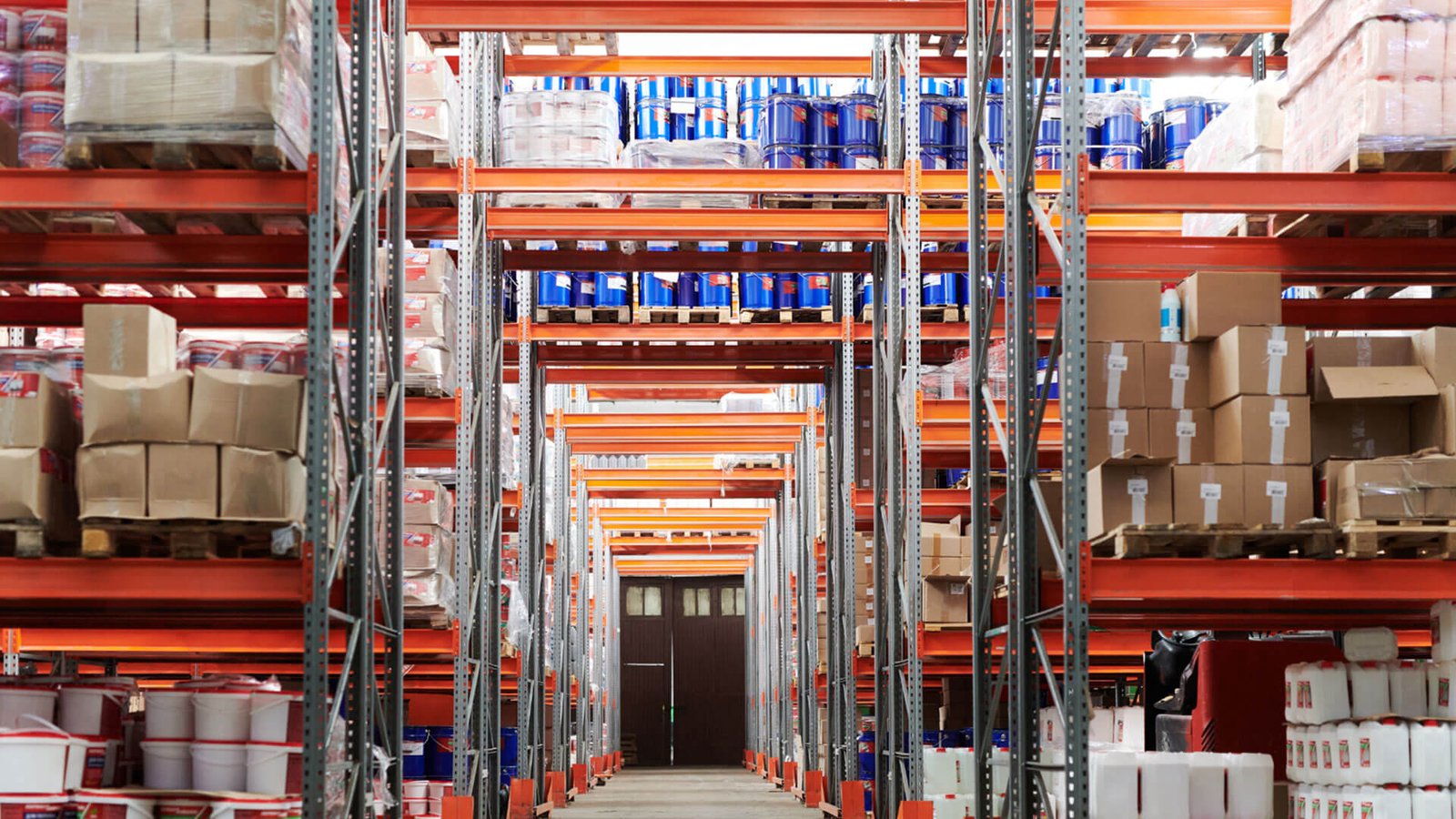
Their expertise in logistics can save you time and money by streamlining your shipping process. Relying on professionals helps ensure compliance and efficiency throughout the supply chain.
Benefits of Working with Freight Forwarders
| Benefits | Description |
|---|---|
| Cost savings | Optimized shipping and routing |
| Compliance assurance | Knowledge of regulations and requirements |
| Increased efficiency | Faster transitions from port to delivery |
Working with a freight forwarder can enhance your shipping strategy and reduce costs significantly.
Conclusion
Understanding freight dimensions helps avoid unnecessary costs and ensures a smooth shipping process. Proper planning keeps your shipments efficient and compliant.
Learn about load limits to ensure your shipments are within legal weight restrictions and avoid penalties. ↩
Discover how unused space can lead to increased shipping costs and learn strategies to avoid it. ↩
Understand the impact of overweight surcharges on shipping expenses and how to prevent them. ↩
Learn about the factors leading to rebooking delays and strategies to prevent them. ↩
Explore the importance of choosing the right container to minimize shipping costs and ensure compliance. ↩
Discover how proper cargo orientation can optimize space and reduce shipping costs. ↩
Understand the significance of weight distribution in preventing cargo damage and ensuring compliance. ↩
Explore common causes of failed inspections and tips to ensure compliance and smooth shipping. ↩
Understand the concept of 'shipping air' and learn how to maximize container utilization. ↩
Find out the reasons behind rejected bookings and how to ensure successful shipments. ↩
Learn how calculating total volume helps in selecting the right container and optimizing shipping costs. ↩
Explore how freight forwarders enhance shipping efficiency and reduce costs through dimension optimization. ↩
Discover how freight forwarders can lower your total landed cost through optimized shipping solutions. ↩
Learn about compliance risks and strategies to ensure adherence to shipping regulations. ↩