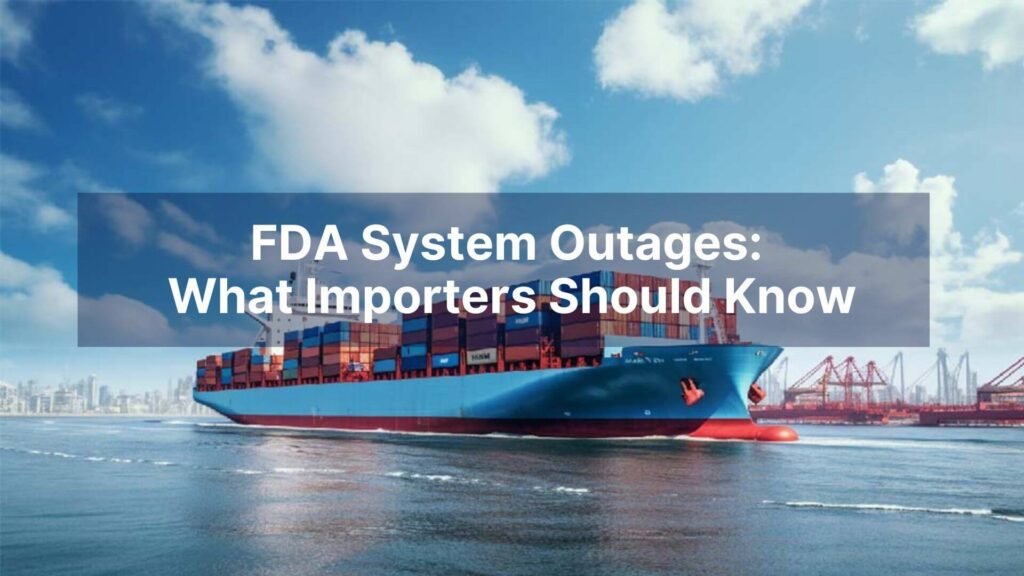
FDA system outages1 can cause significant disruptions for importers. These interruptions affect filings, compliance, and the timely release of cargo. Understanding these outages is crucial for maintaining smooth operations.
FDA system outages1 occur when electronic filing platforms2 or data exchange systems become temporarily unavailable, preventing normal submission of required import information. These disruptions can delay cargo release, increase inspection risk, and create compliance challenges for importers of FDA-regulated goods.

When FDA systems go offline, importers face a series of operational challenges. They must adapt quickly to minimize delays and maintain compliance. This article will explain the various FDA system outages1 and provide guidance on how importers can effectively manage these disruptions.
What FDA Systems Affect Importers Including Prior Notice, Entry Data, and Compliance Portals?
Key FDA systems include Prior Notice filing platforms3, entry data interfaces with CBP4, and compliance portals used for product and facility information. When these systems go offline, required data submissions may need to follow contingency procedures.
Understanding which systems impact importers is essential for effective contingency planning. The following table summarizes the primary FDA systems that play a crucial role in import processes:
| System | Purpose |
|---|---|
| Prior Notice | Food shipment notification |
| Entry interface | Data exchange with CBP |
| Facility databases | Registration verification |
When these systems are non-operational, importers must be prepared to follow alternative protocols to maintain compliance and ensure product releases are not unduly delayed.
How Importers Should File FDA Prior Notice and Required Data During System Downtime
During outages, FDA may activate contingency filing methods5, such as alternative submission channels or delayed electronic entry once systems are restored. Importers must maintain documentation and proof of attempted compliance.
The flow of how to handle filings during an FDA system outage is critical. Here’s a simplified process:
- Shipment Planned
- Attempt Filing
- System Down
- Contingency Procedure
- Documentation Saved
- Entry Completed When Restored
This structured approach ensures that importers can manage their operations effectively even when facing system disruptions.
Operational Risks During Outages Including Port Delays, Holds, and Storage Charges
System disruptions can lead to shipment holds6, demurrage, and storage costs. Time-sensitive goods like food or pharmaceuticals face additional risk.
Here’s a breakdown of potential risks and their consequences during outages:
| Risk | Consequence |
|---|---|
| Filing backlog | Delayed clearance |
| Port storage | Higher costs |
| Product spoilage | Financial loss |
| Inspection escalation | Release delay |
Such risks necessitate proactive measures to prevent unnecessary costs and ensure compliance is maintained throughout the process.
FDA Contingency Procedures and Documentation Importers Must Maintain During Disruptions
Importers must document filing attempts, maintain shipment records, and follow FDA outage guidance to demonstrate compliance during system disruptions.
To ensure compliance during disruptions, importers should maintain the following documentation:
| Document | Purpose |
|---|---|
| Filing attempt record | Proof of compliance effort |
| Supplier documentation | Product traceability |
| Shipment details | Entry verification |
By keeping thorough documentation, importers can ensure they have the necessary proof should questions arise regarding compliance.
Brokers and compliance partners monitor outage notifications, coordinate contingency filings, communicate with carriers and regulators, and ensure documentation is preserved to keep shipments moving.
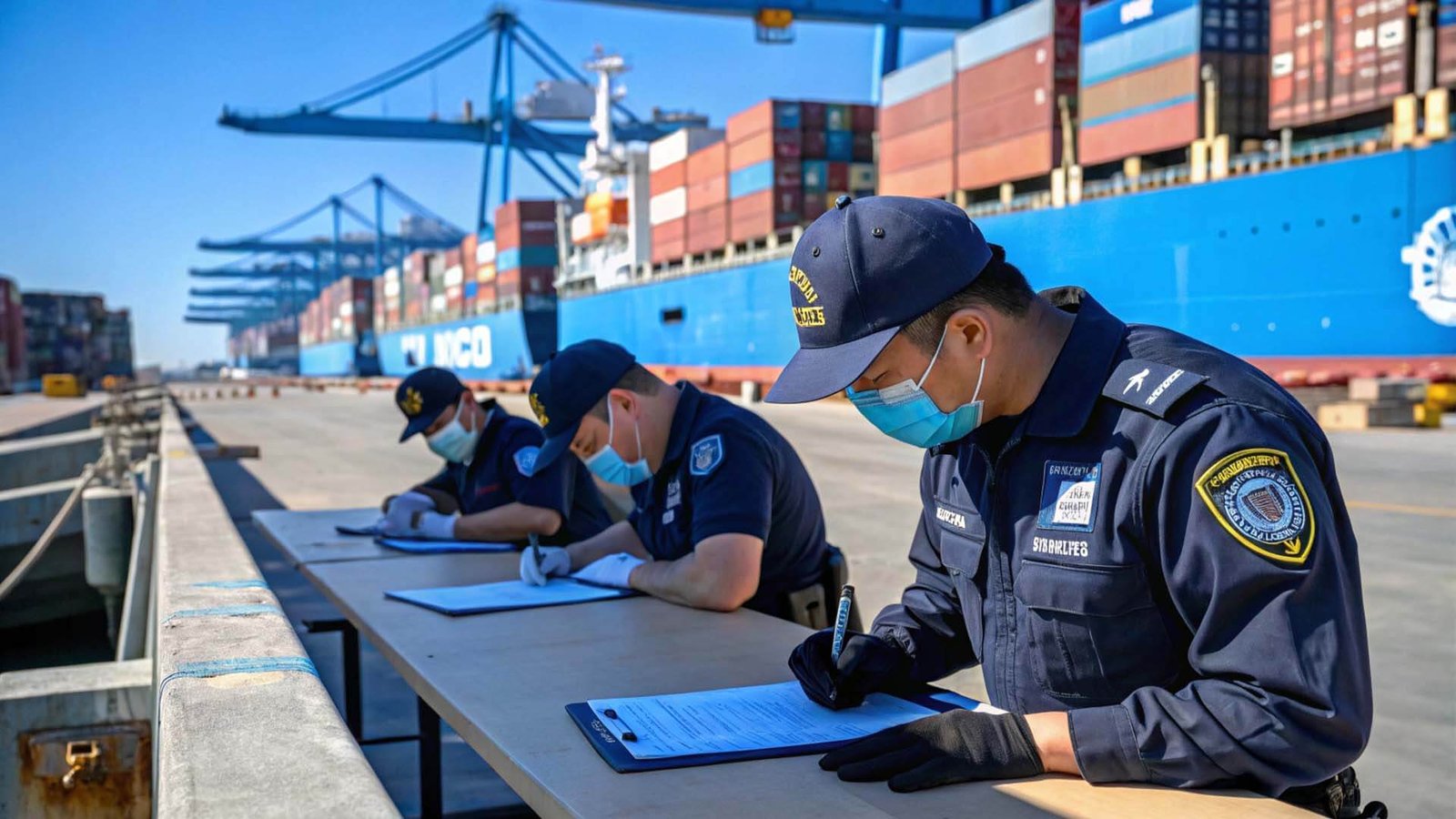
Here's a flowchart illustrating the importer-broker-FDA/CBP response during outages:
- Shipment Planning
- System Check
- Contingency Filing
- Coordination With CBP/FDA
- System Restored
- Entry Finalized
Importers benefit from working with experienced customs brokers who understand the intricacies of FDA compliance. The following table shows the advantages of partnering with brokers during outages:
| Service | Importer Benefit |
|---|---|
| Outage monitoring | Early response |
| Contingency filing support | Reduced delays |
| Documentation control | Compliance protection |
| Agency coordination | Faster release |
Conclusion
Understanding FDA system outages1 is essential for maintaining compliance and ensuring smooth import operations. Proactive contingency planning can mitigate risks and minimize disruptions.
Explore how FDA system outages impact importers, causing delays and compliance challenges, and learn strategies to manage these disruptions effectively. ↩
Discover the role of electronic filing platforms in FDA imports and how their outages can disrupt the submission of required import information. ↩
Learn about the importance of Prior Notice filing platforms for food shipment notifications and how outages affect import processes. ↩
Understand the significance of entry data interfaces with CBP in FDA imports and the impact of system outages on data exchange. ↩
Explore the contingency filing methods activated during FDA system outages to ensure compliance and timely cargo release. ↩
Investigate the reasons behind shipment holds during FDA system outages and the financial implications for importers. ↩
Explore the role of Customs Brokers and Compliance Partners in managing shipments and ensuring compliance during FDA system outages. ↩