The FMCG sector is dynamic, with the need for speed and efficiency. Importers face unique challenges in logistics, needing to ensure product availability while controlling costs. Can you keep up with the demands of fast-moving consumer goods?
FMCG logistics1 is the end-to-end system that keeps fast-selling, repeat-purchase goods in stock with minimal cost and minimal delay. For importers, the core KPI is shelf availability2 supported by high-frequency replenishment3. The challenge is balancing speed, cost, and inventory turns4 while avoiding stockouts, spoilage, and retail penalties.
FMCG logistics1 requires a specific framework. The key performance indicators (KPIs) are vital for measuring success. By understanding these metrics, we can navigate the complexities of FMCG logistics1.
Define FMCG logistics1 by focusing on the importer’s core KPI—high-frequency replenishment3 that protects shelf availability2 while controlling landed cost?
FMCG logistics1 is all about managing the supply chain efficiently. Speed and cost control are essential. Importers must consider replenishment frequency, demand variability, and compliance pressures in their logistics strategies.
What is FMCG in logistics? FMCG stands for fast-moving consumer goods. These are products that sell quickly and require efficient supply chain management.
What are fast-moving consumer goods (FMCG) in supply chains? These goods are typically low-cost items with high turnover, necessitating a focus on rapid replenishment.
What’s the difference between FMCG and CPG (operational view)? FMCG refers to goods that move quickly, while CPG (consumer packaged goods) includes FMCG but can also refer to any packaged product that requires marketing and sales strategies.
FMCG Logistics KPI Priorities:
- Shelf availability
- OTIF (On Time In Full)5
- Inventory turns
- Shrink/spoilage rate
- Landed cost per unit
- Promo readiness6
| Dimension | FMCG Reality | Traditional Reality |
|---|---|---|
| Replenishment Frequency7 | High | Low |
| Demand Variability8 | High | Moderate |
| Packaging Handling9 | Critical | Less Critical |
| Expiry/FEFO10 | Essential | Less Concern |
| Returns/Recalls11 | Frequent | Rare |
| Retailer Compliance Pressure12 | High | Moderate |
FMCG logistics1 is a demanding field. Each decision impacts product availability and cost. A strategic approach is necessary.
Design the right FMCG inbound model (FCL vs LCL vs air + consolidation) to balance speed, inventory turns4, and seasonal demand spikes?
To optimize inbound logistics, importers must consider various shipping methods. Each method has its strengths and weaknesses.
FMCG inbound logistics must balance speed and cost because inventory turns4 are high and demand spikes are common. Importers typically combine FCL for baseline volume, LCL for flexible replenishment, and air freight for urgent promo or stockout prevention. A consolidation strategy improves utilization and lowers landed cost while keeping replenishment cycles short.
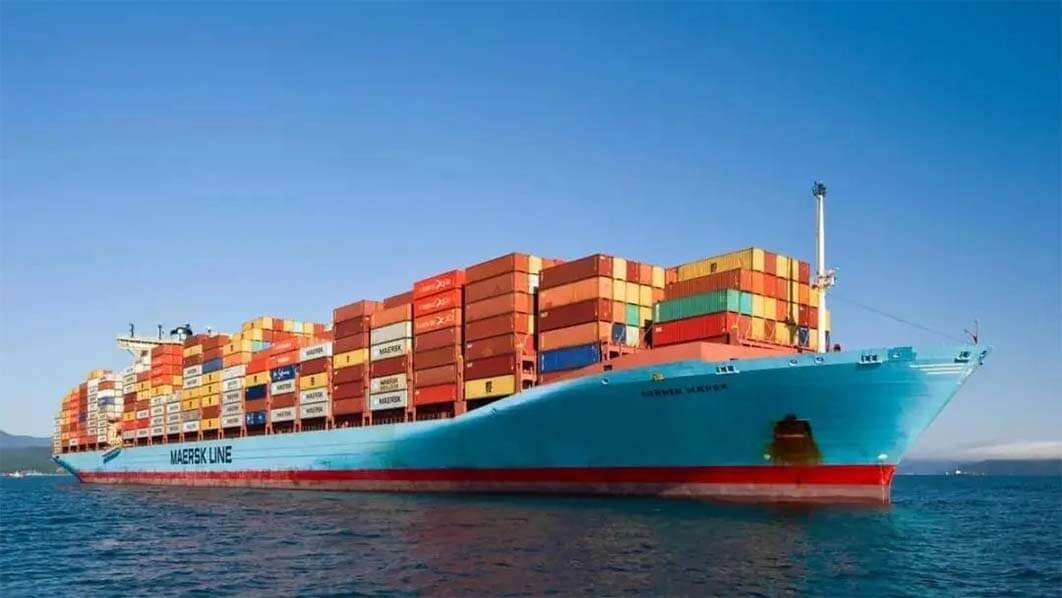
How should FMCG brands choose FCL vs LCL vs air freight13? The choice depends on volume and urgency.
What’s the best shipping model for fast replenishment? A mixed model that incorporates FCL, LCL, and air can optimize speed and reduce costs.
How do importers reduce lead time without raising cost? By strategically combining shipping methods and leveraging consolidation.
FMCG Inbound Shipping Strategy (FCL vs LCL vs Air)
| Mode | Best Use Case | Cost Impact | Speed Impact | Inventory Impact | Risk |
|---|---|---|---|---|---|
| FCL | High volume | Lower | Moderate | High | Moderate |
| LCL | Flexible needs | Moderate | Moderate | Moderate | High |
| Air | Urgent needs | High | Very High | Low | High |
| Sea-Air (optional) | Cost-sensitive | Moderate | High | Moderate | Moderate |
| Multi-origin consolidation | Flexible sourcing | Lower | Moderate | High | Moderate |
Inbound Design Checklist:
- Baseline volume
- Promo volume
- Safety stock14
- Lead time window
- Consolidation cadence
- DC capacity
- Customs cycle time
- Delivery appointment SLAs
Planning your inbound model carefully can streamline operations and reduce costs.
Prevent stockouts and overstocks with demand-driven planning15 (forecasting, safety stock, and reorder points16) built for promotions and short product life cycles?
Accurate planning is crucial in FMCG logistics1. Many issues arise from poor forecasting and inventory management.
In FMCG, most failures come from planning errors—not transportation. Importers reduce stockouts by using demand forecasting linked to promotions, safety stock rules, and reorder points16 based on lead time variability. Planning should be SKU-level, season-aware, and aligned with inbound cycles so inventory arrives before demand peaks without causing overstocks and markdowns.
What are the key challenges in FMCG supply chains? The major challenges include high demand variability and short product life cycles.
How do FMCG brands manage demand spikes? By leveraging accurate forecasting and safety stock strategies.
How do importers set reorder points16 for fast-moving items? Reorder points should be based on lead time variability and historical sales data.
FMCG Inventory Planning Controls
| Control | What it does | Best for | Common Mistake |
|---|---|---|---|
| Safety stock14 | Prevents stockouts | High variability items | Setting too low |
| Reorder point | Triggers reordering | Fast-moving products | Ignoring lead time |
| Promo lift factor | Adjusts for promotions | Seasonal items | Not considering demand spikes |
| Forecast accuracy review | Ensures reliable data | All SKUs | Relying on outdated data |
| SKU segmentation (A/B/C) | Prioritizes inventory | Resource allocation | Not reviewing regularly |
| Lead time variance buffer | Accounts for fluctuations | All fast-moving items | Neglecting supplier delays |
Promo Planning Mini Flow:
Promo calendar → Demand lift estimate → Inbound capacity plan → DC labor plan → Retail OTIF readiness
With effective demand-driven planning15, importers can maintain optimal inventory levels.
Protect product integrity with FMCG packaging and handling controls17 (carton strength, palletization, temperature/humidity needs, and damage-claim prevention)?
Packaging plays a significant role in FMCG logistics1. Proper packaging can prevent costly damages.
FMCG margins can be wiped out by damage, leakage, and packaging failure during ocean transit and warehouse handling. Importers protect product integrity by enforcing carton strength, correct pallet patterns, moisture controls, and handling SOPs. A packaging-first approach reduces claims, improves receiving speed, and prevents retailer deductions tied to damaged or unsellable goods.

What packaging controls reduce damage in FMCG logistics1? Strong cartons, proper palletization, and moisture controls can significantly reduce damage.
How do importers prevent freight claims in FMCG shipments? By adhering to packaging standards and conducting quality checks.
When do FMCG products need temperature or humidity protection? Products sensitive to temperature or humidity must be monitored throughout transit.
FMCG Failure Points + Prevention Controls
| Failure Point | Root Cause | Business Impact | Prevention Control |
|---|---|---|---|
| Crushed cartons | Poor handling | Increased claims | Strong packaging |
| Leakage / breakage | Weak seals | Loss of product | Quality checks |
| Humidity damage / mold | Poor storage conditions | Inventory loss | Moisture controls |
| Pallet collapse | Improper stacking | Shipping delays | Proper pallet patterns |
| Barcode/label unreadable | Poor labeling | Processing delays | Clear labeling |
| Expiry/lot mix-ups | Lack of management | Stockouts/overstocks | Proper inventory controls |
Packaging + Handling Checklist:
- Drop-test appropriate
- Corrugate strength
- Inner protection
- Pallet stability
- Stretch wrap
- Corner boards
- Carton label placement
- Lot/expiry readability
Proper packaging and handling methods are essential for maintaining product integrity.
Ensure compliance-ready importing18 by aligning suppliers with U.S. entry requirements (accurate HTS, labeling rules, FDA/regulated product steps where applicable)?
Compliance is paramount in FMCG logistics1. Importers must navigate various regulations to ensure smooth operations.
FMCG imports often involve regulated products, labeling requirements, and strict entry documentation. Importers should ensure correct HTS classification, origin declarations, accurate commercial invoices, and compliant packaging labels before goods ship. Where FDA or other PGA rules apply, pre-clearance planning reduces holds, exams, and costly delays that disrupt replenishment cycles.
What certifications do FMCG products need for import? Certifications depend on the product type, especially for food and health products.
How do FMCG importers prevent customs delays? By ensuring accurate documentation and compliance with regulations.
What causes CBP holds for consumer goods? Vague descriptions, labeling mismatches, and missing certificates can lead to holds.
Importer Compliance Readiness Checklist:
- HTS verified
- COO validated
- Invoice values consistent
- Product descriptions specific
- Labeling compliance confirmed
- FDA/PGA screening (if applicable)
- Broker instructions issued
- Recordkeeping file created
FMCG Customs Delay Triggers + Prevention
| Trigger | Why it happens | Prevention |
|---|---|---|
| Vague descriptions | Lack of detail | Clear descriptions |
| Labeling mismatch | Incorrect labels | Pre-shipment label checks |
| Missing certificates (if required) | Non-compliance | Confirm all documentation |
| Undervaluation risk | Incorrect valuation | Accurate documentation |
| Incorrect HTS | Misclassification | Verify HTS codes |
| Missing FDA data (if applicable) | Incomplete documentation | Ensure thorough pre-planning |
Ensuring compliance is vital for smooth operations and avoiding costly delays.
Execute fast fulfillment using 3PL/DC strategy (cross-docking, FEFO/expiry management, OTIF scorecards, and retailer chargeback prevention)?
Fulfillment efficiency can make or break an FMCG business. A strong strategy is necessary.
FMCG fulfillment success depends on the warehouse system. Importers should use 3PL/DC strategies like cross-docking for high-velocity SKUs, FEFO picking for expiring goods, and slotting rules that reduce travel time. OTIF scorecards and chargeback prevention SOPs protect retail relationships while improving service levels and reducing operating costs.
What is FEFO and why is it critical in FMCG? FEFO (First Expired First Out) ensures that products close to expiration are delivered first, minimizing losses.
How do importers improve OTIF performance? By streamlining processes and ensuring accurate inventory levels.
How do FMCG brands prevent retailer chargebacks? By adhering to compliance and maintaining high service levels.
FEFO / Expiry Control System
| Control | Purpose | Evidence | Owner |
|---|---|---|---|
| Lot/expiry capture at receiving | Track expiration dates | Inventory records | Warehouse manager |
| FEFO picking rules | Prioritize expiring goods | Picking lists | Fulfillment team |
| Short-dated quarantine | Manage near-expiry products | Quarantine logs | Quality control |
| Recall traceability | Track affected products | Recall procedures | Compliance officer |
| Cycle counts by expiry band | Ensure accurate inventory levels | Inventory reports | Inventory team |
Chargeback Prevention Checklist:
- GS1 barcodes correct
- Labels scannable
- ASN accuracy
- Case pack correct
- Pallet pattern compliant
- Appointment met
- Damages minimized
- OTIF tracked weekly
An effective 3PL/DC strategy is critical for fast and efficient fulfillment.
FMCG KPI Scorecard
| KPI | Target | Why it matters | Corrective action |
|---|---|---|---|
| OTIF % | 95% | Customer satisfaction | Improve processes |
| Shelf availability % | 98% | Sales consistency | Adjust inventory levels |
| Inventory turns | 10 | Cost control | Optimize replenishment |
| Spoilage/shrink % | <1% | Profit margin | Monitor closely |
| Claims rate | <0.5% | Cost reduction | Improve packaging |
| Order cycle time | <48h | Responsiveness | Streamline operations |
| Cost per case/unit | Competitive | Profitability | Cost optimization |
| Chargeback rate | <1% | Retail relationships | Ensure compliance |
End-to-End Workflow
Factory → Freight Booking → International Transit → U.S. Customs Clearance → Drayage → 3PL/DC Receiving → FEFO Fulfillment/Cross-Dock → Retail/E-commerce Delivery → Returns/Recall Readiness
FMCG Playbook
If you import FMCG into the U.S., do this now:
- Segment SKUs by velocity and shelf-life
- Design inbound mix (FCL baseline + LCL flexibility + air exceptions)
- Enforce packaging/pallet rules to prevent damage
- Build compliance-ready entry files before shipping
- Implement FEFO + OTIF dashboards and chargeback SOPs
Conclusion
In conclusion, effective FMCG logistics requires careful planning, compliance, and execution. Importers should review their inbound freight models and compliance readiness to ensure success.
Understanding FMCG logistics is crucial for managing fast-selling goods efficiently, ensuring product availability, and controlling costs. ↩
Shelf availability directly affects sales and customer satisfaction, making it a critical KPI in FMCG logistics. ↩
High-frequency replenishment is key to maintaining shelf availability and minimizing stockouts in the fast-paced FMCG sector. ↩
Inventory turns indicate how often inventory is sold and replaced, impacting cash flow and storage costs in FMCG. ↩
OTIF is a vital metric that measures the efficiency of supply chain operations, ensuring products are delivered on time and in full. ↩
Promo readiness ensures that FMCG companies can meet increased demand during promotions without stockouts or overstocks. ↩
High replenishment frequency is necessary to keep up with the fast turnover of products in the FMCG sector. ↩
Demand variability requires agile logistics strategies to prevent stockouts and overstocks in the FMCG industry. ↩
Proper packaging handling prevents damage and ensures product integrity, reducing claims and improving customer satisfaction. ↩
FEFO (First Expired First Out) is crucial for minimizing waste and ensuring product freshness in FMCG logistics. ↩
Efficient management of returns and recalls is vital to maintain customer trust and comply with regulations in FMCG. ↩
Retailer compliance pressure involves meeting specific requirements to avoid penalties and maintain good relationships with retailers. ↩
Choosing the right shipping method balances cost, speed, and inventory needs, crucial for efficient FMCG logistics. ↩
Safety stock acts as a buffer against demand variability, ensuring product availability in the FMCG sector. ↩
Demand-driven planning helps FMCG companies align inventory with demand, reducing stockouts and overstocks. ↩
Setting accurate reorder points is essential for timely replenishment and avoiding stockouts in FMCG. ↩
Effective packaging and handling controls prevent damage and ensure product quality during transit and storage. ↩
Compliance-ready importing prevents delays and penalties, ensuring smooth operations in FMCG logistics. ↩