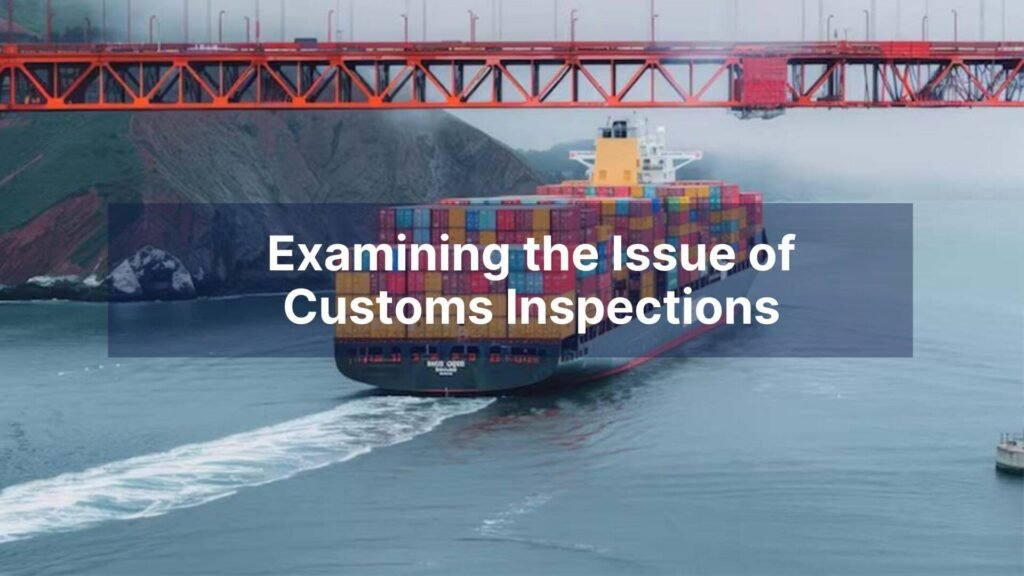
Customs inspections can feel daunting, but understanding them can empower you. Knowing what to expect helps you navigate the complexities of U.S. import regulations1 with ease.
Customs inspections are a vital part of U.S. border security, ensuring that goods comply with U.S. regulations. These inspections can delay shipments, but understanding the process can help importers prepare for potential holds or additional scrutiny. Efficient customs management2 helps mitigate the impact of these inspections on your business.
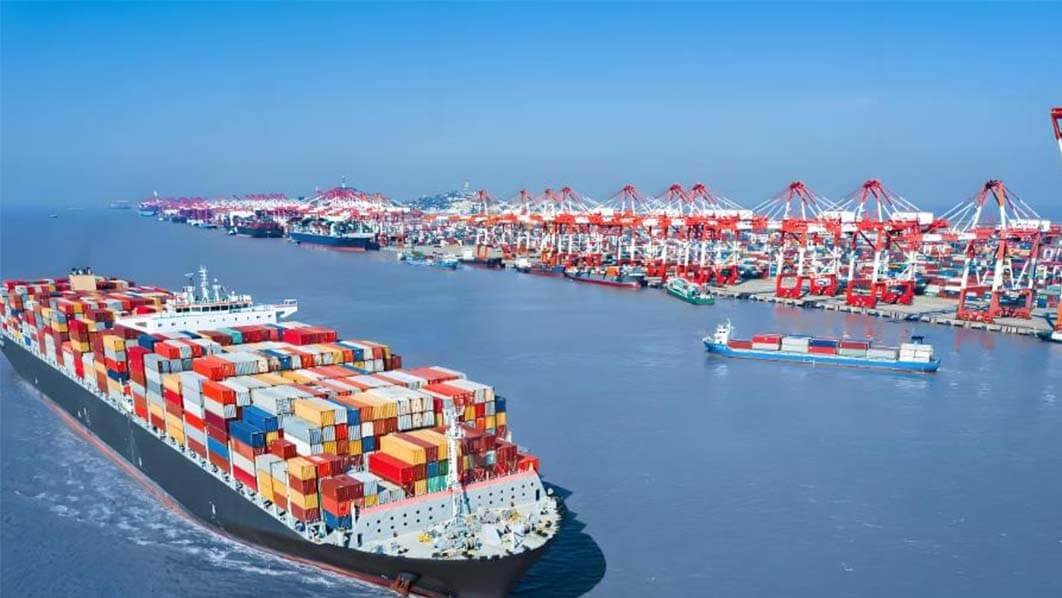
Customs inspections are essential to maintain safety and compliance in international trade. However, they can lead to unexpected delays, impacting your bottom line. Let's explore what you need to know to navigate this process effectively.
Understanding the Customs Inspection Process and Its Impact on Your Shipments?
Customs inspections can slow down your shipments significantly. They can happen at various points during the import process. My experience shows that understanding the inspection process is crucial for U.S. importers.
Customs inspections involve a thorough examination of shipments to ensure compliance with U.S. laws. Understanding this process can help importers prepare for potential holds, reducing delays and keeping supply chains efficient. Effective customs management can help mitigate these impacts.
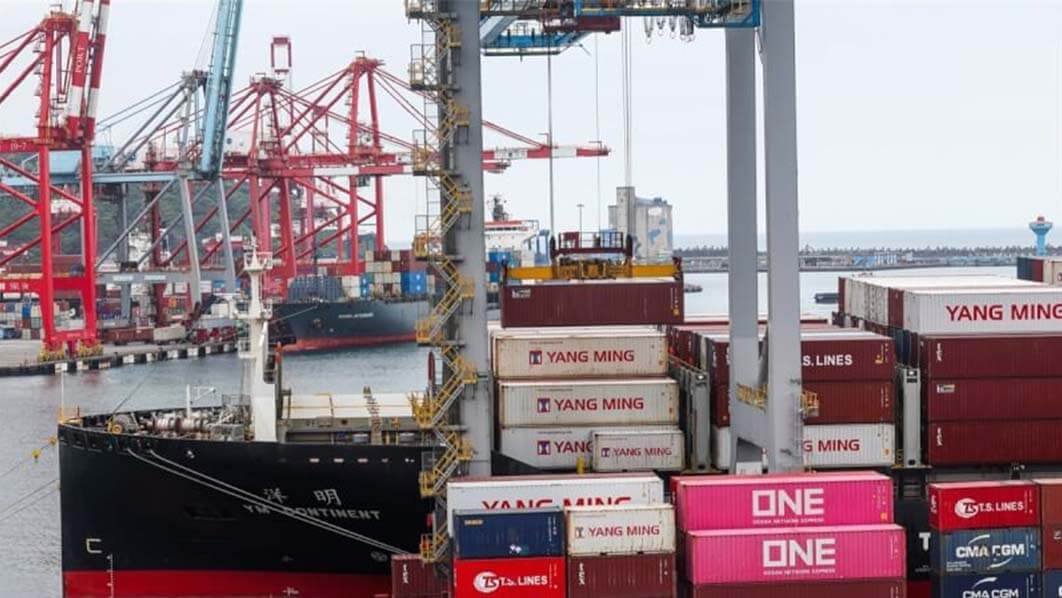
The customs inspection process starts when your goods reach the U.S. port. Customs and Border Protection (CBP)3 assesses the shipment against various factors, including documentation accuracy and compliance with regulations. Here’s a simple overview of the inspection process:
| Step | Description |
|---|---|
| Arrival at Port | Goods are received at the U.S. port of entry. |
| Documentation Review | CBP reviews all shipment documents for accuracy. |
| Risk Assessment | CBP assesses the shipment's risk level. |
| Inspection Type | Goods may undergo document review, physical inspection, or non-intrusive inspection. |
Understanding each step is key. Being prepared can make your customs experience smoother and less stressful.
What U.S. Importers Need to Know About Customs Holds and How to Avoid Them?
Customs holds4 can be frustrating for importers. These holds happen when CBP needs more information or wants to inspect the shipment. Here’s how you can avoid them.
Customs holds4 occur when U.S. Customs and Border Protection (CBP)3 needs to inspect or verify a shipment. To avoid holds, U.S. importers should ensure that all documents are accurate and complete, including invoices, bills of lading, and any required certificates. Regular communication with customs brokers can reduce the chances of delays.
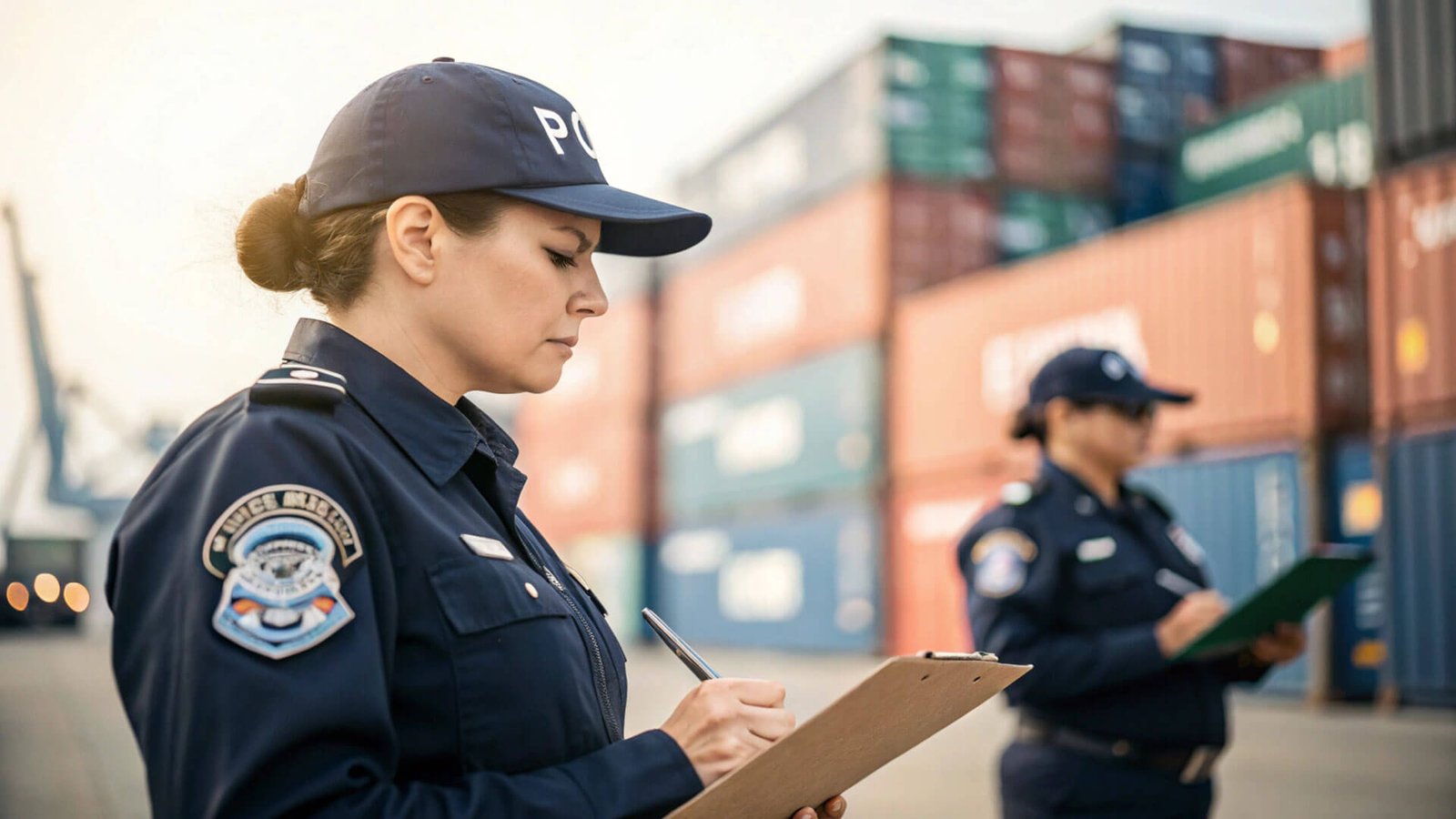
To prevent customs holds, be diligent with your documentation. Here are some tips:
- Accuracy is Key: Double-check all information on invoices and shipping documents.
- Stay Informed: Keep up with changing regulations related to your products.
- Work with Experts: Partnering with a reliable customs broker can help you navigate complexities and minimize risks.
Regular communication with your customs broker ensures you are always prepared for potential issues.
How to Prevent Common Customs Violations That Lead to Inspections and Delays?
Customs violations5 can lead to extensive delays. As an importer, knowing what commonly goes wrong can help you prepare.
Common customs violations that lead to inspections include incorrect classification of goods, undervaluation, and missing or inaccurate paperwork. U.S. importers can avoid these issues by thoroughly reviewing their shipments, staying informed about changing regulations, and working with experienced customs brokers to ensure compliance.
Many importers experience violations due to simple errors. Here’s how to avoid these pitfalls:
| Common Violations | Prevention Tips |
|---|---|
| Incorrect Classification | Use correct HTS codes6 and verify with a broker. |
| Undervaluation | Ensure accurate valuation; include all costs. |
| Missing Documentation | Keep all paperwork organized and complete. |
By being proactive in these areas, you can significantly decrease the chances of customs inspections and delays.
Types of Customs Inspections: What U.S. Importers Should Expect and Prepare For?
Understanding the types of customs inspections can help you prepare effectively. There are several types that CBP may conduct.
U.S. Customs conducts several types of inspections, including document reviews, physical examinations, and non-intrusive inspections (e.g., x-rays). Importers should prepare for potential delays by maintaining accurate documentation, staying in communication with customs brokers, and understanding what triggers specific inspection types.

Each inspection type serves a specific purpose. Here’s a breakdown of what to expect:
| Inspection Type | Description |
|---|---|
| Document Review | CBP reviews all shipping and compliance documents. |
| Physical Examination | A thorough physical inspection of goods. |
| Non-Intrusive Inspection | Use of technology like x-rays to inspect cargo. |
Preparing for these inspections helps you minimize delays. Keeping communication open with your customs broker is essential.
How Customs Inspections Affect Supply Chain Efficiency and What You Can Do About It?
Customs inspections can disrupt your supply chain, leading to unwanted delays and added costs. Here’s how you can mitigate these impacts.
Customs inspections can disrupt supply chain timelines, leading to delays and increased costs. U.S. importers can minimize the impact by maintaining proper documentation, working with experienced customs brokers, and establishing contingency plans to manage delays in the event of a hold or inspection.
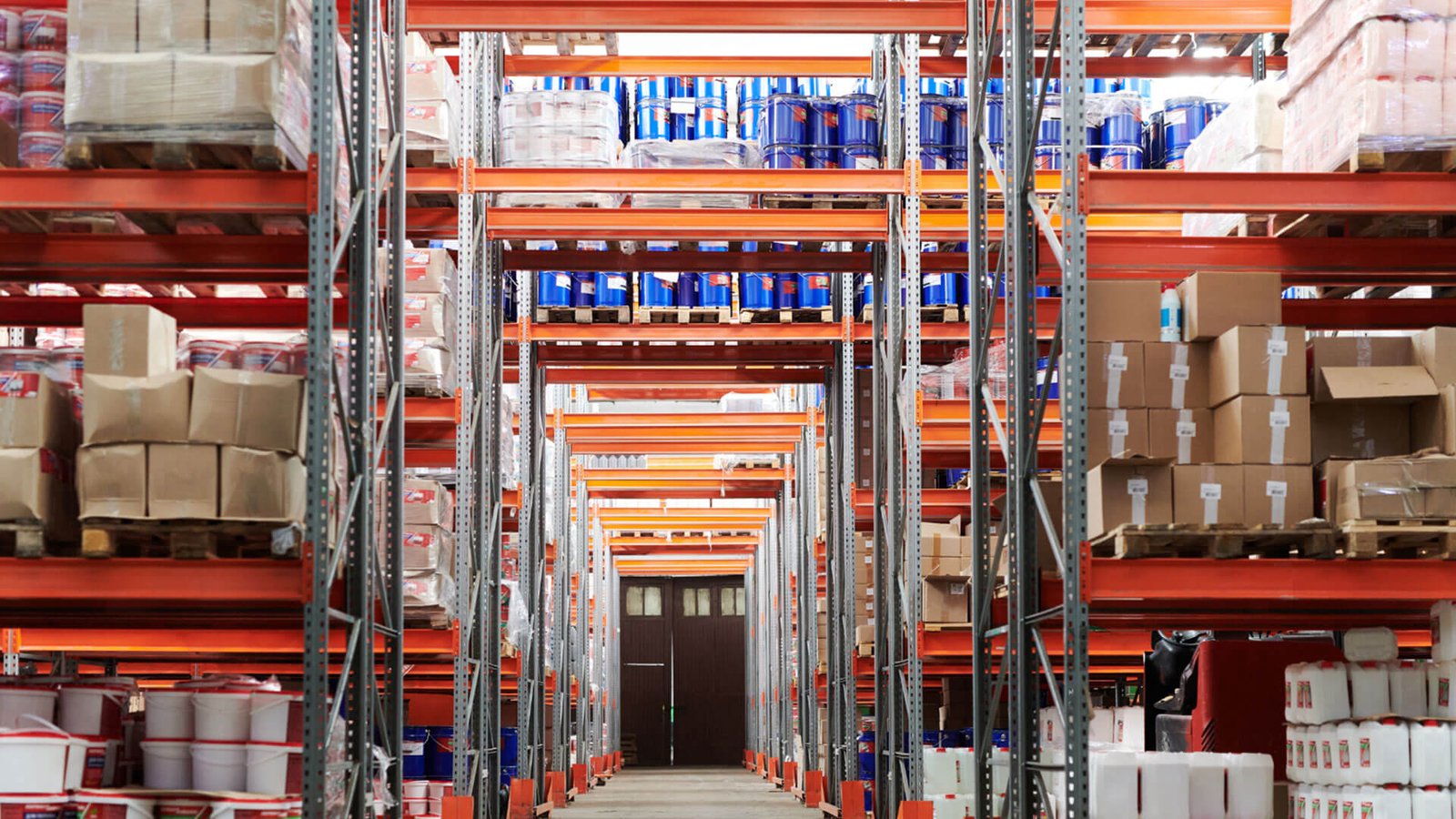
To keep your supply chain running smoothly, consider the following steps:
- Maintain Documentation: Keep all shipping documents up to date and accurate.
- Leverage Expertise: Work with experienced customs brokers who understand the intricacies of customs management.
- Establish Contingency Plans: Be ready for delays by planning alternative routes or inventory management strategies.
Taking these actions helps ensure your supply chain remains efficient, even during inspections.
Customs clearance7 can sometimes feel overwhelming. However, there are best practices you can follow to make this process smoother.
To ensure smooth customs clearance, U.S. importers should follow best practices, such as accurately completing all required forms, keeping up with regulatory changes, and working closely with customs brokers. Proactive communication with CBP and quick response times to inspection requests can further expedite the process.
Here are the best practices for successful customs navigation:
| Best Practice | Description |
|---|---|
| Complete Forms Accurately | Ensure all forms are filled out correctly. |
| Stay Updated | Regularly review changing customs regulations. |
| Communicate Proactively | Keep an open line of communication with your customs broker. |
Being proactive is key. The more prepared you are, the smoother the customs inspection process will be.
Conclusion
Understanding customs inspections is vital for U.S. importers. Being prepared helps ensure smooth shipments and minimizes delays.
Understanding U.S. import regulations is crucial for navigating customs inspections smoothly and avoiding potential delays. ↩
Efficient customs management can significantly reduce the impact of customs inspections on your business operations. ↩
Knowing the role of CBP helps importers understand the inspection process and prepare accordingly. ↩
Avoiding customs holds is key to preventing delays and ensuring timely delivery of goods. ↩
Understanding common violations helps importers prevent them and avoid inspection-related delays. ↩
Correct HTS codes are vital for proper classification and avoiding customs violations. ↩
Following best practices for customs clearance helps importers navigate inspections with minimal disruption. ↩