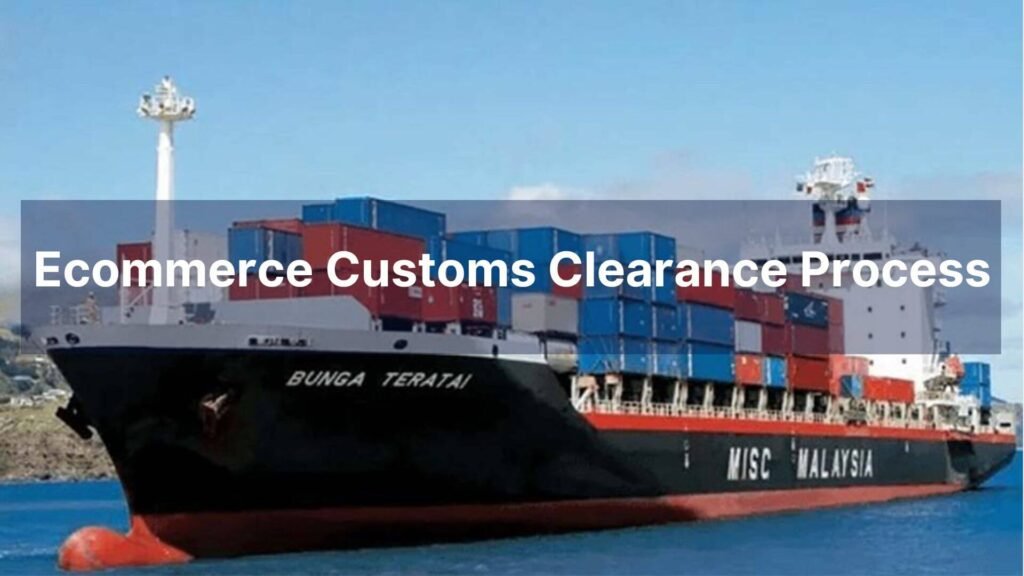
The world of ecommerce is booming. Yet, navigating the customs clearance process can feel overwhelming for online retailers. Understanding the nuances of ecommerce customs clearance1 is essential for success.
Ecommerce customs clearance involves large volumes of smaller shipments, rapid order cycles, and frequent direct-to-consumer deliveries. Unlike bulk imports, ecommerce clearance relies heavily on electronic data accuracy2 and fast processing to avoid delays that disrupt customer delivery timelines.
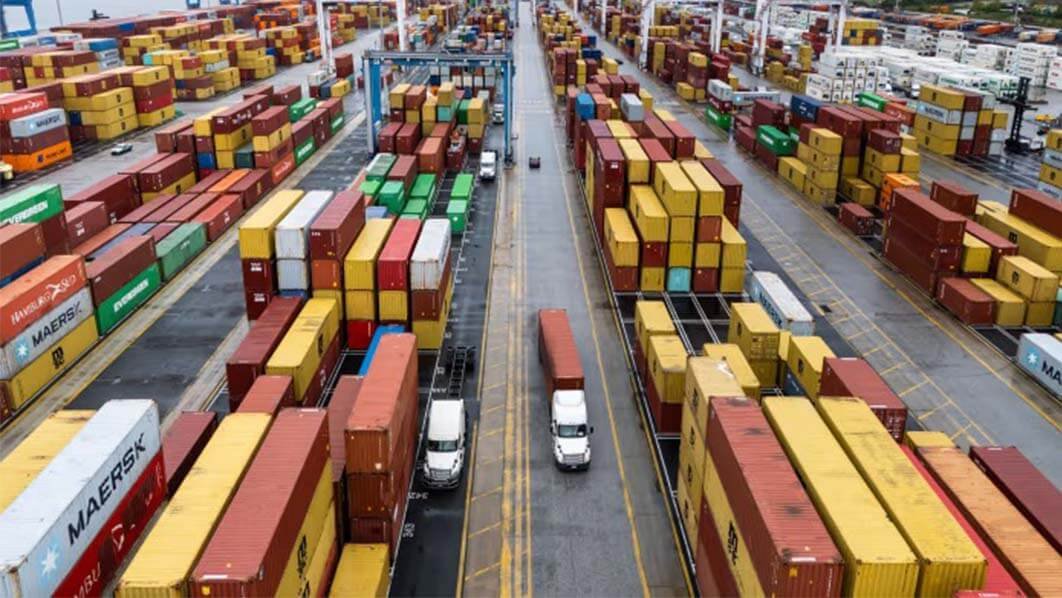
When considering ecommerce customs clearance1, it's crucial to grasp how it differs from traditional bulk imports. The speed of transactions and the volume of shipments can create unique challenges. If you overlook these factors, you may find yourself facing delays you could have easily avoided.
What Makes Ecommerce Customs Clearance Different from Traditional Bulk Imports?
Ecommerce customs clearance is not just about moving goods across borders. It's about understanding the dynamic nature of the ecommerce landscape.
Ecommerce clearance involves a higher shipment volume, lower individual shipment value, and greater reliance on accurate data. This means sellers must be vigilant about the information they provide during the clearance process.
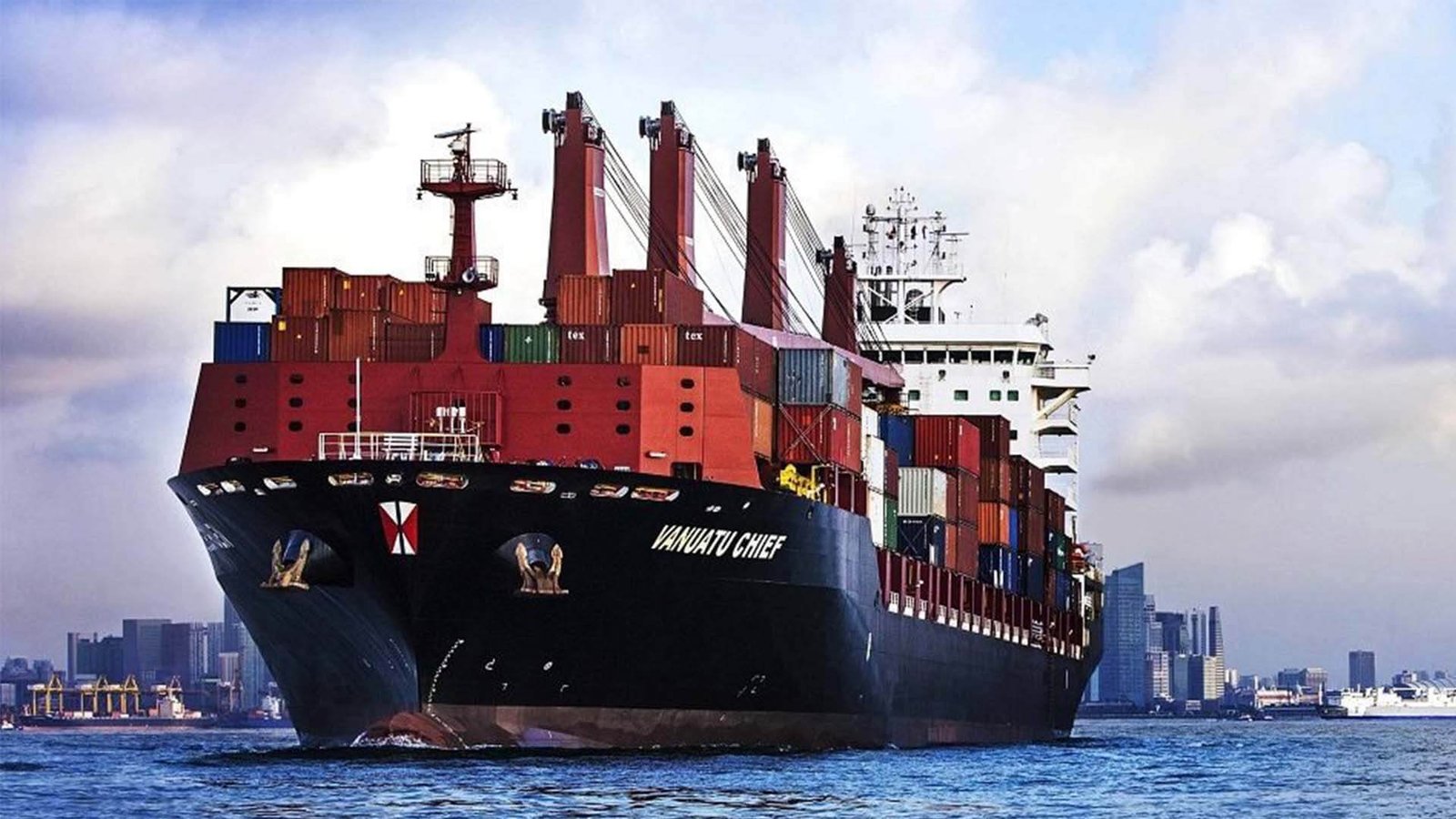
The key differences can be summarized as follows:
- High Shipment Volume3: Ecommerce often means many small shipments rather than a few large ones. This leads to more transactions but less value per shipment.
- Lower Individual Shipment Value4: Each package might be cheaper, complicating the customs process, especially regarding duties and taxes.
- Greater Data Dependency5: The reliance on electronic data is crucial. Errors in data can lead to significant delays, impacting customer satisfaction.
Understanding these differences is vital for any ecommerce seller.
How the Ecommerce Customs Clearance Process Works from Order to Delivery?
Ecommerce clearance is a step-by-step process. Each part of the process is interconnected, ensuring that shipments move smoothly from seller to customer.
Ecommerce clearance begins with order processing and continues through shipment, customs data submission, review, and final delivery. Efficient coordination between seller, logistics provider, and customs broker ensures smooth movement through the clearance process.
The process can be visualized in a flow diagram:
- Order placed
- Shipment prepared
- Data transmitted
- Customs review
- Release
- Last-mile delivery
This flow shows how crucial each step is. Delays at any point can slow down the entire process, leading to unhappy customers.
What Data and Documents Are Required to Clear Ecommerce Shipments?
To clear shipments efficiently, sellers must provide accurate data. Missing or incorrect information can lead to delays and compliance issues.
Accurate shipment data6, including product descriptions, values, and recipient details, is essential for ecommerce customs processing. Errors in electronic data submission are a common cause of delays.
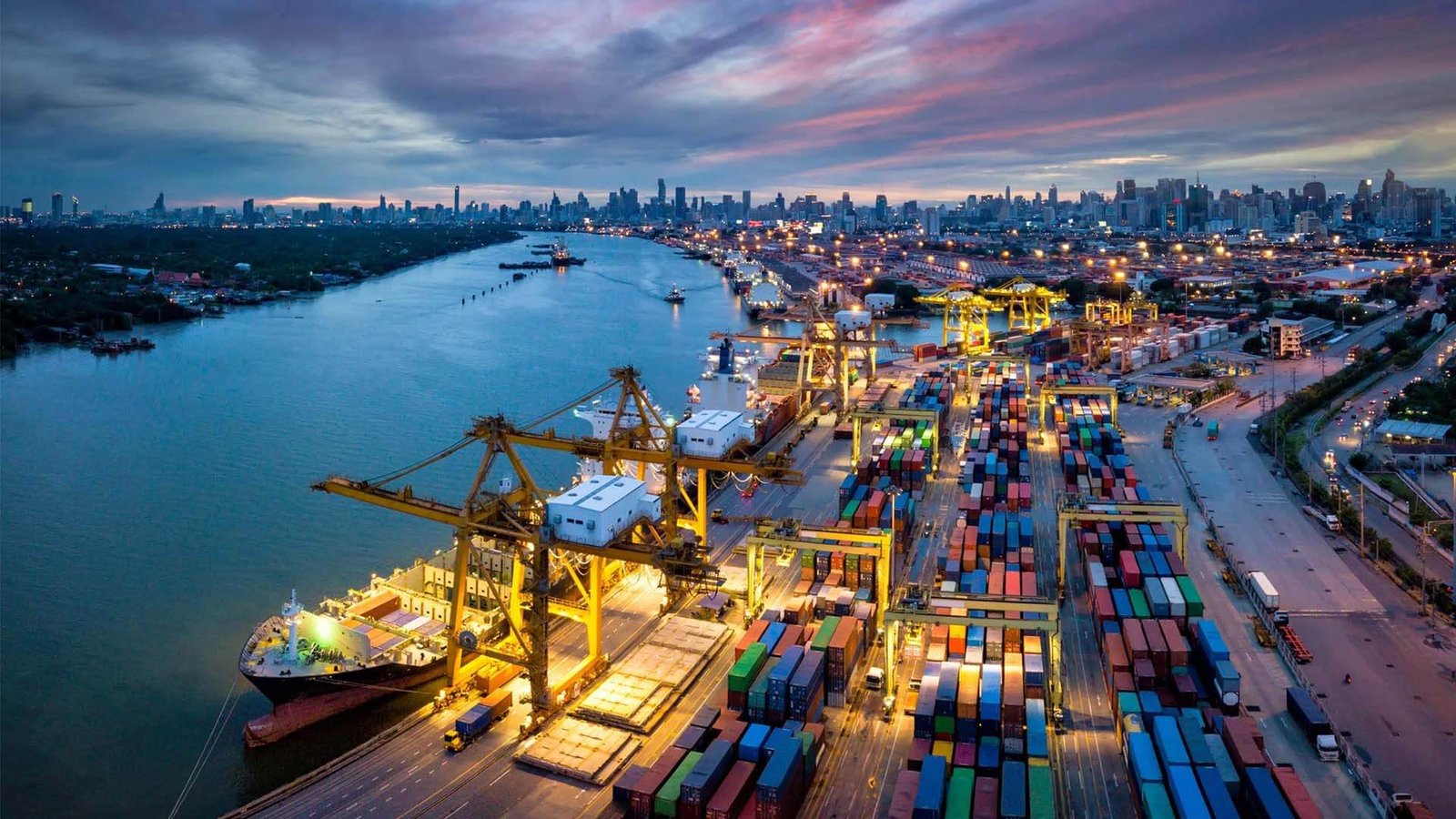
Here’s a checklist of required data elements to ensure smooth clearance:
| Data Element | Why It Matters |
|---|---|
| Product description | Essential for classification and duty assessment |
| Value | Determines applicable duties and taxes |
| Origin | Affects eligibility for trade agreements |
| Recipient information | Needed for delivery and compliance |
By ensuring all information is correct and complete, sellers can minimize the risk of delays.
How Duties, Taxes, and De Minimis Rules Affect Ecommerce Imports?
Duties and taxes play a significant role in the ecommerce customs clearance1 process. Understanding these aspects is essential for cost management.
Ecommerce imports are often influenced by value thresholds and duty rules. Understanding these thresholds helps sellers plan pricing and compliance.
Key concepts include:
- De minimis concept7: This rule allows goods below a certain value to enter the U.S. without incurring duties.
- Duty and tax application8: Be aware of how duties are calculated based on shipment value and product classification.
- Impact on pricing: Understanding these rules helps sellers set competitive prices while staying compliant.
This knowledge is critical for any ecommerce seller looking to navigate the complexities of customs clearance.
What Common Compliance Issues Cause Delays in Ecommerce Shipments?
Compliance issues can lead to significant delays in the customs clearance process. Identifying these problems early can save time and money.
Common ecommerce delays stem from incomplete data, unclear product descriptions, or regulatory questions. These issues slow processing and increase storage risk.
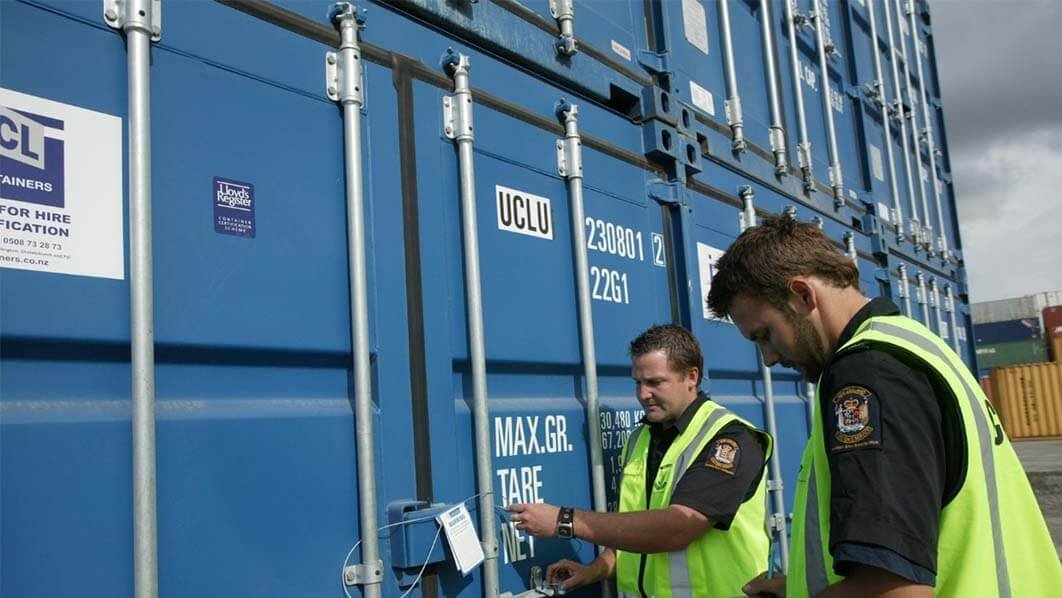
A delay-prevention framework might include:
- Accurate data entry: Ensure all information is entered correctly in the system.
- Clear descriptions: Use specific product descriptions to avoid confusion.
- Early documentation review: Check all documents before submission to customs.
By being proactive, sellers can minimize delays and keep their operations running smoothly.
How Logistics Providers and Customs Brokers Support Smooth Ecommerce Clearance?
The role of logistics providers and customs brokers is crucial in ensuring that shipments clear customs efficiently. They act as the bridge between sellers and customs authorities.
Logistics providers and brokers coordinate shipment data, regulatory requirements, and clearance timing to ensure ecommerce orders move efficiently through customs.
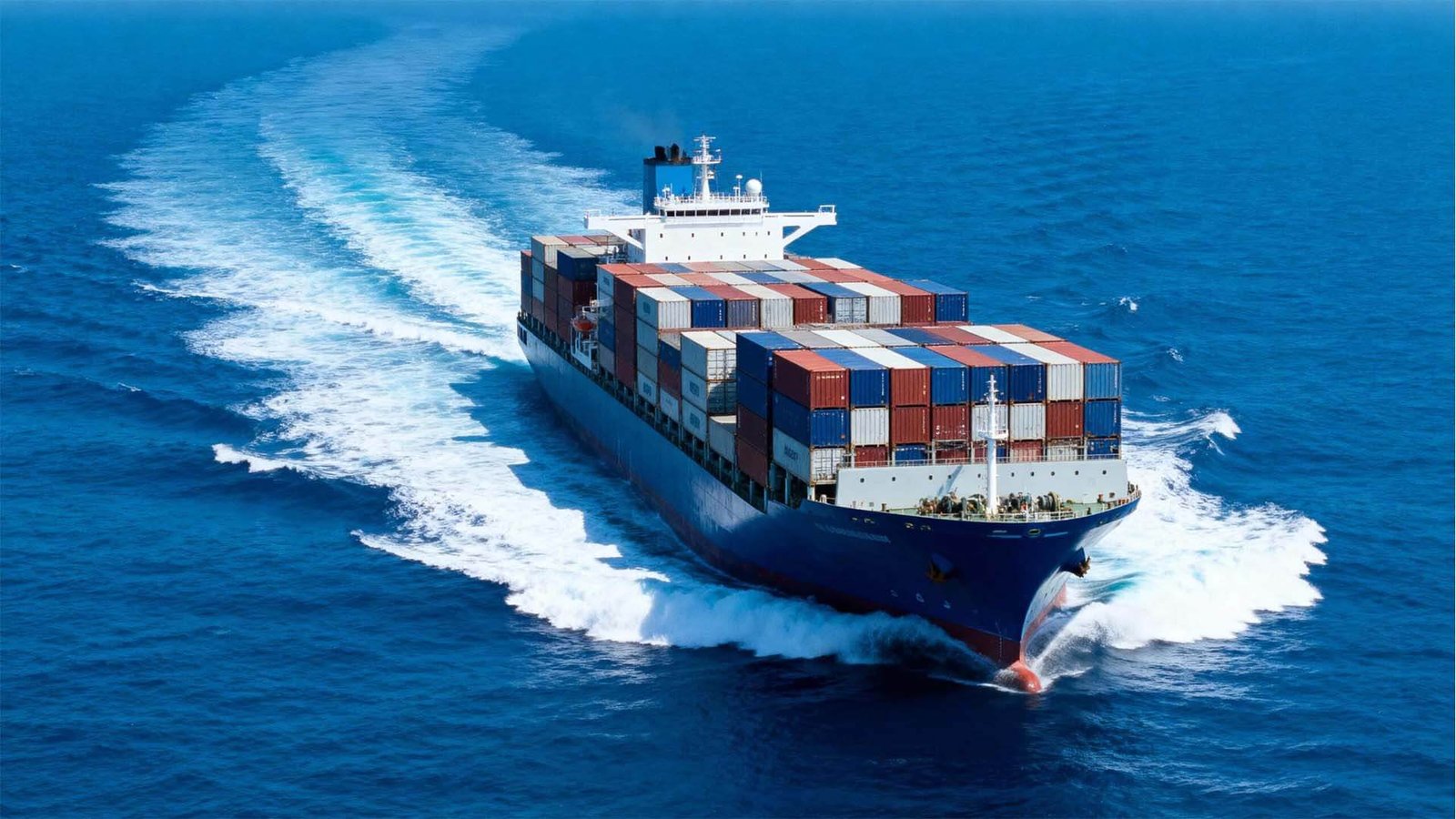
Key aspects of their support include:
- Data integration9: They ensure that all data is compiled and submitted correctly.
- Clearance coordination10: Brokers help navigate the complexities of customs regulations.
- Role of experienced providers11: Leveraging their expertise can significantly enhance the speed and efficiency of the clearance process.
Partnering with reliable logistics and customs firms is essential for ecommerce sellers aiming for seamless cross-border operations.
Conclusion
Understanding the ecommerce customs clearance1 process is crucial for success in today's fast-paced online retail environment.
Understanding ecommerce customs clearance is crucial for online retailers to ensure smooth cross-border transactions and avoid delivery delays. ↩
Accurate electronic data is vital for fast processing in ecommerce customs clearance, preventing delays and ensuring customer satisfaction. ↩
Ecommerce often deals with many small shipments, which requires efficient customs processes to handle the increased volume effectively. ↩
Understanding the impact of lower shipment values helps in managing duties and taxes, crucial for ecommerce profitability. ↩
Accurate data submission is essential to avoid delays and ensure compliance in the ecommerce customs process. ↩
Providing accurate shipment data is essential to avoid compliance issues and ensure timely customs clearance. ↩
Understanding the de minimis concept helps sellers manage costs by knowing when goods can enter without duties. ↩
Knowing how duties and taxes are calculated helps sellers price their products competitively while remaining compliant. ↩
Effective data integration ensures that all necessary information is submitted correctly, preventing delays in the clearance process. ↩
Clearance coordination by brokers ensures that shipments comply with regulations, facilitating smooth customs processing. ↩
Experienced providers enhance the speed and efficiency of customs clearance, crucial for maintaining competitive edge in ecommerce. ↩