Devanning is the controlled unloading of cargo2 from a shipping container at a port, CFS, or warehouse after customs clearance. For U.S. importers, it's the first moment to confirm cargo condition, count, and delivery timelines, making it a critical control point3.
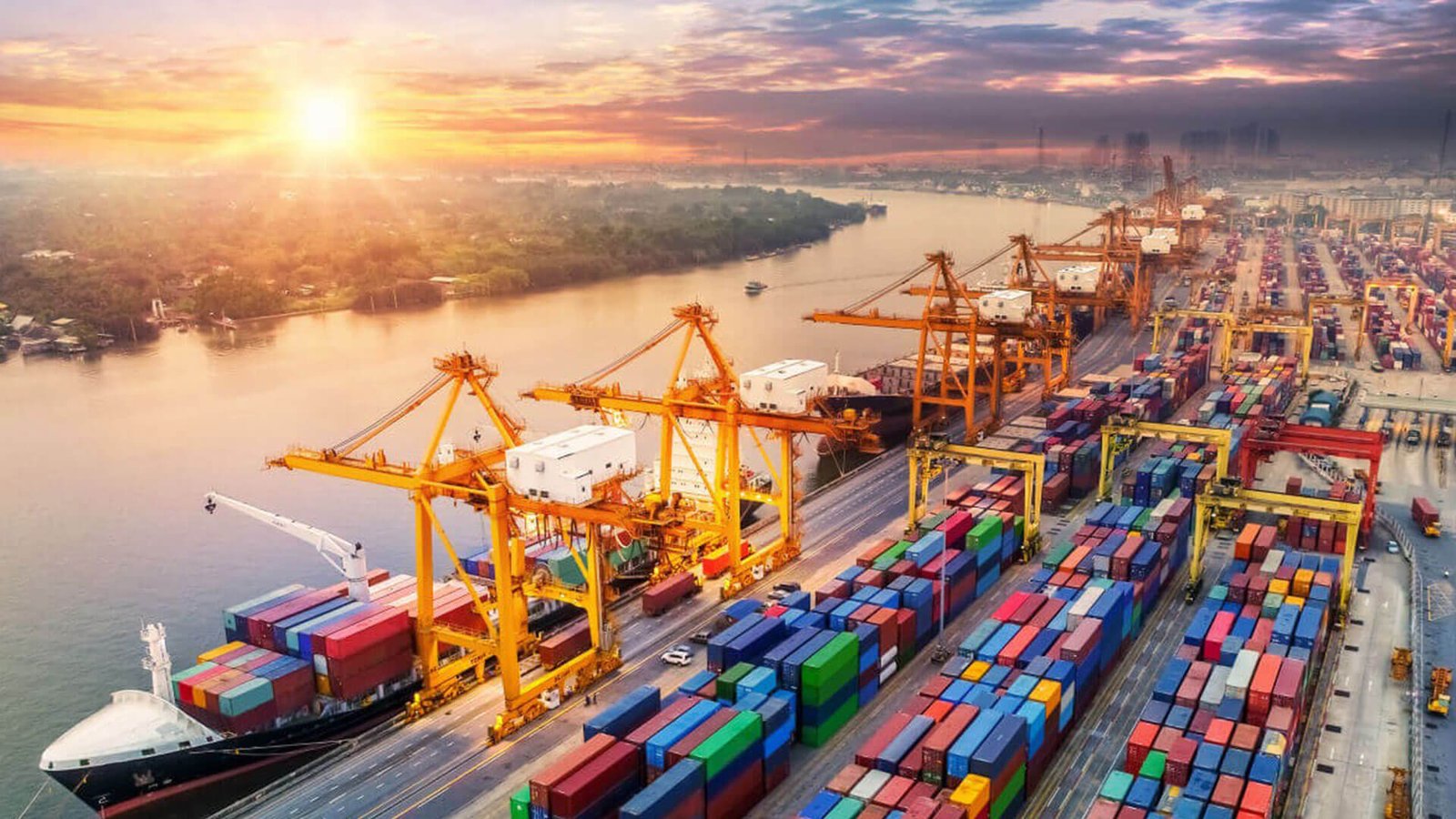
I've seen many importers, like my client Mark, think of devanning as just simple unloading. He used to get hit with surprise fees and delays all the time. But I showed him that it's much more than that. It's a critical step where you can either lose money or take control of your supply chain. Let's break down what devanning really means for your business and how to manage it effectively.
How should a U.S. importer view devanning?
Tired of seeing profits disappear due to unexpected cargo damage or delays? The problem often starts with how you view unloading. Let's fix that right now.
View devanning not as simple unloading, but as a critical control point3. It's your first chance to verify your shipment4, manage risks like damage and shortages5, and take control of your final delivery timeline. This perspective shifts you from reactive to proactive.
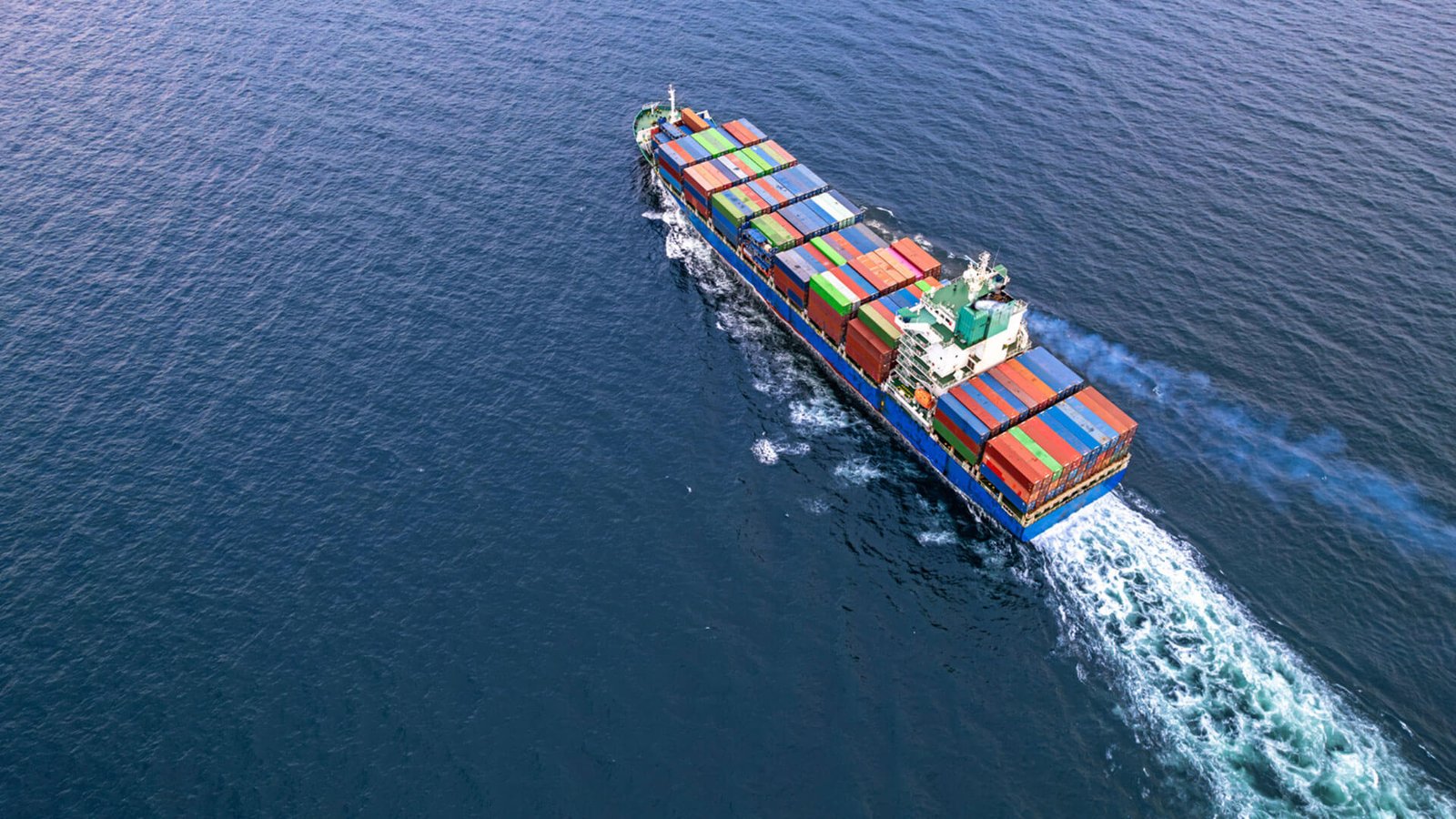
For years, Mark saw unloading as a basic task. He just wanted the cheapest "lumper" service to empty the container. This mindset cost him dearly. He faced delays waiting for labor, found damaged goods too late to file claims, and paid detention fees because the process was disorganized. The real shift happened when we started treating devanning as a key operational step. It's the first time in the U.S. that you physically see and touch your products. It's your only chance to get ahead of problems.
Here’s how your perspective should change:
| Old Mindset (Simple Unloading) | New Mindset (Importer Control) |
|---|---|
| It's just emptying a box. | It's my first point of quality control. |
| How can I do this for cheap? | How can I do this to reduce risk? |
| It happens when it happens. | I need to schedule and plan this step. |
| Any damage is a shipping problem. | I need to document damage now to fix it. |
This change in thinking is the first step to a more predictable supply chain.
What is devanning in shipping, really?
Confused by terms like destuffing, stripping, and unloading6? This confusion can lead to costly miscommunications with your logistics partners. Let's clarify what devanning actually means for you.
In shipping, devanning is the formal, planned process of removing goods from a full container load (FCL). It's different from "unloading." Devanning implies a controlled environment, verification, and documentation, unlike the more generic terms "destuffing" or "stripping."
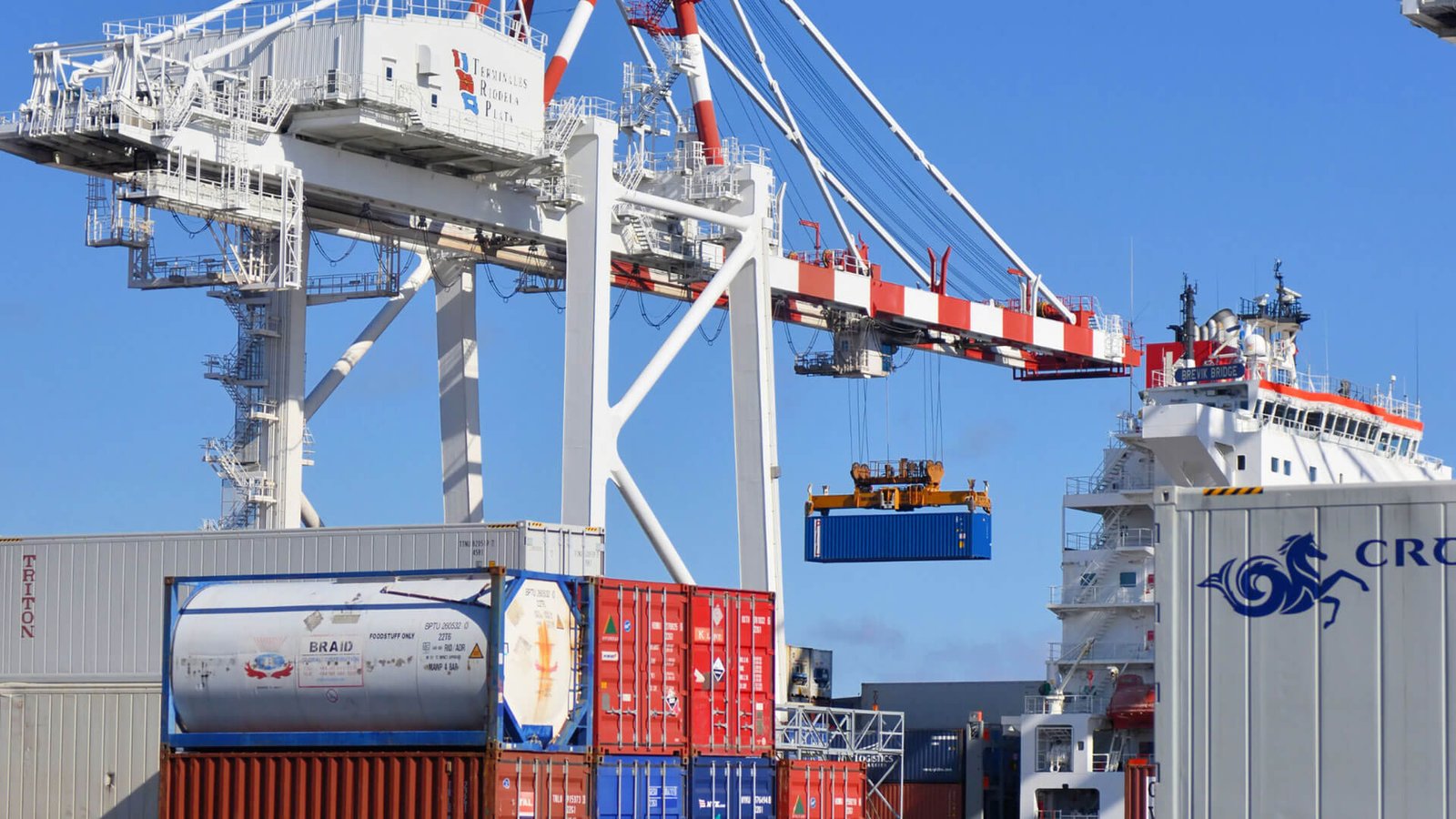
When you import a full container, you need a professional service. Using the right term sets the right expectation. If you ask a warehouse to "unload" a container, they might just empty it quickly. If you ask them to "devan" it, they understand it involves a more careful process. I always use the term "devanning" with my clients because it implies the level of care and documentation they need to protect their investment.
Here’s a simple breakdown of the common terms:
| Term | Meaning & Context |
|---|---|
| Devanning | Professional unloading of an FCL container, includes verification and documentation. |
| Unloading | A generic term for taking goods off any vehicle, including a container. Lacks formality. |
| Destuffing | A common industry synonym for devanning. Often used interchangeably. |
| Stripping | Primarily used for LCL cargo at a CFS, where the container is "stripped" of its contents. |
For an FCL importer like you, "devanning" is the word that signals a professional, controlled process.
Where does devanning happen in the U.S.?
Does it matter where your container is unloaded? Yes, a lot. Choosing the wrong location can lead to massive port fees and delays. Let's explore your options.
Devanning in the U.S. happens at a port terminal, a Container Freight Station (CFS)7, a bonded warehouse8, or your own/3PL warehouse. For FCL, your own warehouse is best to minimize costs and delays. The location directly impacts your drayage costs9 and detention risk.
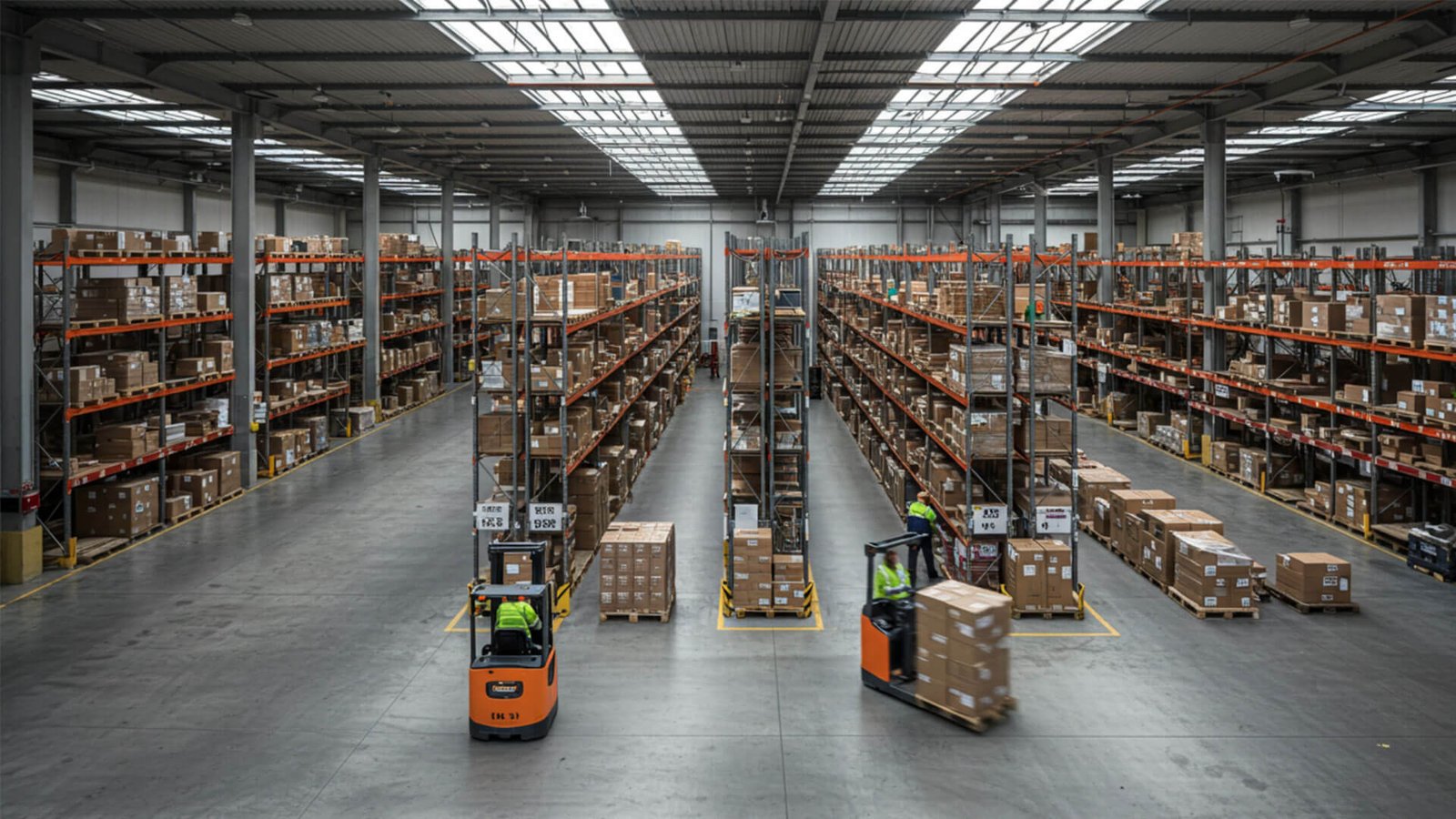
The location of your devanning is a strategic choice, not an afterthought. We plan this with our clients before the vessel even arrives. Why? Because it helps us avoid port congestion and expensive fees. For example, devanning directly at the port is rare and risky due to congestion. A bonded warehouse8 is necessary for customs exams but adds handling costs. The ideal scenario for FCL is to clear customs, then quickly move the container to your own distribution center or a trusted 3PL partner's warehouse for devanning. This gives you maximum control and minimizes the risk of the container getting stuck and incurring detention charges.
| Devanning Location | Best For... | Key Consideration |
|---|---|---|
| Port Terminal | Very rare, emergency situations. | High risk of congestion and fees. |
| CFS Warehouse | LCL shipments, customs exams. | Slower process, less control. |
| Bonded Warehouse | Shipments under customs hold. | Necessary for compliance, but adds costs. |
| Importer's DC / 3PL | Most FCL shipments. | Ideal. Maximum control, lowest cost. |
Where does devanning fit in the shipping process?
Feeling like your import process is a black box? A single missed step can disrupt your entire supply chain. Let's map out exactly where devanning fits in.
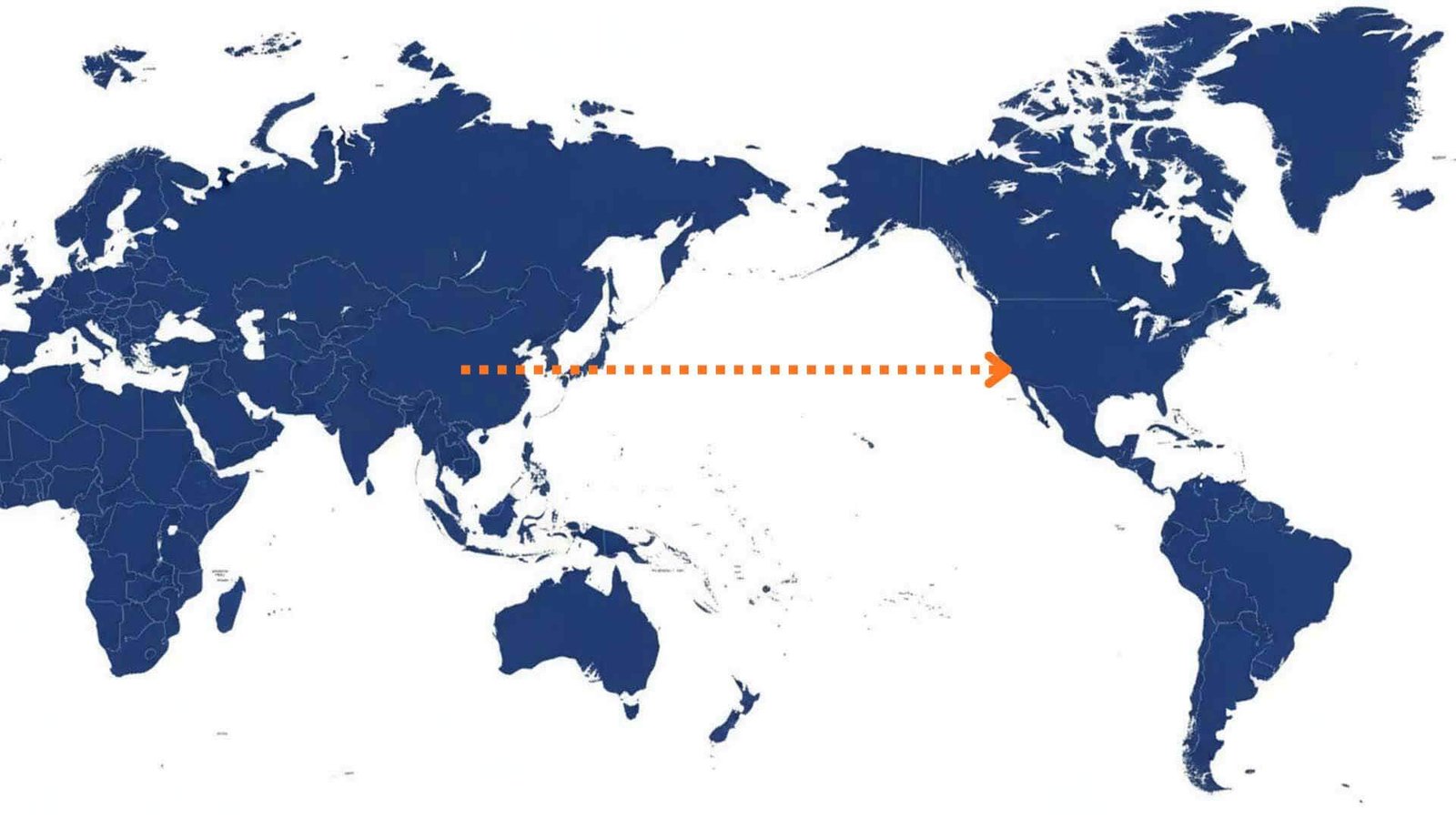
In a typical China-to-USA FCL shipment, devanning happens after the container is drayed from the port and after U.S. Customs has released it. It is the critical step right before your goods are sorted and sent for final domestic delivery10.
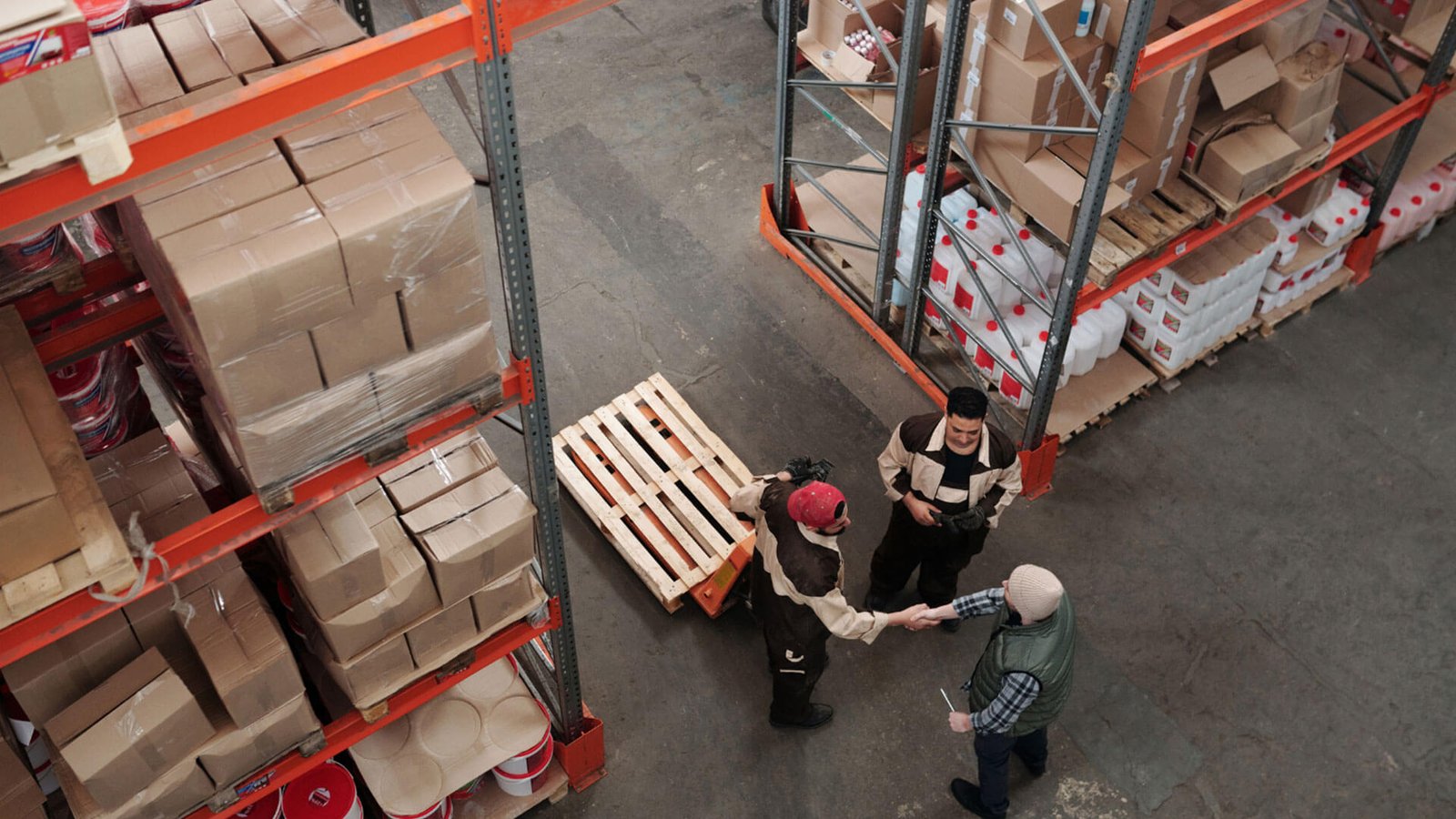
I always explain to my clients that devanning is the official handoff point between international freight and domestic logistics. Any mistakes made here will cascade down and cause major problems, like missed delivery appointments with big retailers. Getting this step right is crucial for a smooth end-to-end process.
Here is the simplified journey of your container from China to a U.S. warehouse:
- Factory Loading (Stuffing): Your goods are loaded into the container in China.
- Ocean Transit: The container travels by ship to a U.S. port.
- U.S. Customs Clearance11: We file the entry and get customs release while the ship is on its way.
- Drayage: A truck picks up the container from the port.
- Devanning: The container is unloaded at your designated warehouse.
- Final Delivery: Your goods are palletized, sorted, and delivered to their final destination.
Devanning is the bridge between the ocean journey and the final-mile delivery.
How long does devanning actually take?
Are you budgeting your warehouse labor and truck appointments correctly? Guessing devanning time can lead to expensive overtime and missed delivery windows. Let's get some real numbers.
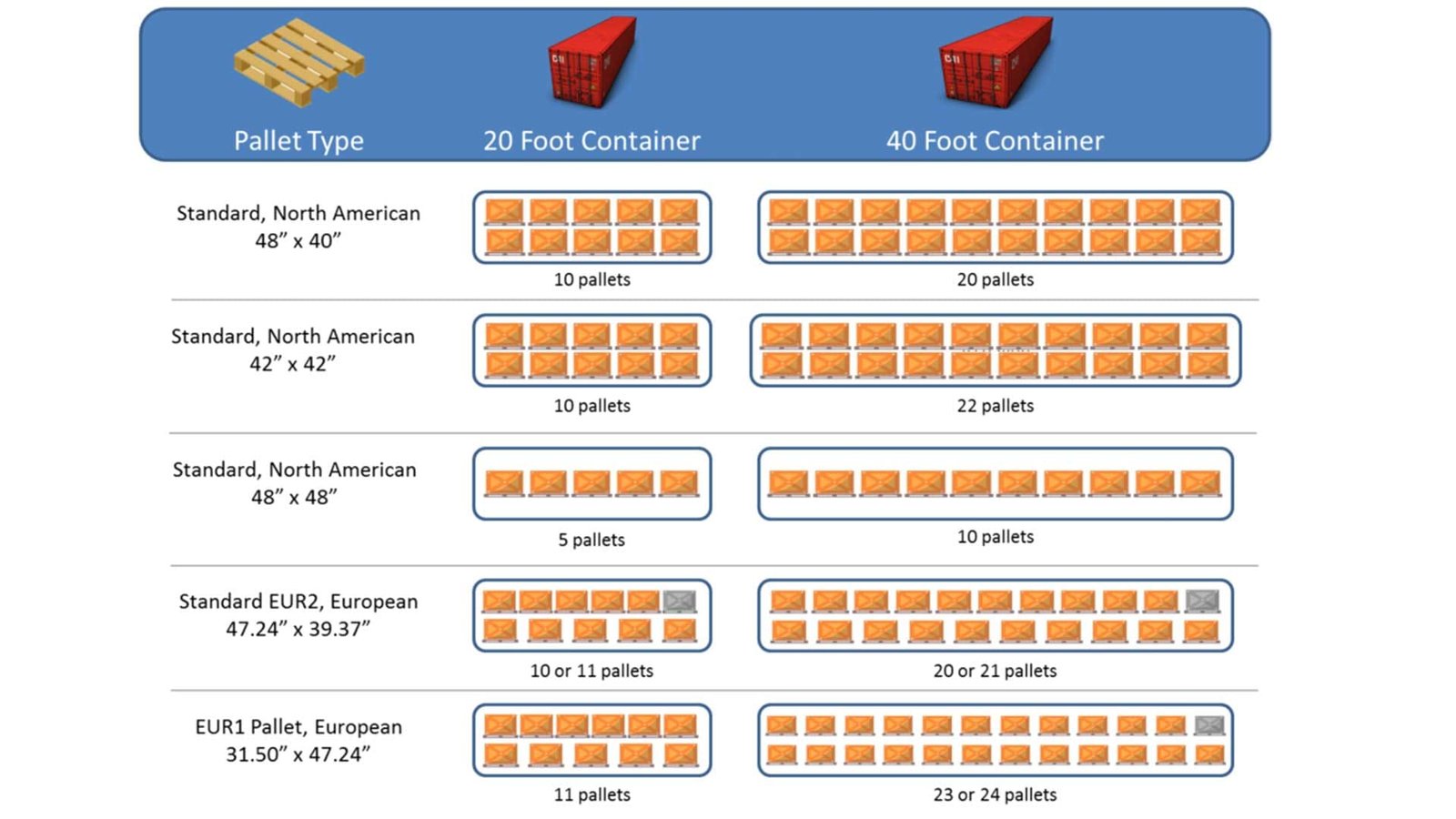
Devanning a standard FCL container typically takes 2 to 6 hours. A 20ft container takes about 2-4 hours, while a 40ft container takes 3-6 hours. The exact time depends on whether the cargo is floor-loaded or palletized and the efficiency of the labor team.
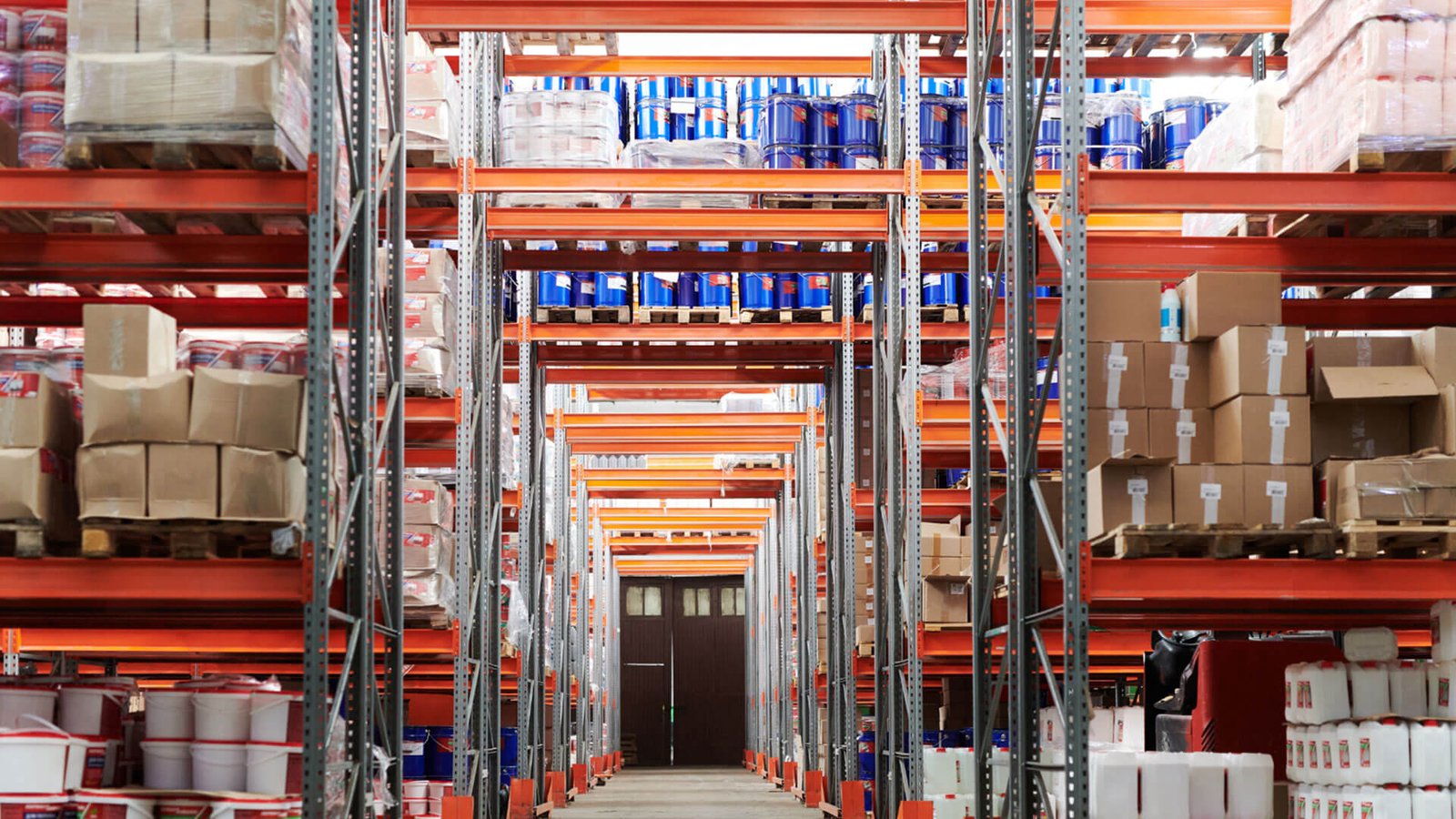
These timelines are what you should plan for under normal conditions. However, several factors can change these times dramatically. A floor-loaded container, where boxes are stacked from floor to ceiling, will always take longer than a container with neatly packed pallets that can be removed quickly with a forklift. The biggest delays I see come from poor planning. If the labor isn't scheduled or the container is late because of a customs hold, the whole operation stops. As a service provider, our job is to get customs pre-cleared and schedule labor for a specific window, which makes the devanning timeline much more predictable for our clients.
| Container Type | Typical Devanning Time | Key Factor |
|---|---|---|
| 20ft FCL | 2–4 hours | Depends on labor and load type. |
| 40ft FCL | 3–6 hours | More volume, requires more work. |
| Floor-loaded | Longer | Requires manual handling of every box. |
| Palletized | Faster | Can be quickly moved with a forklift. |
How long does it take to unload a 20ft vs a 40ft container?
Is a 40ft container always double the work of a 20ft? Not necessarily. Misjudging this can mess up your labor planning and budget. Let's compare them directly.
Unloading a 40ft container (3-6 hours) takes longer than a 20ft container (2-4 hours), but not always double the time. The key factors are cargo type and how it was loaded. Palletized cargo is much faster to unload for both sizes.
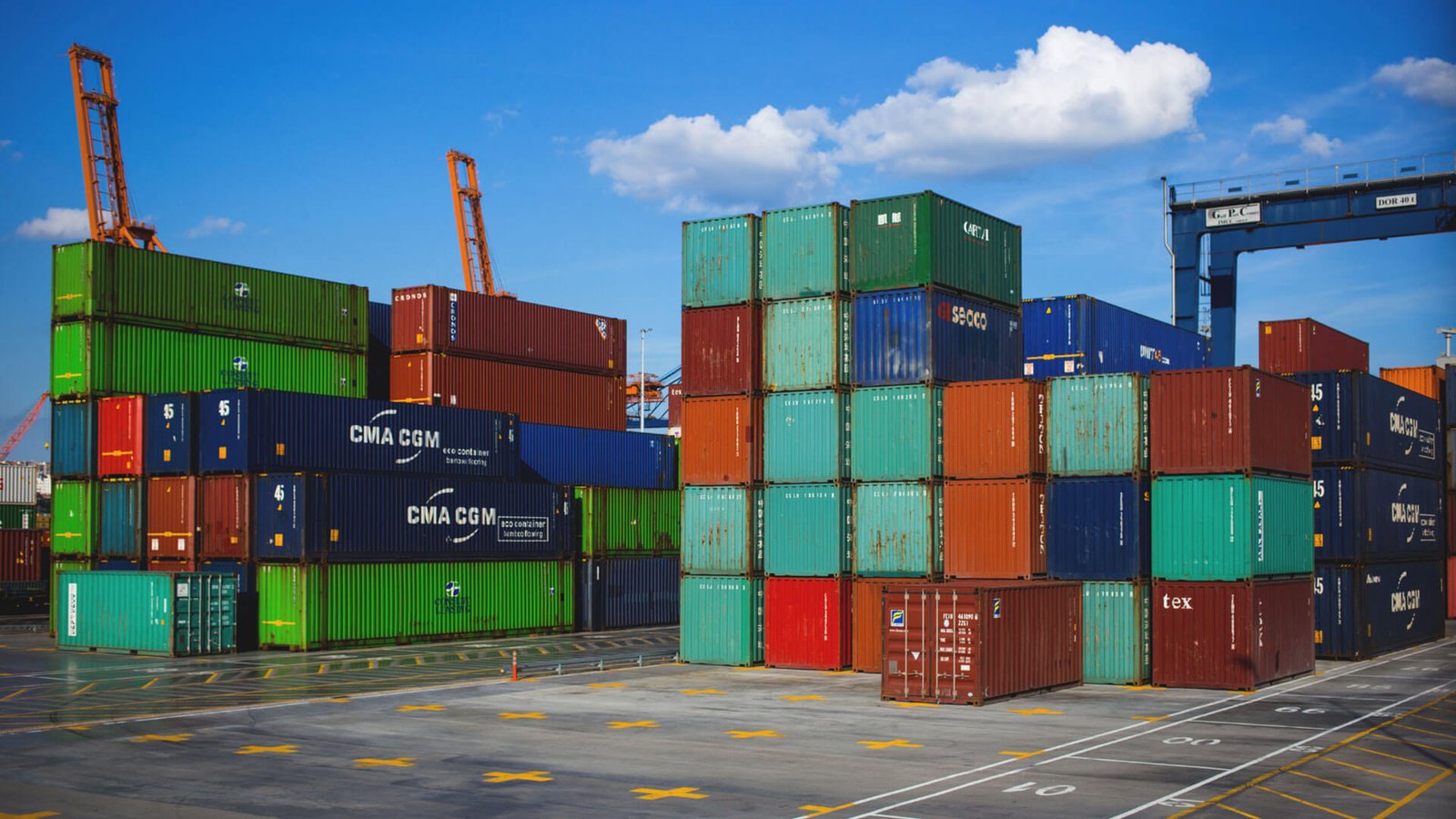
I once had a client who budgeted eight hours and a four-person team to unload a 40ft container because he assumed it was double the work of his usual 20ft shipments. But his 40ft container was perfectly palletized. The team finished in under three hours, and he had overpaid for labor that just sat around. The complexity of the load is often more important than the size of the container. A poorly stacked, floor-loaded 20ft container with mixed SKUs can be a nightmare and take longer than a well-organized 40ft palletized container. It's all about how the cargo is presented to the unloading team. Always share the load plan from your supplier with your warehouse team so they can plan accordingly.
What are the most common factors that delay devanning?
Frustrated by devanning delays you can't control? These delays cost you money in detention and storage fees. Let's identify the common culprits so you can avoid them.
The biggest devanning delays are caused by U.S. Customs holds, which prevent the container from moving. Other major factors include labor shortages at the warehouse, port congestion delaying the truck, and poor load planning at the origin factory.
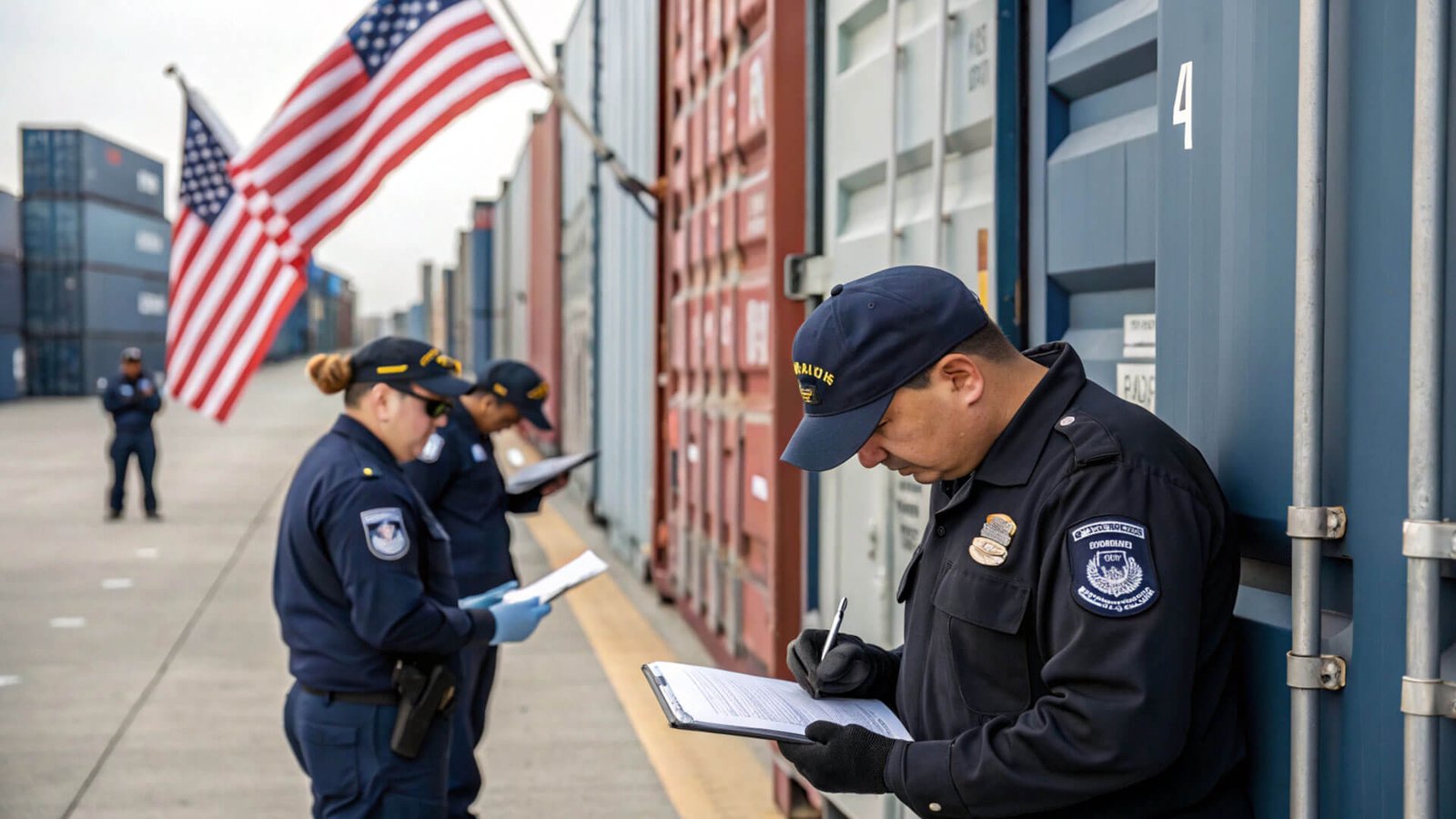
Devanning itself might only take a few hours, but getting to that point can be the real challenge. The most common roadblock is a customs hold. If your container is flagged for a VACIS or CET exam12, it cannot be devanned until cleared, and that can take days or even weeks. This is why having a reliable customs broker is so important. Other delays are more operational. During peak season, there can be a shortage of truck drivers to pull the container from the port (drayage). Or, the warehouse might not have an appointment available for several days. A good forwarder works to anticipate these bottlenecks and has backup plans, like relationships with multiple trucking companies and warehouses.
What exactly is a devanning fee13?
Have you ever been hit with a surprise "devanning fee13" on your invoice? These unclear charges can ruin your budget. Let's break down what you're actually paying for.
A devanning fee13 is the charge from a warehouse for the labor and equipment used to unload your container. It typically covers the cost of workers (lumpers), use of forklifts, and basic sorting. This fee can vary greatly by location and job complexity.
The "devanning fee13" is often a source of confusion for importers. It's not always a single, all-inclusive cost. I always advise my clients to ask for a detailed breakdown. What you're paying for is a service, and that service has several components. The main cost is labor, often called a "lumper fee," which can be charged per hour or as a flat rate per container. Then there's the cost of using a forklift and other equipment. If your goods need to be sorted by SKU or palletized, that's often an additional charge. Getting a clear quote upfront that details all these potential costs is key to avoiding a surprise bill after the work is done.
What devanning costs should U.S. importers really expect?
Is a cheap devanning quote too good to be true? Often, yes. Focusing only on the unloading fee can lead to much larger hidden costs. Let's look at the total picture.
U.S. importers should expect total devanning-related costs to include more than just the unloading fee. The true cost includes labor, equipment, and the risk of demurrage and detention fees14 if the devanning is delayed.
Mark used to shop around for the cheapest devanning quote he could find. He’d save $100 on the unloading fee but then get hit with a $500 detention bill because the cheap provider wasn't ready and the container sat for two extra days. This is a classic case of being penny-wise and pound-foolish15. The "total cost" of devanning is what matters. A well-managed process might have a slightly higher upfront fee, but it saves you from the massive, unpredictable costs of delays. A DDP service16 like ours includes this management in the price, so the cost is predictable from the start.
| Service Type | Upfront Fee | Hidden Cost Risk | Final Cost |
|---|---|---|---|
| Cheap, Standalone Devanning | Low | High (Detention, Damage) | Unpredictable, Often High |
| Managed Devanning (DDP) | All-inclusive | Low (Coordinated process) | Predictable |
What happens right after devanning is complete?
Your container is empty. Great! But the job isn't done. What happens next determines if your goods reach your customers on time. Let's review the crucial next steps.
Immediately after devanning, the cargo is typically sorted, inspected for damage, and counted against the packing list. It is then often palletized to meet domestic shipping standards. Finally, it's checked into the warehouse inventory system, ready for delivery.

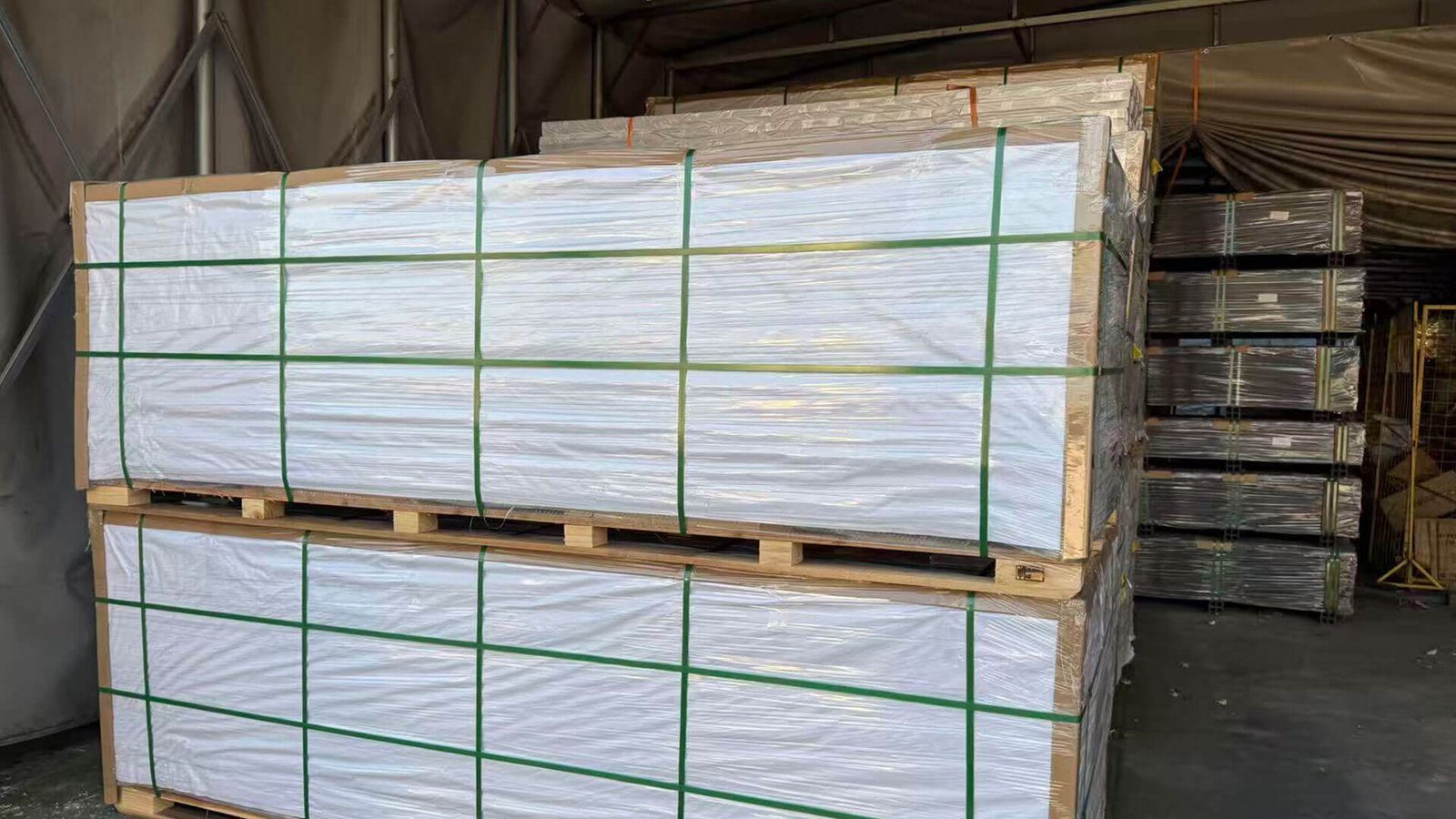
The post-devanning process is just as important as the unloading itself. This is where your goods are prepared for the final leg of their journey. A professional warehouse team will follow a clear process. First, they perform a piece count and check it against the packing list you provided. This is called a "tally." At the same time, they inspect for any visible damage and take photos. Then, they sort the goods by SKU or purchase order and stack them onto pallets according to your specifications. Finally, the pallets are shrink-wrapped, labeled, and entered into the warehouse management system (WMS). Now, your inventory is accurate and ready to be shipped to your customers.
What devanning risks do most importers overlook?
Think devanning is a low-risk step? Think again. This is where hidden problems from the entire shipping journey surface, costing you money. Let's uncover these risks.
The most overlooked devanning risks are discovering cargo damage with no proof of when it happened, finding shortages too late to file a claim, and incurring detention fees because the unloading took too long. These risks directly impact your bottom line.
I've seen importers lose thousands of dollars during devanning. The biggest risk is a lack of documentation. If a pallet of goods is damaged, but the unloading team doesn't take photos or note it on the paperwork, you have no way to prove the damage didn't happen in your own warehouse. You can't file a claim with the carrier or your supplier. Another risk is miscounts. If the team doesn't do an accurate tally, you might not realize you were short-shipped for weeks, long after you've paid the invoice. Professional supervision during devanning, with clear photo evidence and exception reporting within 24 hours, is the best way to mitigate these expensive risks.
How is devanning different for FCL vs LCL shipments?
Shipping FCL but thinking about LCL? The devanning process is completely different, with major impacts on your control, speed, and costs. Let's compare the two.
For FCL, you control where and when devanning happens, usually at your own warehouse. For LCL, your goods are devanned at a shared Container Freight Station (CFS) alongside other importers' cargo. This means less control and slower processing.
When you ship a Full Container Load (FCL), the container is yours. You decide where it goes for devanning. This gives you immense control. But with Less than Container Load (LCL), your goods are consolidated with others. The container is taken to a Container Freight Station (CFS), where it is "stripped." You have no control over this process. Your cargo waits in line to be sorted, which can add days to your timeline. There is also a higher risk of damage or loss as your goods are handled multiple times alongside other shipments. For any importer who values speed and control, FCL with devanning at a controlled warehouse is always the safer, more reliable option.
| Aspect | FCL Devanning | LCL Devanning (CFS Stripping) |
|---|---|---|
| Control | High (You choose location/time) | Low (Done by CFS on their schedule) |
| Speed | Faster | Slower (Wait for sorting) |
| Risk | Lower | Higher (More handling, risk of loss) |
| Cost Predictability | Stable | Variable (CFS fees can vary) |
Why must devanning be coordinated with U.S. Customs clearance?
Scheduled your devanning before customs gave the green light? This is a costly mistake. Let's understand why these two steps must be perfectly timed.
You cannot legally devan a container until U.S. Customs releases it. Attempting to do so, or even moving it to a non-bonded warehouse, can result in huge fines and delays. Proper coordination is essential to avoid these penalties.

This is one of the most critical rules in importing. I’ve seen importers get into serious trouble by not respecting it. The process must be sequential. First, the container arrives and we, as your customs broker, file the entry. Then, we wait for U.S. Customs to issue a release. Only after we have that official release can we schedule a truck to pick up the container for devanning. If you move the container before it's released, you risk a customs exam, storage fees at a bonded facility, and significant fines. As a company that is both a U.S.-registered customs broker and a freight forwarder, we manage this as one seamless operation, ensuring we never schedule devanning until customs clearance is confirmed.
How can I prepare for devanning with a simple checklist?
Want a smooth, predictable unloading process every time? A simple checklist can prevent 90% of devanning problems. Let's build one you can use right away.
To prepare for devanning, use this checklist: Confirm customs is cleared. Book a firm warehouse appointment. Confirm labor and equipment are ready. Share the packing list with the warehouse. Define your process for handling damages before they are found.
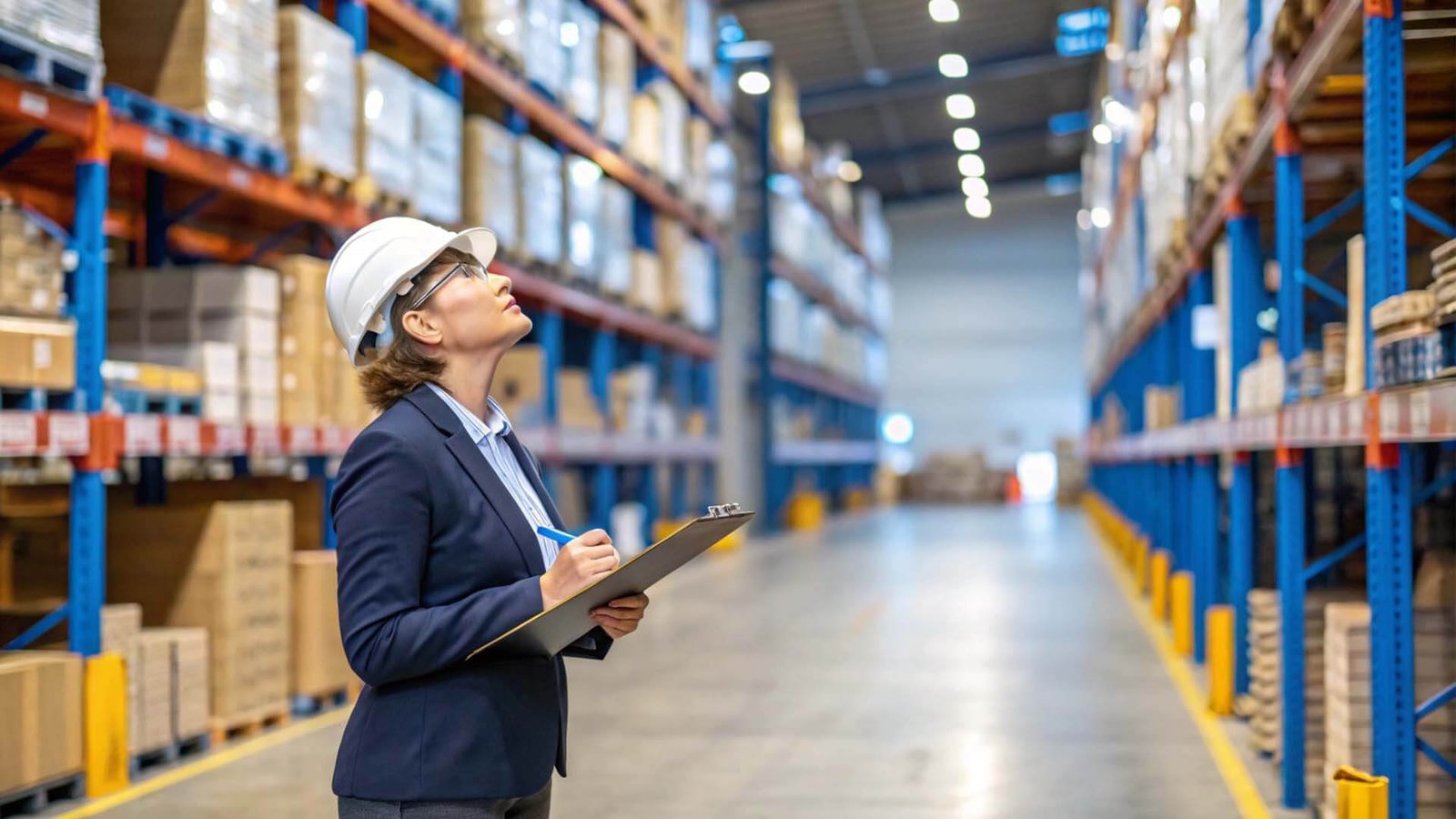
A good plan is the best way to ensure a smooth devanning process. Running through a simple checklist before your container arrives can save you a lot of headaches and money. It forces you to confirm that every piece of the puzzle is in place. I give a version of this checklist to all my clients to empower them to stay on top of their shipments. It turns a chaotic process into a manageable one.
Pre-Devanning Importer Checklist
- [ ] Customs Release Confirmed: Has my broker confirmed the container is cleared by CBP?
- [ ] Warehouse Appointment Booked: Do I have a confirmed date and time for unloading?
- [ ] Drayage Trucker Confirmed: Is the truck scheduled to pick up the container and deliver it on time?
- [ ] Labor & Equipment Ready: Has the warehouse confirmed they have the people and forklifts ready?
- [ ] Documents Shared: Have I sent the packing list and bill of lading to the warehouse?
- [ ] Special Instructions Given: Has the warehouse been told how to stack pallets or handle fragile items?
- [ ] Exception Protocol Defined: Does the team know to take photos and report any damage or shortages immediately?
What common devanning mistakes increase import costs?
Are you making simple mistakes that inflate your import costs? Many importers do. Let's identify these common errors so you can protect your profit margins.
The costliest mistakes include waiting until the container arrives to book labor, not sharing the load plan with the warehouse, and using separate companies for customs and freight, which leads to poor coordination and costly delays.
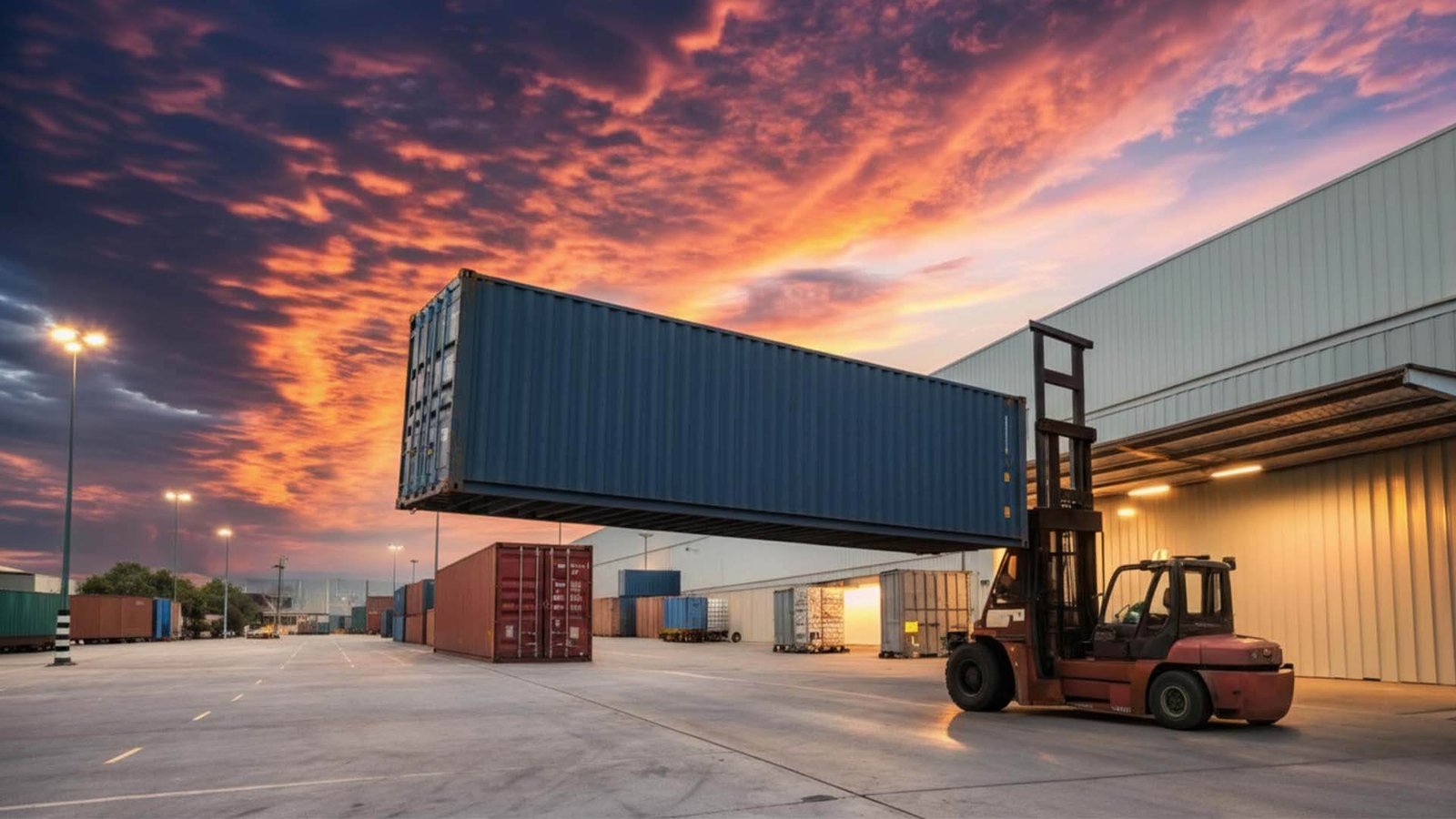
The most expensive mistakes are almost always due to a lack of planning and communication. A classic error is waiting until the ship docks to start thinking about unloading. By then, it's too late. The best warehouse and labor teams are booked in advance. Another mistake is assuming the warehouse knows how your container is packed. If they expect pallets and get a floor-loaded mess, the unloading will take twice as long and cost you more. But the biggest issue I see is when an importer uses one company for customs, another for trucking, and a third for warehousing. No one is in charge of coordinating, so when a problem occurs, everyone points fingers and you're the one stuck with the detention bill. A single, accountable DDP provider eliminates these failures.
What are the maximum load limits for 20ft and 40ft containers?
Overloading your container seems like a good way to save money, right? Wrong. It can lead to huge fines and unloading nightmares in the US. Let's check the limits.
While containers have high weight capacities, the true limit is set by U.S. road weight regulations, typically around 44,000 lbs (20,000 kg) for the cargo itself. Exceeding this makes inland transport difficult and expensive.
Your supplier might tell you a 40ft container can hold 26,000 kg. While technically true for the container itself, that weight is illegal to transport on a standard truck in the United States. The real limit you need to worry about is the road weight limit. If your cargo weight exceeds about 44,000 lbs (roughly 20,000 kg), you have an "overweight" load. This means you need a specialized, more expensive truck with an extra axle (a tri-axle chassis). Many truckers will refuse to even pick up an overweight container. It's crucial to make sure your supplier is loading based on U.S. road limits, not the container's maximum capacity.
| Container | Max Payload (Container Spec) | Realistic U.S. Road Limit (Cargo) |
|---|---|---|
| 20ft | ~62,000 lbs / 28,000 kg | ~38,500 lbs / 17,500 kg |
| 40ft / 40HC | ~58,000 lbs / 26,000 kg | ~44,000 lbs / 20,000 kg |
What is considered an overweight load in a 40ft container?
Your supplier says they can fit more in the container. Should you let them? An overweight container can get stopped cold at the port, racking up fees. Let's define the limit.
In the U.S., cargo in a 40ft container is generally considered overweight if it exceeds 44,000 lbs (about 20,000 kg). This isn't the container's physical limit, but the legal limit for standard trucks on U.S. roads. It requires special permits.
Pushing the weight limit is a risky game. If your 40ft container's cargo weight is over 44,000 lbs, you are in the overweight zone. This creates immediate problems. First, you will have to pay for a specialized tri-axle truck, which is more expensive and less available than a standard truck. This can cause delays. Second, if the weight is not properly declared, the trucker can be fined by the Department of Transportation (DOT), and those costs will be passed on to you. I’ve seen overweight containers get stuck at the port for days while the importer scrambles to find a specialized carrier, all while detention fees pile up. It's much safer and cheaper to respect the road weight limits from the start.
How does professional devanning improve delivery reliability?
Tired of delivery dates that always seem to slip? The problem might be your devanning process. A professional approach can make your delivery timelines far more reliable.
Professional devanning improves reliability through proactive planning and control. By scheduling labor in advance, supervising the unload, providing photo documentation, and immediately reporting exceptions, it prevents the small issues that cause big delays and disputes.
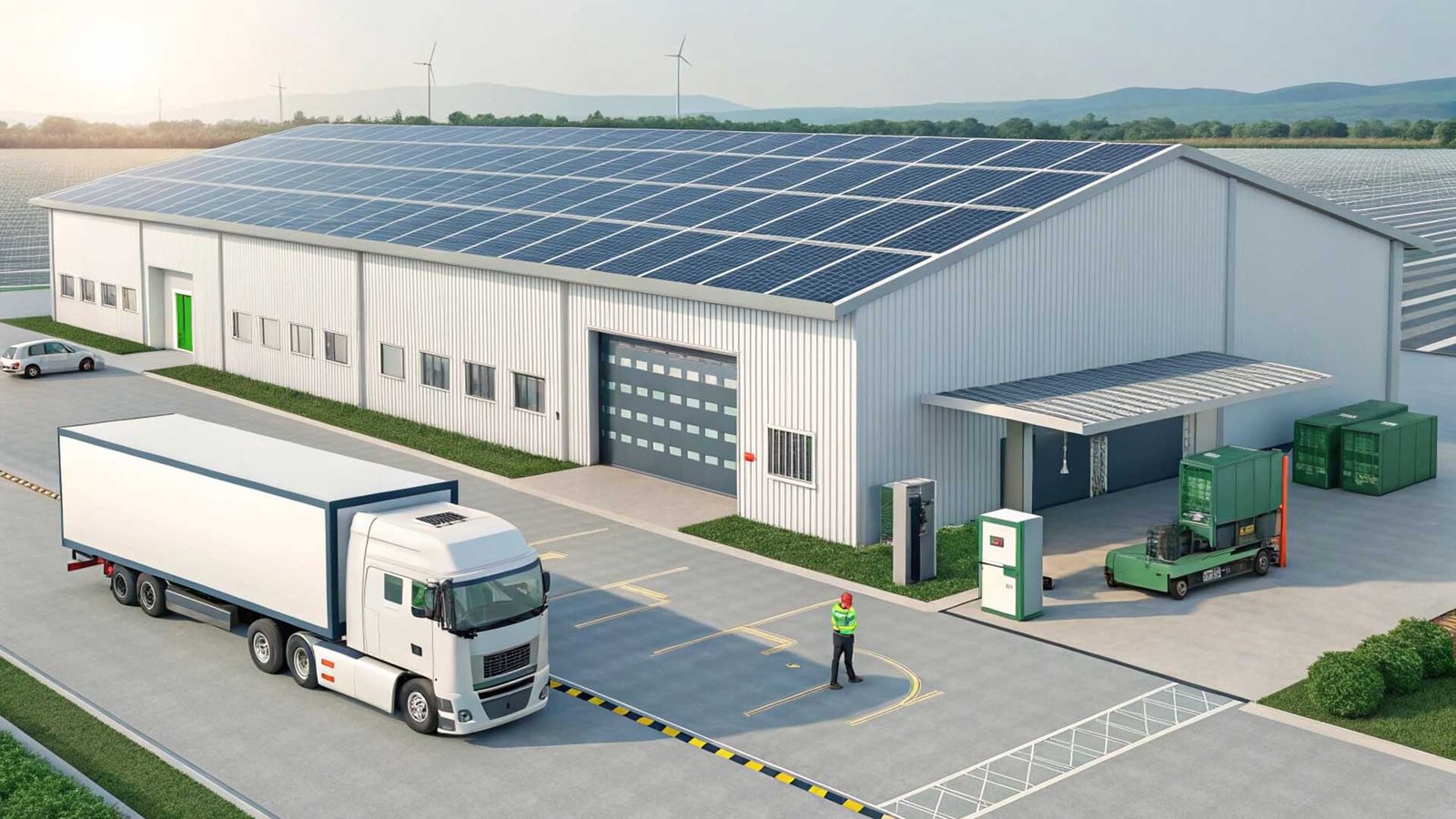
Reliability in logistics comes from controlling the handoffs between each step. Devanning is a major handoff. A professional service doesn't just provide labor; it provides management. They ensure the appointment is set, the team is ready, and the process is documented. If three boxes are damaged during the unload, they take a picture, document it, and notify you immediately. This allows you to solve the problem in hours, not weeks. This level of supervision and documentation creates a predictable, reliable outcome. It transforms devanning from a chaotic variable into a dependable part of your supply chain, which is essential for keeping promises to your end customers.
How does devanning fit into a predictable import strategy?
Do you want an import supply chain that just works? The key is to stop seeing shipping as separate steps. Let's connect devanning to a predictable, end-to-end strategy.
In a predictable import strategy like DDP, devanning isn't an isolated event. It is a critical control point that is fully integrated with customs clearance and final delivery. This single point of control eliminates handoff errors and reduces delays.
For importers like Mark who value control and predictable costs, the best strategy is one where all the pieces are managed by a single, accountable partner. Devanning is the perfect example of why this works. In a Door-to-Door (DDP) model, we don't just book the ocean freight. We also handle the customs clearance, schedule the drayage truck, and manage the devanning at the warehouse. Because we control all these steps, there are no communication gaps. We ensure the container is cleared before it's moved. We ensure the warehouse is ready before the truck arrives. This integrated approach is what turns a series of risky steps into one smooth, predictable flow. It's how you move from constantly fighting fires to managing a stable supply chain.
Conclusion
Devanning is more than just unloading. It’s a key control point. Managing it well, as part of an integrated strategy, ensures your imports are predictable, cost-effective, and damage-free.
Understanding hidden fees and delays can help you avoid unexpected costs and ensure a smoother shipping process. ↩
Learn about controlled unloading to ensure your goods are handled safely and efficiently, minimizing damage and delays. ↩
Discover why devanning is crucial for verifying shipment conditions and managing risks, enhancing your supply chain control. ↩
Verifying your shipment during devanning helps prevent losses and ensures your goods meet quality standards. ↩
Learn strategies to manage risks during devanning, protecting your investment and ensuring timely delivery. ↩
Clarify these terms to avoid miscommunications with logistics partners and ensure proper handling of your cargo. ↩
Understanding the role of a CFS can help you choose the best location for devanning, impacting costs and efficiency. ↩
Learn about bonded warehouses to ensure compliance with customs and manage costs effectively. ↩
Understanding drayage costs can help you plan your budget and choose the best devanning location. ↩
Knowing the final delivery process ensures your goods reach their destination on time and in good condition. ↩
Understanding customs clearance helps you avoid delays and ensures compliance with regulations. ↩
Learn about these exams to understand potential customs delays and how to prepare for them. ↩
Understanding devanning fees helps you budget accurately and avoid surprise charges. ↩
Avoid unexpected costs by learning about these fees and how to prevent them. ↩
Avoid costly mistakes by understanding this concept and focusing on total costs rather than just upfront fees. ↩
Discover how DDP services can provide predictable costs and streamline your shipping process. ↩