Struggling with surprise container fees that eat into your profits? These unpredictable charges can be frustrating. I'll explain the differences so you can finally control these costs.
Detention, demurrage, and per diem1 are time-based container charges2 for holding equipment past the free time. Demurrage is at the port, detention is for late returns, and per diem is a daily equipment fee. Understanding them is key to avoiding surprise costs.
I've seen countless importers get hit with these fees, often without understanding why. It's a common pain point, but it's not unavoidable. Let's break down each charge one by one. By the end of this article, you'll have a clear roadmap to protect your bottom line from these frustrating penalties. Keep reading to see how.
How do time, location, and control define these container charges?
Confused by when each container fee applies? This confusion leads to costly mistakes. Let's clarify where each charge fits into your shipment's timeline to prevent surprises.
Detention, demurrage, and per diem1 are time-based container charges2 applied when equipment is held beyond allowed free time. They differ based on whether the container is at the terminal or outside the port and which party controls it, making them a major source of unpredictable landed cost3 for importers.
Think of these charges like a rental car fee. You get a certain number of days for free, but after that, the daily charges start. Shipping lines and terminals need their equipment back to keep global trade moving. A container sitting idle at a port or in your warehouse isn't making money for the carrier. These fees are a strong incentive to keep the equipment circulating. They become expensive because they are designed to be a penalty, not just a rental fee. The costs often escalate the longer the container is held, sometimes reaching hundreds of dollars per day. For a U.S. importer, this means a simple customs delay4 or a missed trucking appointment can suddenly add thousands of dollars to a shipment's cost. Understanding the "when" and "where" for each charge is the first step.
| Charge Type | When It Starts | Where It Applies | What Triggers It | Primary Importer Control |
|---|---|---|---|---|
| Demurrage | After free time at terminal | Port / terminal | Cargo not picked up on time | Clearance speed, pickup planning |
| Detention | After container pickup | Inland / outside terminal | Late container return | Trucking, warehouse, return strategy |
| Per Diem | After container pickup | Carrier equipment | Extended container use | Contract terms, inland execution |
What's the real difference between demurrage and detention?
Are you mixing up demurrage and detention? This simple mistake can cost thousands. I'll show you the clear line between them so you can manage each one effectively.
Demurrage applies when containers remain at the port or terminal beyond free time after discharge, while detention applies after the container is picked up but not returned within the allowed period. The transition between these two charges is one of the most critical cost points for U.S. importers.

Let's get very specific. The moment your container is discharged from the vessel, a clock starts. This is your demurrage free time. The charge applies if your full container sits at the marine terminal past this allowed time. Common causes include customs holds, missing paperwork, or no available trucker to pick it up. Once your trucker picks up the container and leaves the port, the demurrage clock stops. Now, a new clock starts: the detention clock. This is the time you have to unload the container and return the empty equipment to the carrier's designated depot. If you're late, you get hit with detention fees. This is purely an inland logistics issue. Maybe your warehouse was backed up, or the trucker couldn't get an appointment to return the empty. The key is the handover. The pickup from the port is the dividing line.
U.S. Importer Responsibility Timeline5:
- Vessel ETA confirmed and arrival notice6 issued.
- Container discharged at terminal. Demurrage free time begins.
- Customs clearance completed and cargo released.
- Container picked up from terminal. Demurrage stops. Detention/Per Diem clock starts.
- Cargo delivered to warehouse or distribution center.
- Empty container scheduled and returned to designated depot.
- Container returned within free time. Detention/Per Diem stops.
What is a per diem charge7 and how does it relate to detention?
Ever seen a 'per diem' charge on your invoice and wondered what it was? This vague fee can escalate quickly. Let's define it so you're never caught off guard.
Per diem is a daily carrier equipment charge8 that may replace or combine detention fees, depending on the shipping line. It applies once the container leaves the terminal and continues until it is returned, often escalating rapidly when inland delivery or empty return9 is delayed.

"Per diem" is a Latin term that simply means "per day." In the shipping world, it's a daily fee for using the carrier's equipment—the container and sometimes the chassis it sits on. Now, this is where it gets a little confusing, as carriers use the term differently. Some carriers use detention and per diem to mean the same thing: a daily penalty for the late return of an empty container. Other carriers will have a daily per diem (rental) fee and a separate detention penalty on top of that if you are late. It is critical to read your carrier contract or the arrival notice6 carefully. I once had a client, Mark, who thought he only had a detention penalty to worry about. His warehouse had a two-day delay in unloading. He was shocked to see his invoice included not just a detention fee for the two late days but also a per diem charge7 for every day the container was out of the port. It's a carrier equipment charge8, plain and simple, and it starts the second you leave the port.
Who is actually responsible for paying detention and demurrage charges?
Is it fair that you pay for delays you didn't cause? This is a huge source of frustration. Let's talk about who is truly responsible and what you can do.
Although delays may be caused by ports, carriers, or truckers, U.S. importers are typically responsible for paying detention, demurrage, and per diem charge7s. These costs are usually passed through by carriers or brokers and directly increase total landed cost.

This is the hardest pill for many importers to swallow. You are responsible. Even if the port is congested and your trucker can't get in, you pay the demurrage. Even if the carrier's designated return depot is full and won't accept your empty container, you pay the detention. Why? Because your contract, the Bill of Lading, is with the shipping line. You, the consignee, have agreed to their terms, which include returning their equipment on time. The carrier sees any delay, regardless of fault, as a breach of that agreement. The charges are passed directly to you. Now, can you dispute them? Yes. The Federal Maritime Commission (FMC)10 has made rulings against "unreasonable" charges, especially when a carrier or terminal makes it impossible to return a container. However, fighting these charges is an uphill battle. It takes a lot of time, documentation, and effort, with no guarantee of success. My advice has always been to focus 100% of your energy on prevention. It is far more effective and less costly than trying to fight an invoice after the fact.
How much free time should you expect, and is it always the same?
Assuming you have 14 days of free time? This assumption can be a costly mistake. Let's uncover the truth about free time so you can plan with certainty.
Free time allowances vary widely by carrier, port, and contract terms. Because there is no universal standard, detention, demurrage, and per diem must be managed as variable planning risks11 rather than assumed fixed fees within an importer’s cost model.

There is no industry standard for free time. Never assume. I've seen importers get burned by this simple mistake. They assume they have 10 days of detention, but for a specific shipment at the Port of Long Beach, the carrier only offered 5. The result was a surprise bill for five days of detention fees. Demurrage free time is often very short, sometimes only 3 to 5 days. Detention free time is usually longer, maybe 7 to 10 days. But these are just generalities. The actual time you get depends on the carrier, the specific port terminal, and your service contract. High-volume shippers often negotiate for more free time. For example, they might secure "14 days free detention and demurrage," which means a combined free period. This is valuable because a delay in one area (like customs clearance) can be offset by moving faster in another (like unloading). For most importers, the key is to be diligent. You must check the arrival notice6 from the shipping line for every single shipment. That document will state the exact free days for demurrage and detention and the location for the empty return9. Treat it as a unique risk for each import.
What is the best strategy to avoid demurrage and detention charges?
Tired of constantly fighting these surprise container fees? Reacting to problems is stressful and expensive. I'll share the one proactive strategy that truly works to prevent them.
The most effective way to prevent detention, demurrage, and per diem is end-to-end shipment coordination12. Aligning customs clearance, port pickup, inland delivery, and empty container return reduces handoff delays that commonly trigger time-based penalties.
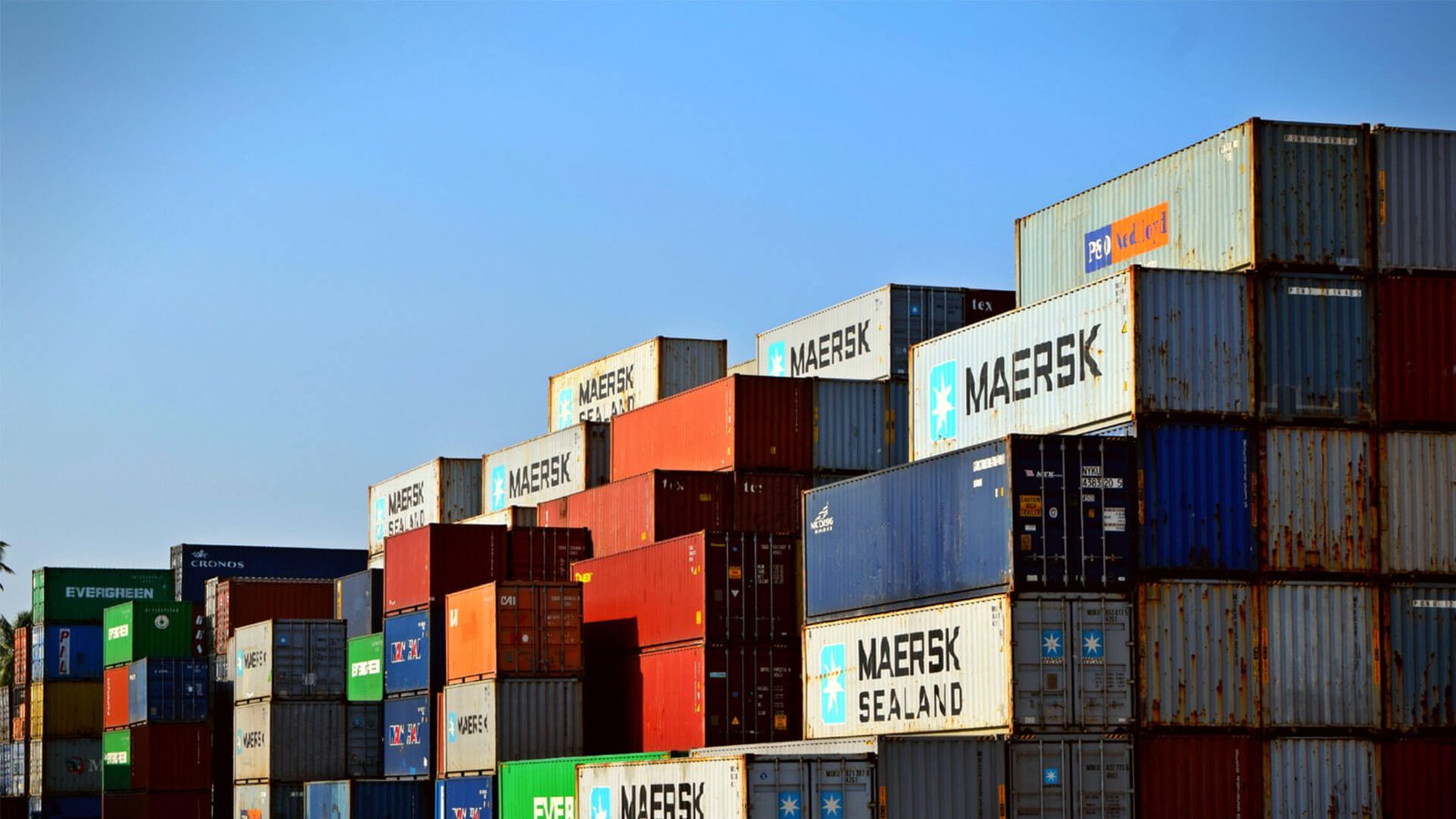
The root cause of most of these fees is a breakdown in communication between different parties. The customs broker isn't talking to the trucking company, and the trucking company doesn't have a firm appointment with the warehouse. Each handoff is a point of failure. The only way to consistently avoid these charges is with proactive, end-to-end coordination. This means managing the shipment as one continuous process, not a series of separate tasks. Here is the checklist I use with my clients:
- Pre-Clear Customs13: We file the customs entry documents before the ship even arrives. This ensures the cargo is released the moment it's available, which is the best way to avoid demurrage.
- Pre-Schedule Trucking: As soon as the arrival notice6 is out, we book the drayage truck14. This locks in capacity and prevents last-minute scrambles.
- Coordinate with the Warehouse: We confirm the delivery appointment with the final destination before picking up the container.
- Plan the Empty Return: We know the exact return depot and schedule the empty return9 immediately after the container is unloaded.
When one partner manages all these steps, the gaps that cause delays disappear. Demurrage is a port-side risk; detention and per diem are inland risks. All are manageable with proper planning.
Conclusion
Demurrage, detention, and per diem are costly but avoidable. By understanding the differences and coordinating your logistics from end to end, you can protect your profits from these surprise fees.
Learn about these common shipping charges to avoid unexpected costs and improve your logistics planning. ↩
Time-based charges can significantly impact your shipping costs. Understanding them helps in better financial planning. ↩
Understanding how these charges impact landed cost can help you manage your shipping budget more effectively. ↩
Learn how customs delays can increase your shipping costs and how to mitigate these risks. ↩
Understanding this timeline can help importers manage their responsibilities and avoid unexpected fees. ↩
Knowing about arrival notices can help you plan your logistics and avoid unnecessary charges. ↩
Understanding per diem charges can help you manage your shipping costs and avoid unexpected fees. ↩
Learn about carrier equipment charges to better manage your shipping expenses and avoid surprises. ↩
Learn about empty returns to better manage your shipping timeline and avoid detention fees. ↩
Learn how the FMC can help you dispute unreasonable shipping charges and protect your interests. ↩
Understanding these risks can help you better plan and manage your shipping budget. ↩
Learn how coordinating your shipment from start to finish can help you avoid costly delays and fees. ↩
Pre-clearing customs can help you avoid delays and additional charges in your shipping process. ↩
Understanding the role of drayage trucks can help you manage your logistics more efficiently. ↩