Struggling to understand shipping protection1? You're not alone. Relying on the wrong terms can lead to huge financial losses when something goes wrong with your shipment.
Declared value is not insurance2. It is a way for you to increase the carrier's maximum financial liability3 if your cargo is lost or damaged due to their proven negligence4. It simply raises the low, standard payout limit, but it does not guarantee payment.
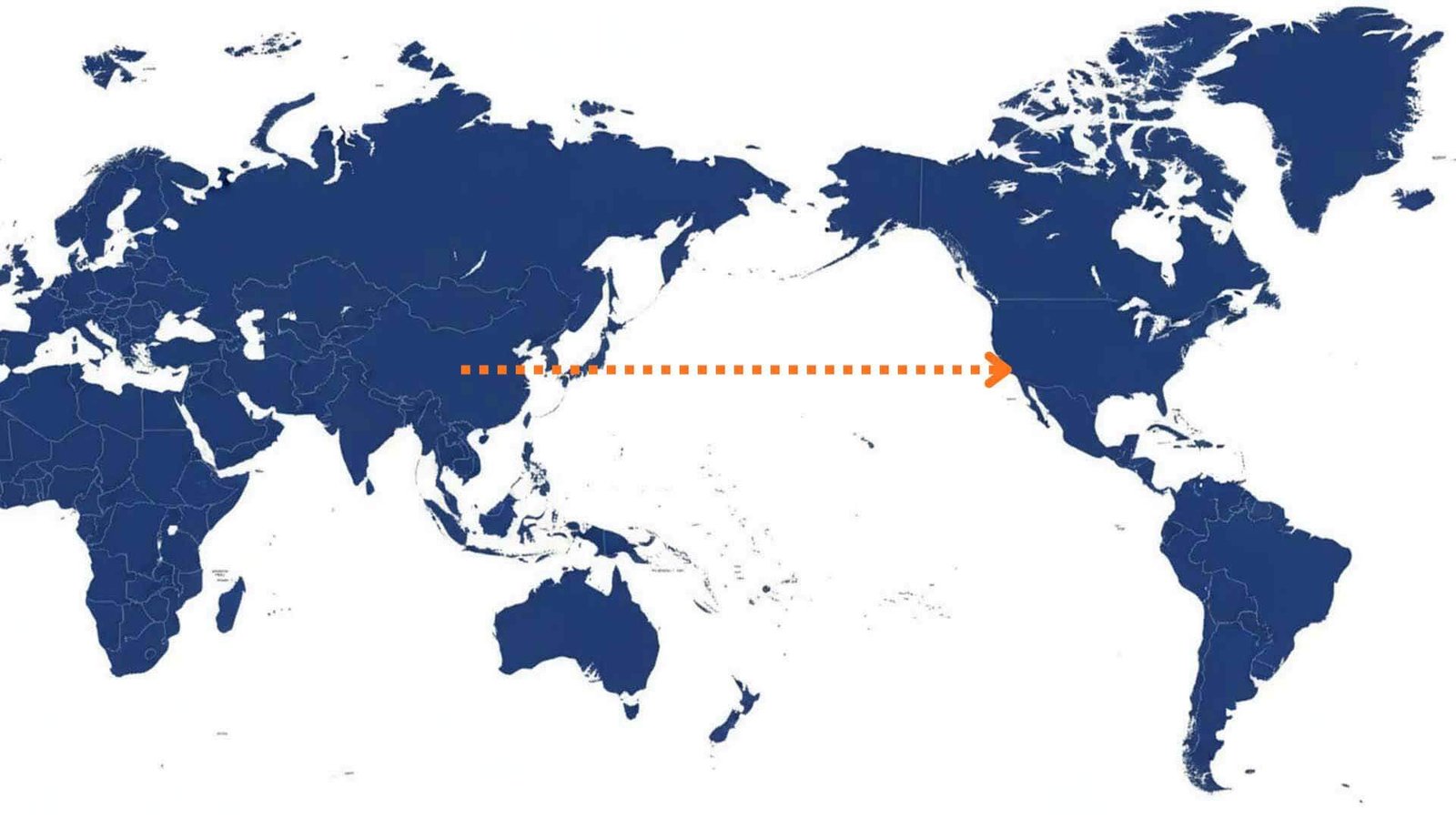
I've been in this business for years, helping importers move goods from China to the United States. One of the most common and costly mistakes I see revolves around a simple misunderstanding of declared value. Importers often believe it's a safety net, but when a claim arises, they discover it's full of holes. Let's break down what you actually need to know to protect your investment and avoid these painful surprises.
Does declared value limit carrier liability but is not cargo insurance?
You think declaring the full value of your goods means you're insured. But when a shipment is lost, the carrier's tiny payout offer leaves you shocked and facing a massive loss.
Declared value simply raises the carrier's maximum payout limit if they are proven to be at fault. It is not an insurance policy, which covers a wider range of risks and does not always require proving carrier negligence to receive compensation.
Let’s get one thing straight from the start. When you declare a value for carriage, you are not buying an insurance policy. You are entering into a special agreement with the freight carrier.
What Importers Assume vs. What Actually Happens
Most importers I talk to assume that if they declare a value of $50,000 for their shipment, the carrier will cut them a check for $50,000 if it gets lost. That is not how it works.
What actually happens is you are just increasing the carrier's maximum potential liability. Standard carrier liability is often shockingly low. For ocean freight from China to the US, the Carriage of Goods by Sea Act (COGSA)5 can limit a carrier’s liability to just $500 per package or customary freight unit. If your entire pallet of custom cardboard displays is considered one "package," you could be looking at a maximum payout of $500, regardless of its true worth. By declaring a higher value and paying a fee, you are raising that $500 cap. But you still have to go through the difficult process of proving the carrier was negligent, which is a high bar to clear.
Does a higher declared value increase costs without guaranteeing full compensation?
You pay the extra fee for a high declared value, feeling your shipment is secure. Then, your claim is denied or paid at a fraction of the value, meaning you've just wasted money.
Yes, paying for a higher declared value increases your freight costs. This fee does not guarantee a full payout. You still must prove the carrier was negligent, and the claim can be denied for many reasons, leaving you with the loss and the extra cost.

The fee for an increased declared value can feel like a small price to pay for peace of mind. But it's often a false sense of security that costs you money with no real benefit.
A Real-World Scenario: Consumer Electronics
I worked with a client importing a container of high-end consumer electronics from Shenzhen to Los Angeles. The commercial value was $150,000. They paid the carrier an extra fee to declare the full value. During the voyage, some containers on the vessel were damaged in a storm, and their container suffered significant water damage, ruining about half the product.
They filed a claim for $75,000. The carrier's response? They denied the claim, citing an "Act of God6" (the storm) as the cause, a standard exclusion in their terms of service. The declared value was irrelevant because the carrier was not legally liable for the damage. The importer lost the $75,000 in product and the extra fee they paid for the useless declared value. Had they purchased all-risk cargo insurance7, they likely would have been compensated.
Are declared value, customs value, and invoice value not the same thing?
You use one value for everything: shipping, customs, and insurance. This mistake leads to customs delays, incorrect duty payments, and problems with your claims. The solution is to understand each value's specific purpose.
These are three distinct figures used for different purposes. Declared value sets carrier liability. Customs value8 is for calculating import duties and taxes. The commercial invoice value is the transaction price you paid for the goods. Confusing them can cause serious problems.

Using these terms interchangeably is a recipe for disaster. Each number has a specific job in the shipping process, and getting them wrong has financial and legal consequences. Let's break them down clearly.
The Three Core Values in Shipping
- Declared Value for Carriage: This is the value you state to your freight carrier. Its only purpose is to establish the carrier's maximum liability limit if they are proven responsible for loss or damage.
- Customs Value: This is the value you declare to U.S. Customs and Border Protection (CBP). It is used to calculate the duties and taxes you owe. This value is typically the price you paid for the goods, plus certain other costs like international freight and insurance (depending on the Incoterms9). Getting this wrong can lead to fines and audits.
- Commercial Invoice Value10: This is the price of the goods as agreed between you (the buyer) and your supplier in China (the seller). It's the foundation for the customs value but may not be the final figure.
Quick Q&A for Featured Snippets
What is declared value in shipping? Declared value is the amount a shipper states their cargo is worth to increase a carrier's limit of liability beyond the standard low amount. It is not insurance.
Is declared value the same as cargo insurance? No. Declared value only increases the carrier's maximum payout if they are at fault. Cargo insurance is a separate policy that covers your loss from many risks, regardless of carrier liability.
What is the difference between declared value and customs value? Declared value is for the carrier to determine liability, while customs value is for the government to calculate import duties and taxes.
Does declared value affect customs duties? No, it shouldn't. Customs duties are calculated based on the customs value, which is derived from your commercial invoice and other costs, not the liability value you declare to the carrier.
When should importers use cargo insurance instead of declared value? Importers should almost always use cargo insurance for international shipments, as it offers far broader protection against financial loss than relying on carrier liability and declared value.
Do most cargo claims pay less than importers expect due to liability rules11?
Your cargo is damaged, and you have a declared value, so you expect to be made whole. The carrier's final payout offer is shockingly low, not even close to covering your cost.
Yes, international and domestic transport laws cap carrier liability at low, fixed amounts per package or kilogram. While declared value can raise this cap, the final payout is often far below your actual financial loss due to legal loopholes and liability limits.

The moment of truth for any importer is when they have to file a claim. This is where the harsh reality of carrier liability hits home. The complex web of international maritime laws12 is not written in your favor; it's designed to limit the carrier's financial exposure.
A Real-World Scenario: Industrial Machinery
A client was importing a single, large piece of custom machinery from China, crated and worth $95,000. It was critical for their production line. During offloading at the U.S. port, the crate was dropped, severely damaging the machine beyond repair. The importer had declared a value of $95,000.
However, the bill of lading defined the single crate as one "package." Under COGSA's $500 per package limit, the carrier's initial liability was just $500. Because the importer had declared a higher value, they were able to negotiate. But the process took months. The carrier argued about the extent of their negligence and the salvage value of the broken machine. After a long fight, the final settlement was for $40,000—less than half the replacement cost and months after the incident, causing huge production delays. This financial gap is where businesses fail.
Does true cargo protection require insurance, not just declared value?
You rely on the carrier's declared value for protection. A total loss event happens, and you discover you're barely covered, a situation that could easily threaten your business's survival.
Yes, true financial protection13 requires a separate cargo insurance policy14. Insurance is designed to cover your financial interest against a wide range of risks, paying out for covered perils even when the carrier is not at fault. Declared value cannot do this.
At the end of the day, you have to decide what you are trying to protect. Are you trying to slightly increase the small amount a carrier might pay you after a long legal fight? Or are you trying to protect your company’s cash flow and investment in your inventory? If it's the latter, then the choice is clear.
Declared Value vs. Cargo Insurance vs. Risk Exposure
| Feature | Declared Value | All-Risk Cargo Insurance | Doing Nothing (Standard Liability) |
|---|---|---|---|
| Cost Impact | Extra fee paid to carrier | Premium paid to insurer | Included in base freight rate |
| Coverage Basis | Carrier's proven negligence4 only | Covers named perils (e.g., All-Risk) | Carrier's proven negligence4 only |
| Claim Payout | Up to the declared value, but often less | Insured value (Invoice + Freight + 10%) | Capped by law (e.g., $500/pkg) |
| Common Exclusions | Acts of God, riots, shipper fault, etc. | Improper packing, inherent vice, delay | Nearly everything except negligence |
| Best Use Case | Low-value, durable goods where risk is minimal | Virtually all international shipments | Not recommended for commercial cargo |
For DDP (Delivered Duty Paid) shipments15 from China, many U.S. importers assume the seller has handled all the risk. However, the seller's insurance might be minimal or end as soon as the goods are delivered. If damage is discovered after you sign for it, you may have no recourse. Having your own insurance policy ensures you are protected from door to door, regardless of the Incoterms9.
Conclusion
Declared value manages liability expectations16 with your carrier. But cargo insurance is what manages real financial risk17 for your business, protecting your investment from the many dangers of international shipping.
Understanding shipping protection is crucial to avoid financial losses when shipments go wrong. ↩
Learn why declared value doesn't guarantee payment and how it differs from insurance. ↩
Explore how carriers determine their financial liability and what it means for your shipments. ↩
Understanding proven negligence is key to successfully claiming compensation for lost or damaged goods. ↩
COGSA plays a significant role in limiting carrier liability, affecting compensation for lost shipments. ↩
Learn how natural events classified as Acts of God can impact shipping claims and liability. ↩
Discover how all-risk cargo insurance offers broader protection compared to declared value. ↩
Understanding customs value is essential for accurate duty payments and avoiding delays. ↩
Incoterms define the responsibilities of buyers and sellers, impacting shipping and insurance. ↩
Learn how the commercial invoice value affects customs and shipping processes. ↩
Liability rules can significantly reduce the payout for damaged cargo, impacting financial recovery. ↩
Explore how international maritime laws govern shipping and affect carrier liability. ↩
Cargo insurance ensures financial protection against a wide range of shipping risks. ↩
A cargo insurance policy provides comprehensive protection against various shipping risks. ↩
Learn about the responsibilities and risks associated with DDP shipments from China. ↩
Setting clear liability expectations helps manage risks and responsibilities in shipping. ↩
Identifying financial risks helps businesses protect their investments in global trade. ↩