Shipping terms can be confusing. Many U.S. importers struggle to understand DDP1, CIF2, and FOB3. Knowing these terms is crucial for successful shipping.
DDP1 (Delivered Duty Paid), CIF2 (Cost, Insurance, and Freight), and FOB3 (Free on Board) are key Incoterms4 that define who is responsible for shipping costs5, customs duties6, and risks at various stages of the shipping process. Understanding these differences is essential for U.S. importers to choose the right Incoterm.

Choosing the right Incoterm impacts cost, risk, and responsibility. Importers can make mistakes if they don't fully understand what each term means. This guide will shed light on DDP1, CIF2, and FOB3 so you can make informed decisions.
Understanding the Key Differences Between DDP1, CIF2, and FOB3 for U.S. Importers?
Shipping terms can dictate the success of your import business. Understanding DDP1, CIF2, and FOB3 is essential for reducing costs and risks.
DDP1, CIF2, and FOB3 are distinct terms that affect shipping responsibilities7. DDP1 places all the burden on the seller, while CIF2 balances costs with buyer responsibilities, and FOB3 shifts risk to the buyer once goods are aboard the vessel.

| Term | Responsibility | Customs Duties | Risk |
|---|---|---|---|
| DDP1 | Seller | Seller pays | Seller |
| CIF2 | Seller for freight, Buyer for customs | Buyer pays | Buyer |
| FOB3 | Buyer | Buyer pays | Buyer |
DDP1 means the seller takes care of everything, including customs. This can seem convenient but may lead to issues if the seller doesn't know U.S. regulations. CIF2 offers a middle ground where sellers manage shipping, but buyers must handle customs clearance. FOB3 allows buyers lower costs but increases their responsibilities.
Why DDP1 Might Not Be the Best Option for U.S. Importers?
Importers often think DDP1 is the easiest route. It sounds great because the seller handles everything. But is it always the best choice?
While DDP1 simplifies the process for U.S. importers, it places the entire responsibility on the seller, including customs clearance and payment of duties. This can lead to higher costs and potential delays if the seller is unfamiliar with U.S. customs regulations.
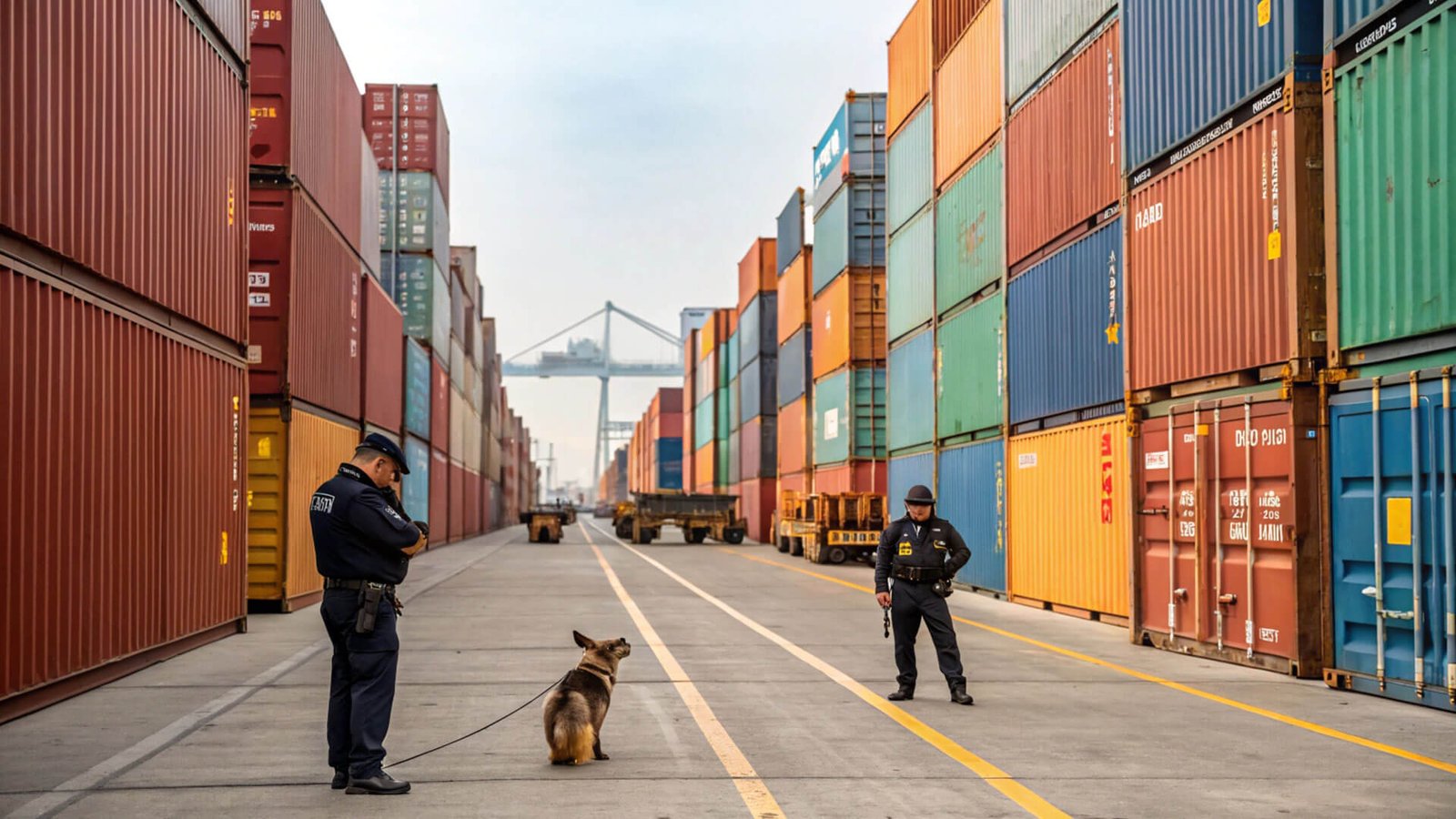
Relying on the seller to manage customs can result in complications. If they are not up-to-date on U.S. regulations, delays can occur. Plus, costs can rise unexpectedly if the seller miscalculates duties. Working with a customs broker8 could help avoid these issues. They can ensure compliance and save you from costly delays.
How CIF2 Can Offer Flexibility for U.S. Importers, But With Trade-Offs
Many importers find CIF2 appealing. It seems like a flexible option, but what should you consider before choosing it?
CIF2 allows U.S. importers to benefit from the seller’s insurance and freight services, but it still places some responsibility on the buyer for customs clearance. Importers must balance the cost-saving benefits with the responsibility of managing customs themselves.

CIF2 provides a way to lower upfront costs. The seller takes care of freight and insurance, which can be a big relief. But as a buyer, you must manage customs. This can be a headache if you don't have experience. A customs broker8 can help navigate this. They can handle the complexities of customs clearance, allowing you to focus on your business.
The Pros and Cons of Using FOB3 for U.S. Importers
FOB3 may not be as commonly discussed as DDP1 or CIF2, but it has advantages worth considering. What are the pros and cons of using FOB3?
FOB3 places the responsibility on the buyer once the goods are on board the vessel. While this can reduce the cost to the seller, it means the buyer must manage shipping, insurance, and customs duties6 once the goods are in transit.
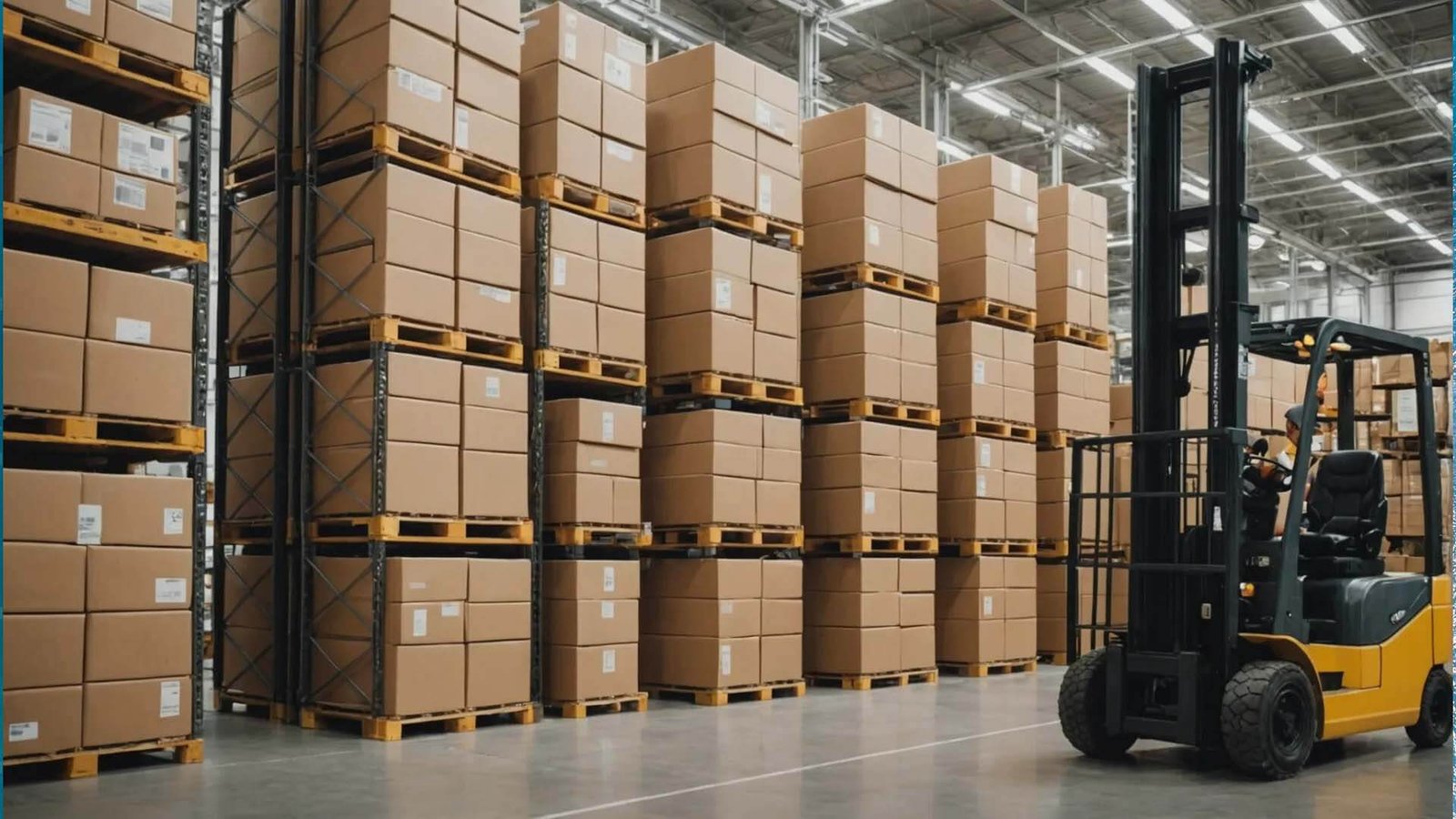
With FOB3, the buyer takes control. This can lower initial costs since sellers have less responsibility. However, this means you must handle the logistics9. Managing shipping, insurance, and customs duties6 can be overwhelming, especially if you're new to importing. Using freight forwarders10 and customs broker8s can ease this burden, guiding you through the necessary steps and ensuring compliance.
How to Choose the Right Incoterm for Your U.S. Import Business Needs
Selecting the right Incoterm can make a significant difference in your operations. What should you think about when making this decision?
Choosing the right Incoterm depends on factors such as the level of control you want over the shipping process, your budget, and your experience with customs. For U.S. importers, DDP1, CIF2, and FOB3 all have distinct advantages and disadvantages, which should be carefully evaluated based on each shipment’s needs.
When choosing an Incoterm, consider your control over the shipping process. Do you want to manage customs, or would you prefer to let the seller handle it? Think about your budget too. Lower costs aren’t the only consideration; the reliability of your shipping partner matters, too. A customs broker8 can help navigate these choices by assessing your specific needs and guiding you toward the most beneficial option.
Conclusion
Understanding DDP1, CIF2, and FOB3 is crucial for U.S. importers. Each term has its pros and cons, affecting shipping costs5 and responsibilities. Working with customs broker8s and freight forwarders10 simplifies these decisions and ensures compliance with U.S. regulations. Choose wisely and streamline your shipping process for success.
Explore this link to understand how DDP impacts shipping responsibilities and costs for U.S. importers. ↩
Learn about CIF's benefits and trade-offs for importers, helping you make informed shipping decisions. ↩
Discover the implications of FOB for buyers and how it can affect your shipping strategy. ↩
Gain a comprehensive understanding of Incoterms and their significance in international trade. ↩
Explore the various factors that affect shipping costs to better manage your import expenses. ↩
Understanding customs duties is essential for budgeting and compliance in international shipping. ↩
This resource will clarify the roles of buyers and sellers in shipping, ensuring you know your obligations. ↩
Learn how customs brokers can assist in navigating regulations and avoiding costly delays. ↩
Understanding logistics is crucial for successful importing; this link provides valuable insights. ↩
Find out how freight forwarders can simplify your shipping process and enhance efficiency. ↩