Are your shipping invoices higher than quoted? Dangerous goods surcharges can inflate your costs unexpectedly. Understanding these fees is the first step to controlling your budget and avoiding delays.
A Dangerous Goods (DG) Surcharge is an additional fee carriers charge to transport hazardous materials. It covers the extra costs for special handling, safety compliance, and documentation required by law, ensuring your cargo is moved safely from origin to destination without endangering the crew or vessel.
I've worked with hundreds of U.S. importers, and many, like my client Mark, are focused on landed cost. They see a "DG Surcharge" and immediately think it's a junk fee. But this charge is a fundamental part of shipping regulated products. It's not a penalty; it's the price of safety and compliance. Once you understand what triggers it and how it's calculated, you can move from being surprised by the cost to strategically managing it. This article will break it all down for you.
What Is a Dangerous Goods (DG) Surcharge in International Shipping?
Confused by a "DG Surcharge" on your freight bill? This fee can seem random and expensive, hurting your bottom line. Let's clarify what it is and why carriers must charge it.
A Dangerous Goods (DG) Surcharge is an extra fee from carriers for shipping hazardous items. It covers the costs of special handling, documentation, and risk management required by international maritime law (IMDG Code) to ensure safety for the crew, vessel, and other cargo on board.
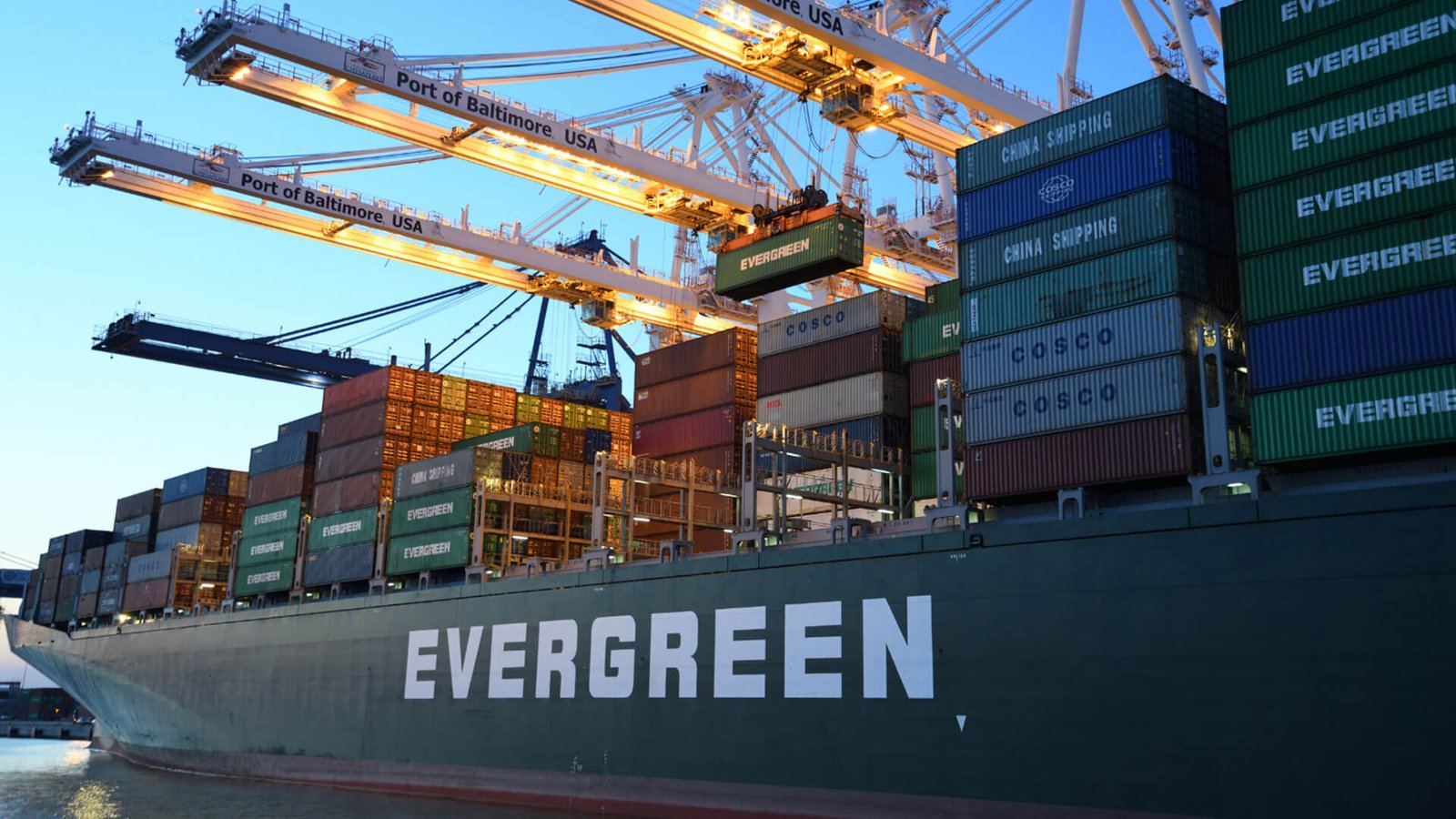
When a carrier accepts a container with dangerous goods, they take on significant responsibility. This isn't just about loading a box onto a ship. My team and the carrier must perform several extra steps. We have to verify your Material Safety Data Sheet (SDS), confirm the UN number is correct, and create a specific Dangerous Goods Declaration. At the terminal, your container can't just be placed anywhere. It has to be segregated from other incompatible goods. For example, flammables can't be stored next to oxidizers. On the vessel, the captain needs a detailed stowage plan to keep the ship balanced and safe. All this extra labor, paperwork, and specialized planning costs money. The DG surcharge is simply the carrier passing that operational cost on to the shipper. It's a non-negotiable cost of doing business compliantly.
What Types of Cargo Trigger a Dangerous Goods Surcharge?
Think your products are harmless? You might be wrong. Many common consumer goods are classified as dangerous for shipping, leading to unexpected fees. Let's identify what cargo types trigger these charges.
Common items triggering a DG surcharge include products with lithium batteries (UN3480), aerosols (UN1950), flammable liquids like paints or perfumes, and certain chemicals. Even seemingly safe items like environmentally hazardous substances (UN3077, UN3082) require special handling and will incur this fee.
The list of items classified as "dangerous" for sea freight is much longer than most importers realize. It's not just industrial chemicals. Many everyday consumer products fall under the International Maritime Dangerous Goods (IMDG) Code.
Electronics and Batteries
This is the big one I see every day. Any product with a lithium-ion or lithium-metal battery is considered DG. This includes everything from laptops and power banks to electric scooters. The specific UN number (like UN3480 or UN3481) is critical.
Chemicals, Paints, and Liquids
This category includes flammable paints, adhesives, inks, and perfumes. It also covers corrosive cleaning solutions and even some food flavorings that are alcohol-based. Their risk is leakage and fire.
Other Regulated Consumer Goods
Aerosol cans (UN1950) are a classic example because they can explode under heat or pressure. Other items include fire extinguishers, airbags, and anything classified as an "environmentally hazardous substance" (UN3077 or UN3082), which could harm marine life if leaked.
A client once shipped "cosmetic kits" and failed to declare the nail polish (flammable) and aerosol hairspray (gas under pressure). The container was flagged for inspection, and they faced mis-declaration penalties and delays that cost far more than the original surcharge would have.
How Are Dangerous Goods Surcharges Calculated?
Is your DG surcharge a single, mysterious number on your invoice? This lack of transparency makes it hard to budget for your landed cost. Let's break down exactly how these charges are built.
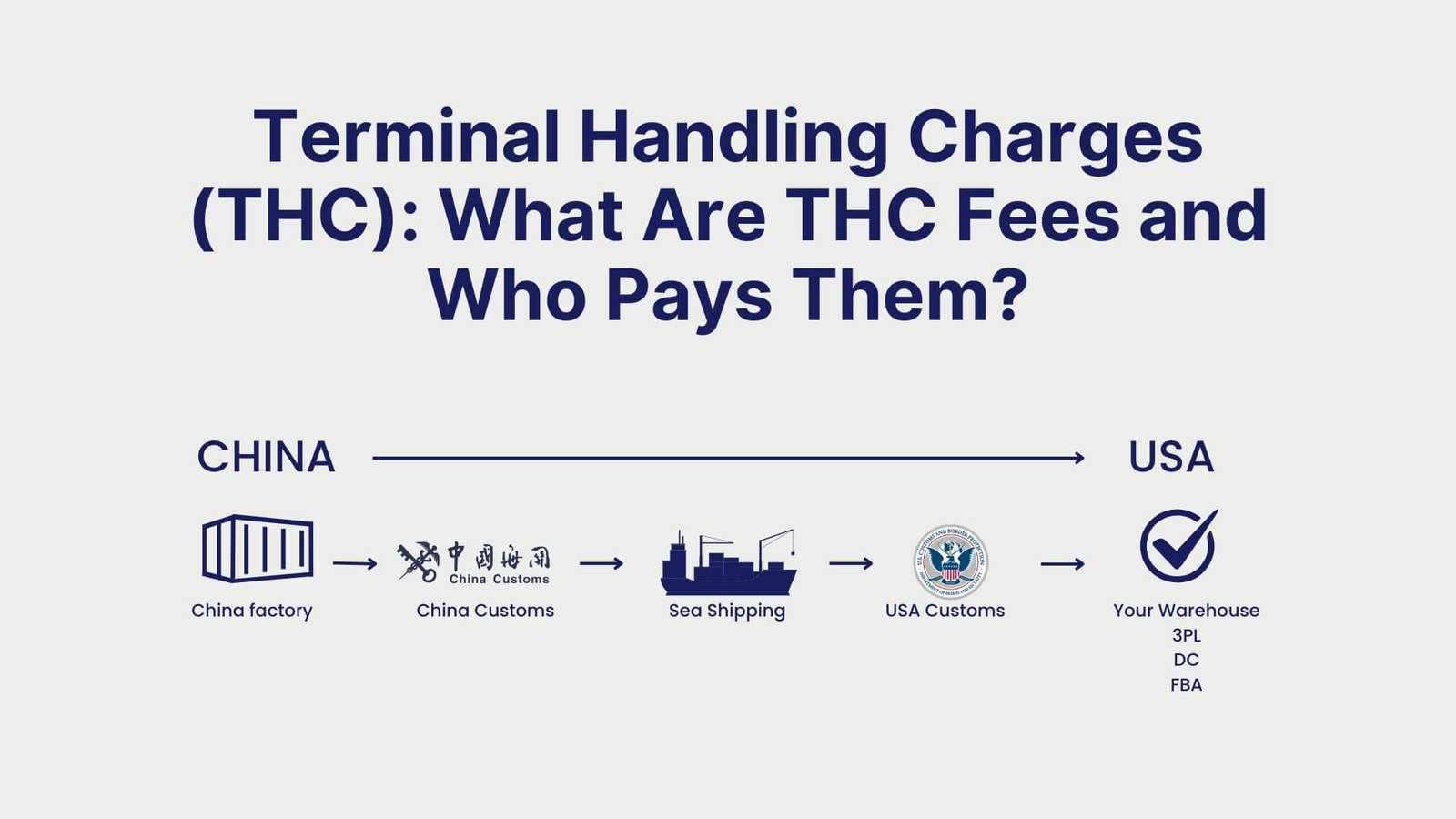
The total DG surcharge is not one fee but a combination of charges from different parties. It includes a documentation fee, a handling surcharge at the origin port, the ocean carrier's per-container DG fee, and often handling fees at the U.S. destination terminal.
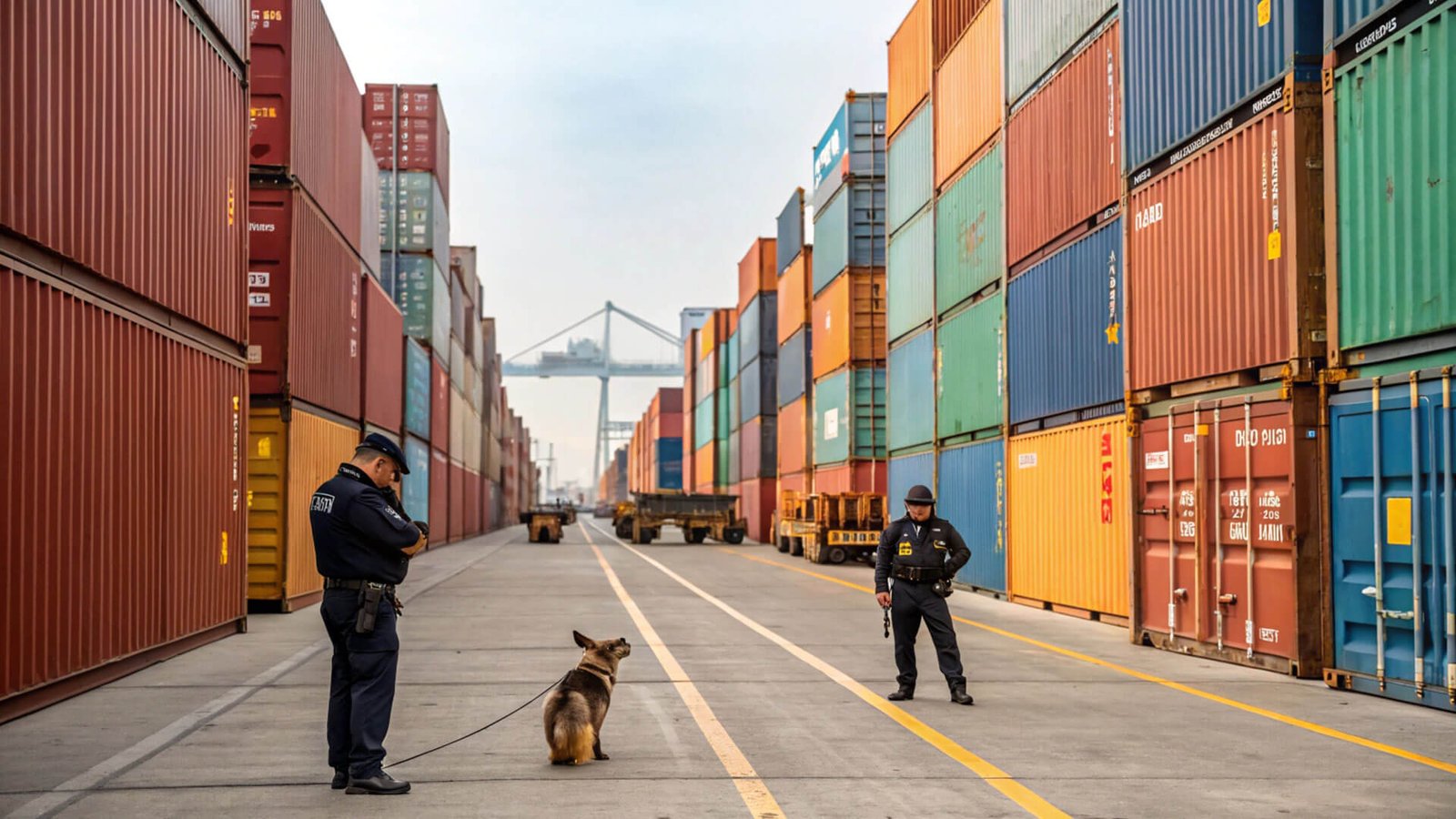
When you ship an FCL container with dangerous goods from China to the USA, several costs are added on top of your base ocean freight. As your freight forwarder, I believe in transparency, so I show my clients exactly what they're paying for. Here is a typical breakdown:
| Surcharge Component | Description | Typical Cost (Example) |
|---|---|---|
| DG Documentation Fee | Fee for preparing/verifying the DG Declaration (DGD) and submitting it to the carrier. | $50 - $150 |
| Origin DG Handling | Fee charged by the Chinese port terminal for special segregation and handling of the DG container. | $100 - $250 |
| Ocean Carrier DG Surcharge | The main fee from the shipping line. Varies by DG class, but usually a flat fee per container. | $500 - $1500+ |
| Destination DG Handling | Fee charged by the U.S. terminal for safely unloading and staging the DG container. | $100 - $300 |
So, for a standard 40-foot container, you can see how these fees quickly add up. A base freight rate of $2,500 can easily become $3,500 or more. This is why getting your product's classification right before you request a quote is essential for accurate budgeting.
Who Pays the Dangerous Goods Surcharge in FCL and DDP Shipments?
Using DDP shipping to avoid surprise costs? The DG surcharge doesn't disappear, the responsibility just shifts. This can hide the true cost and create new risks for your business.
The party responsible for arranging the main ocean freight pays the DG surcharge. Under FOB terms, the U.S. importer pays it. Under DDP terms, the Chinese seller pays it, but this cost is always built into the final DDP price you pay for the goods.

Understanding who pays is critical for cost control and risk management, especially for detail-oriented importers like Mark. Let's compare the two most common shipping incoterms.
| Shipping Term | Who Arranges Ocean Freight? | Who Pays the DG Surcharge (Initially)? | Who Ultimately Bears the Cost? | Importer's Cost Transparency |
|---|---|---|---|---|
| FOB | U.S. Importer | U.S. Importer | U.S. Importer | High |
| DDP | Chinese Seller | Chinese Seller | U.S. Importer (in total price) | Low |
With FOB (Free On Board), you, the importer, take control once the goods are on the vessel. You hire your own freight forwarder (like me) and customs broker. You see an itemized invoice that clearly shows the DG surcharge. This gives you full transparency and control.
With DDP (Delivered Duty Paid), the seller handles everything. They pay the surcharge, but they just roll it into your total price. The danger here is that you have no idea if they declared the cargo correctly or if they are overcharging you for the service. I've seen sellers mis-declare DG cargo to save money on DDP shipments, putting the importer at huge risk of fines and delays in the U.S. For DG cargo, transparency is your best friend.
How Can U.S. Importers Reduce or Avoid Dangerous Goods Surcharges Legally?
Tired of paying high DG surcharges on every shipment? These fees add up, eating into your profits and making you less competitive. You can legally control these costs with the right preparation.
To legally reduce DG surcharges, you must ensure 100% accuracy before booking. This involves verifying the correct UN number and IMDG class, providing an up-to-date Safety Data Sheet (SDS), using proper UN-spec packaging and labeling, and checking for any quantity-based exemptions.
Trying to "hide" dangerous goods is the worst strategy. Mis-declaration fines, re-classification fees, and carrier blacklisting will always cost more than the original surcharge. The real way to control costs is through precision and compliance. Here is the checklist I use with my clients:
| Action Item | Why It's Important for Cost Control |
|---|---|
| 1. Correct UN Number ID | This is the foundation. The wrong UN number leads to incorrect pricing, carrier rejection, and re-declaration fees. |
| 2. Verify IMDG Class & Packing Group | A product in Packing Group III (low danger) may have a lower surcharge than one in Packing Group I (high danger). Correct classification is key. |
| 3. Get an Accurate, Current SDS | The Safety Data Sheet is the source of truth. Carriers will reject shipments if the SDS is old, incomplete, or doesn't match the product. |
| 4. Use Proper Packaging & Labeling | Using UN-certified packaging and correct DG labels is mandatory. If not done right, the container will be rejected at the port, leading to storage and rework costs. |
| 5. Check for Quantity Exemptions | For some products, "Limited Quantity" (LQ) provisions may apply. This can sometimes avoid the full DG surcharge, but it requires expert knowledge to confirm. |
| 6. Pre-Book Carrier Acceptance | Not all shipping lines accept all DG classes on all routes. We check with carriers before booking to prevent last-minute rejections and find the most cost-effective option. |
By working with an experienced partner who can manage this checklist for you, you ensure your DG cargo is handled correctly from the start. This proactive approach is the only reliable way to manage costs.
Conclusion
Dangerous goods surcharges are a cost of compliance, not a penalty. Early classification, correct documentation, and professional handling are the only reliable ways to control your DG-related shipping costs and risk.