If you import products from China to the United States, you’ve probably run into at least one of these headaches:
- Long storage times at the port
- Expensive warehousing fees
- Containers stuck waiting for sortation
- Slow distribution to your customers or 3PLs
- Damaged goods from excessive handling
- Missed FBA or retailer delivery appointments
- Wasted time repalletizing, labeling, or reorganizing freight
Here’s the good news:
Cross-docking solves many of these problems in one shot.
Cross-docking warehouses are becoming a must-have part of modern supply chains — especially for U.S. importers who need speed, efficiency, and lower operating costs.
In this guide, I’ll break down what cross-docking really is, how it works, and why it’s a game-changer for importers shipping from China.
Let’s dive in.
What Is Cross-Docking? (Simple Explanation for Importers)
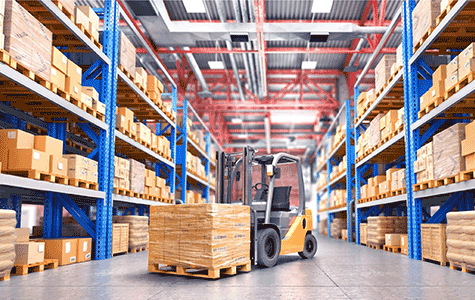
Cross-docking is a warehousing process where incoming cargo is unloaded and immediately transferred to outbound trucks — without long-term storage.
Think of it as:
👉 Unload → Sort → Reload → Deliver
No storage.
No long-term warehousing.
No unnecessary handling.
This saves:
- Time
- Labor
- Storage fees
- Damage risk
It’s perfect for freight that needs fast movement across the supply chain.
How Cross-Docking Works (Step-by-Step)
Let’s break it down:
1. Cargo Arrives at the Cross-Dock Facility
This could be:
- A full container (FCL)
- A consolidated LCL shipment
- Mixed factory loads from China
2. Warehouse Team Unloads and Sorts
They separate cargo by:
- SKU
- Destination
- Order
- Customer
- Retailer / FBA requirements
3. Products Are Immediately Re-Palletized or Re-Labeled
Common services include:
- Amazon FBA labeling
- Carton scanning
- Pallet building
- Case picking
- Quality check
- Repacking
4. Freight Moves Straight to Outbound Trucks
Your cargo goes directly to:
- Final mile delivery
- Regional distribution centers
- Amazon FBA / Walmart FCs
- Retailer hubs
- 3PL providers
5. Same-Day or Next-Day Outbound
Most cross-docking operations move freight within 2–24 hours.
No storage.
No long wait.
No “where is my cargo” stress.
Why Cross-Docking Matters for U.S. Importers (The Real Pain Points Solved)
Let’s talk about what importers actually care about.
1. Faster Delivery = Faster Cash Flow
Every day your goods sit in a warehouse, you’re losing money.
Cross-docking gets your freight into the U.S. faster, into customers’ hands faster, and onto sales channels faster.
This is especially critical for:
- Seasonal products
- Trend products
- Amazon sellers
- Retail programs with strict timelines
2. Lower Warehousing Costs
Traditional warehouses charge:
- Storage fees
- In/Out fees
- Pallet fees
- Long-term charges
Cross-docking removes most of that.
You pay only for the handling — not for days or weeks of storage.
3. Avoid Port Congestion & Storage Fees
U.S. ports are strict. If cargo is not moved quickly, you pay:
- Demurrage
- Detention
- Pier fees
Cross-docking allows your truckers to:
- Pick up the container quickly
- Unload it
- Return the empty container fast (avoiding per-day fines)
This is huge during peak season.
4. Cleaner & More Efficient Inventory Flow
Instead of holding weeks of inventory, cross-docking lets you move stock exactly when needed.
Your supply chain becomes:
- Lean
- Predictable
- Just-in-time
5. Reduced Damage Risk
Cargo gets damaged most when it sits and gets moved repeatedly.
Cross-docking reduces handling steps from 6–8 down to 2–3.
Less touching → fewer damages → fewer claims.
6. Perfect for Amazon FBA and Retail Delivery Standards
Amazon, Walmart, Target, Costco…
They all have strict requirements for:
- Pallets
- Labeling
- Sorting
- ASN accuracy
- Delivery appointments
Cross-docking gives you:
- Correct pallet configuration
- Fast relabeling
- Appointments already handled
- Direct truck routing to FBA
- Same-day LTL consolidation to Amazon FCs
If you’re an Amazon seller, this is a huge competitive edge.
7. Allows Importers to Combine Multiple Factories Into One Shipment
Importers buying from China often have 3, 5, or even 20 suppliers.
Cross-docking lets you:
- Combine all shipments
- Build mixed pallets based on destination
- Reallocate stock
- Repackage products
- Avoid shipping each SKU separately
This dramatically reduces transportation cost.
Types of Cross-Docking Useful for U.S. Importers
Not all cross-docking is the same. Here are the types importers need to understand.
1. Consolidation Cross-Docking
Multiple inbound shipments → combined into one outbound delivery.
Perfect for:
- Amazon sellers
- Retail replenishment
- B2B wholesale orders
2. Deconsolidation Cross-Docking
One inbound container → split and redirected to multiple destinations.
Used for:
- Retail chains
- Multi-warehouse operations
- U.S. distributors
3. E-Commerce Prep Cross-Docking
Includes:
- Labeling
- Product inspection
- Repacking
- Bagging
- Barcoding
- Palletizing
Common for Amazon FBA, Walmart, Shopify sellers.
When Importers Should Use Cross-Docking
Cross-docking works best when:
- Your products move quickly
- You want to reduce storage
- You sell seasonal or trend goods
- Your customers need fast restocking
- You’re supplying retail chains
- You’re shipping mixed-SKU containers
- You want to avoid demurrage/detention
- You need speed from port to warehouse
- You want your container unloaded same-day
If your supply chain is time-sensitive… cross-docking is a must.
How Cross-Docking Connects With China-to-U.S. Shipping
This part matters a lot for your audience.
As a China-to-USA freight specialist, here’s where your value comes in:
✔ Consolidation in China
Multiple factories → one container.
✔ Smooth customs clearance in the U.S.
Avoid delays using:
- Correct HS codes
- Pre-clearance
- Accurate documents
- Compliance with CBP rules
(See: https://www.cbp.gov/trade)
✔ Fast port pickup & drayage
To avoid:
- Detention
- Demurrage
- Pier congestion
✔ Cross-dock the container
Unload → sort → repalletize → relabel.
✔ Distribute to FBA / 3PL / warehouses
Same-day or next-day outbound.
✔ Final-mile delivery
Nationwide coverage.
This is exactly where your company shines.
Authoritative Links for U.S. Importers
To support compliance and reliability, here are the official resources included in your blog:
- CBP – U.S. Customs & Border Protection
https://www.cbp.gov/trade - FMCSA – Trucking Hours of Service & Safety Rules
https://www.fmcsa.dot.gov/ - MARAD – U.S. Maritime Administration (port and carrier info)
https://www.maritime.dot.gov/ - FMC – Federal Maritime Commission (ocean shipping laws)
https://www.fmc.gov/ - USDA / FDA (for regulated goods)
https://www.fda.gov/industry
https://www.usda.gov/
Conclusion
Cross-docking isn’t just a logistics trick — it’s a real competitive advantage for U.S. importers.
You get:
- Faster flow from China to the U.S.
- Lower costs
- Zero storage
- Fewer delays
- Better compliance
- Faster retail or FBA delivery
- Happier customers
And when combined with a trusted China-to-USA freight partner who can consolidate, clear customs, dray, cross-dock, and deliver… it becomes a seamless, end-to-end supply chain.