Cross-docking is a logistics strategy where inbound freight is transferred directly to outbound transportation without long-term storage to accelerate delivery. This approach not only enhances efficiency but also significantly reduces delays.
Cross-docking is a logistics strategy where inbound freight moves directly from receiving to outbound transportation with little or no storage. By bypassing traditional warehousing, cross-docking accelerates shipment flow1, reduces handling, and helps importers move goods faster from ports or airports to final destinations.
Many importers struggle with slow delivery times. This is particularly true in the current market, where delays can be costly. Cross-docking serves as a solution to this issue. By coordinating inbound and outbound shipments effectively, businesses can streamline their operations and meet customer demands more efficiently. It’s essential to understand how cross-docking can work to your advantage.
U.S. importers use cross-docking to reduce dwell time, storage costs, and port congestion while speeding goods to final distribution?
U.S. importers use cross-docking to cut storage fees, reduce port dwell time2, and avoid congestion-related delays. By moving cargo quickly through distribution points, importers lower inventory holding costs and improve delivery speed3, especially for time-sensitive or high-volume import shipments.
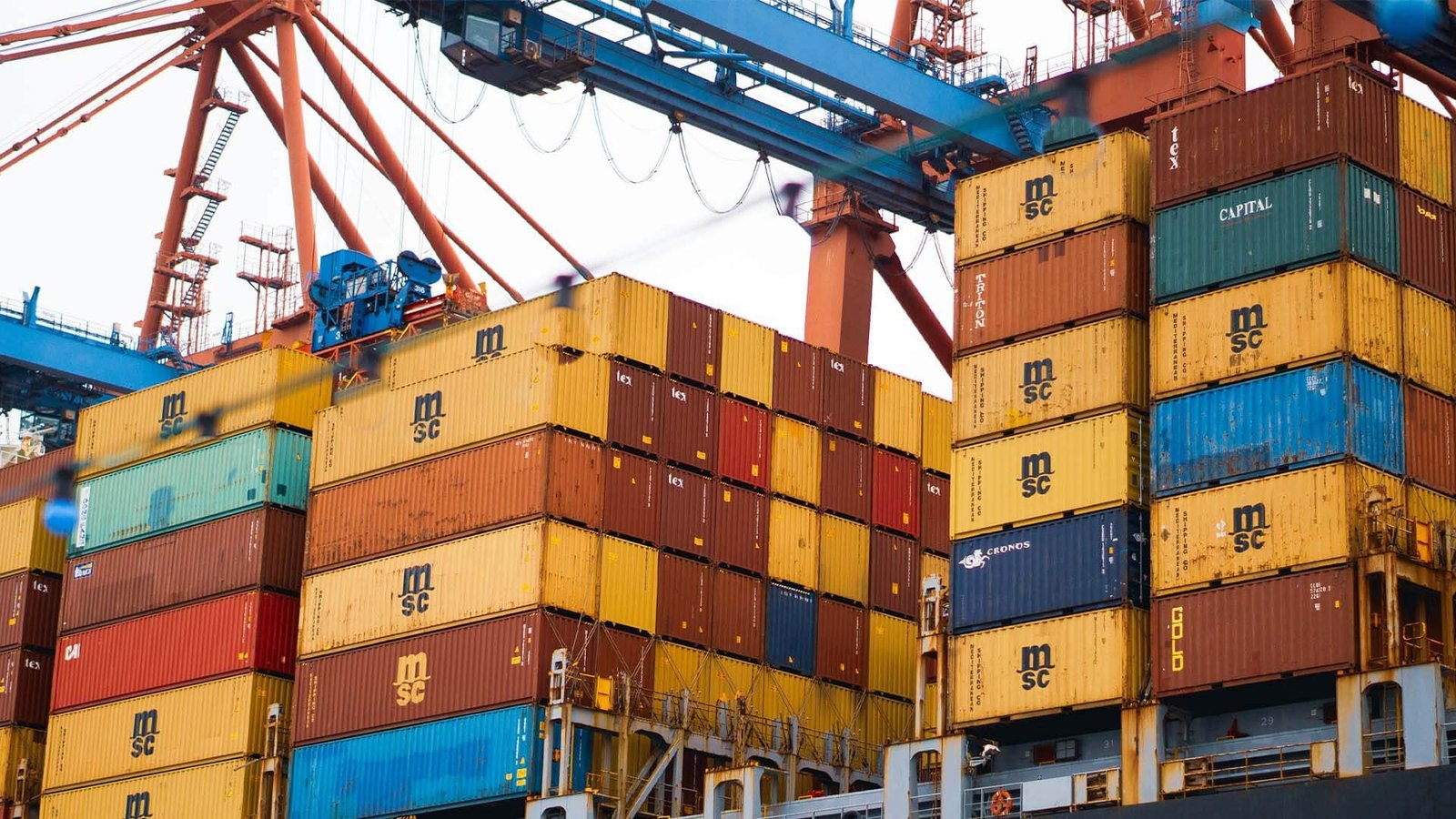
Cross-docking offers numerous advantages to U.S. importers. It minimizes storage costs and helps avoid the congestion that can occur at ports. This process allows for the quick transfer of goods from inbound transportation to outbound carriers. Importers can shift their focus from warehousing to quicker distribution.
Advantages of Cross-Docking
- Cost Efficiency: Reduces warehousing fees.
- Speed: Improves delivery times.
- Reduced Port Congestion: Helps maintain a smoother flow of goods4.
- Inventory Management: Lowers inventory holding costs.
With cross-docking, importers enjoy a faster supply chain. The ability to shift goods quickly not only lowers costs but also enhances customer satisfaction5 through timely deliveries.
Cross-docking works by synchronizing inbound shipments, staging freight briefly, and immediately dispatching cargo to outbound carriers?
Cross-docking works by tightly coordinating inbound arrivals with outbound departures. Freight is unloaded, briefly staged or sorted, and then immediately loaded onto outbound trucks or linehaul transport, allowing importers to maintain continuous cargo flow without long-term warehouse storage.

To fully leverage cross-docking, understanding its process is crucial. This involves a synchronized flow of goods6, where inbound shipments are timed perfectly to match outbound transportation schedules. When executed effectively, this synchronization leads to significant improvements in logistical efficiency.
Breakdown of Cross-Docking Operations
- Inbound Coordination: Timely arrivals of shipments.
- Staging Area Management: Efficient sorting and temporary holding.
- Outbound Scheduling: Immediate loading onto outbound carriers.
By managing these components well, importers can enhance their supply chain efficiency. The goal is to eliminate delays and provide a seamless transition from receiving to distribution.
Effective cross-docking requires precise scheduling, real-time visibility, and coordination between carriers, warehouses, and customs clearance?
Successful cross-docking depends on accurate scheduling, real-time shipment visibility7, and coordination across carriers, warehouses, and customs processes. Technology such as warehouse management systems8 and appointment scheduling tools ensures freight arrives cleared, labeled, and ready for rapid outbound transfer.
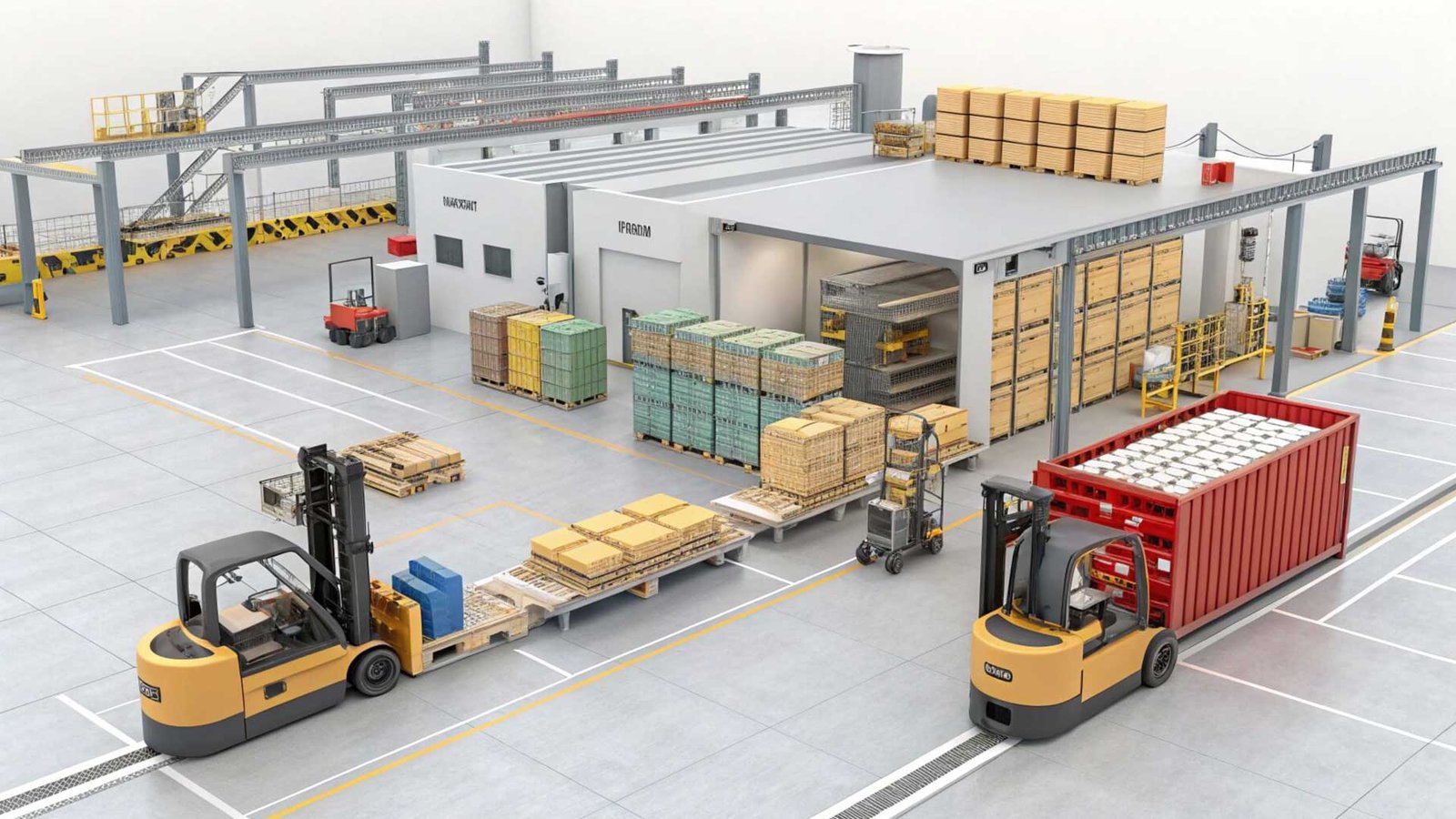
To implement cross-docking effectively, a few requirements need to be met. Businesses must invest in technology to track shipments in real-time. This visibility allows for better planning and scheduling, ensuring that shipments arrive on time for a smooth transfer.
Key Requirements for Successful Cross-Docking
- Technology Adoption: Implement warehouse management systems8.
- Accurate Scheduling: Coordinate inbound and outbound processes meticulously.
- Customs Preparedness: Ensure all customs paperwork is ready for rapid clearance.
By focusing on these requirements, businesses can minimize risks related to delays and inaccuracies.
Cross-docking significantly shortens delivery times by eliminating warehousing delays9 and minimizing inventory handling?
Cross-docking shortens delivery times by eliminating storage delays and reducing handling steps. Goods move directly from inbound transport to outbound distribution, allowing importers to accelerate order fulfillment, improve service levels, and support lean inventory strategies10 across their supply chain.
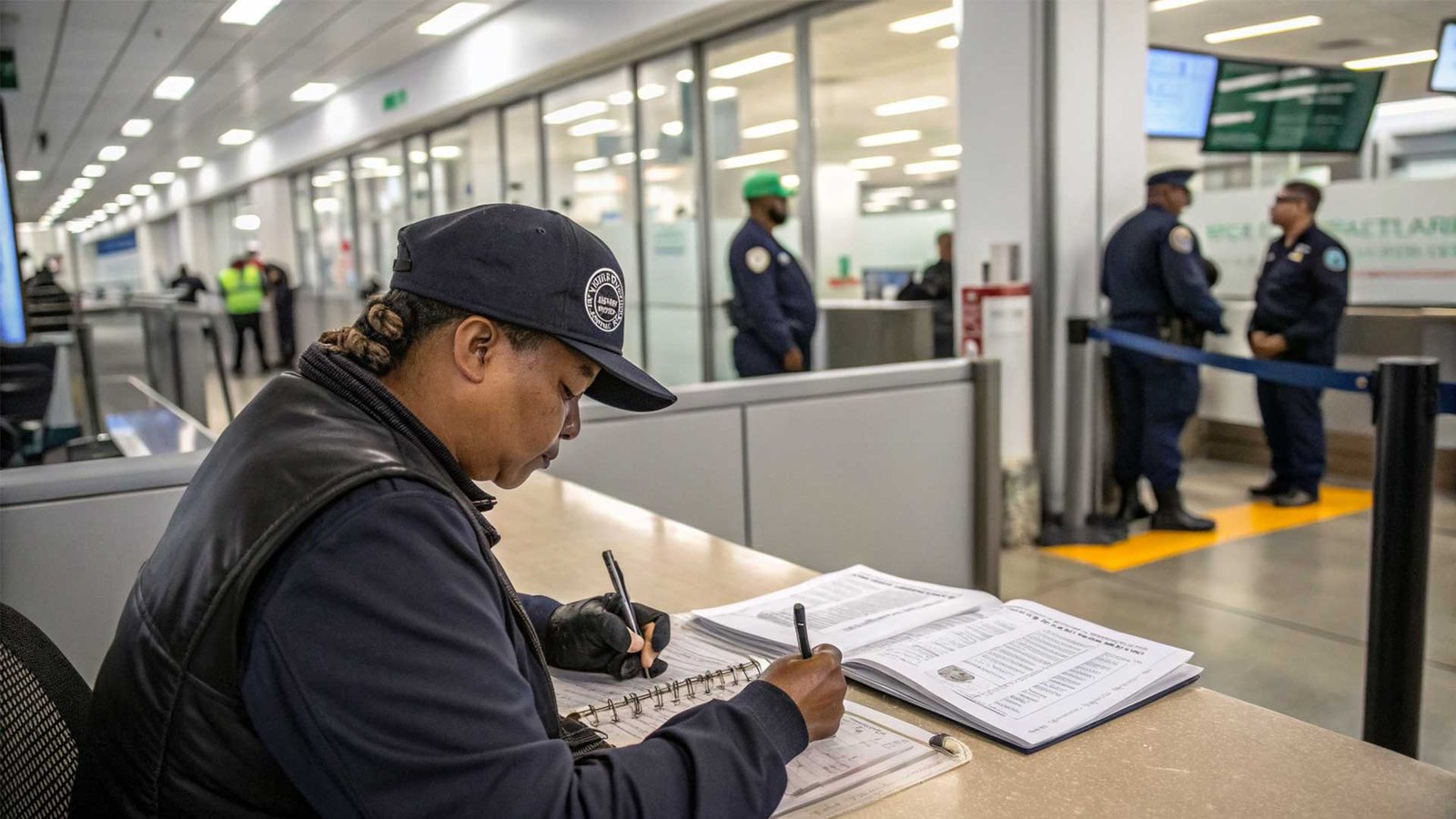
The impact of cross-docking on delivery times cannot be overstated. It leads to a more efficient system where products reach their destinations quicker than through traditional methods. This is especially beneficial for businesses needing to fulfill orders promptly.
Lean Warehousing Impact
- Direct Transfers: Reduces unnecessary handling.
- Faster Processing: Keeps the supply chain moving.
- Improved Customer Satisfaction: Timely deliveries enhance customer loyalty.
By adopting cross-docking, businesses can achieve leaner operations that ultimately lead to improved delivery efficiency.
The main challenges of cross-docking for U.S. importers include timing mismatches11, data accuracy12, and execution risk during peak seasons13?
For U.S. importers, cross-docking challenges include missed inbound appointments, incomplete customs clearance, inaccurate shipment data, and limited capacity during peak seasons. Without tight coordination, these issues can disrupt outbound schedules and eliminate the speed and cost advantages cross-docking is designed to deliver.
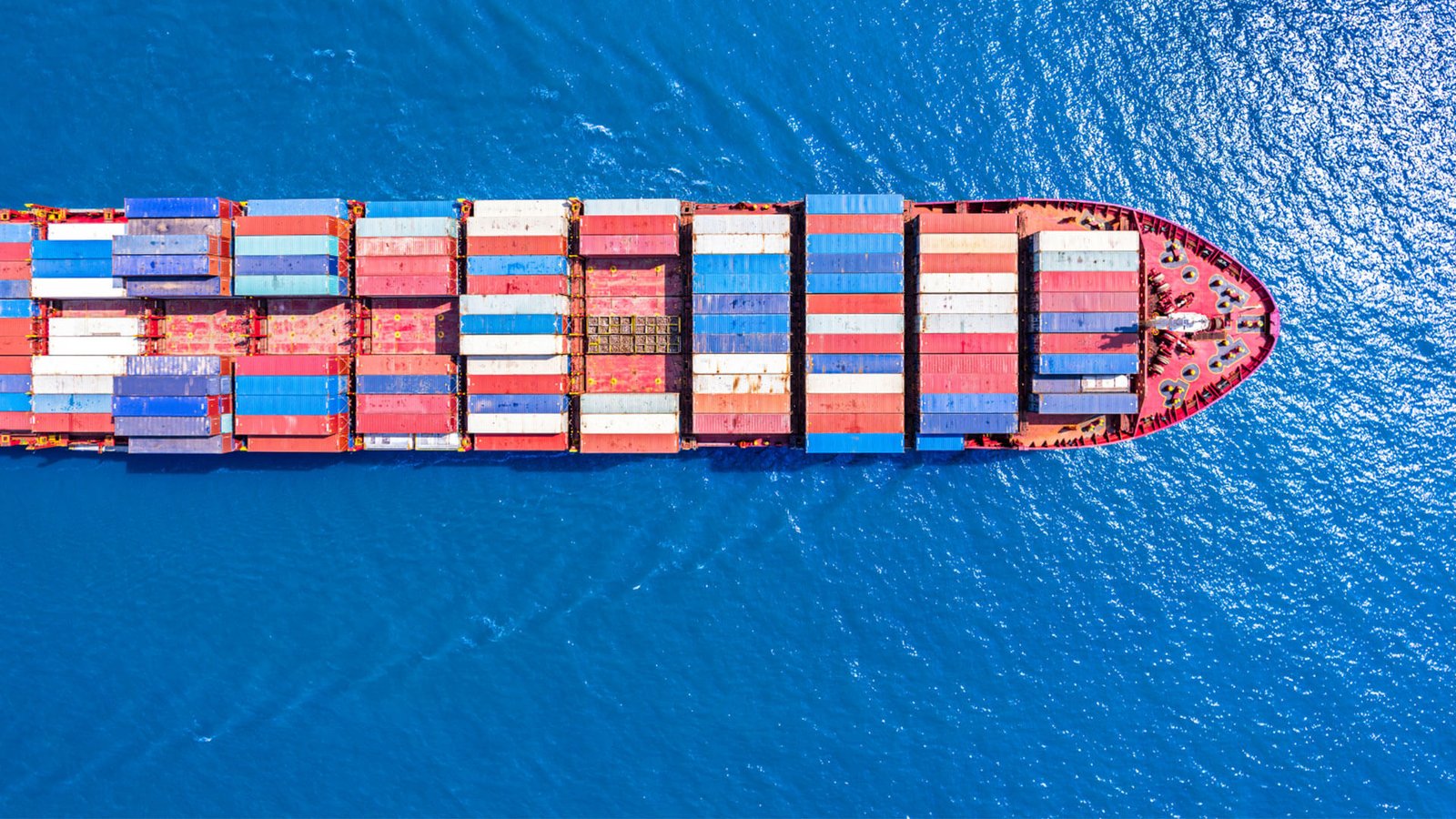
Despite its benefits, cross-docking comes with challenges. Timing mismatches and data inaccuracies can lead to significant operational hiccups. Importers must prepare for these risks, especially during peak seasons when demand peaks.
Common Cross-Docking Challenges
- Timing Mismatches: Arrivals and departures must be perfectly aligned.
- Data Accuracy: Inaccurate information can lead to costly delays.
- Execution Risks: Increased pressure during peak seasons can strain resources.
Addressing these challenges requires careful planning and effective communication throughout the supply chain.
Conclusion
Cross-docking is an efficient logistics strategy that significantly speeds up delivery times while reducing costs. By understanding its processes and challenges, U.S. importers can optimize their operations.
Understanding how cross-docking accelerates shipment flow can help businesses improve their logistics efficiency and reduce delivery times. ↩
Reducing port dwell time is crucial for importers to avoid congestion and delays, making cross-docking a valuable strategy to explore. ↩
Improving delivery speed is a key benefit of cross-docking, making it important to explore how this strategy achieves faster deliveries. ↩
A smoother flow of goods can enhance supply chain efficiency, making it important to explore how cross-docking contributes to this. ↩
Enhancing customer satisfaction through timely deliveries is crucial for business success, making cross-docking a strategy worth exploring. ↩
Synchronized flow of goods is key to cross-docking success, and understanding it can help businesses optimize their logistics operations. ↩
Real-time shipment visibility is crucial for effective cross-docking, ensuring timely coordination and reducing the risk of delays. ↩
Warehouse management systems play a vital role in cross-docking by enhancing coordination and efficiency, making them worth exploring. ↩
Eliminating warehousing delays can significantly speed up delivery times, making cross-docking an attractive strategy for businesses. ↩
Lean inventory strategies can reduce costs and improve efficiency, making it important to understand their application in cross-docking. ↩
Timing mismatches can disrupt cross-docking operations, so understanding and addressing them is crucial for smooth logistics. ↩
Data accuracy is essential to avoid costly delays and ensure smooth cross-docking operations, making it a critical area to explore. ↩
Execution risks during peak seasons can strain resources, so understanding these risks is vital for effective cross-docking. ↩