The first paragraph, which uses PAS formula to grab the reader's attention (max 30 words). Chinese retaliatory tariffs1 can disrupt your business operations. Understanding which products are affected and why is crucial for maintaining a competitive edge in a complex trade environment.
second paragraph at the beginning, answering the question posed by the title, this paragraph must be HELPFUL to the reader and will be used later to compete for Google's Featured Snippets. (max 50 words) Chinese retaliatory tariffs1 are additional duties imposed on U.S.-origin goods2 in response to U.S. trade actions. These measures target selected products rather than all imports, directly impacting exporters and importers whose supply chains3 rely on U.S. goods entering China.

The paragraph that begins and ends with a paragraph that will keep the customer from reading further. Navigating the landscape of Chinese tariffs can be overwhelming. However, knowing the specifics can help your business make informed decisions. Let's explore the types of products affected by these tariffs.
Chinese retaliatory tariffs1 target specific U.S.-origin products in response to U.S. trade measures, directly affecting cross-border supply chains3?
The first paragraph, which uses the PAS strategy to grab the reader's attention (max 30 words). Many U.S. businesses are caught off guard by Chinese retaliatory tariffs1. These tariffs can greatly affect supply chains3 and profit margins if not properly understood.
The second paragraph, which answers the question posed by the headline, is the paragraph that will be used later to compete for Google's Featured Snippets. (max 50 words) Chinese retaliatory tariffs1 are imposed specifically on U.S. goods as a countermeasure to U.S. trade policies. This direct targeting complicates trade dynamics for importers and exporters reliant on U.S. products in their supply chains3.
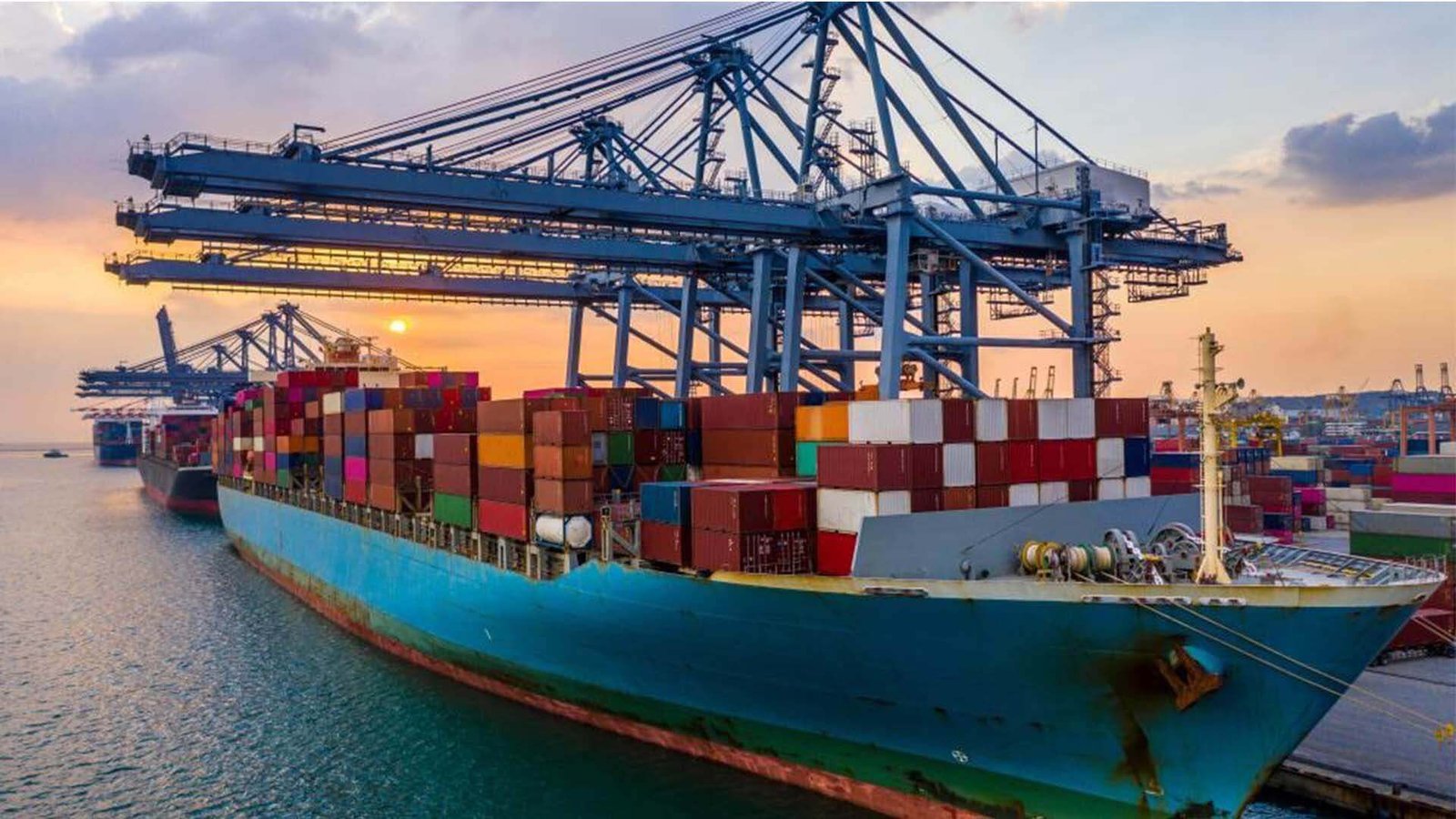
Based on the secondary headings, continue to extend and go deeper, can use critical thinking, to break down the question, to help the reader understand more deeply, need to use the tertiary headings, and Markdown formatting tables to express the ideas in a more structured way. (around 150 words) The impact of Chinese retaliatory tariffs1 extends beyond mere cost increases. These tariffs are designed to target specific U.S. industries, which means understanding the product classifications is essential. For example, agricultural products4 often face higher tariffs due to their importance in trade volume. Energy commodities are similarly affected because they play a crucial role in economic relations.
| Product Category | Tariff Rate | Impact on Importers |
|---|---|---|
| Agricultural Goods | 25% | Increased cost, demand shifts |
| Energy Products | 20% | Higher landed cost5s |
| Industrial Materials | 15% | Supply chain disruptions |
| Selected Manufactured Items | 10% | Reassessment of sourcing strategies6 |
Understanding these rates allows businesses to plan effectively. Companies that recognize their product classifications can strategize on cost management and supply chain adjustments.
Products most affected by China’s retaliatory tariffs include agricultural goods, energy products, industrial materials7, and selected manufactured items8?
The first paragraph, which uses the PAS strategy to grab the reader's attention (max 30 words). It's vital to know which products face retaliatory tariffs. Misjudging this can lead to unnecessary costs and supply chain disruptions.
The second paragraph, which answers the question posed by the headline, is the paragraph that will be used later to compete for Google's Featured Snippets. (max 50 words) China’s retaliatory tariffs often focus on U.S. agricultural exports, energy commodities9, industrial inputs, and certain manufactured goods. These categories are chosen due to trade volume and economic sensitivity, meaning importers and exporters in these sectors face higher landed cost5s and shifting demand patterns.
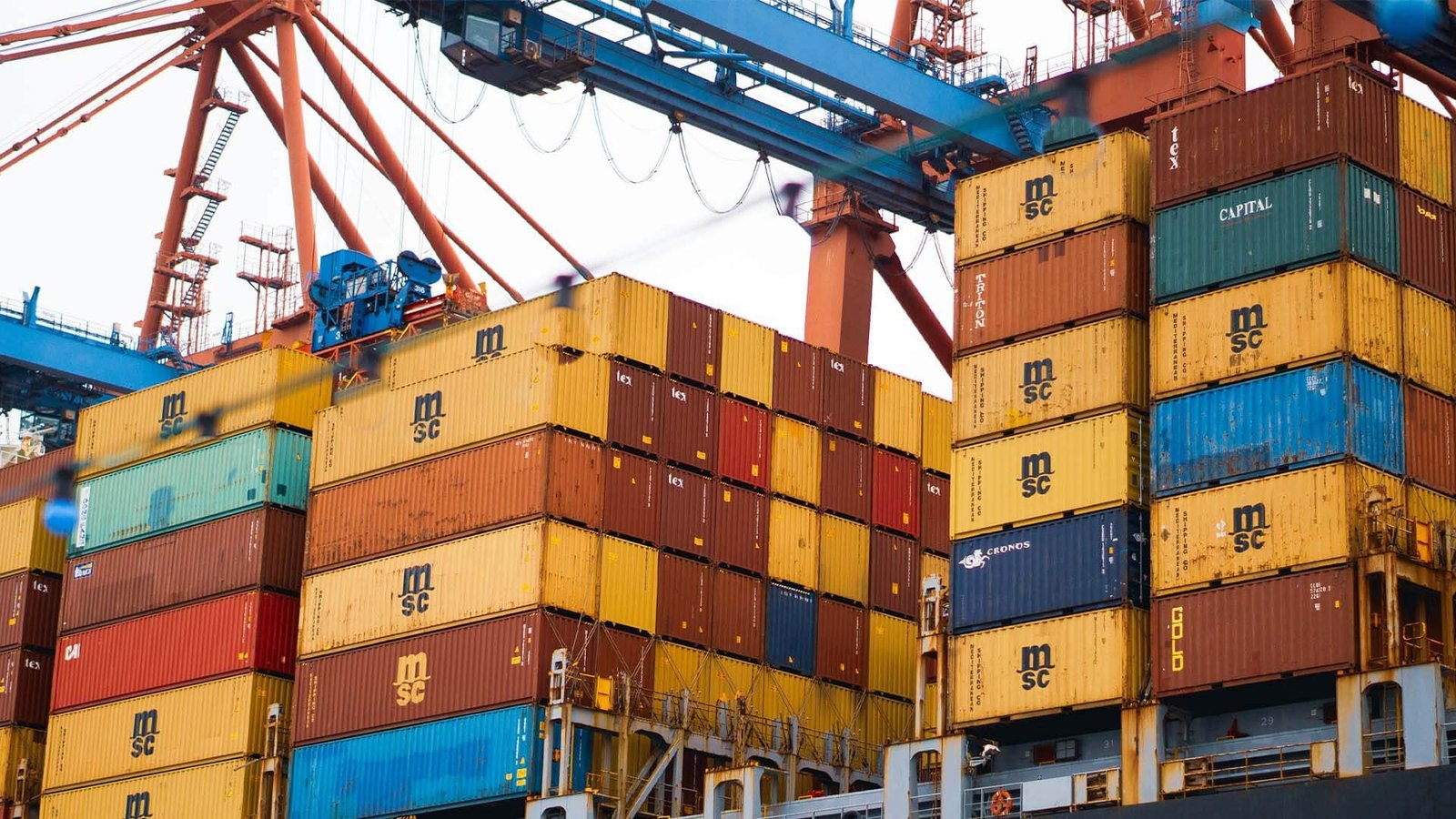
Based on the secondary headings, continue to extend and go deeper, can use critical thinking, to break down the question, to help the reader understand more deeply, need to use the tertiary headings, and Markdown formatting tables to express the ideas in a more structured way. (around 150 words) The categories of products affected by the tariffs can be broadly classified. The agricultural sector, for instance, suffers due to high tariffs imposed on grains, soybeans, and pork. Similarly, energy products like crude oil and natural gas face significant tariffs that can shift market dynamics.
| Product Type | Example | Tariff Rate |
|---|---|---|
| Agricultural Goods | Soybeans | 25% |
| Energy Commodities | Crude Oil | 20% |
| Industrial Materials | Steel Products | 15% |
| Manufactured Goods | Auto Parts | 10% |
Understanding these classifications helps importers navigate the complexities of tariffs, allowing for better demand planning10 and pricing strategies.
The scope and rate of Chinese retaliatory tariffs1 vary by product classification and country-of-origin rules, not by brand or importer size?
The first paragraph, which uses the PAS strategy to grab the reader's attention (max 30 words). Many businesses believe brand reputation affects tariffs. However, this is a misconception that could lead to costly errors.
The second paragraph, which answers the question posed by the headline, is the paragraph that will be used later to compete for Google's Featured Snippets. (max 50 words) Chinese retaliatory tariffs1 are applied based on HS classification11 and verified U.S. origin, not on the importer, exporter, or brand name. Accurate classification and origin determination are critical, as misalignment can result in unexpected duties, penalties, or shipment delays at Chinese customs.

Based on the secondary headings, continue to extend and go deeper, can use critical thinking, to break down the question, to help the reader understand more deeply, need to use the tertiary headings, and Markdown formatting tables to express the ideas in a more structured way. (around 150 words) The classification of products under the Harmonized System (HS) codes is vital. Each product has a specific code that defines its tariff treatment. The rules of origin12 further complicate this process, as they determine whether a product qualifies for preferential treatment under various trade agreements.
| HS Code | Product Description | Tariff Implication |
|---|---|---|
| 1001 | Wheat | 25% |
| 2709 | Crude Oil | 20% |
| 7210 | Steel Wire | 15% |
| 8708 | Auto Parts | 10% |
Misclassifying products can lead to significant duties and delays. Importers must regularly review their product classifications to ensure compliance with current tariff regulations.
Chinese retaliatory tariffs1 are designed to apply economic pressure13 on key U.S. industries while influencing broader trade negotiations?
The first paragraph, which uses the PAS strategy to grab the reader's attention (max 30 words). Understanding the motive behind tariffs is essential. It can shape your company's strategies and decisions in the marketplace.
The second paragraph, which answers the question posed by the headline, is the paragraph that will be used later to compete for Google's Featured Snippets. (max 50 words) Retaliatory tariffs are structured to affect industries with high export exposure to China, increasing economic pressure13 while signaling negotiation leverage. For importers and exporters, this policy-driven targeting creates uneven risk across sectors, requiring closer monitoring of tariff lists and regulatory updates.
Based on the secondary headings, continue to extend and go deeper, can use critical thinking, to break down the question, to help the reader understand more deeply, need to use the tertiary headings, and Markdown formatting tables to express the ideas in a more structured way. (around 150 words) The economic pressure13 exerted by tariffs can lead to significant shifts in various industries. Key sectors like agriculture and technology are often at the forefront of these changes. Analyzing the effects of tariffs requires understanding their broader economic impact.
| Industry | Export Exposure | Tariff Rate | Impact |
|---|---|---|---|
| Agriculture | High | 25% | Reduced exports, increased costs |
| Technology | Moderate | 15% | Supply chain adjustments |
| Manufacturing | Low | 10% | Potential market reductions |
By understanding how tariffs affect economic dynamics, businesses can better navigate risks and adjust their strategies accordingly.
Retaliatory tariffs increase landed cost5, disrupt demand planning10, and may force U.S. exporters and importers to reconsider sourcing and routing strategies?
The first paragraph, which uses the PAS strategy to grab the reader's attention (max 30 words). Tariffs can increase your costs significantly. If you’re not planning ahead, this can strain your business operations.
The second paragraph, which answers the question posed by the headline, is the paragraph that will be used later to compete for Google's Featured Snippets. (max 50 words) Higher duties from retaliatory tariffs raise landed cost5s and can reduce competitiveness in the Chinese market. Importers may see reduced demand or margin pressure, prompting shifts in sourcing, pricing, or routing strategies to maintain supply chain viability and protect profitability.
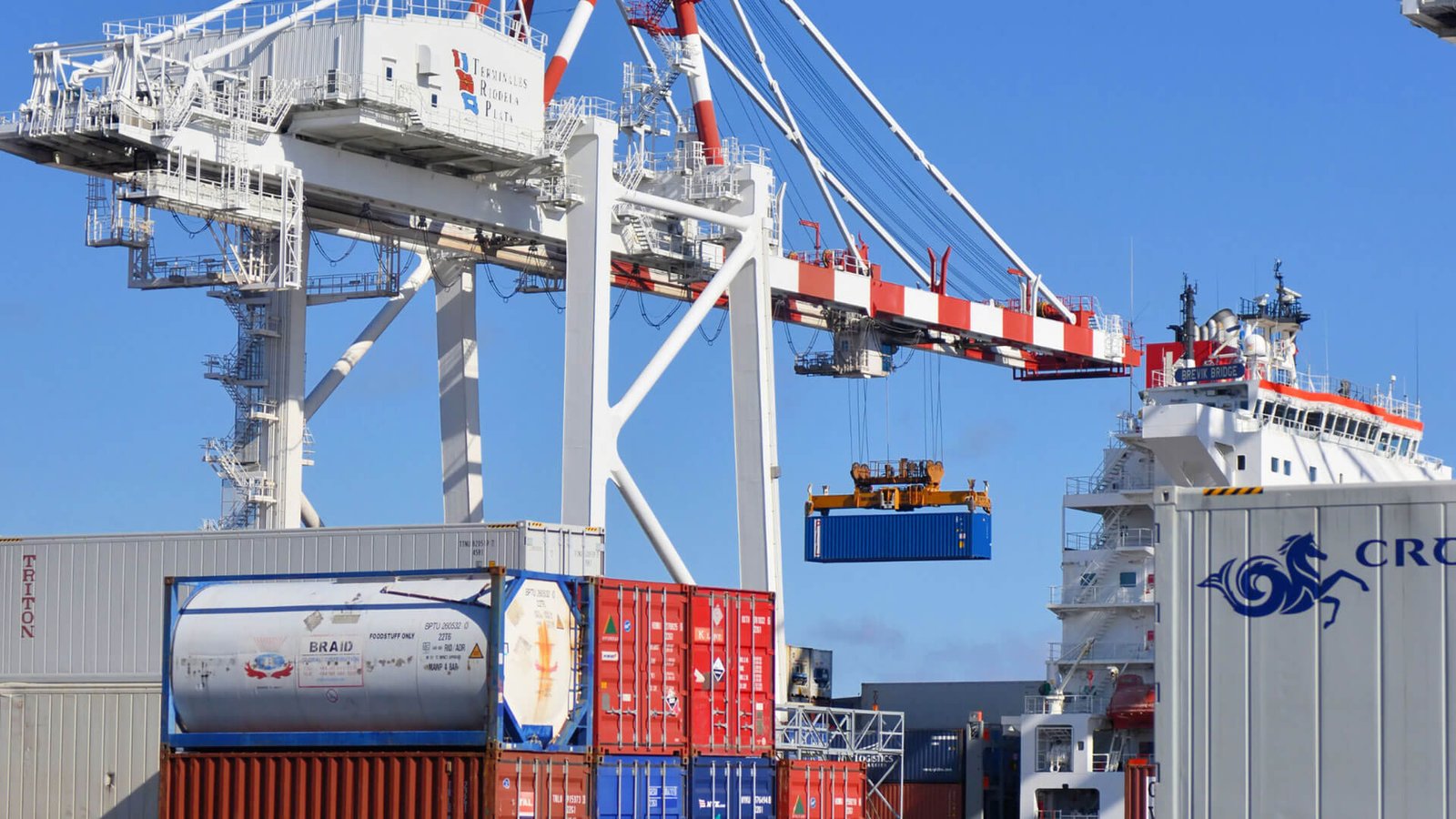
Based on the secondary headings, continue to extend and go deeper, can use critical thinking, to break down the question, to help the reader understand more deeply, need to use the tertiary headings, and Markdown formatting tables to express the ideas in a more structured way. (around 150 words) The impact of tariffs on landed cost5s is profound. These costs, which include all expenses incurred until goods arrive at their destination, can soar due to increased duties. Importers need to adjust their demand planning10 and sourcing strategies6.
| Cost Element | Pre-Tariff Cost | Post-Tariff Cost |
|---|---|---|
| Base Duty | 5% | 5% |
| Retaliatory Tariff | 0% | 25% |
| Total Landed Cost | 100% | 130% |
As shown, the increase in total landed cost5 can lead to significant pressures on pricing and margins. To mitigate these impacts, importers should consider strategies such as diversifying their supply sources or reevaluating their logistics networks.
Importers can mitigate the impact of Chinese retaliatory tariffs1 through product classification review14, supply chain diversification15, and trade compliance16 planning?
The first paragraph, which uses the PAS strategy to grab the reader's attention (max 30 words). Feeling overwhelmed by tariffs? You can take proactive steps to mitigate their impact and keep your business running smoothly.
The second paragraph, which answers the question posed by the headline, is the paragraph that will be used later to compete for Google's Featured Snippets. (max 50 words) Mitigating retaliatory tariff exposure requires proactive planning, including reviewing HS codes, validating origin rules, and evaluating alternative sourcing or markets. Importers that integrate trade compliance16 with logistics and sourcing decisions are better positioned to manage cost increases and regulatory risk.

Based on the secondary headings, continue to extend and go deeper, can use critical thinking, to break down the question, to help the reader understand more deeply, need to use the tertiary headings, and Markdown formatting tables to express the ideas in a more structured way. (around 150 words) To effectively manage the impact of tariffs, importers should adopt a multi-faceted approach. Reviewing HS codes and ensuring accurate product classification is essential. Additionally, diversifying supply chains3 can minimize dependency on any single source.
| Mitigation Strategy | Description | Expected Outcome |
|---|---|---|
| HS Code Review | Regular updates on product classifications | Reduced risk of misclassification penalties |
| Supply Chain Diversification | Sourcing from multiple suppliers | Increased flexibility and risk management |
| Trade Compliance Planning | Regular audits and updates | Improved regulatory compliance17 and cost predictability18 |
Implementing these strategies can enable importers to navigate the changing landscape of tariffs and maintain their competitive edge.
Conclusion
Understanding retaliatory tariffs is essential for U.S. importers. By knowing the implications, you can make informed decisions and mitigate potential impacts.
Understanding these tariffs is crucial for businesses involved in U.S.-China trade, as they directly impact supply chains and costs. ↩
Knowing which U.S. goods are targeted can help businesses plan their import and export strategies effectively. ↩
Exploring this can reveal how tariffs disrupt international trade and affect business operations worldwide. ↩
Agricultural goods often face higher tariffs, impacting trade volume and market dynamics, crucial for businesses in this sector. ↩
Increased landed costs can strain business operations, making it essential to understand tariff impacts on pricing. ↩
Adapting sourcing strategies can mitigate tariff impacts, crucial for maintaining supply chain viability. ↩
Industrial materials face tariffs that disrupt supply chains, essential knowledge for manufacturers and importers. ↩
Manufactured goods are targeted by tariffs, affecting sourcing strategies and market competitiveness. ↩
Energy products are vital for economic relations, and understanding tariff impacts can help businesses in energy sectors strategize. ↩
Tariffs can shift demand patterns, requiring businesses to adjust their planning and strategies. ↩
Accurate HS classification is critical for determining tariff rates and ensuring compliance, vital for importers. ↩
Understanding origin rules can prevent unexpected duties and penalties, crucial for businesses in international trade. ↩
Tariffs are designed to influence trade negotiations and affect key industries, important for strategic business planning. ↩
Regular classification reviews can prevent misclassification penalties and ensure compliance with tariff regulations. ↩
Diversifying supply chains can reduce dependency on single sources, enhancing flexibility and risk management. ↩
Proactive trade compliance planning can help businesses manage costs and regulatory risks associated with tariffs. ↩
Improving compliance can prevent penalties and ensure smooth operations, vital for businesses affected by tariffs. ↩
Predictable costs are essential for financial planning, and understanding tariff impacts can aid in achieving this. ↩