The CHED document is essential for businesses engaged in international trade. Understanding its significance can save time and prevent costly delays for importers and exporters alike.
A Common Health Entry Document (CHED)1 is an EU regulatory form used to notify border authorities of incoming food, plant, animal, or feed products. It allows EU officials to assess sanitary and phytosanitary risks2 before goods enter the market, ensuring compliance with EU health and safety regulations3.
Navigating the complexities of international trade can be daunting, especially without knowledge of crucial compliance documents like the CHED.
A Common Health Entry Document (CHED)1 is an EU-required import notification used to control regulated food, plant, and animal products entering the European Union?
The CHED document is vital for ensuring the compliance of various imported goods into the EU. This document is not just another piece of paperwork; it plays a critical role in safeguarding public health and maintaining safety standards across borders.
A Common Health Entry Document (CHED)1 is an EU regulatory form used to notify border authorities of incoming food, plant, animal, or feed products. It allows EU officials to assess sanitary and phytosanitary risks2 before goods enter the market, ensuring compliance with EU health and safety regulations3.
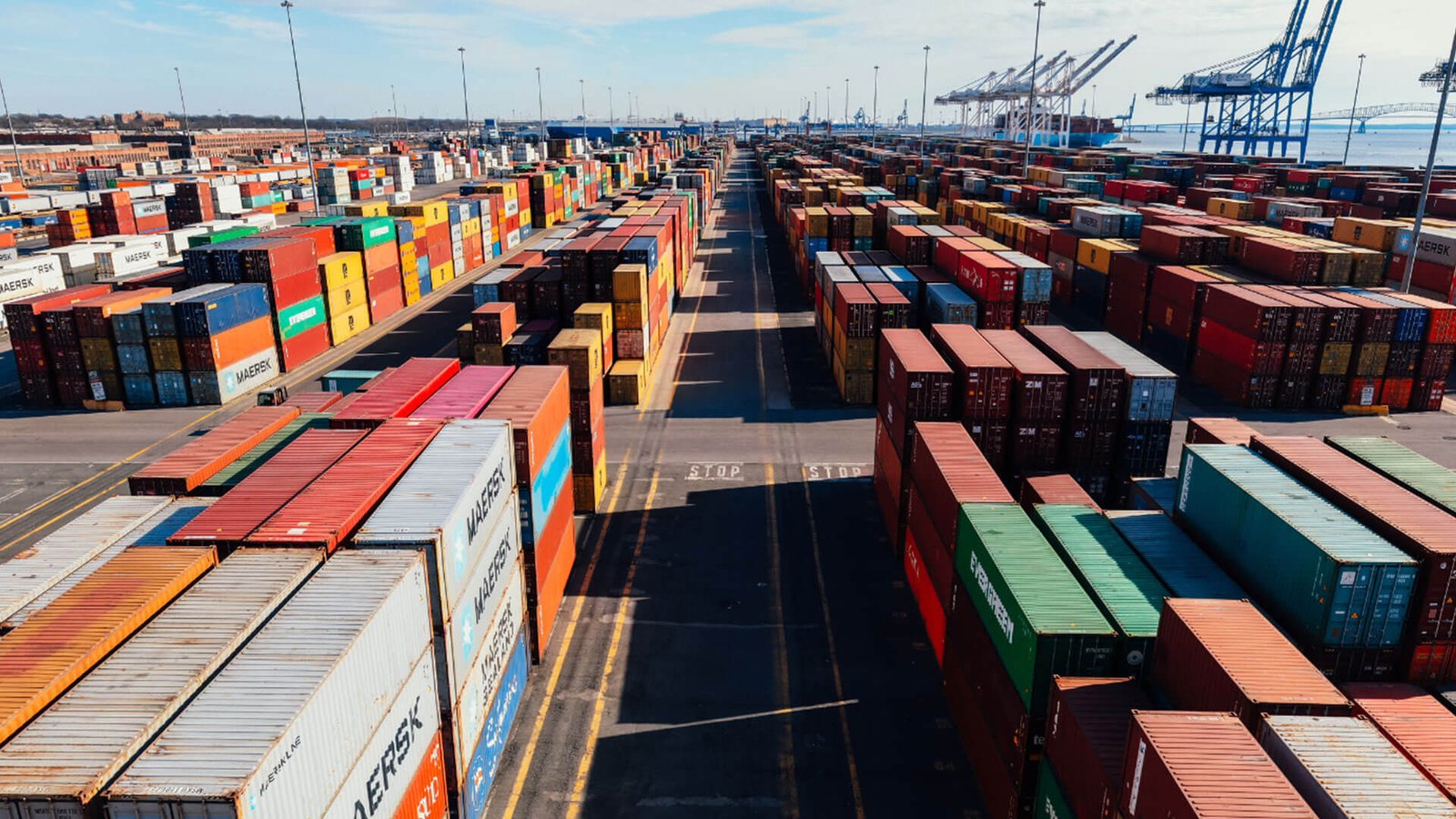
The process of shipping goods to the EU is not as simple as it seems. Many products require additional documentation, and the CHED is at the forefront of that requirement.
CHEDs are mandatory for U.S. exporters and importers4 shipping animal products, foodstuffs, plants, or feed subject to EU health controls?
If you're exporting or importing goods that fall under specific categories, understanding CHED is crucial. The EU has stringent health controls, and compliance with these regulations is non-negotiable.
CHEDs are required for shipments containing animal products, food of animal origin, certain plant products, and regulated feed entering the EU. U.S. exporters and EU importers must ensure CHED compliance when goods are subject to veterinary, phytosanitary, or official health inspections at EU borders.
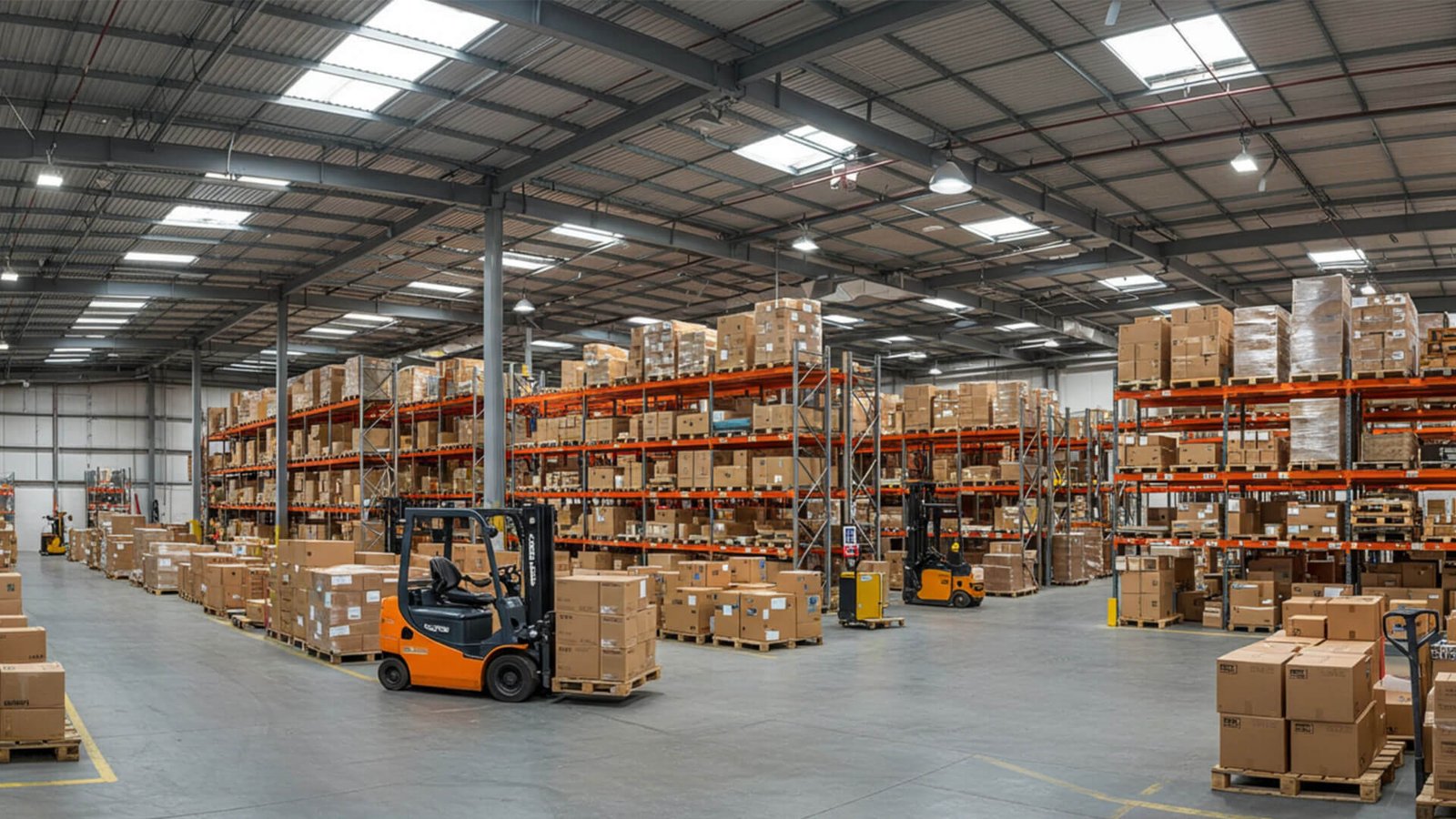
Every shipment is unique, and knowing whether a CHED is required can make or break your import process.
Different CHED types apply based on commodity category, including CHED-P, CHED-D, and CHED-A5, each linked to specific regulatory checks?
The CHED system is designed to be efficient, but it can be confusing. Each type of CHED corresponds to different commodities subject to various regulations.
The EU uses different CHED forms depending on product type, such as CHED-P for plant products, CHED-D for food and feed of non-animal origin, and CHED-A for live animals. Selecting the correct CHED type is critical to avoid clearance delays or inspection failures.

Knowing which type of CHED to file can save you time and prevent unnecessary complications during the shipping process.
CHED filings are submitted electronically through TRACES and must be completed before cargo arrives at the EU border control post?
Digital processes are now part of everyday logistics. The TRACES system facilitates the submission of CHED documents, making it easier for importers to comply with EU regulations.
CHEDs are filed electronically through the EU’s TRACES platform6 prior to arrival at the border control post. Timely and accurate submission allows authorities to schedule inspections and approve entry, while late or incorrect filings often result in shipment holds, inspections, or additional documentation requests.
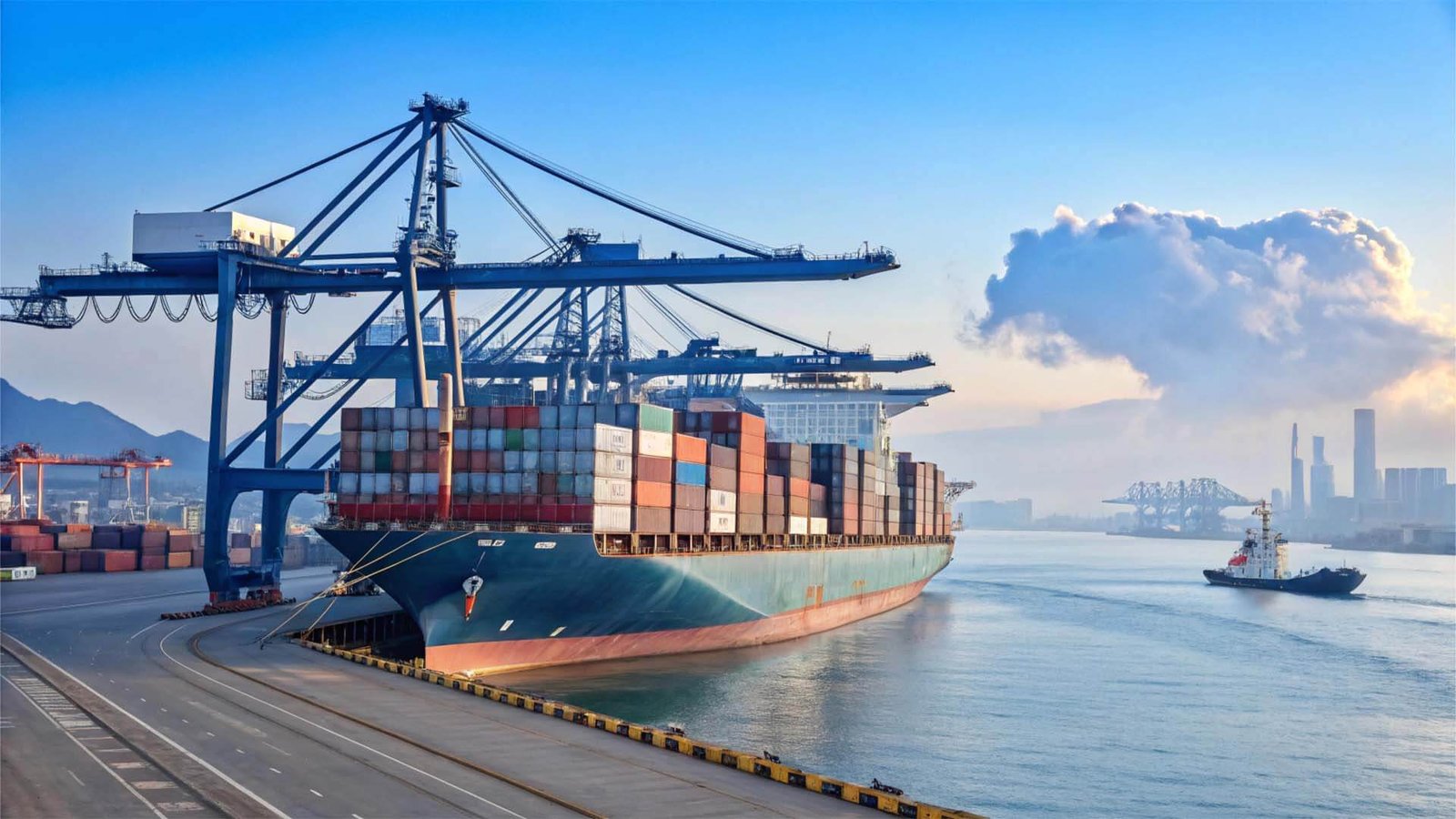
Taking full advantage of the electronic filing process can help you streamline your shipping operations and reduce delays.
Incorrect or missing CHED filings can cause shipment holds, rejections, inspections, or added costs at EU ports of entry?
Failures in compliance can lead to dire consequences. Missing or incorrect CHED filings have far-reaching implications for importers and exporters alike.
If a CHED is missing or inaccurate, EU authorities may detain shipments, require physical inspections, or refuse entry altogether. These disruptions increase port storage costs, spoilage risk, and compliance penalties7, making CHED accuracy a key factor in controlling landed cost and delivery timelines.

Understanding the gravity of CHED compliance can help you manage your shipping risks effectively.
Working with experienced logistics and customs partners helps importers manage CHED compliance alongside shipping, documentation, and EU clearance requirements?
Having the right partners in your logistics chain can make a world of difference. Experienced customs brokers and logistics providers bring invaluable support to the shipping process.
Specialized logistics and customs partners help coordinate CHED filings with shipping schedules, health certificates, and EU import declarations. This integrated approach8 reduces compliance risk, prevents documentation gaps, and ensures regulated goods move smoothly from U.S. export through EU border clearance and release.

A strategic partnership in logistics can be the difference between success and failure in the complex world of international shipping.
Conclusion
Understanding and complying with CHED requirements is essential for successful trade with the EU.
Understanding the CHED is crucial for businesses involved in EU trade to ensure compliance with health and safety regulations. ↩
Learn how the CHED helps mitigate health risks by assessing sanitary and phytosanitary conditions before goods enter the EU market. ↩
Explore the stringent EU health and safety regulations that imported goods must comply with to ensure public safety. ↩
Discover why U.S. exporters and importers must comply with CHED requirements to avoid shipment delays and rejections. ↩
Understand the different CHED forms and their specific applications to ensure correct filing and avoid clearance issues. ↩
Learn about the TRACES platform and how it streamlines the electronic submission of CHED documents for efficient border control. ↩
Explore the potential penalties and costs associated with non-compliance in CHED filings to avoid financial losses. ↩
Learn how an integrated approach with logistics partners can streamline CHED compliance and ensure smooth EU border clearance. ↩