The customs clearance process1 can be daunting for importers. You want to avoid delays and extra costs. Knowing how customs brokers can help is essential for smooth operations.
A Calgary customs broker2 helps importers clear shipments through the Canada Border Services Agency (CBSA)3 by preparing declarations, validating documents, calculating duties and GST, and coordinating release. Importers usually need a broker when shipments are commercial, higher value, regulated, or moving by freight. Brokers reduce clearance errors, delays, and compliance exposure4.
Understanding the role of a customs broker is vital. Importers often wonder if they really need one. Clarifying this helps you make informed decisions.
Explain what a Calgary customs broker2 does for importers and when you actually need one to clear shipments into Canada?
The role of a customs broker can feel unclear. In simple terms, a Calgary customs broker2 assists importers in navigating the complex customs landscape. They ensure that shipments comply with Canadian regulations and are cleared efficiently.
Importers usually need a broker when they are dealing with commercial shipments5 that are higher in value, regulated products, or moving by freight. A broker helps manage the paperwork and duties, ensuring that shipments reach their destination on time.
Here are some key definitions that clarify the roles involved in customs processes:
- Customs Broker: Specialists who assist with the importation of goods, ensuring compliance with customs regulations6.
- Freight Forwarder: Manages the logistics of shipping, including transportation but not necessarily customs clearance.
- Courier Brokerage: Typically handles smaller parcels and expedited shipments, often with higher fees.
Break down the full customs clearance process1 in Calgary step-by-step (documents → classification/value/origin → release → delivery) so importers know what to expect.
The customs clearance process1 follows a predictable workflow. Importers collect necessary documents, confirm classification, and submit declarations. This process ensures that cargo can be delivered efficiently.
Canada customs clearance follows a predictable workflow: collect documents, confirm HS classification7, declared value, and country of origin, submit the declaration to CBSA, resolve any holds or requests, then obtain release so cargo can be delivered. Importers that prepare accurate commercial invoices and product data in advance reduce release delays8 and extra fees.

Here’s the step-by-step process for customs clearance:
| Step | What happens | Who owns it | Common mistake |
|---|---|---|---|
| Document Collection | Gather all necessary documents | Importer | Missing invoices |
| HS/Origin/Value Confirmation | Confirm HS code, origin, and value | Broker | Wrong HS classification7 |
| Submission | Submit declaration to CBSA | Broker | Late submission |
| CBSA Review | CBSA reviews submitted documents | Broker | Incomplete documentation |
| Release Notice | Obtain clearance from CBSA | Broker | Delays in communication |
| Delivery Handoff | Cargo is delivered to the importer | Carrier | Miscommunication with carrier |
List the most common clearance problems that delay shipments in Canada (missing paperwork, wrong HS code, undervaluation, origin errors) and how to prevent them.
Many delays stem from simple errors in documentation. Missing invoices, unclear descriptions, or incorrect classifications can trigger holds by CBSA.
Most CBSA delays come from preventable documentation or data errors. Missing invoices, unclear product descriptions, incorrect HS codes, wrong origin claims, or mismatched quantities can trigger holds and manual review. Importers can reduce delays by standardizing invoice templates, maintaining a product master data file, and reviewing shipments before departure.
Here's a summary of common delay triggers and how to prevent them:
| Delay Trigger | What Causes It | Outcome | Prevention Control |
|---|---|---|---|
| Vague descriptions | General terms like "parts" | Hold by CBSA | Use specific terms |
| Wrong HS classification7 | Incorrect codes | Duty miscalculation | Verify HS codes |
| Valuation mismatch | Misunderstanding of discounts | Underreporting | Clear invoices |
| Origin errors | Missing country of origin | Delay | Proper documentation |
| Missing permits/regulatory docs | Lack of awareness | Hold by CBSA | Pre-check requirements |
| Inconsistent weight/quantity | Inaccurate documentation | Manual review | Double-check shipments |
| Late paperwork submission | Lack of planning | Delay | Timely submission |
Examples of invoice descriptions:
- Bad: “hardware”
- Good: “steel screws, 1 inch, used for fastening”
Understanding the cost structure of customs brokerage is crucial for budgeting. Fees are not limited to a single clearance charge but include several components.
Customs brokerage cost is more than a single “clearance fee.” Importers typically pay brokerage service fees, duties and GST, and often a disbursement fee10 when the broker advances funds to CBSA. Extra charges may apply for amendments, exams, storage, after-hours processing, or complex classifications. Importers can control cost through clean documents and predictable SOPs.
Here’s a breakdown of typical costs:
| Cost Item | What It Covers | How It’s Charged | What Increases It | Control Lever |
|---|---|---|---|---|
| Brokerage Service Fee | Broker's services | Flat fee or percentage | Complexity of import | Clear documentation |
| Duties (if applicable) | Government taxes | Percentage of value | Higher value shipments | Accurate valuation |
| GST/HST | Goods and Services Tax | Percentage of value | Varies by province | Confirm correct rates |
| Disbursement/Advancement Fee | Broker’s upfront payments | Flat fee | Delayed payments | Timely payment |
| Amendments/Corrections | Changes to entry | Flat fee | Frequency of changes | Ensure accuracy |
| Exam/Inspection Support | Broker’s assistance in reviews | Flat fee | Complexity of shipment | Early documentation |
| Storage/Demurrage | Holding cargo | Daily rate | Longer storage times | Efficient logistics |
| Admin/Document Handling | Processing paperwork | Flat fee | Complexity of paperwork | Streamlined processes |
Budgeting tips:
- Ask broker for a full fee schedule.
- Confirm who pays taxes.
- Define Incoterms clearly.
- Require transparency in invoices.
Compare courier brokerage11 vs freight brokerage12 vs self-clearance13 options so importers choose the right approach for shipment size and risk.
When choosing a brokerage service, consider the size and nature of your shipment. Each option has its pros and cons.
Courier brokerage (DHL/FedEx/UPS) is convenient for small parcels but can include higher brokerage and disbursement fee10s. Freight brokerage is better for palletized LTL/FTL or ocean/air freight shipments requiring detailed documentation and release coordination. Self-clearance is possible but requires time, CBSA knowledge, and error risk management—best for experienced import teams.
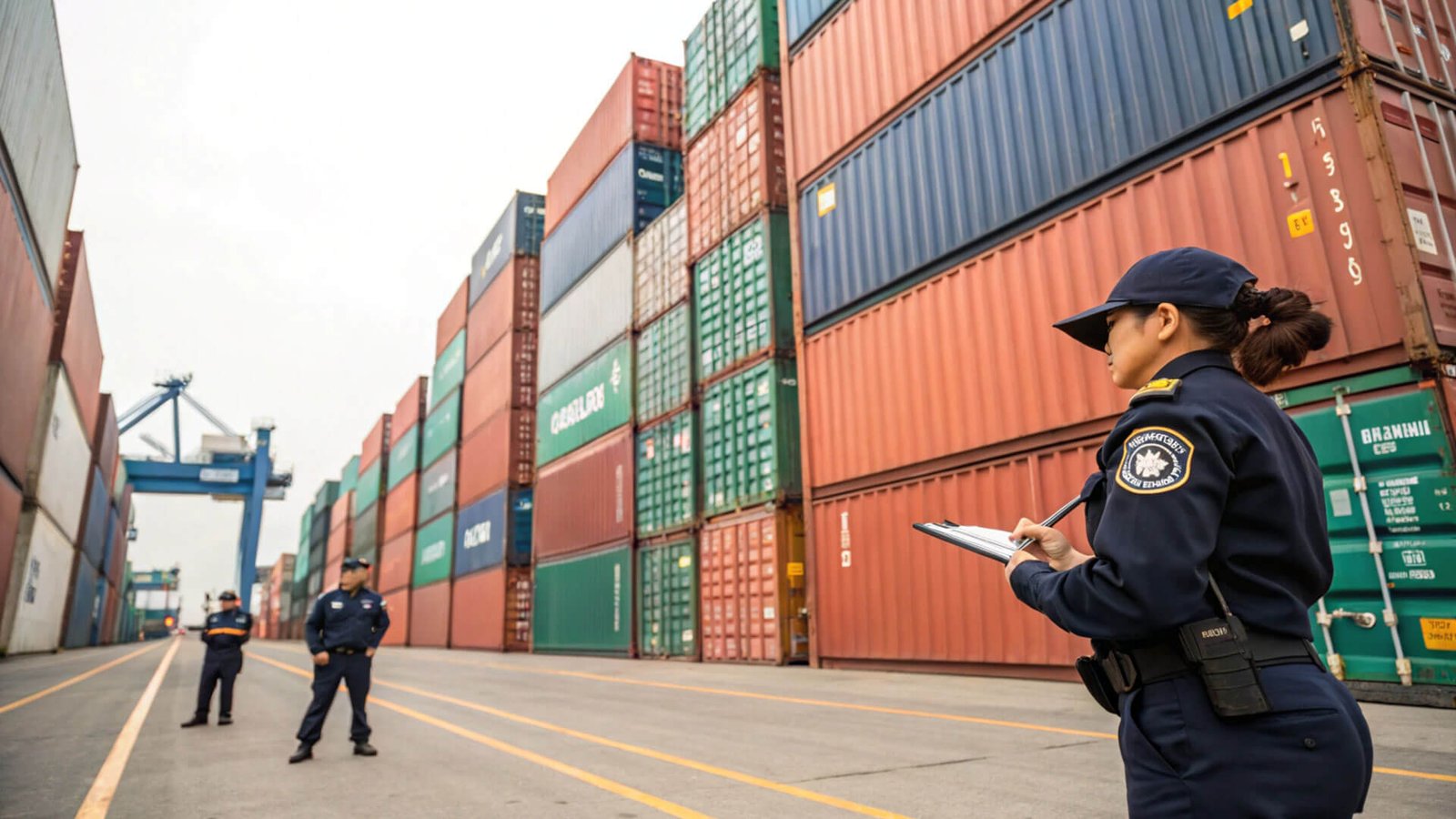
Here’s a comparison of the options:
| Option | Best For | Pros | Cons | Cost Risk | Compliance Risk |
|---|---|---|---|---|---|
| Courier Brokerage | Small parcels | Speed and convenience | Higher fees | Higher brokerage fees | Limited service knowledge |
| Freight Brokerage | Larger shipments | Detailed documentation | Longer timelines | Can be more predictable | Requires understanding |
| Self-Clearance | Experienced import teams | Full control | Time-consuming | Risk of costly errors | Requires CBSA knowledge |
Provide a Calgary broker selection scorecard14 with KPIs (clearance speed15, compliance accuracy16, audit support17, communication, and cost transparency).
Selecting the right customs broker is crucial for smooth operations. A scorecard helps in evaluating potential brokers based on key performance indicators.
Choosing a Calgary customs broker2 should be treated like selecting a compliance partner. The best broker provides fast clearance, accurate classification, transparent billing, and proactive communication during holds18. Importers should use a KPI scorecard covering clearance cycle time, entry error rate, amendment frequency, invoice accuracy, and responsiveness to ensure reliable long-term performance.

Here’s a vetting scorecard template:
| Category | What to Ask | Evidence | KPI Target |
|---|---|---|---|
| HS Classification Capability | How do you verify HS codes? | Examples of classifications | Low error rate |
| Valuation/Origin Controls | How do you manage origin claims? | Documentation examples | High compliance rate |
| Regulated Goods Support | Experience with regulated goods? | Certifications | Successful clearances |
| Clearance Cycle Time Discipline | What’s your average clearance time? | Historical data | Fast turnaround |
| Amendment/Error Rate | Frequency of entry amendments? | Tracking process | Low amendment frequency |
| Billing Transparency | Can you explain your fees? | Fee schedule | Clear cost structure |
| Communication SLA | How do you communicate during holds? | Communication plan | Timely updates |
| Audit/Recordkeeping Support | How do you manage records? | Audit logs | Excellent record-keeping |
| Technology (EDI/API/Portal Tracking) | What tech do you use? | Software examples | Up-to-date technology |
Importer SOP Checklist for Working With a Calgary Broker:
- Product master data →
- Invoice template enforcement →
- Pre-shipment doc review →
- Permit checks →
- Broker POA onboarding →
- Clearance milestone tracking →
- Exception escalation →
- Post-clearance audit →
Fast Clearance Checklist:
- Accurate HS code + value + origin
- Strong invoice descriptions
- Consistent quantities
- Permits ready
- Pre-alert docs
- Clear Incoterms
- Broker escalation plan
FAQ
Do I need a customs broker to import into Canada?
Yes, if your shipments are commercial or regulated, a customs broker can help you navigate the complexities of Canadian customs.
How much does customs clearance cost in Canada?
Costs vary based on shipment size and complexity but typically include brokerage fees, duties, and potential hidden charges9.
What documents does a broker need to clear CBSA?
A broker typically requires commercial invoices, packing lists, and any special permits based on the goods being imported.
What causes customs delays in Canada?
Delays can arise from documentation errors, incorrect classifications, or missing permits, leading to manual reviews by CBSA.
How do I choose a Calgary customs broker2?
Evaluate potential brokers based on their track record, fees, communication, and specialization in your type of goods.
Conclusion
For U.S. importers, engaging a Calgary customs broker2 can streamline the process, ensuring compliance and reducing delays. Request our broker onboarding template, fee transparency review, or classification/origin document audit to get started.
Understanding the customs clearance process is crucial for importers to avoid delays and extra costs. ↩
A Calgary customs broker can help importers navigate the complex customs landscape efficiently. ↩
Knowing the role of CBSA is essential for understanding customs regulations and compliance. ↩
Reducing compliance exposure minimizes the risk of penalties and ensures smooth operations. ↩
Commercial shipments often require a broker to manage paperwork and ensure timely delivery. ↩
Compliance with customs regulations is vital to avoid penalties and ensure smooth importation. ↩
Correct HS classification is crucial for accurate duty calculation and compliance. ↩
Understanding the causes of release delays can help importers prevent them and expedite the process. ↩
Being aware of hidden charges helps importers avoid unexpected costs and budget effectively. ↩
Understanding disbursement fees can help importers manage costs associated with customs clearance. ↩
Understanding the pros and cons of courier brokerage helps importers choose the right service for small parcels. ↩
Choosing the right brokerage service depends on shipment size and nature, impacting cost and efficiency. ↩
Self-clearance can save costs but requires knowledge and experience in customs procedures. ↩
A broker selection scorecard helps importers evaluate potential brokers based on key performance indicators. ↩
Fast clearance speed is crucial for timely delivery and reducing storage costs. ↩
Accurate compliance ensures that shipments meet all regulatory requirements, avoiding fines and delays. ↩
Audit support ensures that importers maintain compliance and have accurate records for reviews. ↩
Effective communication during holds can expedite resolution and prevent further delays. ↩