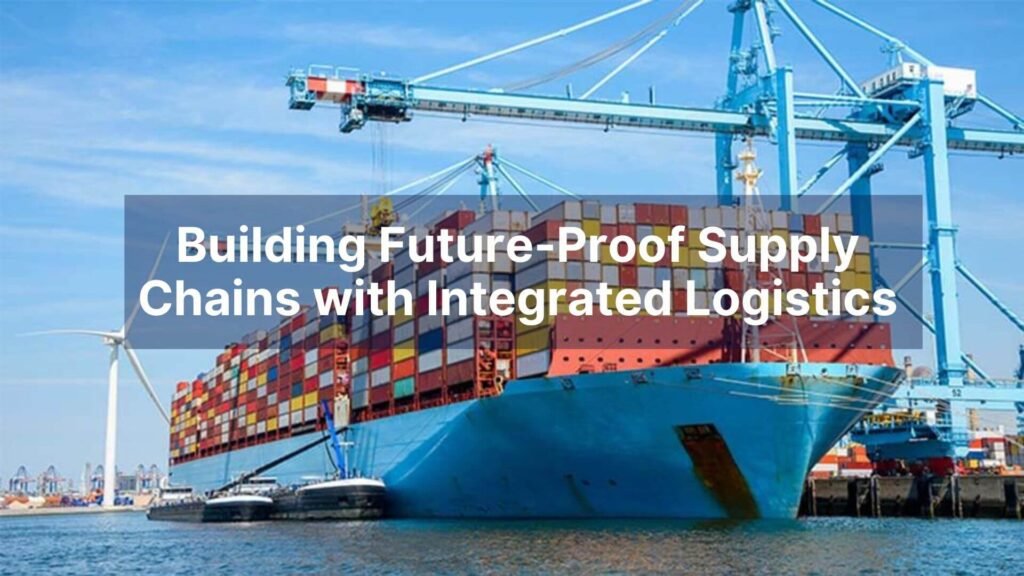
A resilient supply chain1 is crucial for importers navigating today's complexities. Adapting to disruptions, demand fluctuations, and policy changes is essential for continued success.
A future-proof supply chain2 is one that continues delivering reliably even when conditions change—port congestion, carrier rollovers, sudden demand spikes, or tariff and regulatory shifts. For U.S. importers, future-proofing means designing flexible routing3, stable compliance, and scalable fulfillment4 so service levels stay predictable while total landed cost5 remains controlled.
To build future-proof supply chain2s, we need to start by defining what “future-proof” means in the context of logistics. It’s about creating a structure that adapts and responds effectively to various disruptions and changes. Not having a future-proof supply chain2 can result in costly delays and operational inefficiencies. Importers must prioritize flexible routing3, compliance stability6, and scalable fulfillment4 models.
Define “future-proof” for importers by building a supply chain that stays resilient under disruptions, demand spikes, and policy changes?
A future-proof logistics strategy is essential for U.S. importers. It ensures that your supply chain can handle unexpected challenges and maintain delivery promises. As we know, disruptions can arise from various sources including geopolitical tensions7, natural disasters, or sudden regulatory changes. Being prepared means having a robust plan in place.
Future-proofing means designing flexible routing3, stable compliance, and scalable fulfillment4 so service levels stay predictable while total landed cost5 remains controlled.
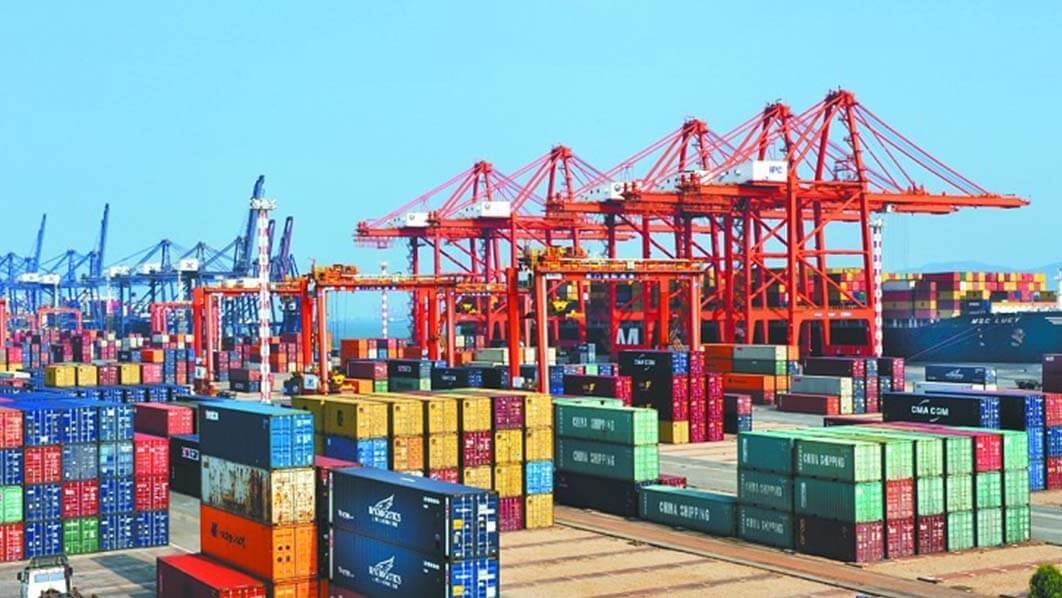
| Risk Type | What it looks like | Importer impact | Future-proof countermeasure |
|---|---|---|---|
| Disruption/War/Weather | Unexpected port closures | Delays in shipment | Alternative routing and supplier plans |
| Capacity Shocks | Limited space on vessels | Increased shipping costs | Use multiple carriers and ports |
| Rate Spikes | Unexpected increases in freight rates | Budget overruns | Contract options and long-term pricing |
| Customs Enforcement Changes | Unpredictable holds at customs | Delivery delays | Ensure compliance and documentation |
| Demand Volatility | Sudden spikes in customer demand | Stockouts or excess inventory | Flexible inventory management |
| Supplier Risk | Single-source supplier issues | Loss of product availability | Diversify suppliers |
Build integrated logistics8 from origin to U.S. delivery by connecting freight forwarding, customs brokerage, drayage, warehousing, and fulfillment into one operating model?
The integration of logistics is not just a fancy term—it's the backbone of a resilient supply chain1. By connecting various elements of the supply chain, importers can minimize delays and enhance efficiency.
Integrated logistics connects international transportation, customs clearance, inland delivery, warehousing, and fulfillment under one coordinated plan. Instead of separate vendors creating handoff delays, importers get one set of milestones, one exception workflow, and one performance system9. This reduces lead time variability, prevents documentation errors, and improves service reliability end-to-end.

- Supplier + PO readiness management
- Origin consolidation / CFS handling
- Freight mode + carrier strategy (air/ocean/rail)
- Customs compliance + entry filing
- Inland delivery (drayage/rail/truck)
- 3PL receiving + inventory placement
- Order fulfillment + last-mile
- Returns logistics + duty drawback opportunities (if applicable)
Supplier → Production Ready Date → Export Docs → Origin Pickup/CFS → Vessel/Air → Arrival Terminal → U.S. Customs Entry/Release → Drayage/Rail → 3PL Receiving/Putaway → Pick/Pack/Ship → Last-mile Carrier → Customer / DC
Reduce disruption risk with network diversification10 (ports, carriers, suppliers) and scenario planning that stress-tests routing, inventory, and lead times?
Disruption risk is a constant threat. To combat this, importers must diversify and plan for various scenarios.
Resilient supply chains avoid single points of failure. Importers can reduce disruption risk by diversifying ports of entry, carriers, and routing options, and by maintaining backup suppliers for critical SKUs. Scenario planning should stress-test lead times, inventory buffers, and alternate lanes so teams can switch routes without delaying delivery.
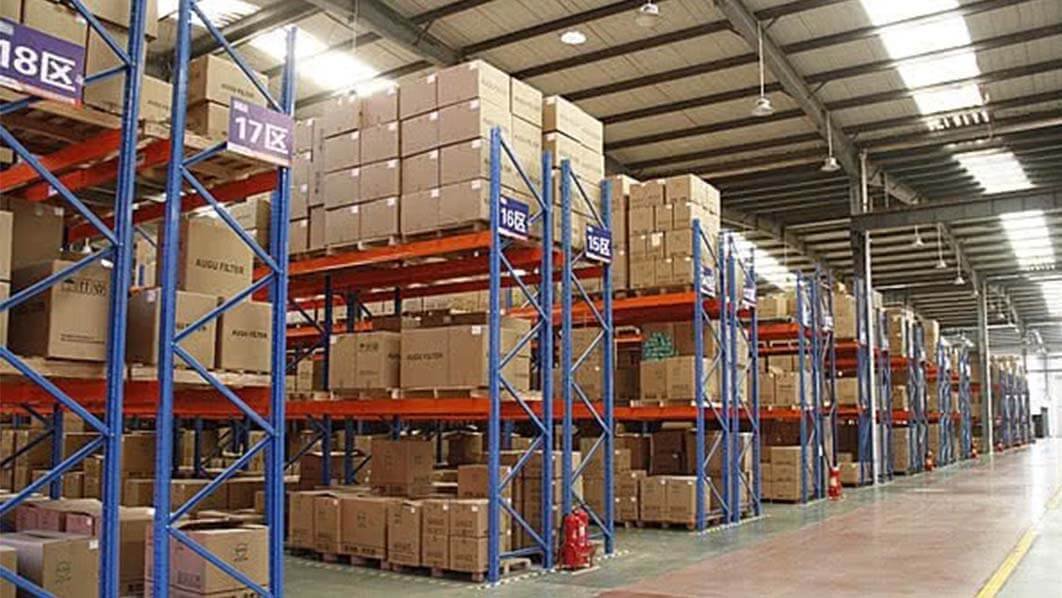
| Diversification area | Example | Benefit | Cost / tradeoff |
|---|---|---|---|
| Origin Ports | Different ports in China | Reduces risk of port closures | Higher shipping complexity |
| Destination Ports | Multiple U.S. ports | Flexibility in delivery | Potential cost increases |
| Carriers | Use various shipping lines | Reduces dependency | Managing multiple contracts |
| Mode Switching | Air to ocean if needed | Faster response to demand | Higher freight costs |
| Supplier Redundancy | Multiple suppliers for SKUs | Protection against supply failure | Requires more management |
| Inventory Buffer | Safety stock for high-demand | Avoids stockouts | Ties up working capital |
Disruption Readiness Checklist:
- Alternate port plan
- Alternate carrier plan
- Mode expedite trigger rules
- SKU criticality tiers
- Safety stock policy by SKU velocity
- Supplier compliance audit cadence
Use a control-tower visibility11 layer (milestones + alerts) to manage exceptions early and prevent delays from becoming stockouts or missed customer SLAs?
Visibility in logistics is crucial for staying ahead of potential delays.
Control-tower visibility reduces delays by turning shipments into trackable milestones with escalation rules. Instead of discovering problems at delivery, importers monitor ETD/ETA changes, port dwell, customs clearance status, and 3PL receiving queues in real time. Early alerts allow rerouting, appointment fixes, or inventory reallocation before service levels break.
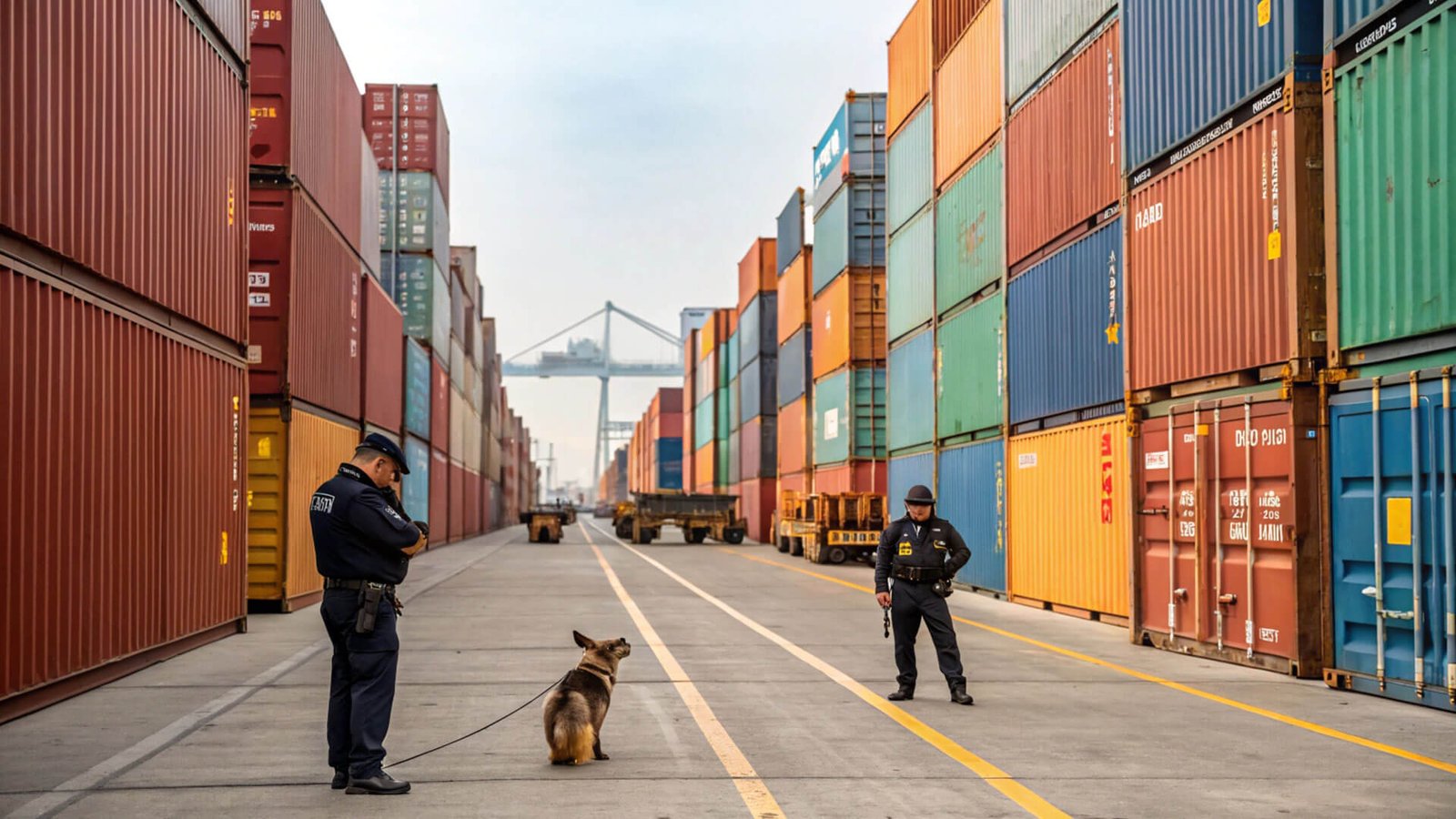
Milestones to track:
- Booking confirmed
- Container gated-in
- Vessel departed
- Transshipment (if any)
- Vessel arrived
- Discharge
- Customs entry filed
- Released
- Pickup appointment
- 3PL receiving complete
- Dock-to-stock
- Orders shipped
Exception Rules Examples:
- ETA slip > 2 days → notify replenishment team
- Port dwell > 72 hours → escalate drayage/terminal
- Customs hold → trigger document review + broker escalation
- 3PL receiving delay > 48 hours → prioritize inbound putaway
Future-proof compliance by standardizing classification, documentation accuracy, ISF/entry readiness, and partner-government requirements to avoid customs holds and exams?
Compliance is often an overlooked risk in logistics.
Compliance is one of the most common hidden causes of supply chain delays. Future-proof importers build standardized classification12 (HTS), accurate product descriptions, consistent invoice/packing list formats, and pre-arrival readiness for ISF and customs entry. This reduces exam risk, prevents holds, and stabilizes clearance timelines.
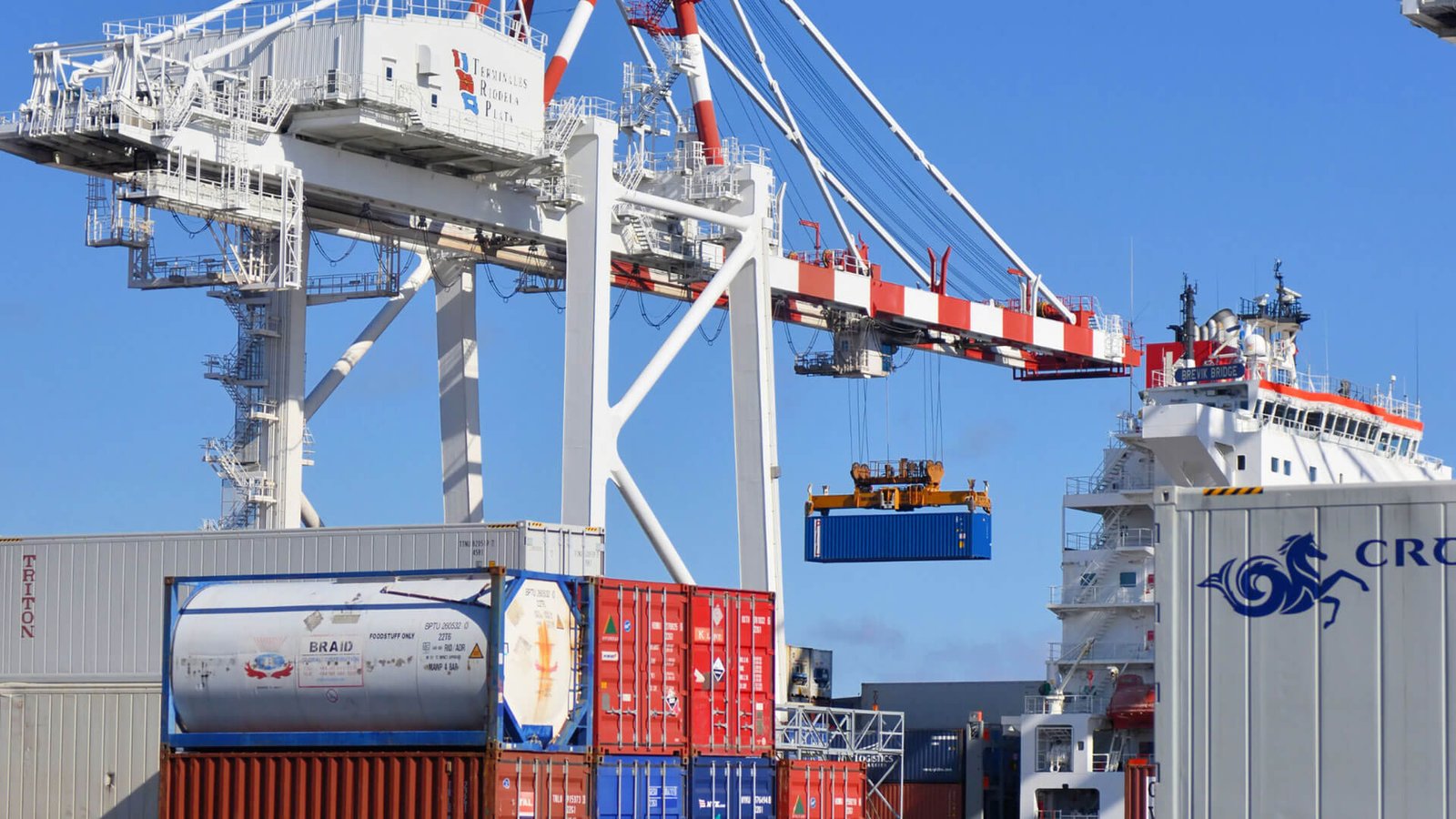
| Trigger | Risk | Delay impact | Preventive control |
|---|---|---|---|
| Vague descriptions | Customs holds | Increased clearance times | Standardized descriptions |
| Wrong HTS | Misclassification | Risk of fines | Regular HTS training for staff |
| Value mismatch | Delayed release | Increased costs | Double-check value consistency |
| Missing bond | Customs holds | Delivery delays | Ensure bond is active |
| ISF errors | Increased scrutiny | Risk of fines | Regular compliance audits |
| PGA requirements missing | Hold for inspection | Delays | Maintain updated compliance checklists |
| Labeling issues | Customs holds | Increased clearance times | Regular labeling compliance checks |
Clean Entry Checklist:
- HTS verified
- COO confirmed
- Values consistent
- Bond active
- ISF filed
- Entry packet ready
- PGA checks done
- Broker escalation path in place
Turn logistics into a performance system9 using importer KPIs (OTIF, dwell time, clearance speed, dock-to-stock, total landed cost5) with vendor scorecards13 and continuous improvement14?
Measurement is key to effective logistics management.
Future-proof supply chains run on measurement. Importers should track OTIF delivery, port dwell time, clearance cycle time, dock-to-stock time, and total landed cost5 by lane and supplier. Vendor scorecards ensure forwarders, carriers, brokers, and 3PLs meet service expectations, while continuous improvement14 reduces recurring delays.
| KPI | Target | Why it matters | What fixes it |
|---|---|---|---|
| OTIF | >95% | Customer satisfaction | Improve process efficiency |
| ETA Accuracy | >90% | Planning and forecasting | Better communication with carriers |
| Port Dwell | <24 hours | Cost efficiency | Optimize drayage scheduling |
| Exam Rate | <2% | Compliance control | Streamline documentation |
| Clearance Time | <48 hours | Stable import flow | Pre-arrival document checks |
| Drayage Appointment Success | >95% | Improved service reliability | Regular appointment management |
| 3PL Receiving Time | <24 hours | Quick inventory turnover | Improve coordination with 3PLs |
| Dock-to-Stock | <48 hours | Inventory accuracy | Optimize putaway processes |
| Order Cycle Time | <7 days | Customer satisfaction | Streamline order processing |
| Claims Rate | <1% | Cost control | Thorough damage checks |
| Total Landed Cost Variance | <5% | Budget control | Regular cost monitoring |
Integrated Logistics Vendor Scorecard:
- Forwarder: Schedule reliability, documentation accuracy, milestone updates
- Broker: Clearance speed, entry accuracy, hold resolution
- Drayage: Pickup success %, dwell reduction, appointment performance
- 3PL: Receiving time, inventory accuracy, cut-off compliance
- Last-mile: On-time delivery, damage rate, exceptions closure time
Conclusion
To stay competitive, U.S. importers must fortify their supply chains with integrated logistics8 solutions. I encourage you to request an integrated lane review, a customs compliance readiness audit, or an inventory placement and 3PL optimization plan to enhance your supply chain resilience.
Understanding resilient supply chains helps importers navigate complexities and maintain efficiency. ↩
Learn how to design a supply chain that adapts to changes and maintains reliability. ↩
Explore how flexible routing can help maintain service levels and control costs. ↩
Discover how scalable fulfillment models can handle demand spikes effectively. ↩
Understanding total landed cost helps in budget control and cost efficiency. ↩
Ensuring compliance stability can prevent costly delays and operational inefficiencies. ↩
Understanding the impact of geopolitical tensions can help in planning robust supply chains. ↩
Integrated logistics minimizes delays and enhances supply chain efficiency. ↩
A performance system tracks key metrics to ensure continuous improvement. ↩
Diversifying networks can prevent single points of failure and enhance resilience. ↩
Control-tower visibility helps manage exceptions early and prevent delays. ↩
Standardized classification reduces exam risk and stabilizes clearance timelines. ↩
Vendor scorecards ensure service expectations are met and improve reliability. ↩
Continuous improvement reduces recurring delays and enhances efficiency. ↩