The first paragraph grabs attention: Are you looking to save on import costs1 and gain better control over your inventory? Bonded warehousing might just be the solution you need.
A bonded warehouse is a CBP-authorized facility2 where imported goods can be stored without paying duties or taxes upfront. Duties are only paid when goods are formally released into U.S. commerce. For importers, this delays cash outlay while maintaining control over inventory3 and distribution timing.
The benefits of bonded warehousing4 are clear, but many importers are still on the fence. Understanding how it works and what it can do for you is crucial before making a decision.
A bonded warehouse allows imported goods to be stored without paying duties or taxes until the goods enter U.S. commerce?
The first paragraph grabs attention: Have you ever wished for a way to postpone paying duties on your imported goods? A bonded warehouse can make that wish a reality.
A bonded warehouse is a secure facility authorized by U.S. Customs and Border Protection (CBP) where you can store imported goods without upfront payment of duties or taxes. This allows importers to manage cash flow more effectively while maintaining control over their inventory.
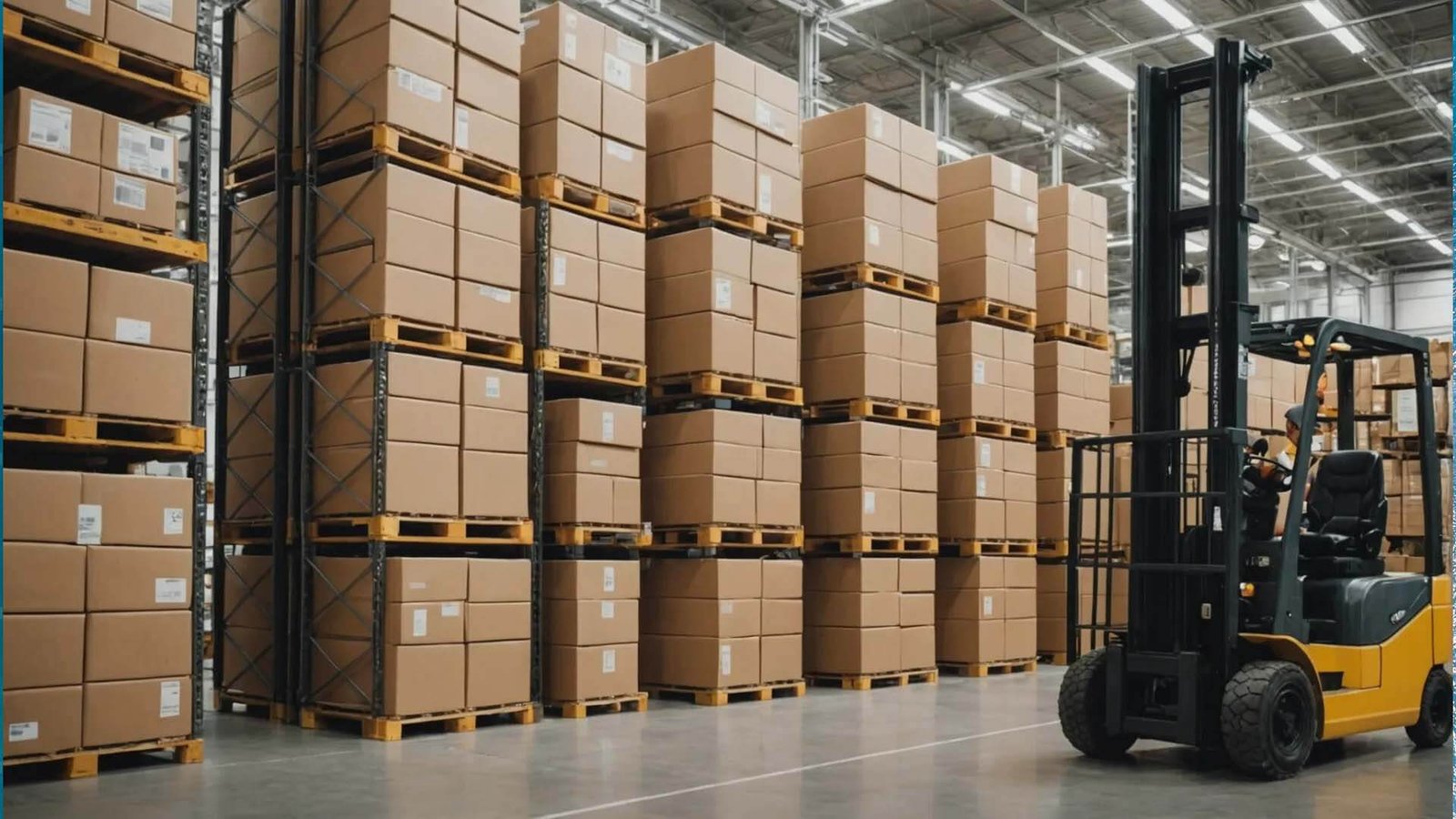
When you place your goods in a bonded warehouse, you don’t have to pay duties until those goods are released into U.S. commerce. This can be a game changer for businesses looking to manage their finances better. You can hold onto your capital longer, thus improving your overall cash flow.
Bonded warehousing reduces import costs1 by deferring, minimizing, or eliminating duties depending on how goods are released or re-exported?
The first paragraph grabs attention: Imagine being able to reduce import costs1 while maintaining flexibility in your supply chain. Bonded warehousing can help you achieve this.
Bonded warehouses offer significant cost savings by allowing importers to defer or minimize duty payments. You can choose to partially release goods, or if you decide not to sell them in the U.S., you can re-export them duty-free, which eliminates the burden of upfront duty costs.
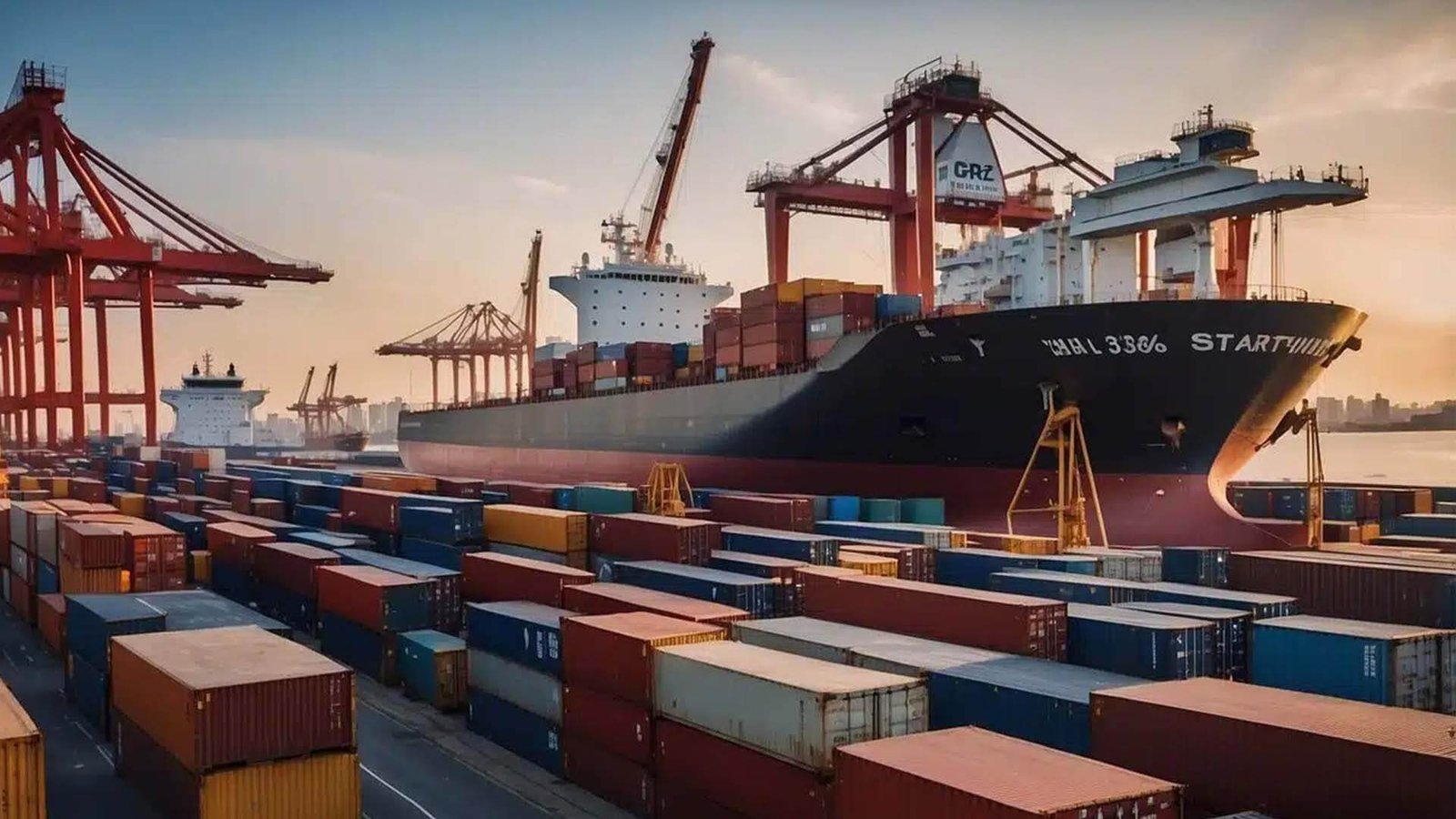
Bonded warehouses are particularly useful in managing tariff exposure and enhancing cash flow. By staging your inventory in a bonded warehouse, you can selectively release only what you need to sell. This way, you avoid paying duties on unsold inventory, allowing you to maintain a healthier bottom line. The ability to adjust your inventory based on market conditions further enhances your operational flexibility.
Bonded warehouses are most effective for tariff exposure management5, inventory staging6, and uncertain demand forecasting?
The first paragraph grabs attention: Are you concerned about high tariffs and uncertain demand affecting your business? Bonded warehousing may be the answer.
Bonded warehouses are particularly beneficial during times of high tariffs or when demand for products is unpredictable. By deferring duty payments, importers can strategically manage inventory levels and avoid financial setbacks. This means you can focus on selling rather than worrying about upfront costs.
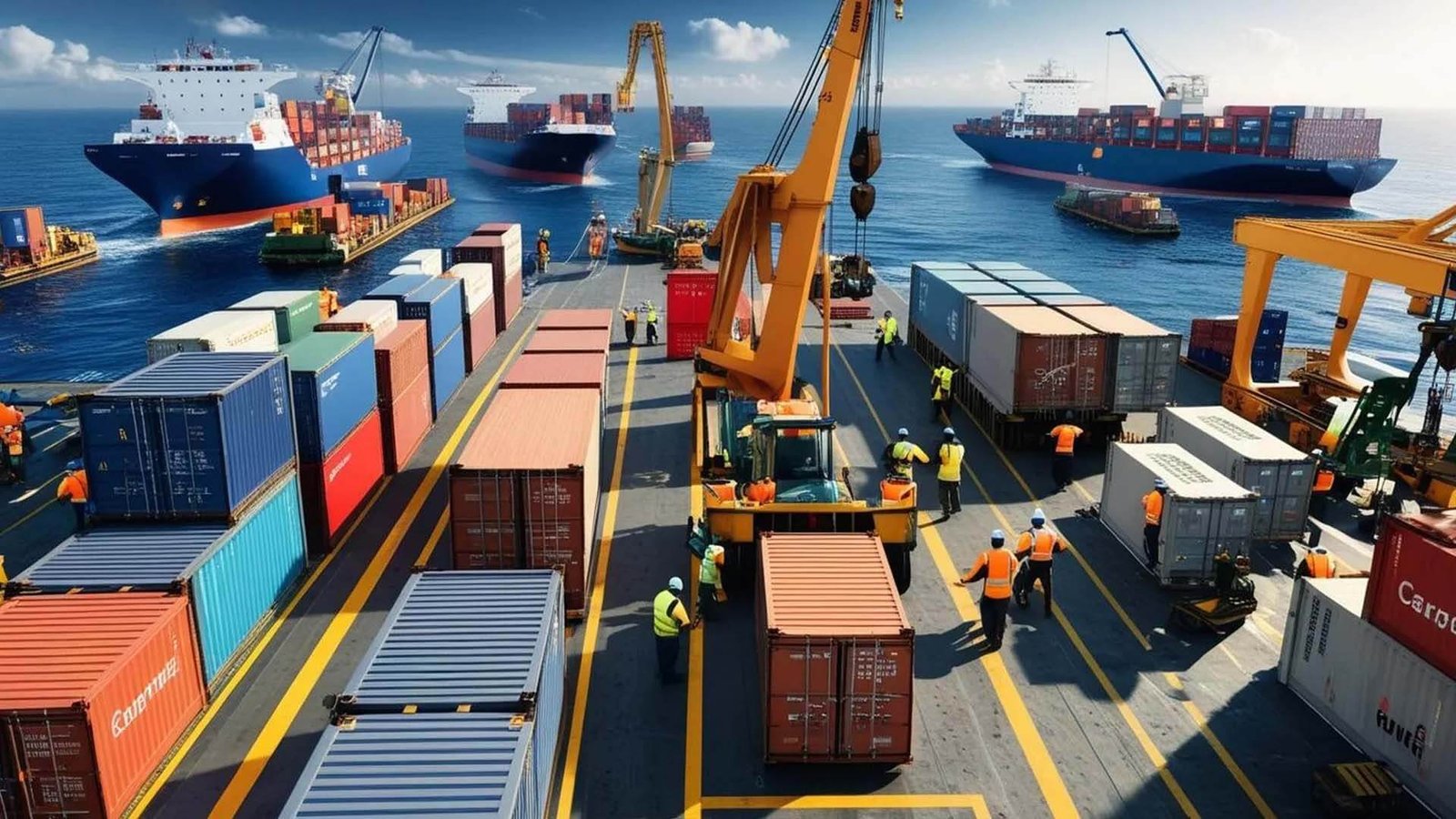
When tariffs fluctuate, your ability to adapt can be the key to success. With bonded warehousing4, you can hold inventory close to your target market without the pressure of immediate duty payments. You can also re-export excess goods if they don’t sell, turning a potentially burdensome situation into a manageable variable. This flexibility is invaluable for importers navigating a volatile market.
Using a bonded warehouse requires strict customs controls, recordkeeping, and compliance oversight7 by U.S. Customs and Border Protection?
The first paragraph grabs attention: Do you know that compliance is crucial when using bonded warehouses? Understanding the rules can save you from costly mistakes.
Bonded warehouses are subject to rigorous oversight by U.S. Customs and Border Protection (CBP). Importers must adhere to strict regulations regarding inventory tracking, reporting, and compliance management. This oversight ensures that the benefits of bonded warehousing4 do not come with unexpected penalties.
Navigating the compliance landscape can be daunting, but it’s essential for reaping the rewards of bonded warehousing4. Accurate record-keeping and adherence to CBP guidelines help you avoid fines and ensure that your business remains in good standing. The savings from deferred duties can only be realized if compliance is managed properly.
Importers that integrate bonded warehousing4 into their freight and customs strategy gain greater cash-flow flexibility8 and risk control9?
The first paragraph grabs attention: Are you ready to take control of your cash flow and minimize risks in your supply chain? Bonded warehousing can help.
Integrating bonded warehousing4 into your overall freight and customs strategy enhances your cash-flow management and reduces risks associated with fluctuating tariffs. By aligning arrival timing, storage, and release schedules, importers can respond more adeptly to market changes without the burden of early duty payments.
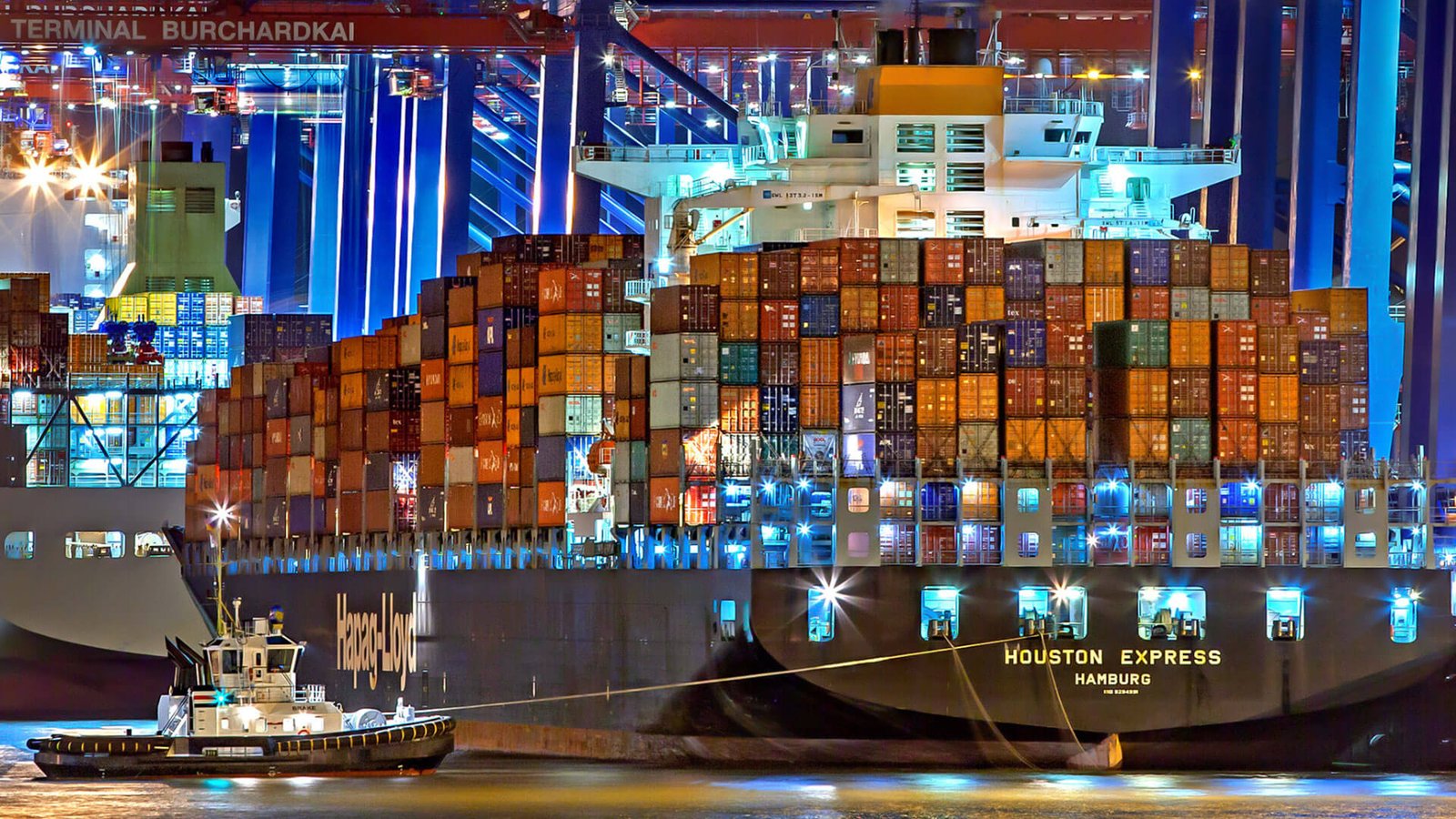
When you combine bonded warehousing4 with your overall logistics strategy, you create a more flexible and responsive supply chain. This integration allows you to optimize costs and minimize risks. You can manage arrival schedules to ensure that only the necessary inventory is stored, which in turn reduces duty payments. The strategic use of bonded warehousing4 thus enhances your ability to manage your supply chain efficiently.
📊 Bonded Warehouse vs FTZ vs Non-Bonded Warehouse – Comparison Table
| Feature | Bonded Warehouse | Foreign Trade Zone (FTZ)10 | Non-Bonded Warehouse |
|---|---|---|---|
| Duties and taxes deferred | Until release | Deferred or reduced through manufacturing | Paid immediately at import |
| Goods may be re-exported duty-free | Yes | Yes | No |
| Strict CBP oversight and reporting | Yes | Higher setup and compliance complexity | Simplest compliance structure |
Importer Insight: Bonded warehouses offer faster deployment and lower complexity than FTZs for most tariff-driven cost-control needs.
🔁 Arrival → Bonded Storage → Partial Release11 → Duty Outcome Workflow12
- Cargo Arrival: Goods arrive at U.S. port
- Transfer to Bonded Warehouse: Cargo moves under bond
- Bonded Storage Period: Duties and taxes deferred
- Partial or Full Release: Only needed inventory enters U.S. commerce
- Duty Assessment: Duties paid only on released goods
- Final Delivery or Re-Export: Unsold goods may exit duty-free
Conclusion
Bonded warehousing can significantly reduce import costs1 and enhance cash flow, making it an invaluable tool for importers.
Discover how bonded warehousing can help you defer or minimize duty payments, reducing overall import costs. ↩
Learn about the role of CBP-authorized facilities in bonded warehousing to ensure compliance and maximize benefits. ↩
Explore how bonded warehousing allows you to manage inventory release and distribution timing effectively. ↩
Understanding bonded warehousing can help you save on import costs and manage inventory more effectively. ↩
Understand how bonded warehousing can protect your business from fluctuating tariffs. ↩
Discover how inventory staging in bonded warehousing can enhance your supply chain flexibility. ↩
Ensure you meet compliance requirements to avoid penalties and fully benefit from bonded warehousing. ↩
Learn how integrating bonded warehousing into your strategy can improve cash-flow management. ↩
Explore how bonded warehousing can help you manage risks associated with fluctuating tariffs. ↩
Compare bonded warehouses and FTZs to choose the best option for your tariff-driven cost-control needs. ↩
Understand how Partial Release in bonded warehousing can optimize your duty payments. ↩
Learn about the Duty Outcome Workflow to effectively manage your bonded warehousing process. ↩