Struggling with high upfront import duties tying up your cash? This financial pressure can halt growth. Using a bonded warehouse strategy1 defers these costs, freeing up capital for your business.
Bonded goods are imported products stored in a secure, U.S. Customs-supervised warehouse2 before duties and taxes are paid. This status allows you to defer duty payment3 until you withdraw the goods for sale in the U.S., giving you powerful control over your cash flow.
This sounds simple, but the details are what make the difference between saving money and creating a costly headache. As a customs broker and freight forwarder, I've seen importers use this strategy to grow their business and others make mistakes that hurt their bottom line. It's a financial tool, and like any tool, you need to know how to use it correctly. Let's break down exactly how it works, when to use it, and how to make the right decision for your imports from China.
What Bonded Goods Are and How Bonded Status Changes When You Pay Duties and Taxes?
You see the term "bonded," but you are not sure what it legally means for your goods. This uncertainty can lead to compliance errors and unexpected bills from Customs. Let's clarify the process.
Bonded goods are imports held under a Customs bond, meaning duties are deferred. The goods are not legally "entered" into U.S. commerce. Their status only changes when you file for withdrawal and pay the duties, releasing them for sale and consumption in the United States.
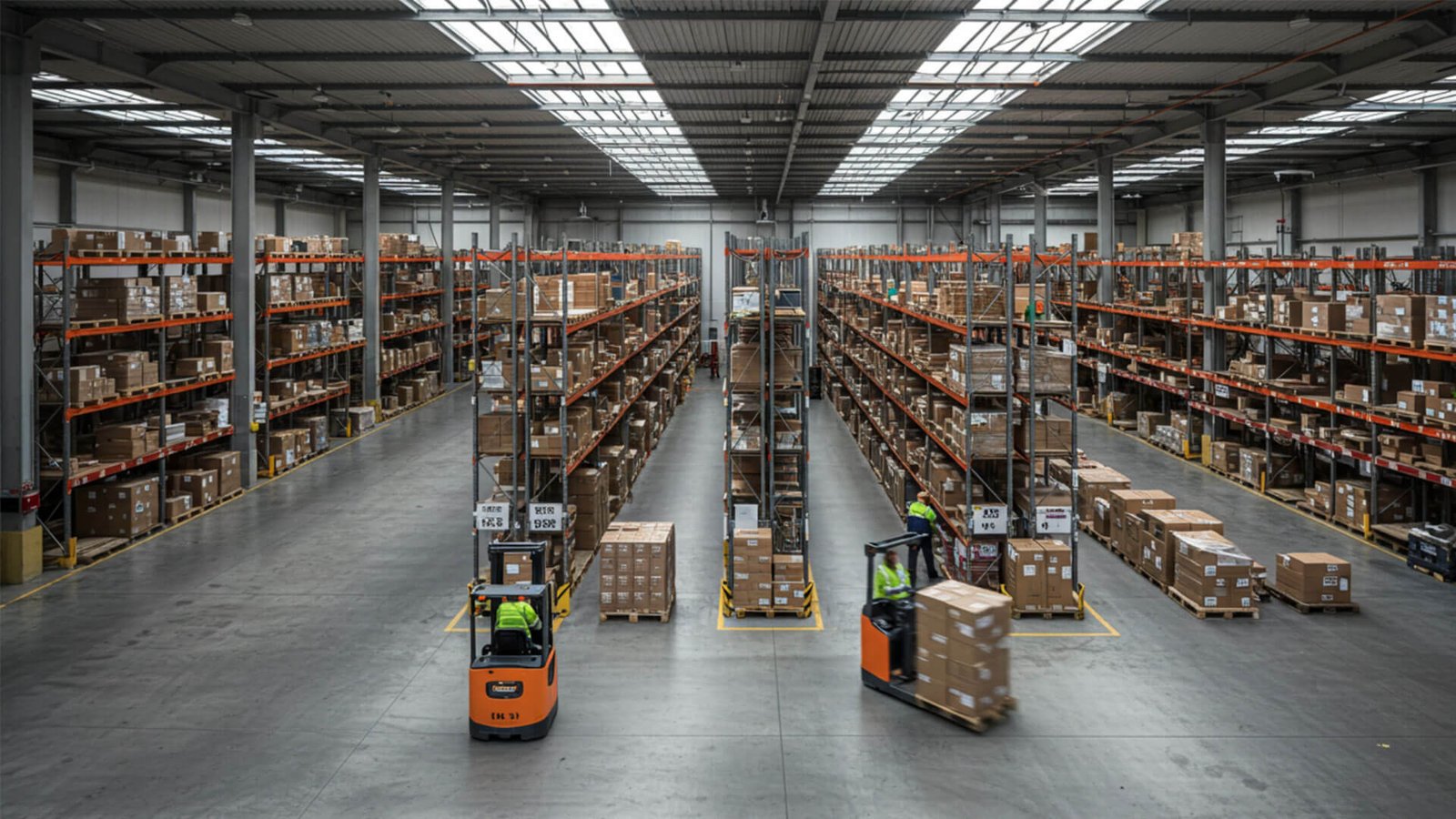
When your container arrives at a U.S. port, your goods are "unentered." You have two main choices. You can file a consumption entry, pay all estimated duties and taxes immediately, and take possession of your products. Or, you can move them "in-bond" to a bonded warehouse. This second option is where the magic happens for cash flow. "Under bond" means your products are physically in the U.S. but legally are still in the custody of U.S. Customs and Border Protection (CBP). The bond itself is an insurance policy we help you secure. It guarantees to CBP that you will eventually pay the duties owed.
One critical point I always stress to my clients is about liability. I once had a client, Mark, who assumed the bonded warehouse was responsible for the duties. I had to explain that the liability always remains with the Importer of Record (IOR)4—that's you. The warehouse stores the goods, but you are ultimately responsible for the duties, taxes, and compliance until the goods are officially entered.
How Bonded Warehouses Work and Why Importers Use Them Instead of Clearing Goods Immediately?
Paying duties on ten containers at once is a huge cash expense. This can drain your operating capital before you have even made a single sale. A bonded warehouse acts as a financial buffer.
Bonded warehouses are CBP-regulated facilities5 that let you store, manipulate, or sort goods without paying immediate duties. Importers use them to align large import volumes with gradual market demand, turning a massive upfront duty bill into smaller, manageable payments that match their sales cycle.

A bonded warehouse is not just any storage space. It's a facility that is approved and monitored by CBP, falling into different classes depending on its function. For most importers, you'll be using a "Class 3" or "Class 8" public bonded warehouse. Within these facilities, CBP dictates what you can and cannot do. You can store goods, of course. But you can also perform simple manipulations. For example, we help clients who need to relabel products to meet U.S. regulations or repackage bulk items into smaller retail units. You can do this inside the bonded warehouse before paying duties.
The most powerful feature is the control it gives you. The standard time limit for storing goods in a bonded warehouse is five years. This is a very generous window. Duties are only triggered when you decide to pull some products out. You file a "withdrawal for consumption6" entry with CBP for only the items you need. I have a client who imports seasonal home decor from China. They bring in 15 containers in August but only withdraw one or two at a time as they get orders from big-box retailers. This prevents them from paying duties on products that might not sell until November. It completely changes their financial planning for the better.
How Bonded Goods Can Reduce Cash Flow Pressure, Duty Exposure, and Inventory Risk?
Unpredictable demand and high tariffs create huge financial uncertainty. You could pay thousands in duties on goods that end up sitting in your warehouse for months, unsold. Bonded storage directly attacks these risks.
Using bonded goods allows you to match your duty payments directly to your sales revenue, not your shipping schedule. This deferral protects your cash, reduces the financial sting of slow-moving inventory, and provides a buffer against tariff volatility7, turning risk into manageable cost.

The core benefit is aligning expenses with revenue. Instead of a huge cash outlay on arrival, you pay duties as you sell. This is a game-changer. Let me share a few real-world examples I've handled.
Case Study 1: The Smart Electronics Importer (Success)
A client in Los Angeles imports high-value consumer electronics from China. Section 301 tariffs8 meant their duty rate was over 25%. With uncertain holiday demand, paying that upfront on ten containers was a multimillion-dollar risk. We structured a bonded entry. The goods were stored in a bonded warehouse near LA. As they secured orders from retailers, they withdrew and paid duties on a few pallets at a time. Result: Their cash flow was protected, they avoided expensive financing, and they only paid duties on products they knew were sold.
Case Study 2: The Home Goods Importer (Failure)
Another client importing home goods to New Jersey decided to clear all their inventory immediately to "get it over with." They paid over $200,000 in duties and taxes. Unfortunately, a market shift slowed demand for their products. Result: Their cash was trapped in duties paid for inventory that sat for nine months. This strain forced them to delay their next production run, hurting their business.
Case Study 3: The Industrial Parts Importer (Success)
We worked with a Houston-based company importing tariff-sensitive industrial components for a large construction project. The project timeline was fluid. We planned a DDP shipment9 directly into a bonded warehouse. Result: They could defer duty payment3s until each specific project phase required the components. This gave them a predictable, manageable landed cost and insulated them from tariff payment until the last possible moment.
Common Misconceptions About Bonded Goods, Including Tariffs, Time Limits, and Storage Costs?
There are many myths about bonded warehouses floating around. Believing these myths can lead you into a trap of unexpected costs and compliance penalties. Let's bust these myths right now.
The biggest misconception is that bonded warehouses eliminate tariffs; they do not. They only defer the payment. You must also account for higher storage costs and a firm 5-year time limit. Ignoring these facts can make a bonded strategy more expensive than immediate clearance.
Let me be perfectly clear: bonded warehouses defer, not eliminate, duties and tariffs. You will still pay the same tariff rate that is in effect on the day you withdraw your goods for consumption. The benefit is timing, not avoidance. Another point I see importers miss is the cost. Bonded storage is almost always more expensive than standard warehousing. This is due to the high security, strict compliance, and administrative work required to operate one. You are paying a premium for the cash flow flexibility. You must also remember to insure your goods; the warehouse's liability is limited, and you, the Importer of Record, are responsible for loss or damage.
Finally, the five-year time limit is not a suggestion. It is a hard deadline. If goods are not withdrawn, exported, or destroyed by the five-year mark, CBP considers them abandoned. They can be seized and sold at auction, and you could still be on the hook for the duties. Proper inventory management10 is not optional.
Bonded vs. Non-Bonded Cost Comparison
| Factor | Bonded Goods | Non-Bonded Goods |
|---|---|---|
| Duty Payment Timing | Deferred until withdrawal | Immediate upon arrival |
| Cash Flow Impact | Lower upfront cost | High upfront cost |
| Inventory Flexibility | High (release as needed) | Low (all goods cleared at once) |
| Tariff Exposure | Controlled (paid at withdrawal) | Immediate |
| Storage Cost | Higher (premium service) | Lower (standard rates) |
| Compliance Oversight | CBP-controlled | Standard import entry |
| Best For | Uncertain demand, high duties | Fast turnover, low duties |
How U.S. Importers Decide When Bonded Goods and Bonded Warehousing Make Financial Sense?
So, is a bonded strategy the right move for your business? Making the wrong choice could cost you more in storage fees than you save from deferring duties. Let's walk through a simple decision framework.
A bonded strategy makes financial sense when high duty rates11, uncertain product demand, and the need for cash flow preservation12 align. It is a cost-benefit calculation: the savings from duty deferral must outweigh the higher storage and administrative costs.
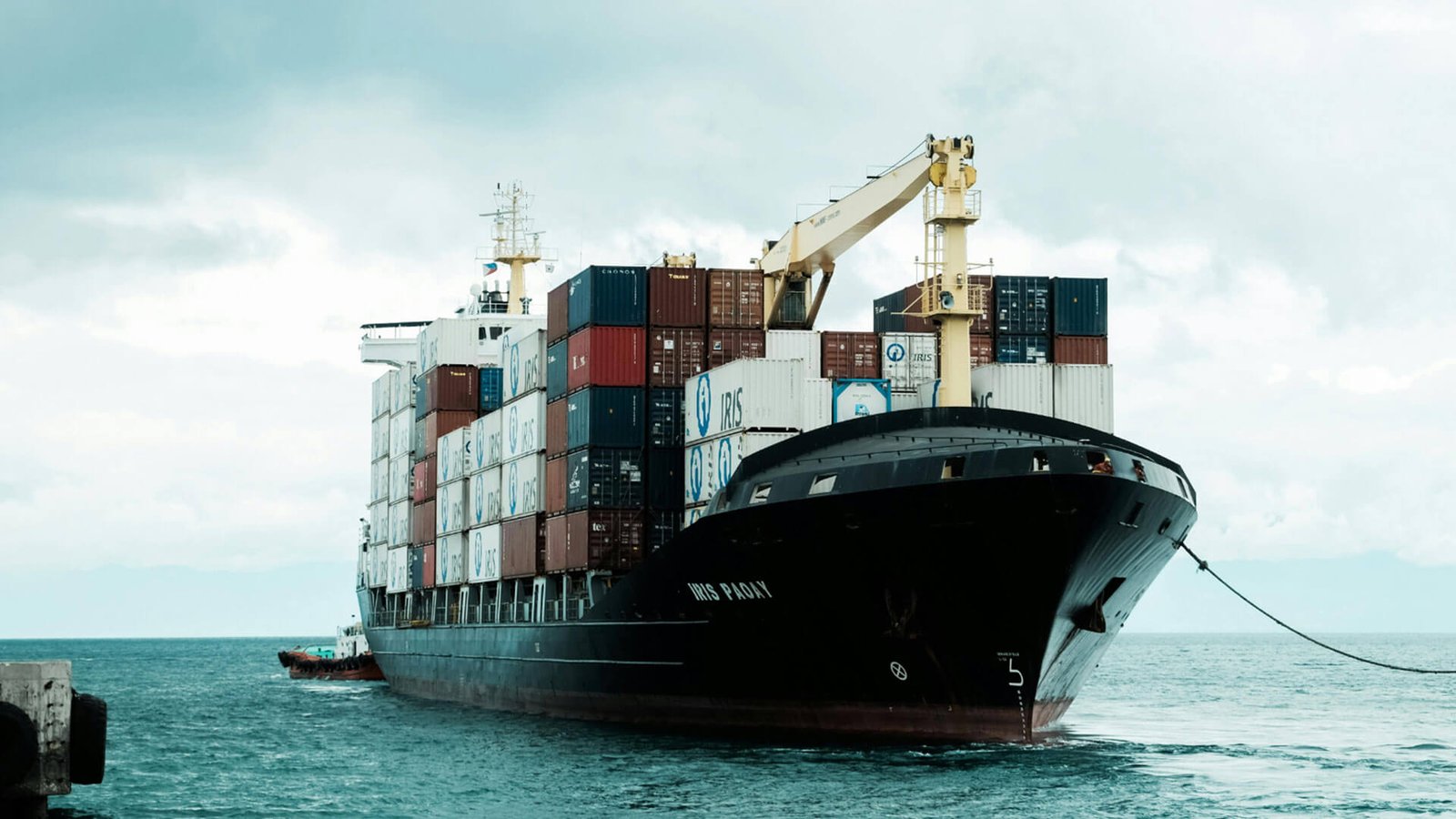
The core logic is a simple question: Will the financial benefit of improved cash flow be greater than the extra costs of using a bonded warehouse? If your products have very low duty rates or you sell through your entire inventory in 30 days, the extra expense is likely not worth it. But if you face high tariffs (like Section 301 tariffs8 on goods from China) and your inventory might sit for 6-12 months, the calculation changes dramatically. This is a financial decision, not just a logistics one. It's also different from a Foreign-Trade Zone (FTZ)13, which is designed for manufacturing and major transformations, not just storage.
As a DDP service provider, we can integrate this strategy seamlessly. We can manage the shipment from the factory in China, the customs bond14, the transportation to the bonded warehouse, and all the compliance paperwork. This gives you a single, clear plan to optimize your landed cost. To help you decide, use this checklist.
"Should You Use Bonded Goods?" Importer Decision Checklist
| Question | If Yes → Bonded Makes Sense |
|---|---|
| Are your duties or tariffs high (e.g., >10%)? | Yes, the cash flow benefit is larger. |
| Is demand for your product uncertain or seasonal? | Yes, it prevents paying duty on unsold goods. |
| Do you need to release inventory gradually to customers? | Yes, you can match withdrawals to orders. |
| Is preserving cash flow more critical than minimizing storage cost? | Yes, you're paying for flexibility. |
| Are your goods sensitive to tariff changes? | Yes, it gives you time to react. |
| Can you manage the inventory and compliance tracking15? | If no, this strategy carries significant risk. |
| Do you have a customs broker to manage the process? | If no, you should rethink the strategy. |
Conclusion
Bonded goods save you money by changing when you pay duties, not what you pay. The greatest benefit is cash flow control, which gives you capital to run and grow your business.
Understanding the bonded warehouse strategy can help you defer import duties, freeing up capital for business growth. ↩
Learn how a U.S. Customs-supervised warehouse can provide secure storage for imports, deferring duty payments. ↩
Deferring duty payments can improve cash flow, allowing businesses to allocate resources more effectively. ↩
Understanding the responsibilities of the Importer of Record can prevent compliance errors and unexpected costs. ↩
CBP-regulated facilities ensure compliance and security for stored goods, crucial for importers using bonded warehouses. ↩
Understanding this process allows importers to manage duty payments aligned with sales cycles. ↩
Bonded goods help manage tariff risks, aligning duty payments with actual sales revenue. ↩
Section 301 tariffs can significantly impact duty rates, making bonded strategies more appealing. ↩
DDP shipments streamline the import process, integrating bonded strategies for cost optimization. ↩
Proper inventory management prevents costly penalties and ensures compliance with CBP regulations. ↩
High duty rates make bonded strategies more attractive by deferring payments and preserving cash flow. ↩
Preserving cash flow allows importers to manage financial risks and invest in growth opportunities. ↩
Understanding the differences between FTZs and bonded warehouses helps in choosing the right strategy. ↩
A customs bond guarantees duty payments, essential for securing goods in bonded warehouses. ↩
Effective compliance tracking ensures adherence to regulations, avoiding penalties and financial losses. ↩