Worried about hidden shipping fees1? They can quickly eat into your profits. Understanding charges like the bobtail fee2 is the first step to controlling your budget and protecting your bottom line.
A bobtail fee2 is a charge for a truck operating without its trailer attached. This often happens when a driver drops off one trailer and must travel to a new location to pick up another. Importers often pay this fee to cover the driver's time, fuel, and vehicle wear for that unproductive trip.

I've seen so many U.S. importers get surprised by this fee on their invoices. It seems small on its own, but it can add up significantly, especially if you're moving a lot of containers. It's one of those details that can make or break a budget. Let's break down what this fee really means for your shipments from China to the USA, so you are never caught off guard again. Understanding these details is what separates a good import strategy from a great one.
What Is a Bobtail Fee and How Does It Truly Affect Your Shipping Costs?
Shipping quotes seem straightforward, but then extra fees appear. This uncertainty makes budgeting for your imports a real headache. Let's clarify one common charge so you can plan with confidence.
A bobtail fee2 is a charge applied when a truck operates without a trailer. This fee compensates the carrier for the costs on an unproductive leg of a journey. It directly increases your total shipping costs, so you must account for it when calculating your final freight price.

When you import a container, a truck picks it up from the port. After delivering it to your warehouse, that truck is now empty. Sometimes, the driver has to travel a significant distance without a trailer to get their next load. This is "bobtailing." The trucking company isn't making money during this part of the trip, but they still have expenses.
Breaking Down the Costs
The bobtail fee2 is meant to cover these real-world expenses:
- Driver's Wages3: The driver is still on the clock and needs to be paid for their time.
- Fuel: A semi-truck uses a lot of fuel, even without a trailer.
- Wear and Tear: Every mile driven adds to the truck's maintenance needs.
I always tell my clients, like Mark, to think of it this way: if your delivery location is far from the next pickup spot, a bobtail fee2 is more likely. It’s a direct cost added to your freight bill. For example, a $100 bobtail fee2 on a $1,000 trucking move is a 10% increase in cost. It's our job as your logistics partner to anticipate this and make it clear from the start.
Why Does Understanding Bobtailing in the Trucking Industry Matter for Importers?
You're focused on your products, not on learning complex trucking terms. But ignoring terms like "bobtailing" can lead to unexpected bills. Knowing the basics helps you protect your bottom line.
Bobtailing means a truck is driving without a trailer. For importers, this is important because it represents inefficiency in the supply chain4. This inefficiency often translates directly into extra costs, like bobtail fee2s, which you might have to pay, impacting your overall import expenses.
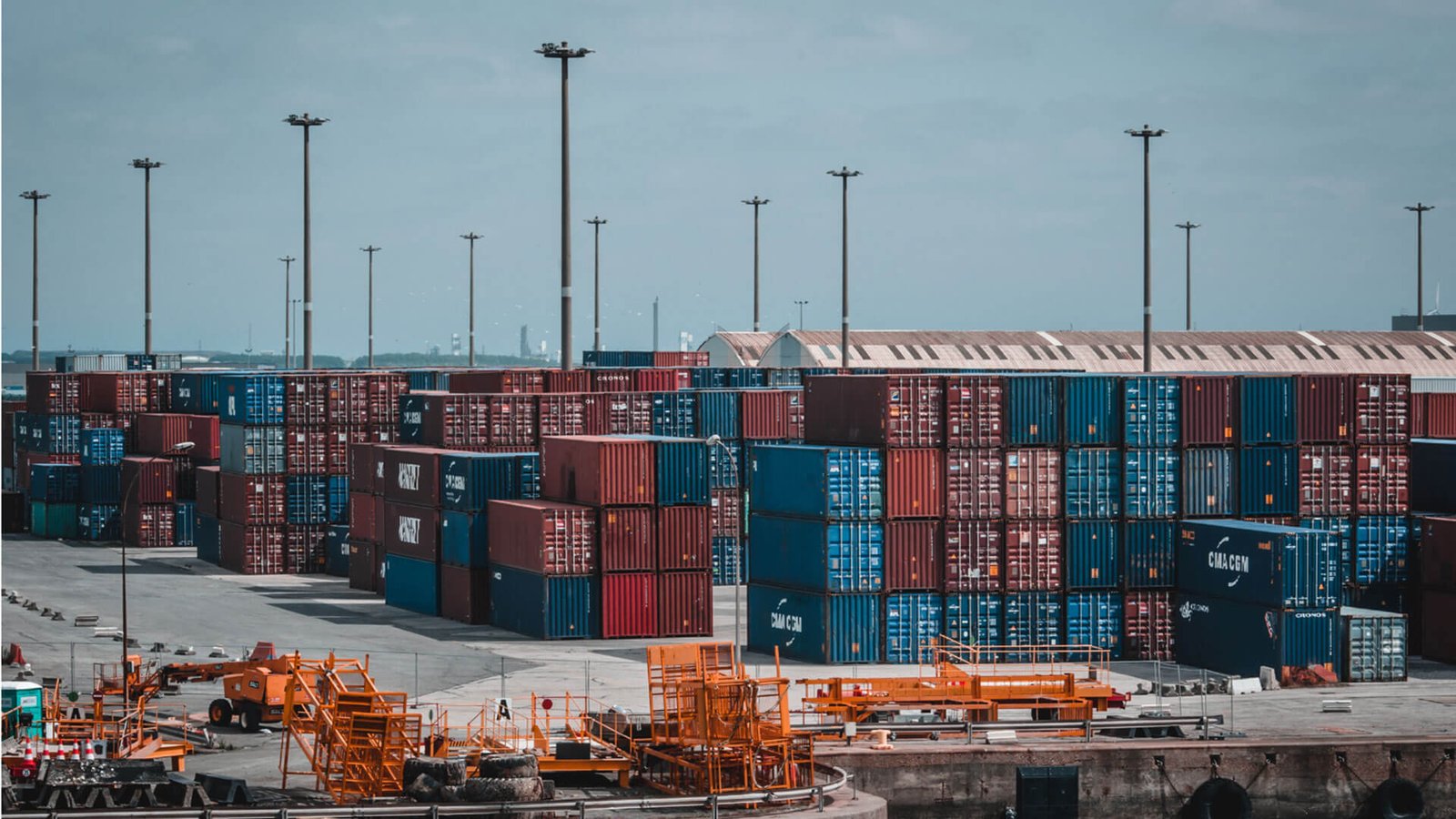
Let's walk through a typical scenario for a container arriving in the U.S. The process isn't always as simple as picking up and dropping off. There are several moving parts where inefficiency can creep in, and that's where bobtailing becomes a factor you need to be aware of.
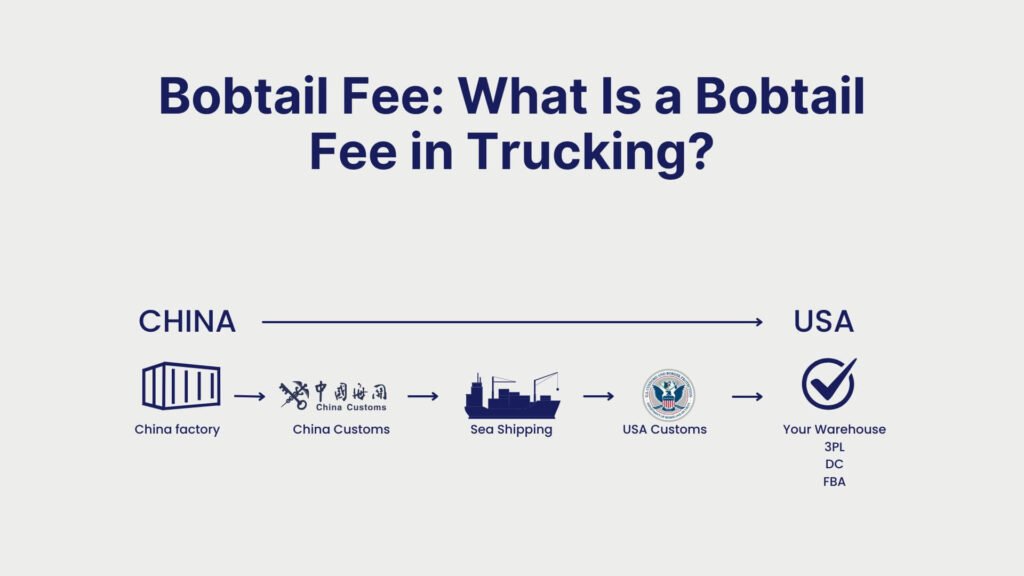
The Journey of Your Container
- Port Arrival: Your container is offloaded from the vessel at the port.
- Truck Dispatch: We dispatch a truck to pick up your container. The driver pulls your container, which is on a chassis (the wheeled frame), from the port terminal.
- Delivery: The driver transports the container to your specified warehouse or distribution center.
- The Empty Return5: After your team unloads the container, the driver now has an empty container on a chassis. They must return this empty container to the port or a designated container yard.
- The Bobtail Leg: After dropping the empty container, the truck is now just a tractor unit. The driver might have to drive 50 miles to a different terminal or yard to pick up their next load. That 50-mile trip is the "bobtail" portion.
Understanding this process matters because it helps you ask the right questions. You can ask your logistics provider, "Is a potential bobtail fee2 included in this quote?" This simple question shows you are a savvy importer and forces transparency.
How Are Bobtail Fees Calculated and Who Really Pays for Them?
You see a "bobtail fee2" on your final invoice, but you have no idea how it was calculated. Not knowing the formula or who is responsible makes you feel powerless. Let's break down the math.
Bobtail fees are usually calculated based on distance (per mile) or as a flat rate for the non-revenue trip. In most logistics agreements, the shipper or importer who booked the freight is responsible for this cost. It's crucial to clarify this in your carrier agreement beforehand.
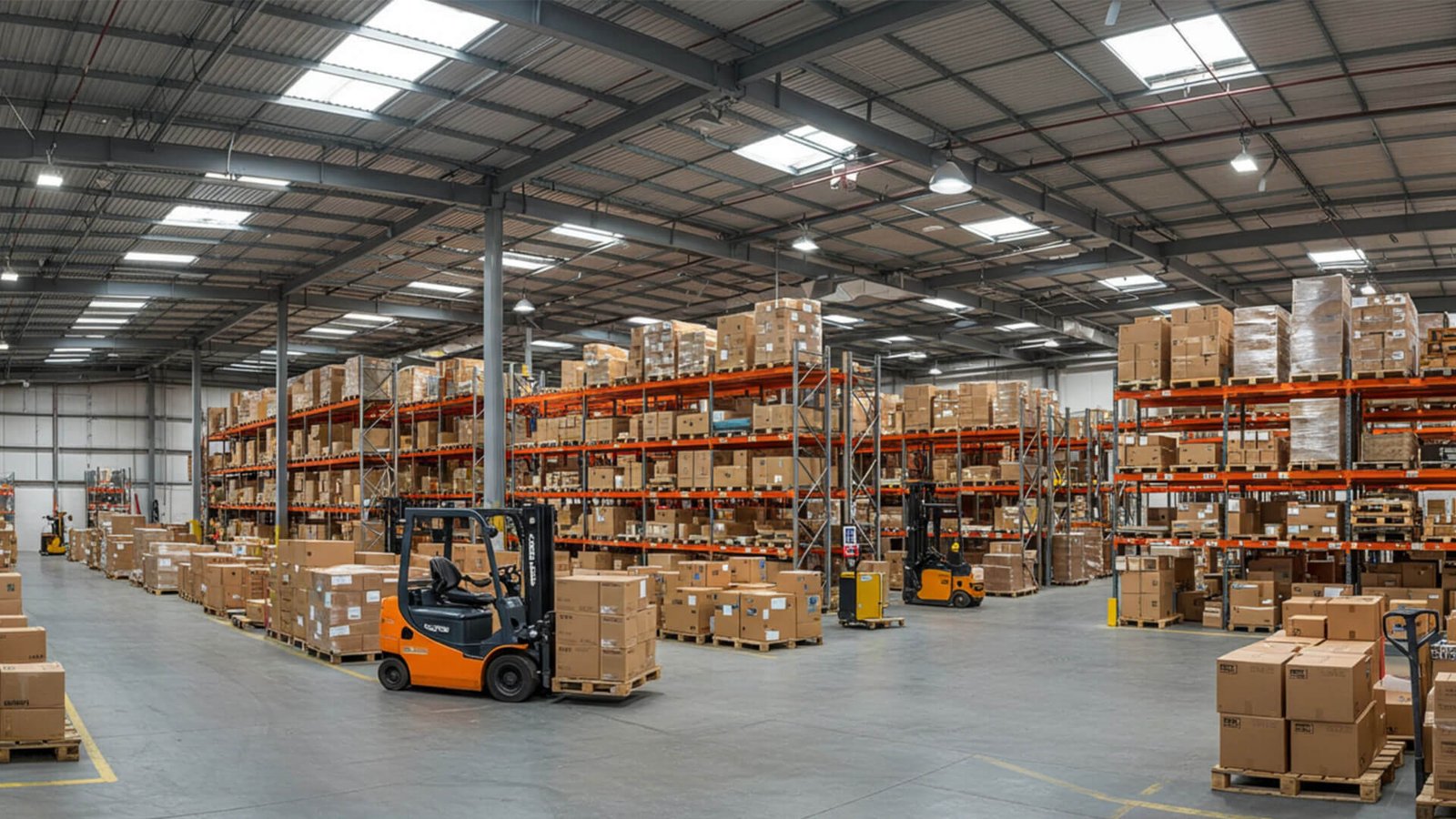
The person who pays is almost always the one whose freight created the empty trip in the first place: you, the importer. That's why it's so important to understand how the fee is calculated so you can budget for it. There is no single industry standard, but most trucking companies use one of a few common methods.
Common Calculation Methods
| Calculation Method | Description | Typical Cost |
|---|---|---|
| Per-Mile Rate6 | The most common method. The fee is based on the number of miles the truck travels without a trailer. | $1.00 - $2.50 per mile |
| Flat Fee7 | A set charge for any bobtail trip within a certain radius (e.g., within 50 miles of the port). | $75 - $150 per trip |
| Hourly Rate8 | Less common for bobtailing itself, but can be applied if a driver has to wait for instructions. | $50 - $100 per hour |
When I work with a new client, I make it a point to review the carrier's full tariff sheet with them. We look for all the potential accessorial charges, including bobtail fee2s. By getting this information upfront, we can choose carriers with fair and transparent pricing. There are no surprises, and the client maintains control over their budget.
How Do Bobtail Fees Impact Trucking Efficiency and Your Delivery Times?
You need your goods on time to meet customer demand and keep your business running smoothly. But inefficient truck movements can cause delays. These inefficiencies not only cost money but also your valuable time.
Bobtailing is inherently inefficient because the truck isn't moving freight and generating revenue. This can lead to delays as drivers spend time on empty runs. For importers, this means your container might wait longer for pickup, potentially pushing back your entire delivery schedule.
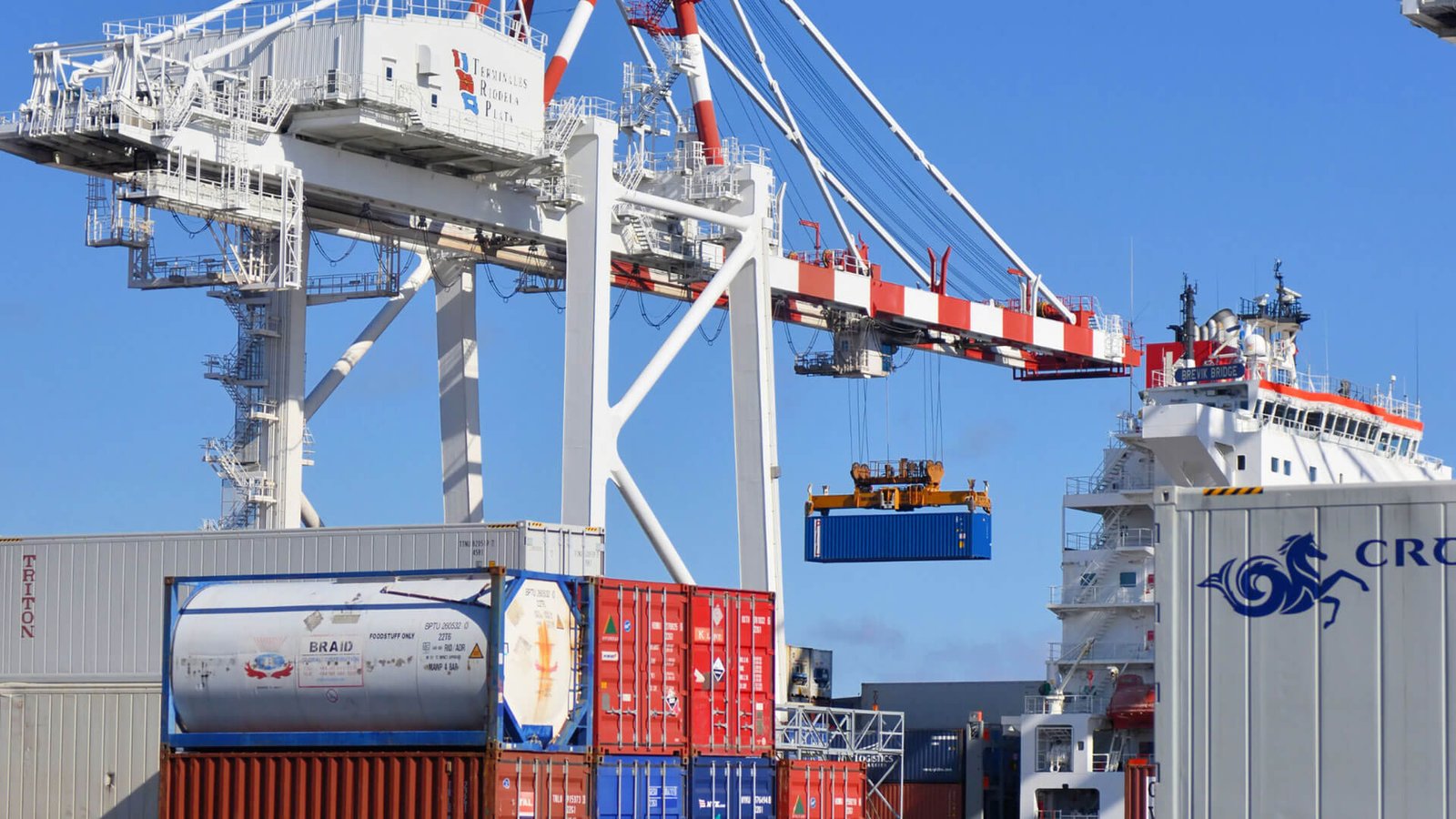
Think of the trucking capacity in a region like a finite resource. There are only so many trucks and drivers available on any given day. When a truck is bobtailing, it's temporarily out of service for moving actual cargo.
The Ripple Effect of Inefficiency
- Reduced Truck Availability9: If a driver has to spend two hours bobtailing to their next pickup, that's two hours they are not available to pick up another container from the port. When this happens across hundreds of trucks, it creates a shortage.
- Longer Wait Times10: During peak season, this reduced availability can mean your container sits at the port for an extra day waiting for a truck. This can lead to storage fees (demurrage) at the terminal.
- Unpredictable Schedules: This inefficiency makes scheduling difficult. A carrier might not be able to give you a firm pickup appointment if they don't know how long their driver's previous bobtail leg will take.
As your logistics partner, we work to mitigate this. We use a network of trusted carriers and plan routes intelligently to minimize these empty miles. By ensuring a truck that drops off a container for one client can pick up another one nearby, we keep trucks moving efficiently. This leads to more reliable pickup times and faster deliveries for you.
How Can You Minimize Bobtail Fees and Optimize Your Freight Costs?
No one likes paying extra fees. As a business owner, you want to cut costs wherever possible. Ignoring bobtail fee2s means you are leaving money on the table. Let's look at practical ways to save.
You can minimize bobtail fee2s by working with logistics partners who have strong carrier networks and practice smart load planning. Consolidating shipments and ensuring clear communication about pickup and drop-off locations can also significantly reduce the need for trucks to travel empty.
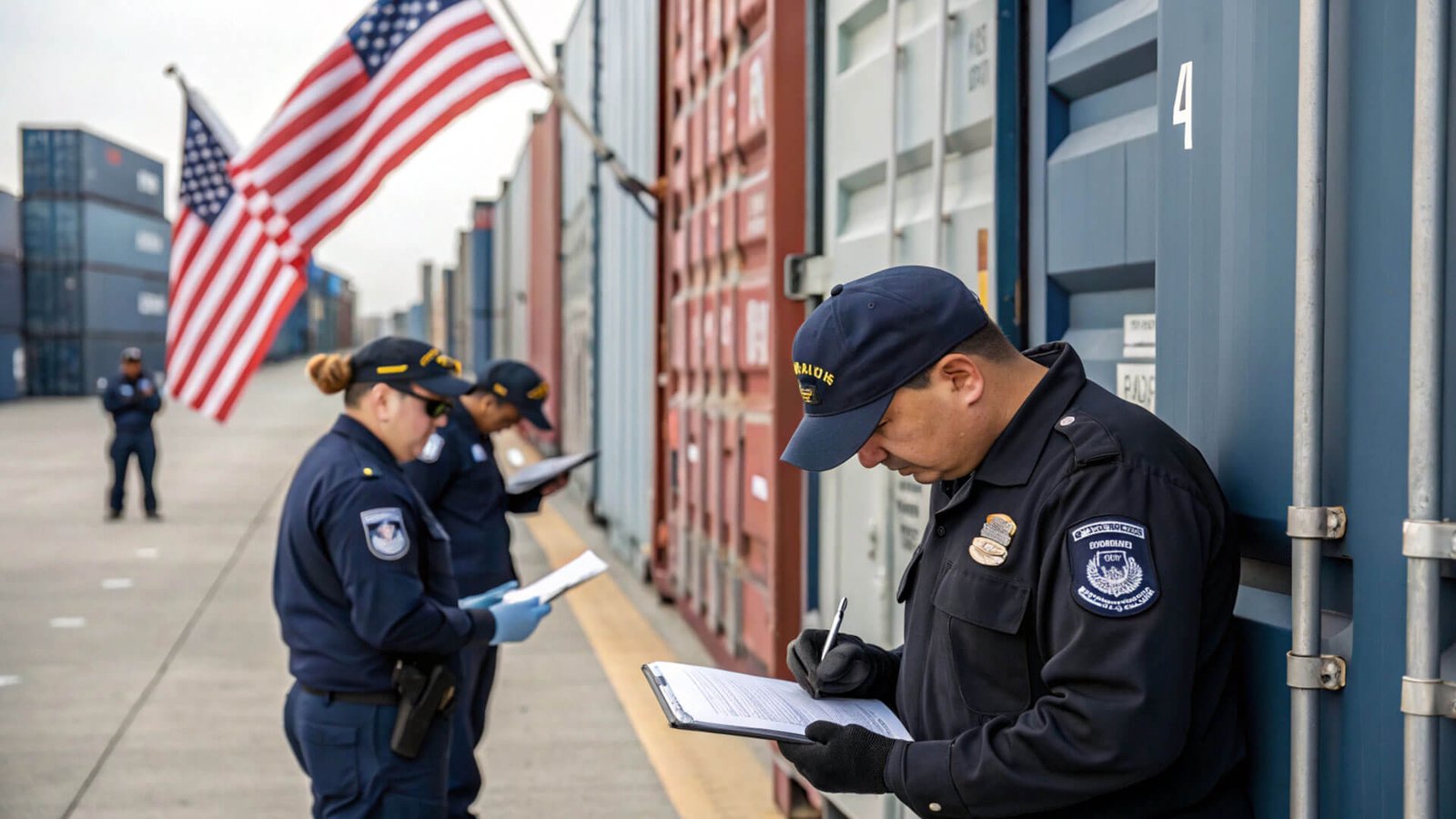
You have more control over these costs than you might think. It comes down to smart planning and working with the right partner. I've helped countless importers reduce their trucking expenses by focusing on a few key strategies.
Actionable Steps to Reduce Bobtail Fees
- Work With a Knowledgeable Broker: This is the most important step. An experienced broker or freight forwarder like us has relationships with many carriers. We know which carriers have strong networks in the areas you deliver to, which dramatically reduces the chances of a long, costly bobtail trip.
- Explore "Street Turns11": A street turn is a fantastic way to improve efficiency. It's when a driver drops your import container at your warehouse and, instead of returning it empty to the port, drives it directly to a nearby exporter to be loaded with new cargo. This eliminates two empty trips and can often save both you and the exporter money. We actively look for these opportunities for our clients.
- Provide Clear Instructions12: Ensure your warehouse is ready for the truck's arrival and can unload it quickly. Clear communication about ready times and locations prevents wasted trips, where a driver shows up and has to leave empty-handed, potentially leading to other fees.
Ultimately, optimization is about partnership. When you give us all the details of your shipment, we can use our expertise to build the most efficient plan possible, saving you money on bobtail fee2s and other charges.
How Do Bobtail Fees Compare Across Freight Companies and Impact Your Shipments?
You get multiple trucking quotes, but they are hard to compare. A low base rate from one company might hide high extra fees. Choosing the wrong carrier based on price alone can cost you more in the end.
Bobtail fees vary widely between freight companies. Some may charge a high per-mile rate, while others use a flat fee or even bundle it into other charges. It is vital to ask for a detailed breakdown of all potential accessorial charges before you book your shipment.
I always advise my clients to look beyond the initial line-haul rate. The total cost is what matters. A carrier might tempt you with a rate that's $50 cheaper, but then surprise you with a $150 bobtail fee2 that another, more transparent carrier would have disclosed upfront.
Comparing Carrier Fee Structures13
| Carrier Type | Typical Bobtail Fee Structure | What You Should Watch For |
|---|---|---|
| Large National Carriers | Standardized, often higher per-mile rates. Their policies are usually rigid. | Less flexibility for negotiation. The fee is what it is. |
| Regional/Local Carriers14 | More variable. They might offer a lower flat fee for local moves. | Policies can be inconsistent. You need to verify the fee on every single shipment. |
| Freight Brokers15 (like us) | We negotiate and clarify these fees for you. We present the "all-in" cost. | Ensure the broker is transparent. We pride ourselves on showing you everything upfront. |
The key takeaway is that you need to compare apples to apples. When we provide a quote, we either include a potential bobtail fee2 based on the location or we state clearly what the carrier's policy is. Our goal is to help you understand the total landed cost of your goods, which includes all transportation and customs fees. This comprehensive approach protects your budget and builds the trust we value with our clients.
Conclusion
Understanding and questioning bobtail fee2s is key to managing your shipping budget. Work with a transparent partner to minimize these costs and protect your profits on every single shipment.
Understanding hidden shipping fees can help you avoid unexpected costs and better manage your shipping budget. ↩
Learning about bobtail fees can help you anticipate and budget for these costs in your shipping expenses. ↩
Knowing how driver's wages affect costs can help you understand the breakdown of shipping fees. ↩
Understanding supply chain inefficiencies can help you identify areas to improve and reduce costs. ↩
Knowing about the empty return can help you understand why certain fees are charged and how to minimize them. ↩
Understanding the per-mile rate can help you budget for bobtail fees more accurately. ↩
Learning about flat fees can help you understand different pricing structures for bobtail trips. ↩
Understanding the hourly rate can help you see how time impacts trucking costs. ↩
Knowing about truck availability can help you plan for potential delays in your shipping schedule. ↩
Understanding wait times can help you improve efficiency and reduce delays in your shipping process. ↩
Learning about street turns can help you find ways to reduce empty trips and save on shipping costs. ↩
Providing clear instructions can help prevent wasted trips and reduce additional fees. ↩
Understanding carrier fee structures can help you choose the best option for your shipping needs. ↩
Understanding local carrier fees can help you find cost-effective options for your shipping needs. ↩
Working with freight brokers can provide clarity and potentially lower your shipping costs. ↩