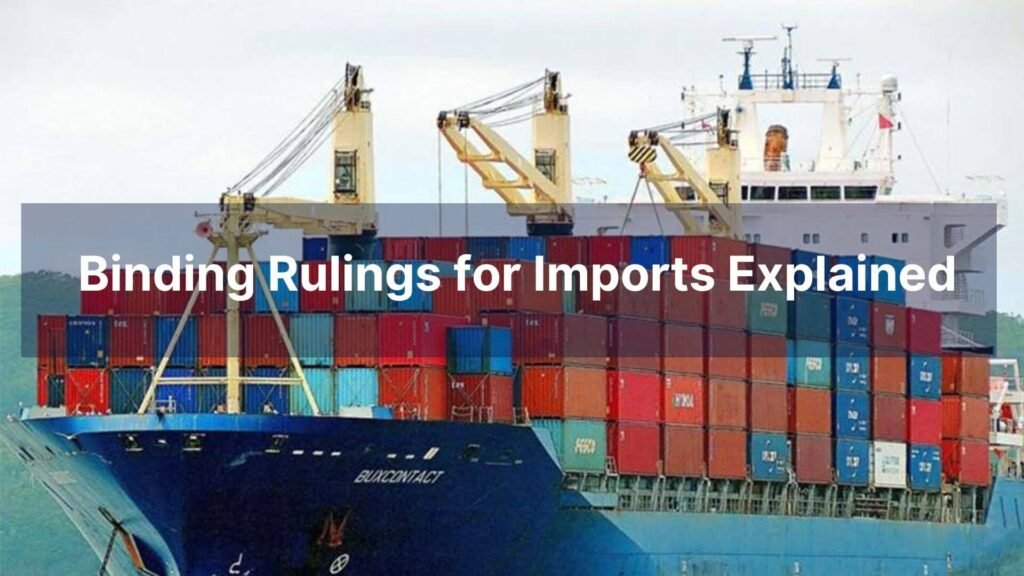
The first paragraph, which uses PAS formula to grab the reader's attention (max 30 words). Navigating U.S. customs1 can be challenging. Binding rulings2 provide clarity, reducing uncertainty about classification and duties3 that can lead to costly disputes.
second paragraph at the beginning, answering the question posed by the title, this paragraph must be HELPFUL to the reader and will be used later to compete for Google's Featured Snippets. (max 50 words) A CBP binding ruling4 is an official written decision that determines how U.S. Customs will treat a specific product for classification, valuation, or origin purposes. It provides legal certainty5, ensuring future entries of the same goods are processed consistently, reducing risk of duty disputes and reclassification.

The paragraph that begins and ends with a paragraph that will keep the customer from reading further. Binding rulings2 are essential for importers6. Without them, the risk of misclassification7, unexpected duties8, and compliance penalties9 can significantly impact business operations. Understanding the ins and outs of these rulings can save you from costly errors and ensure smoother transactions.
What a CBP Binding Ruling Is and How It Provides Legal Certainty for Import Classification and Treatment?
The first paragraph, which uses the PAS strategy to grab the reader's attention (max 30 words). Many importers6 feel anxious about U.S. Customs regulations. A binding ruling can alleviate these fears by providing clear and definitive guidance on classification and treatment.
The second paragraph, which answers the question posed by the headline, is the paragraph that will be used later to compete for Google's Featured Snippets. (max 50 words) A CBP binding ruling4 is an official decision that clarifies how U.S. Customs will classify and treat specific products. This legal certainty5 helps streamline operations and minimizes disputes related to duties and classifications.

Based on the secondary headings, continue to extend and go deeper, can use critical thinking, to break down the question, to help the reader understand more deeply, need to use the tertiary headings, and Markdown formatting tables to express the ideas in a more structured way. (around 150 words) A binding ruling serves several crucial purposes for importers6:
| Benefit | Importer Impact |
|---|---|
| Legal clarity | Predictable duties |
| Consistent treatment | Fewer entry disputes |
| Risk reduction | Lower penalty exposure |
When a product is identified, a ruling is issued, and that ruling applies to future entries. This structured approach ensures that importers6 have legal backing, further mitigating the risk of unexpected costs or reclassification by CBP.
Types of Binding Rulings Importers Use Including Classification, Valuation, and Country of Origin?
The first paragraph, which uses the PAS strategy to grab the reader's attention (max 30 words). Understanding the types of binding rulings is critical for importers6. Each type addresses unique compliance needs and potential risks.
The second paragraph, which answers the question posed by the headline, is the paragraph that will be used later to compete for Google's Featured Snippets. (max 50 words) Importers request binding rulings for tariff classification10, customs valuation methods11, and country of origin determinations12. Each type addresses different compliance risks and directly affects duty rates13, trade program eligibility14, and labeling requirements15.

Based on the secondary headings, continue to extend and go deeper, can use critical thinking, to break down the question, to help the reader understand more deeply, need to use the tertiary headings, and Markdown formatting tables to express the ideas in a more structured way. (around 150 words) Importers typically request three main types of binding rulings:
| Ruling Type | Purpose |
|---|---|
| Classification | Determines the HTS code |
| Valuation | Confirms the customs value method |
| Origin | Establishes the country of origin |
These rulings directly influence duty rates13, eligibility for trade programs, and compliance with labeling requirements15. By understanding which type of ruling is necessary for their specific products, importers6 can better manage their compliance risks and avoid surprises down the line.
When Importers Should Request a Binding Ruling to Avoid Duty Disputes, Delays, and Penalties?
The first paragraph, which uses the PAS strategy to grab the reader's attention (max 30 words). Avoiding costly mistakes is paramount for importers6. Knowing when to request a binding ruling can significantly reduce risks and ensure compliance.
The second paragraph, which answers the question posed by the headline, is the paragraph that will be used later to compete for Google's Featured Snippets. (max 50 words) Rulings are advisable for complex, new, or high-duty products, goods with unclear classification, or when origin or valuation is uncertain. Early rulings prevent post-entry corrections16 and reduce the likelihood of CBP challenges17.
Based on the secondary headings, continue to extend and go deeper, can use critical thinking, to break down the question, to help the reader understand more deeply, need to use the tertiary headings, and Markdown formatting tables to express the ideas in a more structured way. (around 150 words) It’s critical for importers6 to know when to request a binding ruling. Here are some situations:
| Situation | Why a Ruling Helps |
|---|---|
| New product line | Classification uncertainty |
| High duty exposure | Cost certainty |
| Multi-component goods | Complex classification |
| Origin-sensitive goods | FTA eligibility clarity |
By proactively seeking rulings in these scenarios, importers6 can avoid delays, reduce exposure to CBP challenges17, and ultimately save money on duties and compliance issues.
How the Binding Ruling Request Process Works From Submission to CBP Decision?
The first paragraph, which uses the PAS strategy to grab the reader's attention (max 30 words). The process for obtaining a binding ruling can be intimidating. However, understanding the steps can ease the burden and ensure a smooth experience.
The second paragraph, which answers the question posed by the headline, is the paragraph that will be used later to compete for Google's Featured Snippets. (max 50 words). The ruling process involves submitting product details, specifications, and supporting documents to CBP. CBP reviews the request, may ask follow-up questions, and then issues a written decision that applies to future shipments of identical goods.
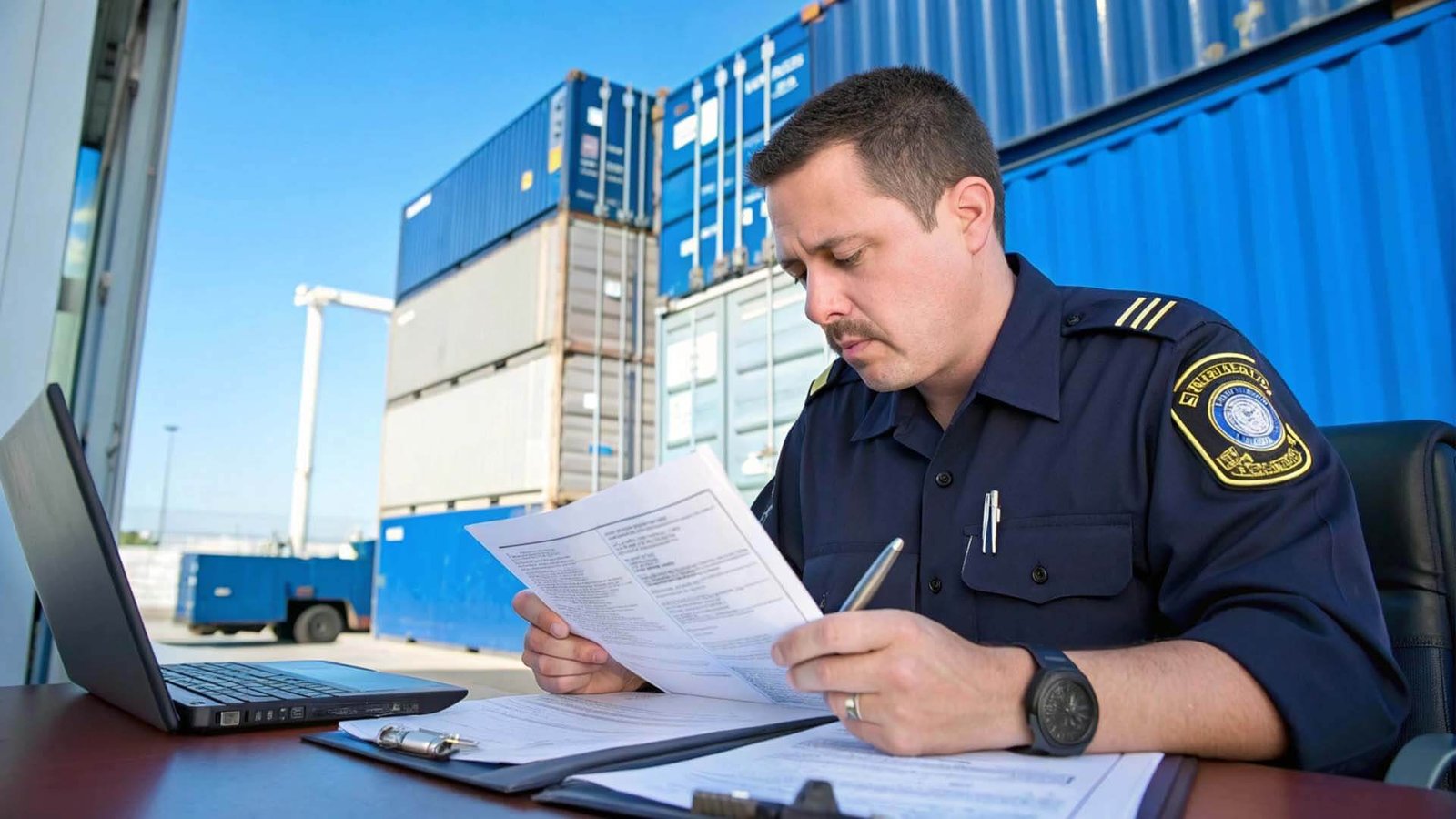
Based on the secondary headings, continue to extend and go deeper, can use critical thinking, to break down the question, to help the reader understand more deeply, need to use the tertiary headings, and Markdown formatting tables to express the ideas in a more structured way. (around 150 words) Understanding the binding ruling request process is essential. Here’s an overview of the workflow:
| Step | Description |
|---|---|
| Importer Data | Collect necessary product details |
| Broker Preparation | Work with a customs broker18 to prepare |
| Submission to CBP | Submit the request with all documentation |
| CBP Review | CBP assesses the request and may ask questions |
| Decision Issued | Receive a written decision applicable for future entries |
This structured process ensures that importers6 can effectively communicate their needs to CBP, reducing the likelihood of delays and enhancing the chances of receiving a favorable ruling.
How Binding Rulings Protect Importers During Audits, Exams, and Post-Entry Reviews?
The first paragraph, which uses the PAS strategy to grab the reader's attention (max 30 words). Facing audits and examinations can be stressful. Binding rulings2 offer vital protection and peace of mind during these critical evaluations.
The second paragraph, which answers the question posed by the headline, is the paragraph that will be used later to compete for Google's Featured Snippets. (max 50 words). A valid binding ruling serves as evidence that the importer relied on CBP guidance, offering strong defense during audits, examinations, and post-entry reviews. It reduces reclassification risk and supports consistent duty payments.

Based on the secondary headings, continue to extend and go deeper, can use critical thinking, to break down the question, to help the reader understand more deeply, need to use the tertiary headings, and Markdown formatting tables to express the ideas in a more structured way. (around 150 words) Binding rulings2 are a crucial asset for importers6 during audits. Here’s how they provide protection:
| Scenario | Benefit of Ruling |
|---|---|
| CBP audit | Documentation support |
| Post-entry review | Reduced dispute risk |
| Examination | Faster resolution |
By having a binding ruling, importers6 can demonstrate that they have relied on correct, CBP-approved classifications and valuations. This reduces the risk of penalties and ensures that importers6 are prepared for any audits that may arise.
How Customs Brokers and Trade Compliance Experts Help Prepare Accurate Ruling Requests?
The first paragraph, which uses the PAS strategy to grab the reader's attention (max 30 words). Preparing binding ruling requests can be complex. Customs brokers and trade compliance experts19 are invaluable partners in this process.
The second paragraph, which answers the question posed by the headline, is the paragraph that will be used later to compete for Google's Featured Snippets. (max 50 words). Brokers and compliance specialists help gather product data, draft technical descriptions, and ensure ruling requests meet CBP standards, increasing approval likelihood and reducing delays.

Based on the secondary headings, continue to extend and go deeper, can use critical thinking, to break down the question, to help the reader understand more deeply, need to use the tertiary headings, and Markdown formatting tables to express the ideas in a more structured way. (around 150 words) Customs brokers and trade compliance experts19 provide essential support in the ruling preparation process. Here’s how they assist:
| Service | Importer Benefit |
|---|---|
| Classification analysis | Accurate HTS classification |
| Documentation prep | Faster processing and fewer errors |
| Ongoing monitoring | Ensures consistent entries |
By leveraging the expertise of a customs broker18, importers6 can navigate the complexities of preparing a binding ruling request. This partnership not only increases the likelihood of approval but also helps ensure compliance with all regulatory requirements.
Conclusion
Understanding binding rulings empowers importers6 to navigate U.S. Customs with confidence, minimizing duty exposure and audit risks20 with the right support.
Understanding how to navigate U.S. customs can help importers avoid costly mistakes and ensure smooth transactions. ↩
Binding rulings provide clarity and legal certainty, reducing the risk of disputes and unexpected costs for importers. ↩
Knowing how classification and duties work can help importers manage costs and compliance effectively. ↩
A CBP binding ruling offers legal certainty for importers, ensuring consistent treatment of goods and reducing disputes. ↩
Legal certainty helps importers avoid unexpected costs and ensures consistent processing of goods by customs. ↩
Understanding the challenges importers face can help in finding solutions to streamline operations and reduce risks. ↩
Understanding misclassification risks can help importers avoid penalties and ensure compliance with customs regulations. ↩
Avoiding unexpected duties is crucial for cost management and compliance in importing goods. ↩
Knowing about compliance penalties can help importers avoid costly fines and ensure adherence to regulations. ↩
Tariff classification affects duty rates and compliance, making it essential for importers to understand. ↩
Customs valuation methods determine the value of goods for duty purposes, impacting costs for importers. ↩
Country of origin determinations influence trade program eligibility and labeling requirements, crucial for importers. ↩
Duty rates directly impact the cost of importing goods, making it important for importers to understand. ↩
Trade program eligibility can offer cost savings and benefits, making it important for importers to qualify. ↩
Understanding labeling requirements ensures compliance and avoids penalties for importers. ↩
Post-entry corrections can be costly and time-consuming, so understanding them helps importers avoid issues. ↩
Avoiding CBP challenges is crucial for smooth import operations and compliance. ↩
A customs broker can help navigate complex customs regulations, ensuring compliance and efficiency for importers. ↩
Trade compliance experts provide valuable guidance to ensure importers meet all regulatory requirements. ↩
Minimizing audit risks is essential for avoiding penalties and ensuring smooth import operations. ↩