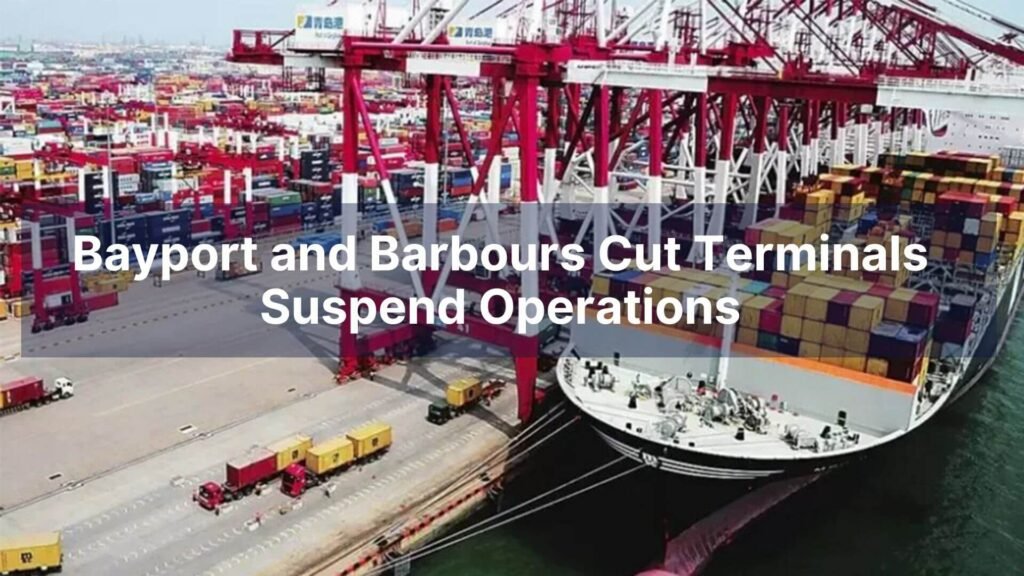
Bayport and Barbours Cut terminals1 have suspended operations recently due to severe weather and health risks. This disruption significantly impacts U.S. import supply chains2, causing delays and increased costs for importers.
Bayport and Barbours Cut terminal suspensions typically result from severe weather events3, safety risks, or public health incidents that make port operations unsafe. When terminals close, vessel operations4, truck gates, and container handling5 stop, creating immediate backlogs that disrupt import timelines, inventory planning6, and downstream distribution across U.S. supply chains.
When terminals like Bayport and Barbours Cut shut down, the effects ripple through the supply chain. Importers must understand the reasons behind such closures to effectively manage their logistics. Below is a breakdown of common causes and their implications for operations.
| Cause | Operational Effect | Importer Risk |
|---|---|---|
| Winter storms | Gate closures, crane stoppage | Delivery delays |
| Hurricanes | Vessel diversions | Supply chain rerouting |
| Health incidents | Workforce shortage | Clearance delays |
| Safety hazards | Yard shutdown | Container backlog |
Flow: Weather/Incident → Terminal Closure → Vessel Berthing Delays → Yard Congestion → Import Delivery Disruption
Real-Time Operational Updates Every Importer Needs: Port Notices, Vessel Schedules & Gate Closures
During terminal suspensions, importers must track official port notices, carrier schedule changes, and truck gate status updates. These determine when cargo can discharge, when containers are accessible, and when pickups resume. Missing updates can lead to demurrage, detention, missed delivery appointments, and cascading warehouse disruptions.
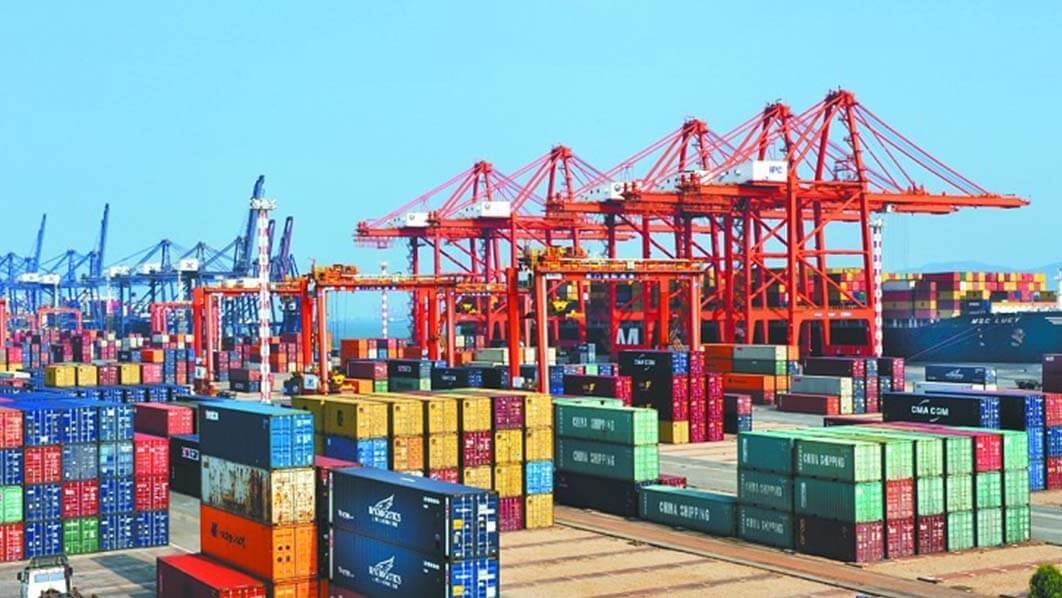
Importers need to stay informed during these operational disruptions to mitigate risks. Here’s a checklist of essential updates they should monitor:
- Port authority alerts
- Steamship line schedule revisions
- Terminal gate re-opening times
- Container availability status
- Rail and drayage appointment slots
Flow: Port Alert → Carrier Schedule Change → Terminal Gate Status → Container Availability → Truck Appointment Booking
Impact on Cargo Flow: Demurrage, Detention, and Delivery Delays When Major Gulf Terminals Are Down
Terminal closures increase the risk of demurrage and detention charges7 because containers cannot be picked up or returned on time. Even when delays are outside importer control, free time continues to count in many cases, making proactive coordination with carriers and terminals essential to avoid unnecessary cost exposure.
The financial impact of terminal suspensions can be significant. Here’s a look at the common fees that can arise during these closures:
| Fee Type | Trigger During Closure | Who Charges |
|---|---|---|
| Demurrage | Container stays at terminal | Ocean carrier |
| Detention | Equipment held outside terminal | Carrier |
| Per diem | Chassis held longer | Equipment provider |
Flow: Terminal Closure → Container Dwell → Free Time Expires → Charges Accumulate
How to Mitigate Disruption Risk — Alternate Routing, Port Diversions & Strategic Inventory Planning
Importers reduce disruption impact by using alternate ports, adjusting sailing routes, staging inventory, and shifting to inland rail or trucking strategies. Proactive planning before peak seasons or weather events helps maintain supply continuity and avoids reliance on a single gateway during operational shutdowns.
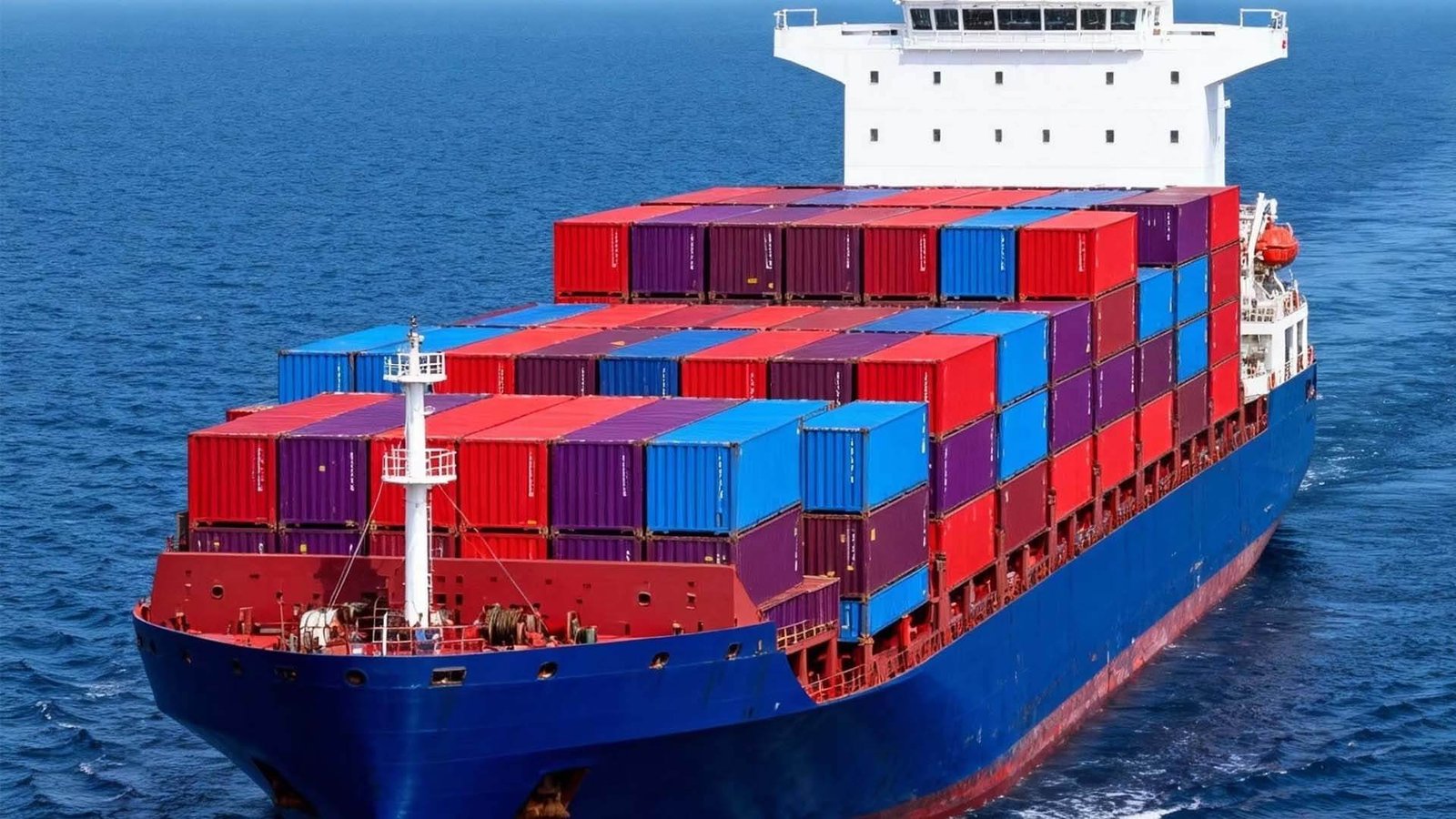
To better handle disruptions, importers can implement various strategies:
| Strategy | When Used | Benefit |
|---|---|---|
| Port diversion | Extended closures | Maintains cargo flow |
| Split shipments | High-value goods | Reduces risk concentration |
| Safety stock | Seasonal volatility | Prevents stockouts |
| Multi-port routing | Ongoing risk | Network resilience |
Flow: Supplier → Alternate Port Booking → Diversion Approval → Discharge at New Port → Customs Clearance → Inland Delivery
Customs & Compliance Support During Port Suspensions — CBP Coordination, Documentation & Cargo Release
Even when terminals suspend operations, customs compliance8 continues. Import entries, document review, and cargo holds must still be managed so goods can be released immediately when operations resume. Experienced brokers coordinate with CBP, carriers, and terminals to prevent paperwork delays from extending port disruption impacts.
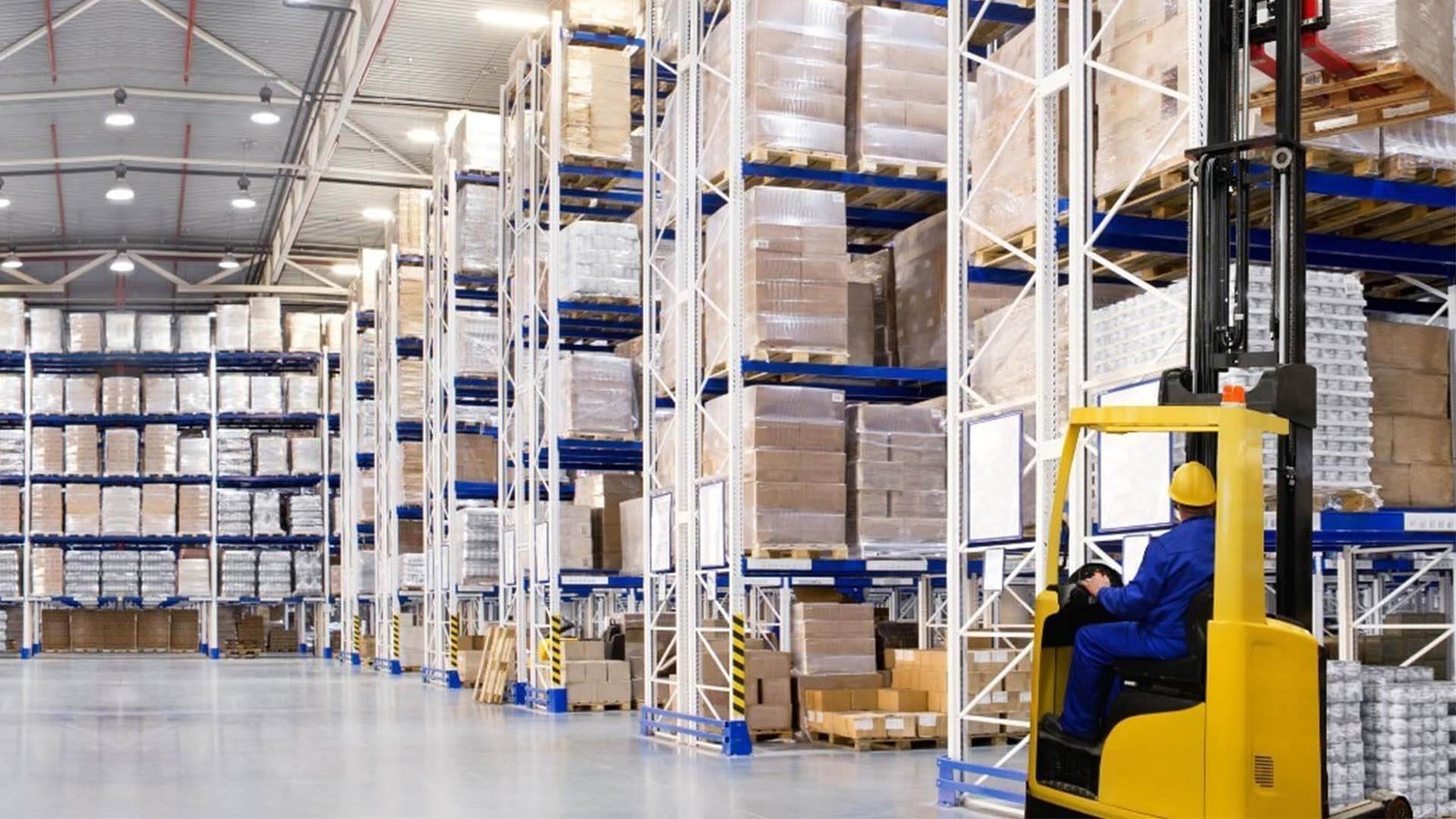
It's crucial for importers to understand the customs workflow during port suspensions:
Importer → Broker → CBP → Carrier → Terminal → Release Workflow:
Entry Filing → Document Verification → Duty Payment → CBP Release → Container Availability → Pickup
Here are some compliance risks to keep in mind:
| Issue | Impact |
|---|---|
| Late entry filing | Release delay |
| Missing docs | Exam or hold |
| Duty miscalculation | Clearance rejection |
End-to-End Solutions for Importers: From Ocean Freight Booking to Final Delivery Despite Port Interruptions
Managing cargo during terminal suspensions requires coordination across ocean carriers, truckers, terminals, and customs authorities. End-to-end logistics providers help importers reroute shipments, control costs, maintain compliance, and keep cargo moving from origin to final U.S. delivery despite port disruptions.
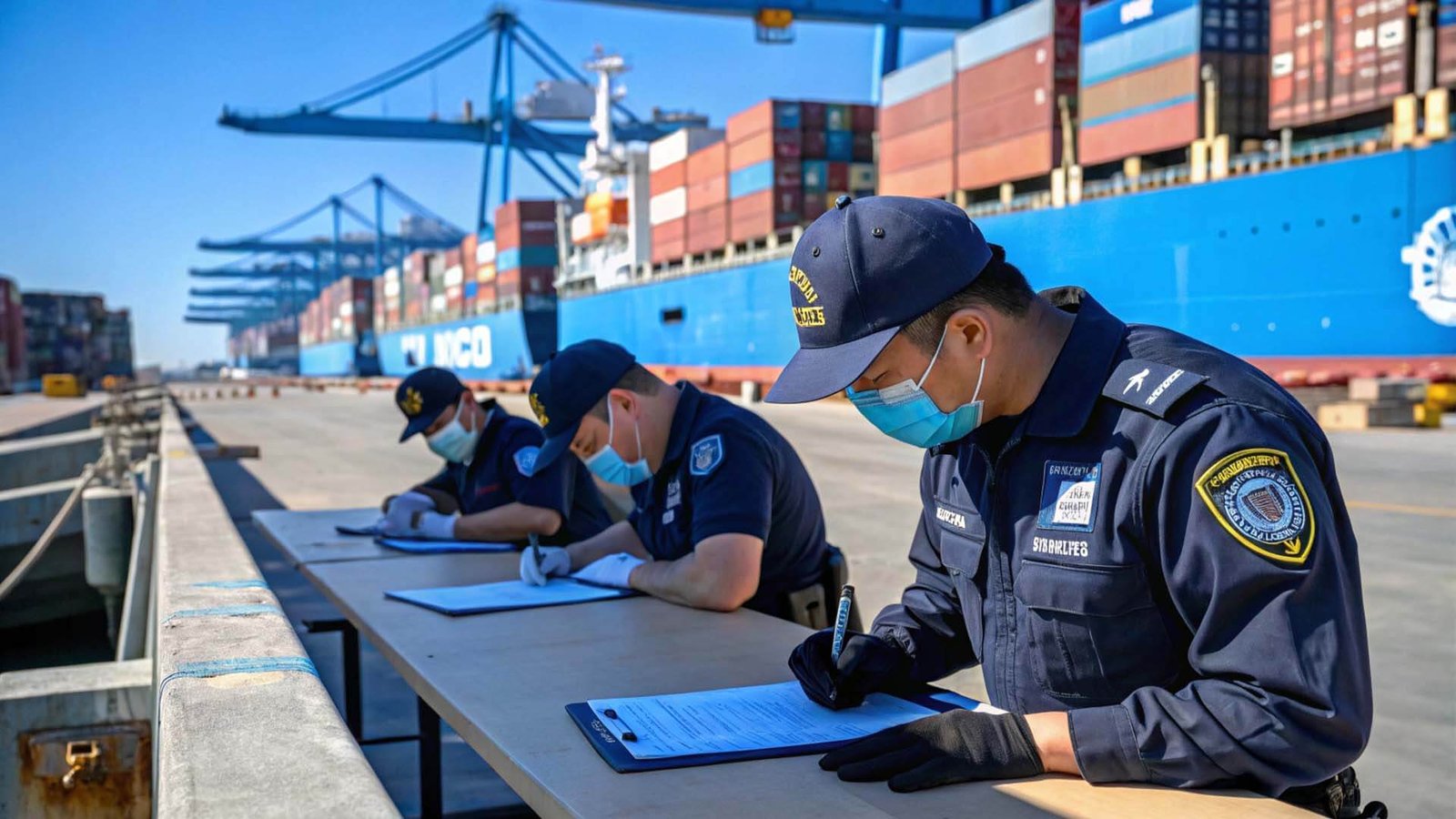
Here’s a flow of how end-to-end solutions work:
Supplier → Origin Booking → Ocean Transit → Port Disruption Monitoring → Customs Clearance → Drayage Coordination → Warehouse Delivery
And here’s a table highlighting the critical service capabilities during disruptions:
| Function | Why It Matters During Disruption |
|---|---|
| Carrier coordination | Schedule recovery |
| Customs brokerage | Immediate clearance |
| Drayage planning | Fast pickup |
| Diversion planning | Risk control |
In conclusion, understanding the risks and strategies during terminal suspensions is vital for importers. By leveraging end-to-end logistics management, importers can minimize disruptions and maintain supply chain efficiency.
Explore how these terminal suspensions affect U.S. import supply chains and what it means for businesses. ↩
Understand the challenges importers face during terminal closures and how to navigate them. ↩
Learn about the effects of severe weather on port operations and supply chain disruptions. ↩
Discover the implications for vessel operations when terminals are closed. ↩
Find out how terminal closures impact container handling and logistics. ↩
Explore strategies for effective inventory planning during operational disruptions. ↩
Get insights into the financial implications of demurrage and detention during disruptions. ↩
Learn about the importance of customs compliance during terminal closures. ↩