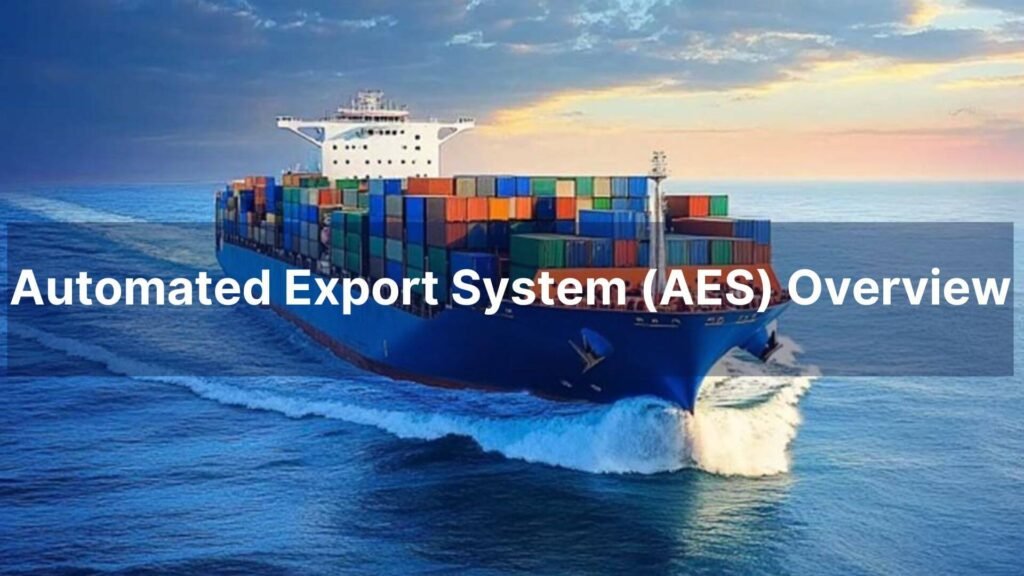
The Automated Export System (AES)1 is a critical component for businesses involved in international trade. Without proper understanding and compliance, exporters may face significant penalties and shipment delays2.
The Automated Export System (AES)1 is the U.S. government’s electronic platform for filing export shipment data, known as Electronic Export Information (EEI)3. It supports export control enforcement4, trade statistics5, and licensing oversight6, making electronic filing a legal requirement for many outbound shipments.

Understanding AES is essential for compliance and export efficiency. It serves not only as a regulatory tool but also as a means to streamline the export process. The AES is critical for accurate data reporting, ensuring that U.S. exporters meet all legal requirements and avoid penalties that can impact their bottom line.
What the Automated Export System (AES)1 Is and Why U.S. Export Data Must Be Filed Electronically?
The Automated Export System (AES)1 is the U.S. government’s electronic platform for filing export shipment data, known as Electronic Export Information (EEI)3. It supports export control enforcement4, trade statistics5, and licensing oversight6, making electronic filing a legal requirement for many outbound shipments.

| Function | Why AES Exists |
|---|---|
| Export control | Enforces trade laws |
| Statistical reporting | Tracks U.S. trade |
| Licensing oversight | Monitors controlled goods7 |
Flow: Shipment Prepared → EEI Filed in AES → Filing Confirmation → Cargo Exported
The AES ensures that all important data is collected and maintained electronically. This helps governments monitor exports, facilitating compliance and providing statistical insights into U.S. trade. By filing data electronically, exporters can ensure they meet their legal obligations.
Who Is Responsible for AES Filing: U.S. Principal Party in Interest, Forwarders, and Agents?
The U.S. Principal Party in Interest (USPPI)8 is generally responsible for AES filing, but freight forwarders9 or agents may submit filings on their behalf. Legal responsibility remains with the USPPI unless properly authorized.
| Role | Responsibility |
|---|---|
| USPPI | Legal filing responsibility |
| Freight forwarder | Filing agent |
| Carrier | Transport only |
It is important for exporters to understand their responsibilities when it comes to AES filings. While freight forwarders9 can assist with the process, the ultimate legal responsibility lies with the USPPI. Proper authorization is essential to ensure compliance and avoid potential penalties.
When AES Filing Is Required Including Value Thresholds, Controlled Goods, and License Situations
AES filing is required for shipments above value thresholds10, for goods subject to export controls, or when an export license11 applies. Filing is also needed for certain destinations and commodities, regardless of shipment value.

| Scenario | AES Filing Needed |
|---|---|
| Value above threshold | Yes |
| Licensed goods | Yes |
| Controlled technology | Yes |
| Certain destinations | Yes |
Understanding when AES filing is necessary can greatly influence the efficiency of the export process. Failing to file when required can lead to significant delays and complications. Businesses must be vigilant about tracking shipments to ensure compliance with AES regulations.
Key Data Elements in AES Filings That Affect Compliance, Licensing, and Export Controls
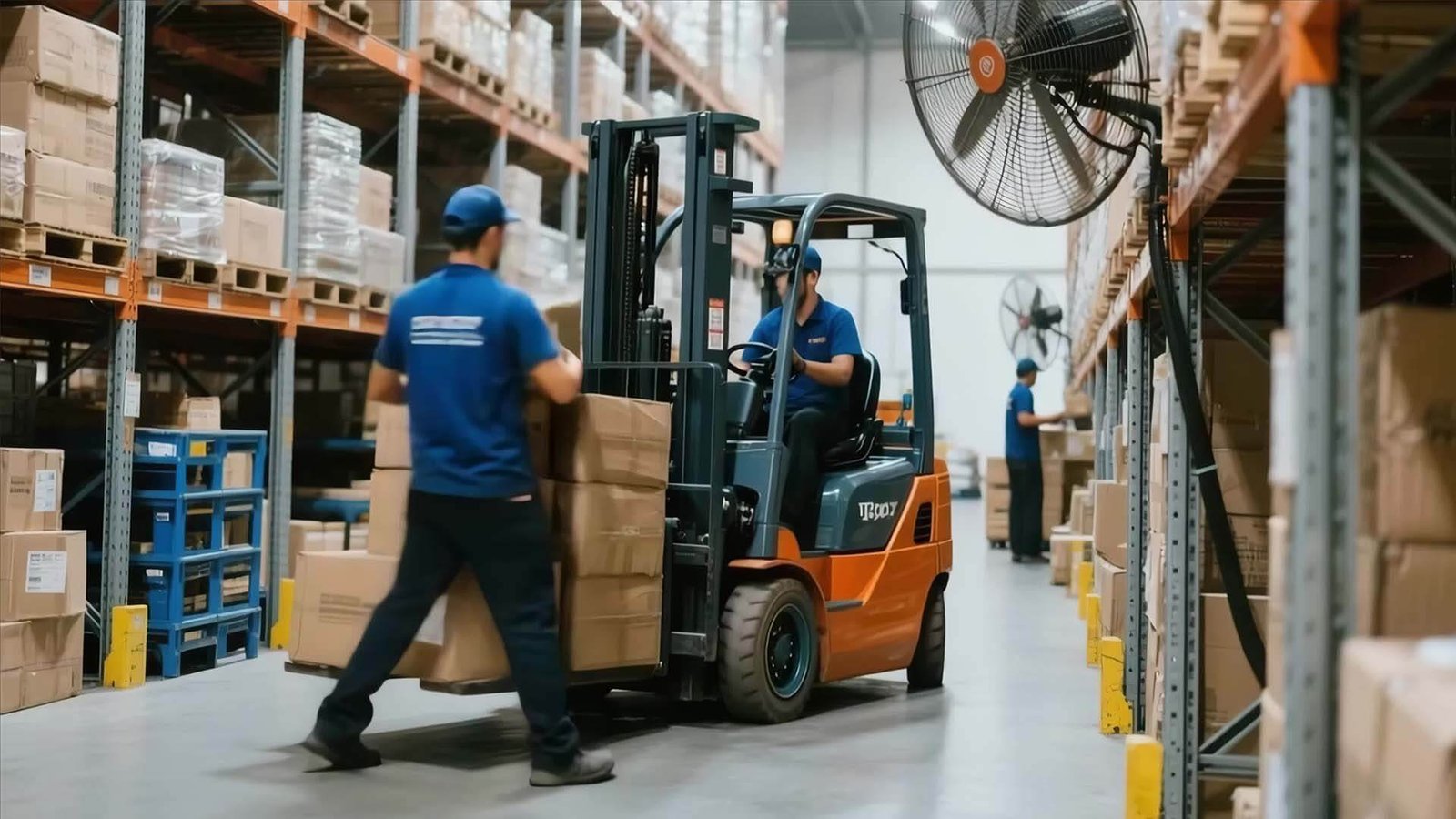
AES filings include exporter information, commodity classification12, value, license data, and destination details. Accurate data ensures proper export authorization and avoids compliance violations.
| Element | Purpose |
|---|---|
| ECCN/HTS | Classification |
| Value | Statistical reporting |
| License number | Authorization |
| Ultimate consignee | Destination control |
Inaccuracies in any of these key data elements can have serious repercussions. Proper classification and accurate reporting are essential to maintaining compliance with export control laws. Each element plays a vital role in ensuring that shipments are not delayed or penalized.
Common AES Filing Errors That Lead to Shipment Delays, Fines, or Export Violations
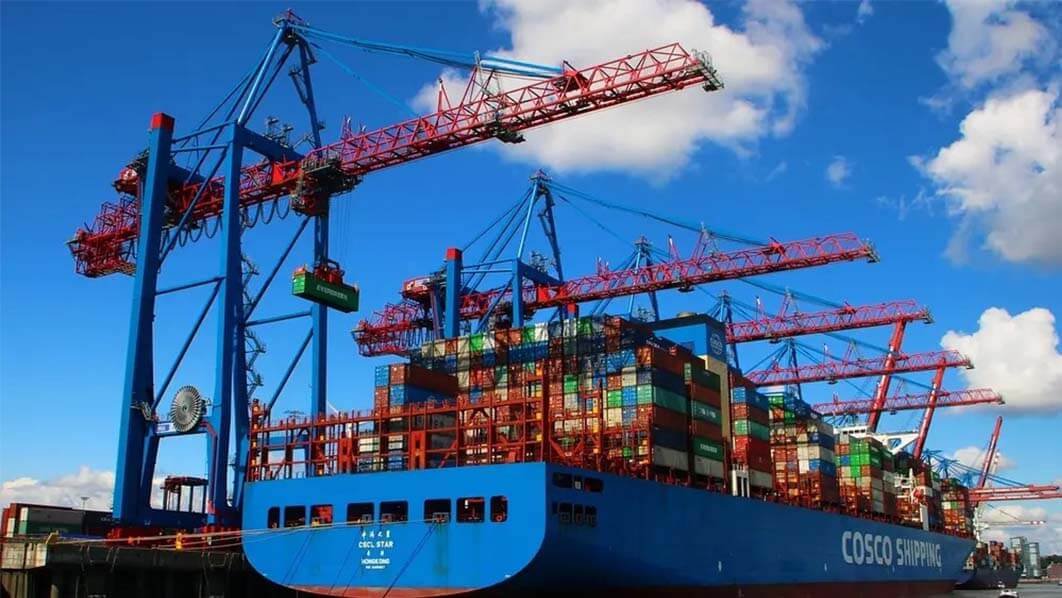
Errors such as incorrect classifications, missing licenses, inaccurate values, or incomplete consignee details can result in shipment holds, penalties, or enforcement actions.
| Error | Consequence |
|---|---|
| Wrong ECCN | Violation risk |
| Missing license | Shipment hold |
| Incorrect value | Compliance issue |
| Incomplete consignee | Data rejection |
These errors may seem minor, but they can greatly affect the export process. Exporters must be diligent in their filings to prevent shipment delays2 and costly fines. Awareness of these pitfalls is essential for maintaining smooth operations.
How Freight Forwarders and Compliance Partners Manage AES Filing and Coordinate With Customs Controls
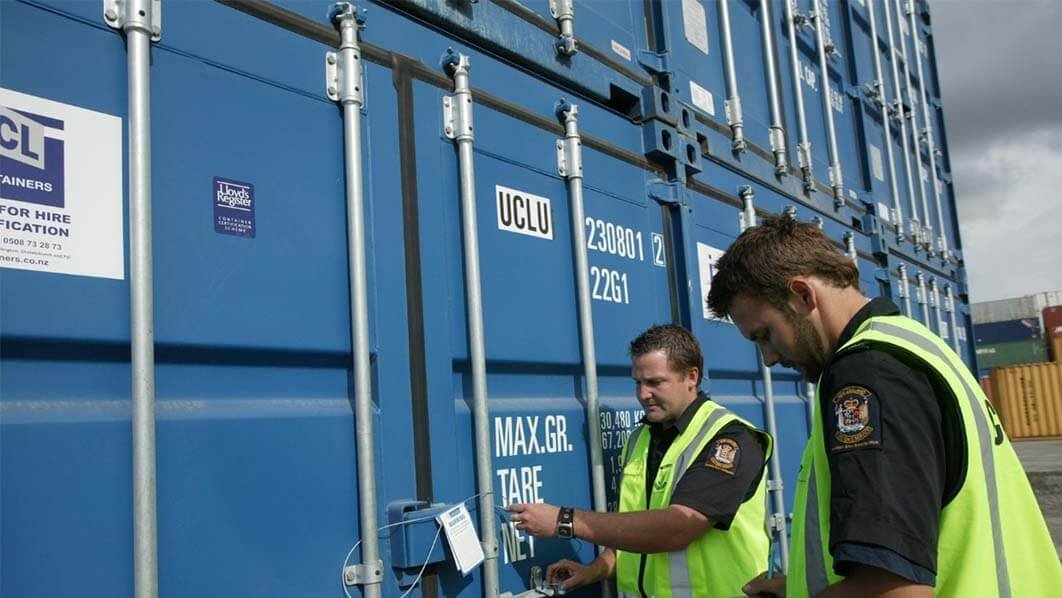
Forwarders and compliance specialists manage AES filings, verify export data, coordinate licensing, and ensure documentation aligns with customs and export control requirements, enabling shipments to move without regulatory delays.
Exporter → Forwarder → AES → CBP Flow
Shipment Data → Filing Preparation → AES Submission → Confirmation → Export Release
| Service | Exporter Benefit |
|---|---|
| Filing accuracy | Fewer delays |
| License coordination | Compliance assurance |
| Data review | Reduced violation risk |
| Shipment tracking | Visibility |
By working with freight forwarders9 and compliance partners13, exporters can ensure that their AES filings are accurate and timely. This partnership is crucial for minimizing regulatory risks and ensuring efficient shipment processing.
Conclusion
Understanding and managing AES filings is essential for compliance and efficient export operations, helping to minimize risks and ensure smooth shipment processes.
Understanding AES is crucial for businesses involved in international trade to ensure compliance and avoid penalties. ↩
Avoiding common filing errors can prevent costly shipment delays and penalties. ↩
EEI is a key component of AES filings, essential for legal compliance and accurate export data reporting. ↩
Export control enforcement is vital for legal compliance and avoiding penalties in international trade. ↩
Trade statistics help businesses understand market trends and make informed decisions. ↩
Licensing oversight ensures that controlled goods are exported legally, avoiding violations. ↩
Controlled goods require special attention in AES filings to comply with export regulations. ↩
Knowing the responsibilities of the USPPI is crucial for legal compliance in export filings. ↩
Freight forwarders play a key role in ensuring accurate and timely AES filings, reducing risks. ↩
Understanding value thresholds helps businesses determine when AES filings are necessary. ↩
Knowing when an export license is needed helps avoid shipment delays and legal issues. ↩
Accurate commodity classification is essential for compliance and avoiding export violations. ↩
Compliance partners ensure that AES filings meet all legal requirements, reducing risks. ↩