Are your FBA shipping costs1 unpredictable? This uncertainty makes it impossible to protect your profit margins2. You need a clear breakdown of every fee from the factory to the customer.
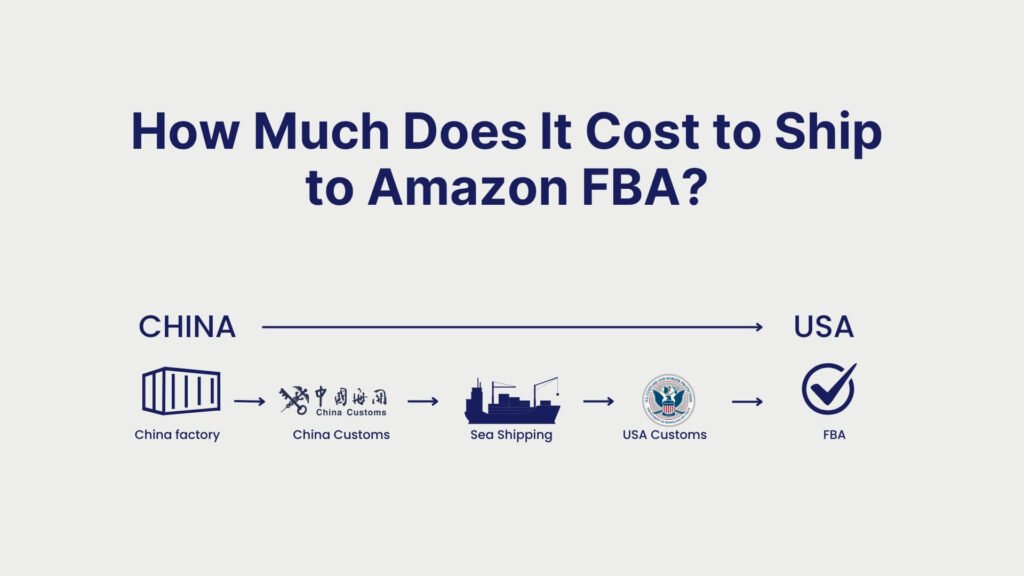
Shipping inventory to Amazon FBA is a multi-stage cost, not a single fee. It includes international freight3 from your supplier (e.g., China to the U.S.), plus domestic shipping4 from the port to Amazon's fulfillment centers. You must calculate and pay for each step separately.
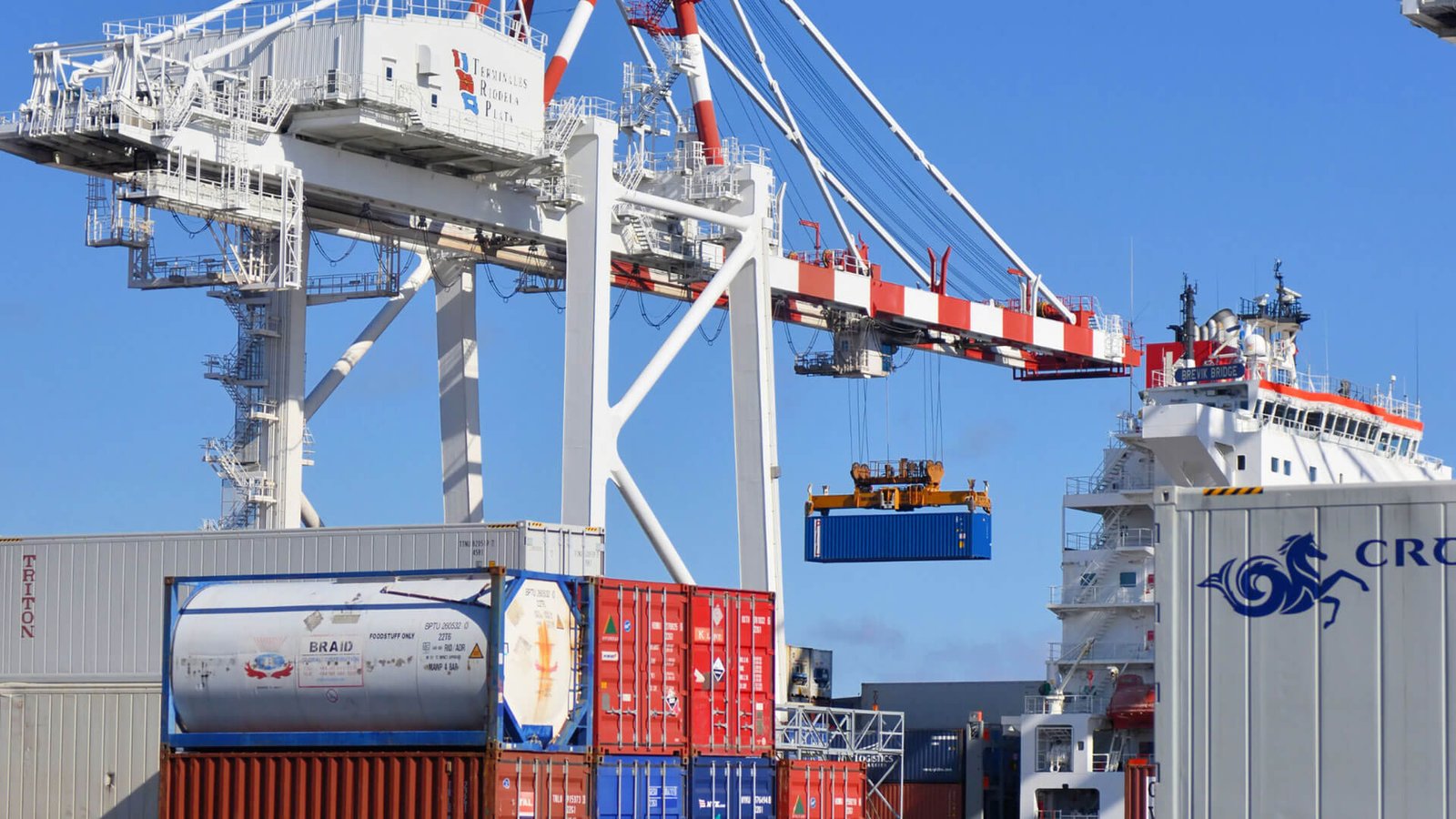
To truly control your budget, you need to see the full picture. It's not just about what Amazon charges you. It's about the entire journey your inventory takes to get there. Understanding each piece of the puzzle is the only way to find real savings and build a profitable FBA business. Let's start with the total cost to land your goods at an Amazon facility.
How Much Does It Cost to Ship Inventory to an Amazon FBA Fulfillment Center?
Are you confused by different shipping quotes5? Shipping to FBA involves multiple costs, not one flat rate. Miscalculating these can erase your profits before you even make a sale.
The total cost has two main parts. First is international freight3 from your factory in China to a U.S. port. Second is the domestic shipping4 from that port to Amazon's fulfillment centers. There is no single "shipping to FBA" fee.
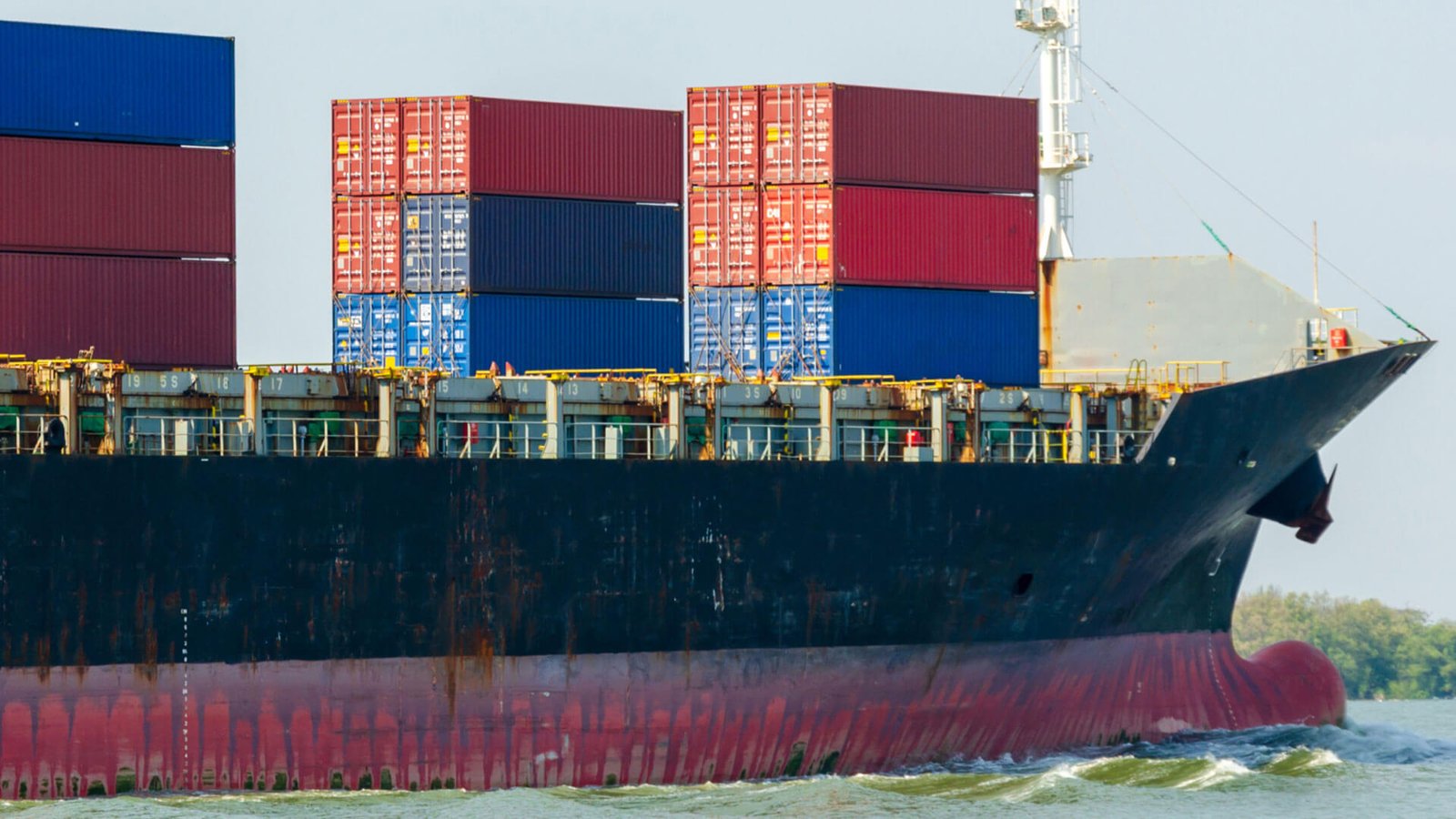
When I talk with clients, the biggest confusion is thinking "shipping to FBA" is one line item. It's actually a process with distinct costs. You need to budget for each step to understand your true landed cost6. Let's break it down.
International Freight: The First Major Cost
This is the largest part of your expense. It covers moving your goods from a port in China across the ocean to a port in the U.S. The cost depends on the volume of your goods, whether you use a full container (FCL) or a shared container (LCL), and current market rates. For my clients shipping from China, this is the most critical cost to manage for healthy profit margins2. It includes more than just the ocean journey; it also involves trucking from the factory to the port in China.
Domestic Inbound Shipping: The Final Leg
Once your container arrives in the U.S. and clears customs, it doesn't go straight to Amazon. The goods are unloaded, often palletized, and then shipped via truck to the specific Amazon fulfillment centers Amazon assigns. This is a separate domestic shipping4 cost. The price varies based on the distance from the port to the warehouse and the weight of your shipment. We handle this coordination to ensure your inventory arrives on time and meets Amazon's strict delivery requirements.
What Amazon FBA Fees Include Shipping — and What They Don’t?
Amazon's fee statements can be confusing. You see the "Fulfillment Fee" and might assume it covers all shipping. This common misunderstanding leads to surprise costs that destroy your product's profitability.
Amazon's FBA fulfillment fee7 only covers picking, packing, and shipping your product from their warehouse to your customer. It does not cover the cost of shipping your inventory from your factory in China to their U.S. fulfillment centers. That part is your responsibility.
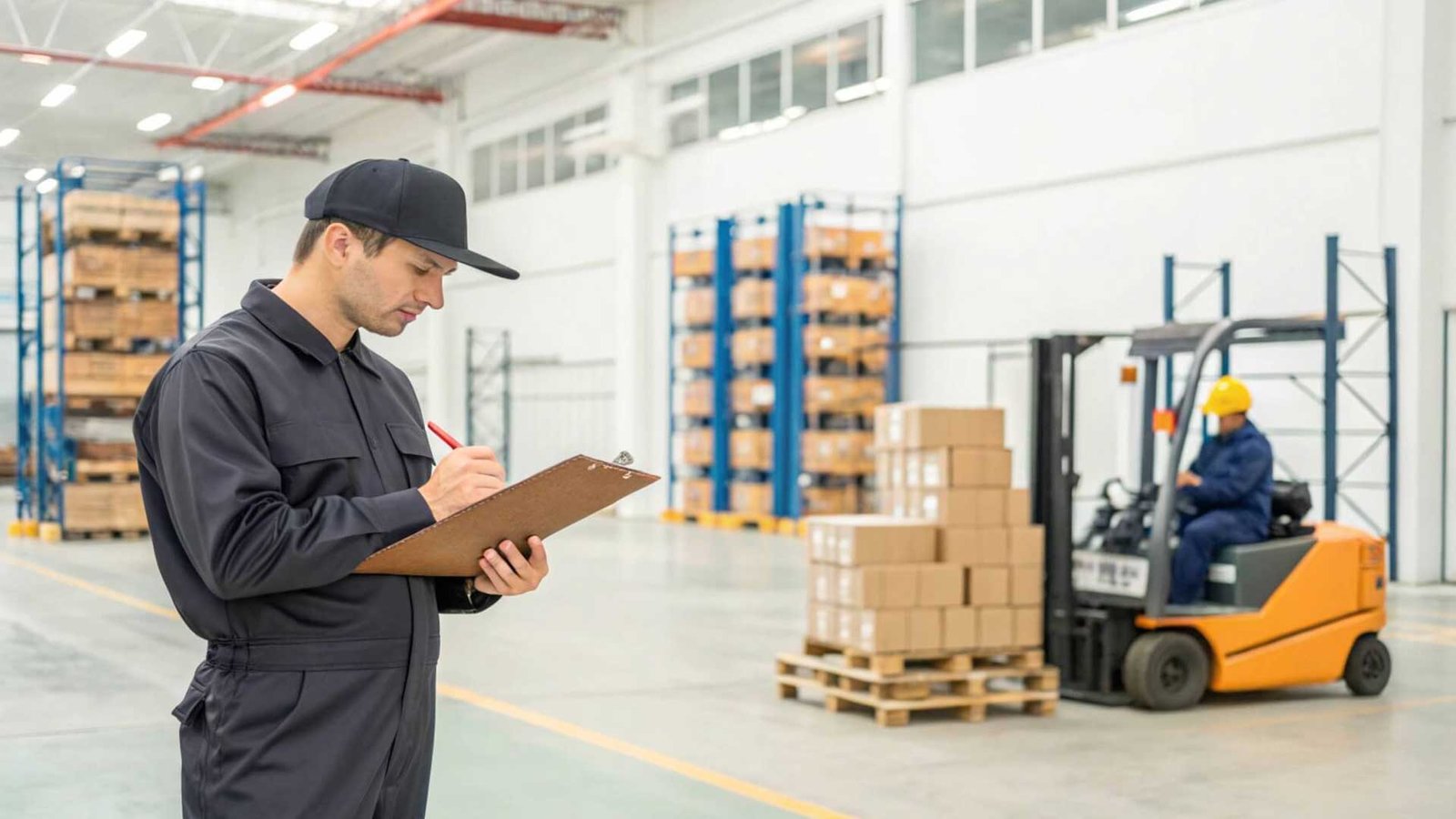
I've seen many sellers underestimate their total costs because they don't separate these two very different fees. Your "landed cost6" must include everything it takes to get the product to Amazon's door. Amazon's fee is a "fulfillment cost" for getting the product from their shelf to the customer's door. They are completely separate.
What Amazon's Fulfillment Fee Covers
This is a per-unit fee Amazon charges you after your product sells. It pays for the Amazon warehouse worker to pick your item off the shelf, put it in a box, and hand it to a carrier for delivery to the customer. The fee is based on your product's size and weight. It also covers basic customer service and returns processing for that order. Think of it as outsourcing your order fulfillment to Amazon.
What You, the Seller, Must Cover
You are responsible for 100% of the costs to get your inventory to Amazon. This is often called "inbound shipping." It's a major expense that includes:
- Ocean Freight: From China to the U.S.
- Customs Clearance: Fees for processing your import documents.
- Import Duties & Taxes: A percentage of your goods' value paid to the U.S. government.
- Domestic Trucking: From the U.S. port to the Amazon fulfillment center. These are the costs we help our clients manage and predict.
Who Pays for Shipping When Selling on Amazon FBA?
Who pays for what in the FBA journey? Getting this wrong means you could be on the hook for unexpected bills, delaying your shipment and hurting your cash flow.
The seller pays for everything to get inventory to Amazon's door. This includes international freight3, customs clearance8, duties, and domestic delivery. Amazon only pays for the final shipment from their fulfillment center to the customer, which is covered by the FBA fee you pay them.
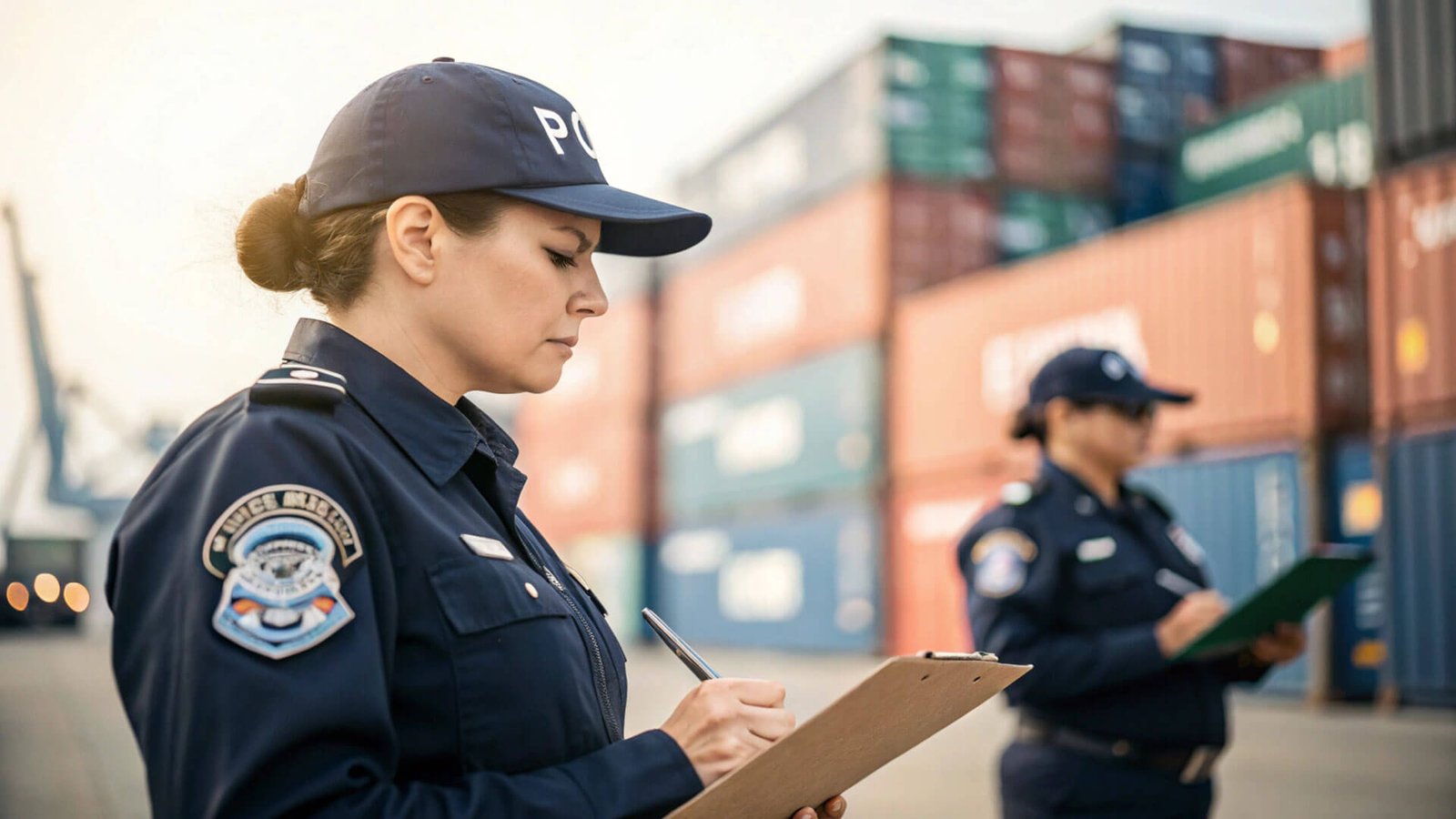
Understanding cost responsibility9 at each stage is crucial for managing your cash flow and profitability. If you use a DDP (Delivered Duty Paid) service like ours, you pay one party to handle all your responsibilities in a single, predictable transaction. But it's still helpful to know exactly what you are paying for. Here is how the ownership of costs breaks down along the supply chain.
Stage 1: Factory to U.S. Port
Who Pays: You, the Seller. This covers picking up your goods from the factory in China, trucking them to the port, and the main ocean freight10 journey to the United States. This is the first and largest portion of your inbound shipping cost.
Stage 2: U.S. Customs Clearance & Duties
Who Pays: You, the Seller. When your goods arrive, they must be legally imported. You are responsible for the customs brokerage fees and any import duties or tariffs owed to the U.S. government. This is a step where many sellers get hit with surprise costs if they don't plan correctly.
Stage 3: U.S. Port to Amazon FC
Who Pays: You, the Seller. After customs release, your inventory needs to be transported from the port to Amazon's designated warehouses. This is a domestic trucking or rail cost that you are fully responsible for.
Stage 4: Amazon FC to End Customer
Who Pays: Amazon. This is the only stage Amazon pays for directly. They cover the last-mile delivery. However, they fund this by charging you the FBA Fulfillment Fee for each unit they ship.
How Do You Calculate Total Amazon FBA Shipping Costs Per Unit?
Are you just guessing your per-unit shipping cost? This is a recipe for losing money on every single sale. You need a simple, reliable formula to protect your margins.
To calculate your per-unit shipping cost, add your total international freight3, customs, and domestic delivery costs. Then, divide that total by the number of units in your shipment. Finally, add Amazon's per-unit fulfillment and storage fees for a true landed cost6.

Calculating this number accurately is the most important thing you can do for your business's financial health. A wrong calculation can make a profitable product look like a loser, or worse, make a losing product look profitable. You must break down every single cost. The goal is to find your "total landed cost6 per unit." This includes the product cost, the shipping cost, and Amazon's fees. Here’s a look at some typical cost ranges and how to allocate them.
Table 1: International Freight Cost Ranges (China → USA)
These are estimates to show how costs are structured. Rates change constantly.
| Cost Metric | Typical Range | Notes |
|---|---|---|
| Cost per CBM (LCL) | $50 - $150 | For smaller, consolidated shipments. |
| Cost per Pallet (LCL) | $250 - $600 | Depends on dimensions and weight. |
| Cost per Container (FCL) | $3,000 - $7,000 | For a 40-foot container. Most cost-effective for volume. |
Table 2: Amazon FBA Cost Allocation Per Unit
This shows how to think about your final costs on a per-unit basis.
| Cost Item | Per Unit Impact (Example) | Notes |
|---|---|---|
| Inbound Shipping to FC | $0.50 - $2.00 | Your total freight & customs costs divided by units. |
| FBA Fulfillment Fee | $3.00 - $6.00+ | Depends on your product's size and weight. |
| Monthly Storage Fee | $0.05 - $0.20 | Increases during Q4. Sell through inventory quickly. |
To get your number, take the total invoice from your freight forwarder (which under DDP terms includes everything) and divide it by your number of units. That’s your inbound cost per unit. Add that to Amazon's fees to see if your product is truly profitable.
How Can Sellers Reduce Amazon FBA Shipping Costs Without Breaking Amazon Rules?
Are high shipping costs eating all of your FBA profits? Random cost-cutting can lead to Amazon penalties. There are smart, compliant ways to reduce your expenses.
You can reduce costs by consolidating shipments, choosing Full Container Load (FCL) for larger volumes, and optimizing carton dimensions to fit pallets perfectly. This minimizes wasted space and lowers per-unit freight costs without violating Amazon's strict inbound requirements.
Reducing costs is not about finding the cheapest quote. It’s about being more efficient. In my experience, the biggest savings come from smart planning before your products even leave the factory. Amazon has very strict rules for receiving inventory. If you violate them, you face penalties and delays that are far more expensive than any shipping savings. Here are the safe and effective ways to lower your costs.
FCL vs. LCL11 Decision
For smaller shipments, Less than Container Load (LCL) makes sense. You share a container with other importers. But once your shipment volume grows to about 15 cubic meters or more, a Full Container Load (FCL) becomes much cheaper per unit. You pay for the whole container, giving you more space, security, and often faster transit times. We help clients analyze their volume to make this call.
Carton & Pallet Optimization
Work with your supplier to use carton sizes that maximize space on a standard pallet. The goal is to have no empty space. A tightly packed, dense pallet costs less to ship per unit than a loose, unstable one. This also reduces the risk of damage during transit and rejection by Amazon for being unsafe.
Avoid Amazon Penalties
Amazon will charge you for anything that doesn't meet their standards. This includes incorrect labels, poorly wrapped pallets, or unscheduled deliveries. These non-compliance fees can add up quickly. Working with a logistics partner who understands Amazon's FBA requirements is not a cost—it's an investment in avoiding much larger, unexpected expenses down the line.
Conclusion
Understanding each cost stage, from your factory in China to Amazon's U.S. warehouse, is the only way to protect your profit margins2 and build a sustainable FBA business.
Understanding the factors influencing FBA shipping costs can help you budget effectively and protect your profit margins. ↩
Learn strategies to protect your profit margins and ensure a sustainable FBA business. ↩
Learn about international freight to better manage your shipping costs and logistics for Amazon FBA. ↩
Explore the nuances of domestic shipping to ensure timely delivery to Amazon fulfillment centers. ↩
Comparing shipping quotes effectively can help you find the best rates and services for your FBA shipments. ↩
Calculating your landed cost accurately is crucial for maintaining profitability in your FBA business. ↩
Understanding what the fulfillment fee includes can help you budget for your overall shipping costs. ↩
Understanding customs clearance can help you avoid unexpected fees and delays in your shipping process. ↩
Clarifying cost responsibility can help you manage your cash flow and avoid unexpected expenses. ↩
Learn about ocean freight to make informed decisions about your shipping methods and costs. ↩
Understanding FCL and LCL can help you choose the most cost-effective shipping method for your needs. ↩