Struggling with the complexity of FBA shipping? The process can be confusing, leading to costly delays and rejected shipments. I'll guide you through it step-by-step.
To ship inventory to Amazon FBA, you must first prepare and label your products1 according to Amazon's standards. Then, create a shipping plan2 in your Seller Central account. Finally, choose a freight method3 like ocean or air shipping and arrange for a carrier to deliver your goods to the designated fulfillment center.
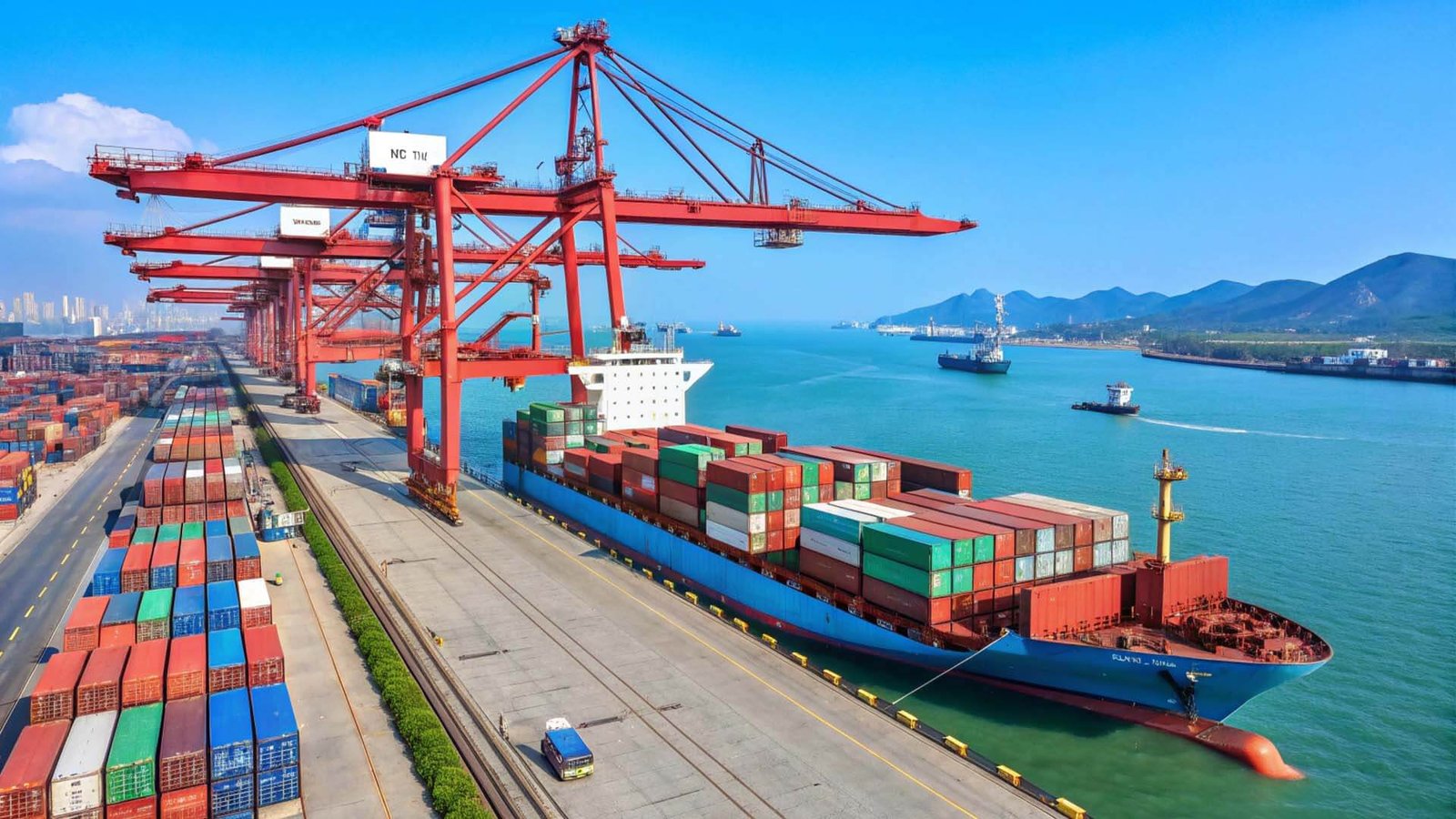
Sending your products to an Amazon warehouse seems simple at first. But the details can trip you up. I've worked with many US importers, just like you, who have faced challenges with everything from customs to packaging. This guide breaks down the entire process. It will give you the confidence to manage your FBA shipments smoothly. Let's get your inventory on its way.
Step-by-Step Guide: How to Ship Inventory to Amazon FBA Efficiently and Cost-Effectively?
Feeling overwhelmed by the FBA shipping process4? One small mistake can cause major headaches and unexpected costs. I'll show you how to get it right from the start.
Shipping to Amazon FBA involves several key steps. Prepare your products by meeting Amazon's labeling and packaging rules5. Then, choose your freight method and book the shipment. Using ocean freight6 for large shipments reduces costs. A customs brokerage service7 ensures smooth customs clearance, making the process faster.
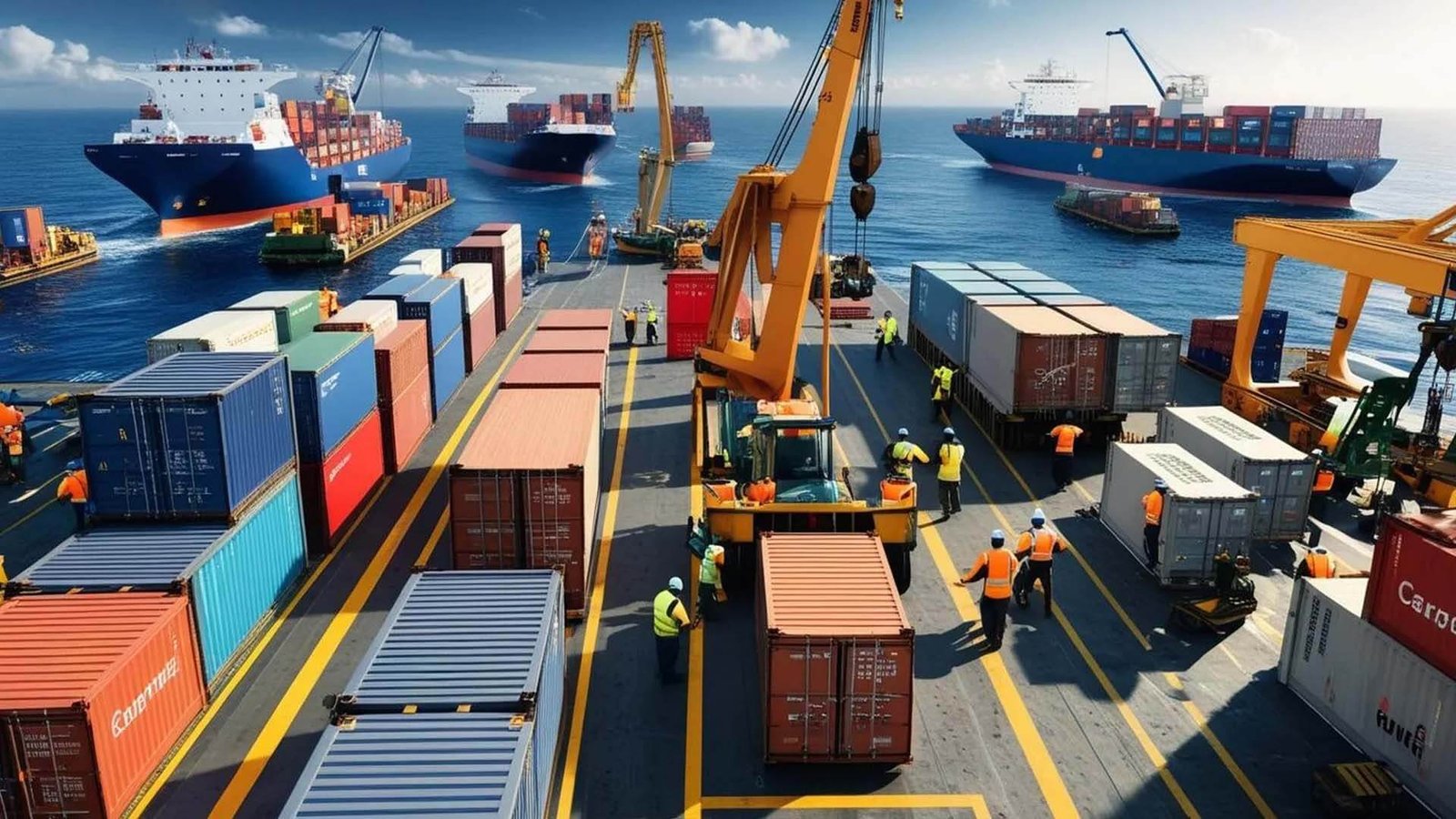
Getting your inventory to Amazon is a multi-stage journey. It's more than just putting items in a box. I help clients navigate this every day. Breaking it down into manageable steps makes it much easier. You need a clear plan to avoid delays and extra fees.
Your FBA Shipping Checklist
Here is a simple breakdown of the process I walk my clients through. Following these steps ensures your shipment moves from your supplier in China to a US Amazon fulfillment center without a hitch.
- Product Preparation: Ensure your items are "e-commerce ready." This means they are properly bagged, bubble-wrapped, or boxed to Amazon's standards.
- Create Your Shipping Plan: Log in to your Amazon Seller Central account. Go to "Manage Inventory," select your products, and choose "Send/replenish inventory." Follow the on-screen prompts to create the plan. Amazon will tell you which fulfillment center(s) to ship to.
- Label Everything Correctly: This is critical. Each individual unit needs an FNSKU barcode8. Each master carton needs an FBA Box ID label. I've seen shipments rejected for simple label mistakes.
- Choose Your Shipping Method: For bulk inventory from China, ocean freight6 is the most cost-effective. This is where we come in. We handle the sea shipping part of the journey.
- Handle Customs Clearance: Once your container arrives in the US, it must clear customs. As your customs broker, we manage all the paperwork and communication with US Customs and Border Protection (CBP) to ensure a smooth, quick release.
- Final Delivery: After clearing customs, your shipment is transported by truck to the final Amazon fulfillment center.
What You Need to Know About Amazon FBA Labeling and Packaging Requirements?
Confused by Amazon's strict packaging rules5? Getting them wrong means your inventory could be rejected at the warehouse door. Let's make sure that never happens to you.
Amazon FBA requires products to be labeled and packaged by strict guidelines. This ensures they are processed quickly upon arrival. It includes specific barcode placement and package dimensions. Using a customs brokerage service7 can help ensure all requirements are met and facilitate quicker customs clearance.

Amazon's warehouses are highly automated. Your products must be prepared perfectly to move through their system. Think of it like a key fitting a lock. If the key isn't cut correctly, the lock won't open. I always tell my clients that spending extra time on preparation in China saves weeks of delays in the US.
Key Labeling and Packaging Rules
Getting this part right is non-negotiable. I've helped countless sellers avoid common pitfalls. Here is a table summarizing the most important points you need to remember.
| Requirement | Description | My Advice |
|---|---|---|
| Unit Label (FNSKU) | Each individual item must have a unique Amazon FNSKU barcode8. This barcode must cover any existing manufacturer barcodes (like a UPC). | Always print and apply these labels clearly. A smudged or poorly placed label can make the item unscannable. |
| Carton Label (FBA ID) | Each shipping box (master carton) must have an FBA Box ID label. This label is generated from your FBA Shipping Plan. | Place this label on the side of the box, not on the top where the seam is. This prevents it from being cut open. |
| Packaging | Products must be securely packaged. Poly bags need a suffocation warning. Glass items need bubble wrap. Sets must be marked as a "Set." | Don't cut corners on packaging materials. A broken product is a lost sale. Amazon has very specific rules for this. |
| Box Dimensions/Weight | A standard box should not exceed 25 inches on any side or weigh more than 50 lbs, unless it contains a single oversized item. | Weigh and measure your boxes before shipping. Overweight boxes can lead to fines or rejection. |
As your logistics partner, we can help coordinate with your supplier in China to double-check these requirements before your goods even leave the factory. This proactive step is crucial for a smooth process.
Understanding Amazon FBA Freight Options: Choosing the Best Shipping Method for Your Business?
Not sure whether to ship by air or sea? Choosing the wrong method can either destroy your profit margins or make you miss key selling seasons. Let's find the right balance.
The best shipping method for Amazon FBA depends on your business needs. Ocean freight is the most cost-effective option for large shipments. Air freight is faster but more expensive. A customs broker can help with duties and regulations, ensuring timely delivery.
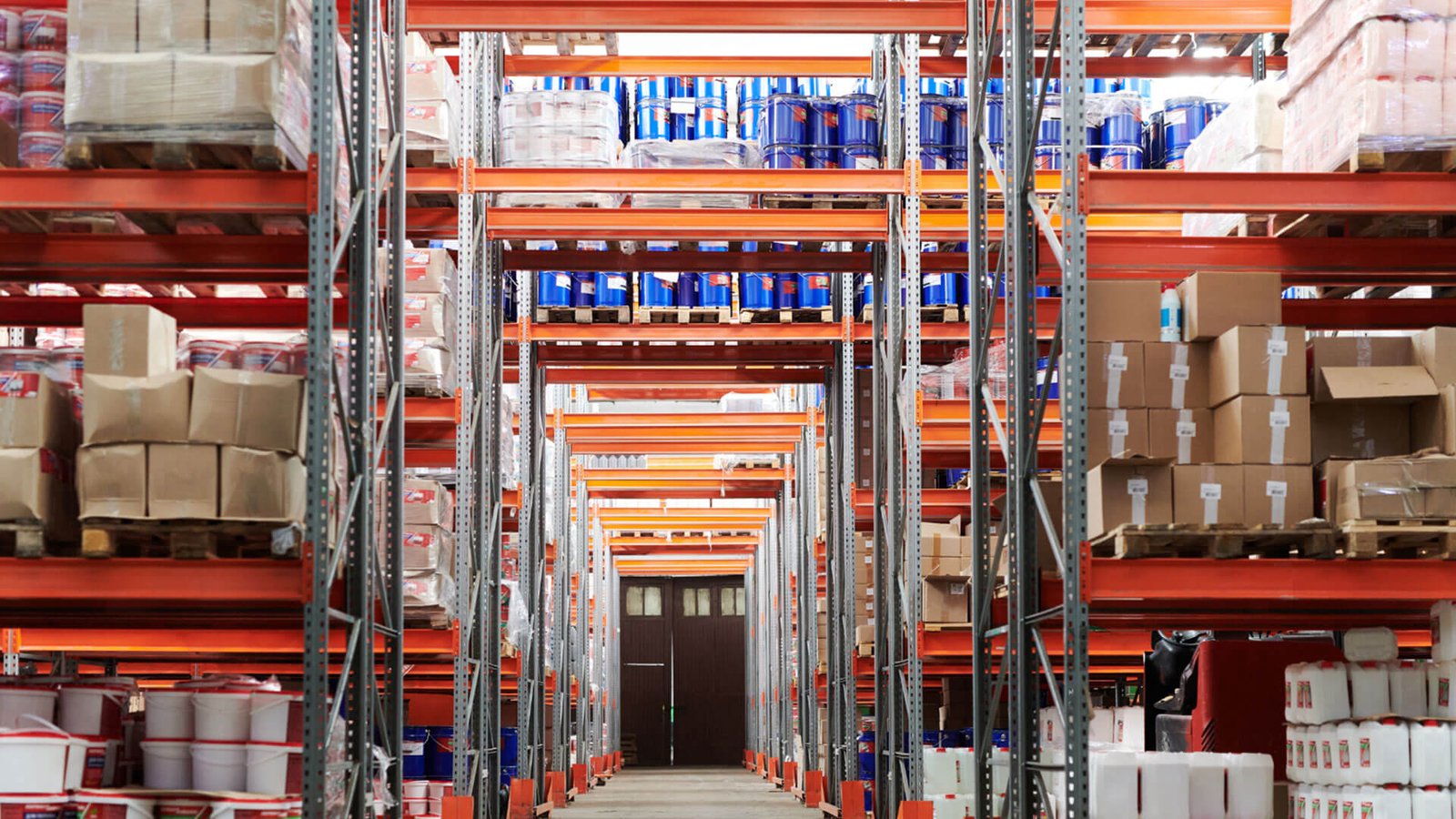
The choice between speed and cost is a constant battle for importers. I had a client, Mark, who needed to restock quickly before a major holiday. He chose air freight9. For his next, larger inventory order during the off-season, we used ocean freight6. This saved him thousands of dollars. The key is to match the shipping method to your specific situation.
Comparing Your Main Freight Choices
Most of my clients shipping from China to the USA use either ocean or air freight9. Understanding the pros and cons of each is essential for making a smart business decision.
| Feature | Ocean Freight | Air Freight |
|---|---|---|
| Cost | Much lower, especially for large, heavy shipments. | Significantly higher, priced by weight and volume. |
| Speed | Slower. Transit from China to the US can take 30-45 days, including customs. | Much faster. Transit can be as little as 7-10 days, including customs. |
| Volume/Weight | Ideal for bulk shipments, full containers (FCL), or partial containers (LCL). | Best for small, lightweight, high-value products or urgent restocks. |
| Best For | Cost-conscious sellers, planned inventory replenishment, large items. | Last-minute restocks, launching a new product, holiday season rush. |
My role is to make ocean freight6 simple and predictable for you. We handle the booking, the sea transit, and, most importantly, the US customs clearance. By bundling these services, we provide a seamless DDP (Delivered Duty Paid) solution. You get one price and one point of contact, which removes the stress of dealing with multiple companies.
Common Mistakes When Shipping to Amazon FBA and How to Avoid Them?
Are you worried about making a mistake that could get your FBA shipment stuck? These common errors are surprisingly easy to make. I'll help you learn how to avoid them.
Common mistakes include incorrect labeling10, improper packaging, and shipping to the wrong fulfillment center. To avoid delays, ensure your products meet Amazon's strict requirements and work with a customs broker to streamline the customs process, preventing costly mistakes.
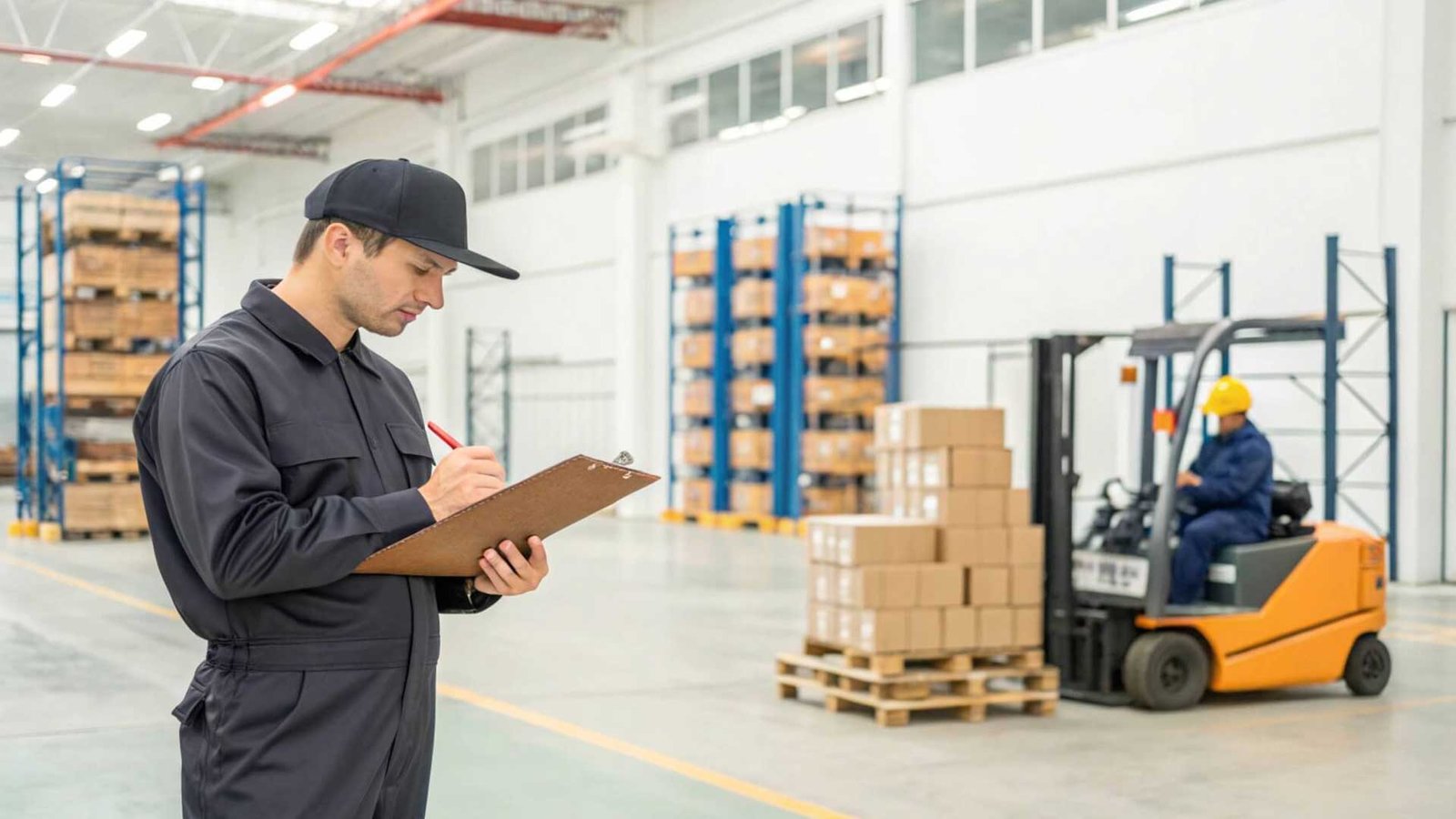
I've seen it all. A client once had a whole container delayed for two weeks because the carton labels were wrong. It was a simple error that cost them thousands in lost sales. These experiences have taught me where the biggest risks are. The good news is that they are all avoidable with proper planning and expert help.
Top 4 Mistakes and How to Fix Them
Let's look at the most frequent problems and simple ways to prevent them. A little bit of prevention is worth a pound of cure, especially in logistics.
-
Incorrect Paperwork for Customs:
- Mistake: The Commercial Invoice, Packing List, or Bill of Lading contains errors. The declared value might be wrong, or the product description (HS code) is incorrect.
- Solution: This is where a customs broker is essential. We review all your documents before the shipment arrives. We make sure everything is accurate to prevent customs holds or inspections.
-
Labeling and Packaging Errors:
- Mistake: FNSKU barcode8s don't scan, suffocation warnings are missing from poly bags, or boxes are over the 50 lb weight limit.
- Solution: Provide your supplier with a crystal-clear checklist. Better yet, have a third party in China inspect the goods before they ship. We can help you connect with reliable partners for this.
-
Ignoring Import Duties and Taxes:
- Mistake: Not budgeting for US import duties. This can lead to a surprise bill and your cargo being held by customs until it's paid.
- Solution: We calculate duties and taxes for you upfront. With our DDP (Delivered Duty Paid) service11, all these costs are included in your initial quote. No surprises.
-
Poor Communication with Your Supplier:
- Mistake: Assuming your supplier knows all of Amazon's latest FBA rules. These rules change, and what worked last year might not work today.
- Solution: Don't assume. Communicate clearly and provide detailed instructions for every single shipment. Keep a direct line of communication open with both your supplier and your logistics partner.
How to Maximize Your Shipping Savings When Sending Inventory to Amazon FBA?
Are high shipping fees eating into your profits? Every dollar you save on logistics is a dollar that goes straight to your bottom line. Let's find those savings together.
To maximize shipping savings12, choose the right freight method, consolidate shipments13, and work with a logistics partner. Ocean freight is cost-effective for large shipments. Using a customs broker helps prevent delays and extra fees during customs clearance, which also saves you money.
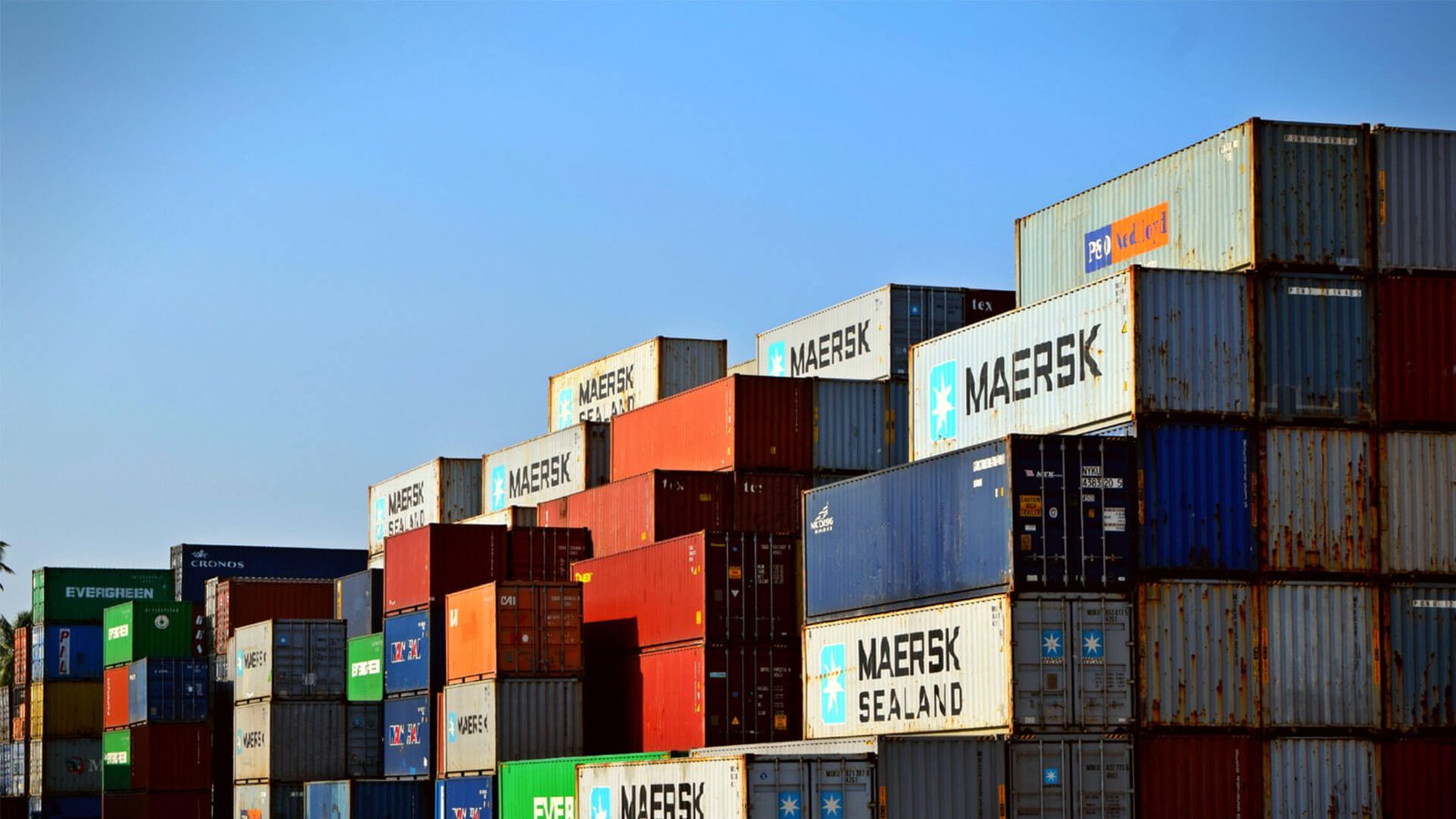
Every successful importer I know is obsessed with managing costs. It's not about being cheap; it's about being smart. You shouldn't have to sacrifice reliability to get a good price. The secret is to plan your shipments strategically and work with a partner who understands how to optimize the entire process for you.
Smart Strategies to Lower Your Shipping Costs
Saving money on shipping isn't about one big trick. It's about making several small, smart decisions that add up. Here are the most effective strategies I recommend to my clients.
-
Ship in Bulk with Ocean Freight: This is the single biggest way to save. The cost per unit to ship by sea is a fraction of shipping by air. Plan your inventory needs so you can place larger, less frequent orders.
-
Consolidate Shipments (LCL): Don't have enough goods for a Full Container Load (FCL)? No problem. Use Less than Container Load (LCL) shipping. We combine your shipment with others in the same container. You only pay for the space you use.
-
Use a DDP Service: When you get a quote for Delivered Duty Paid (DDP) shipping, it includes everything: ocean freight6, insurance, customs duties, and final delivery. This prevents surprise fees from customs or trucking companies later on. It makes budgeting simple and predictable.
-
Optimize Your Packaging: Make your boxes as compact and light as possible without sacrificing protection. Carriers charge based on dimensional weight (a combination of size and weight). Wasted space is wasted money.
-
Plan Ahead and Ship Off-Peak: Shipping rates fluctuate. They are highest right before major holidays like Christmas or Chinese New Year. By planning your inventory and shipping during slower periods, you can secure lower freight rates.
How Long Does It Take to Ship to Amazon FBA?
Wondering when your inventory will actually arrive at Amazon? Unpredictable lead times can lead to stockouts or overstocking. Let's clarify the timeline so you can plan effectively.
Shipping to Amazon FBA can take a few days by air or several weeks by sea. Lead times depend on the shipping method and customs clearance. A customs broker helps speed up the process by managing documents and ensuring fast clearance, reducing overall transit time.
"Where is my stuff?" is the most common question I get. Understanding the total lead time, from your supplier's factory to the Amazon warehouse, is critical for inventory management. You need to account for production time, transit time, and potential delays. A good partner gives you visibility and helps you manage that timeline.
Typical FBA Shipping Timelines from China to USA
The total time can vary, but here is a general guide. The biggest variables are the shipping method and how quickly your shipment clears US customs.
| Stage | Air Freight (Typical) | Ocean Freight (Typical) | Notes |
|---|---|---|---|
| Factory to Port/Airport | 1-3 days | 2-5 days | This depends on your supplier's location in China. |
| Transit Time | 3-7 days | 20-35 days | This is the time spent in the air or on the water. West Coast ports are faster than East Coast ports for sea freight. |
| US Customs Clearance | 1-2 days | 2-7 days | This is where a good customs broker makes a huge difference. We pre-file documents to speed this up. |
| Port/Airport to Amazon | 2-5 days | 3-7 days | This is the final trucking delivery to the assigned Amazon FBA fulfillment center. |
| Total Estimated Time | 7-17 days | 27-54 days | These are estimates. Port congestion or customs inspections can add delays. |
As your customs broker, my primary goal during the shipping process is to make the "US Customs Clearance" stage as short and smooth as possible. We do this by ensuring all paperwork is perfect before the shipment even arrives. By managing this critical step efficiently, we help keep your entire supply chain on schedule and prevent your cargo from getting stuck at the port.
Conclusion
Shipping to Amazon FBA doesn't have to be a major challenge. With the right planning and a reliable partner, you can get your products to market efficiently and affordably.
Proper preparation and labeling of products are essential to meet Amazon's standards and avoid shipment rejections. ↩
Creating a shipping plan is a vital step in organizing and managing your inventory shipments to Amazon FBA. ↩
Choosing the right freight method can significantly impact shipping costs and delivery times for your Amazon FBA shipments. ↩
Understanding the FBA shipping process is crucial to avoid costly delays and ensure smooth delivery to Amazon warehouses. ↩
Understanding Amazon's packaging rules helps prevent shipment rejections and ensures safe delivery of your products. ↩
Ocean freight is a cost-effective option for large shipments, and understanding it can save you money. ↩
A customs brokerage service ensures smooth customs clearance, preventing delays and additional costs. ↩
Understanding the importance of FNSKU barcodes helps prevent labeling errors that can lead to shipment rejections. ↩
Comparing air and ocean freight helps you decide the best shipping method based on speed and cost. ↩
Correct labeling is crucial to prevent shipment rejections and ensure your products reach Amazon warehouses. ↩
Using a DDP service simplifies the shipping process by covering all costs, including duties and taxes. ↩
Maximizing shipping savings increases your profit margins and reduces overall logistics costs. ↩
Consolidating shipments can reduce costs and improve efficiency when sending inventory to Amazon FBA. ↩