Shipping products to Amazon can feel overwhelming. Many sellers wonder if hiring a freight forwarder1 is worth the investment. Understanding the ins and outs of this process is crucial for success.
An Amazon FBA freight forwarder1 coordinates international transportation2, customs clearance3, and final delivery to Amazon fulfillment centers4. For U.S. importers, this includes managing documentation, duties, labeling, and appointment scheduling so inventory arrives compliant and ready for sale.
Navigating FBA shipping requires knowledge and expertise. If you get it wrong, it can lead to costly mistakes. So, let’s explore the role of an Amazon FBA freight forwarder1 and why they might be essential for your business.
An Amazon FBA freight forwarder1 manages international shipping, customs clearance3, and delivery to Amazon fulfillment centers4 on the seller’s behalf?
Getting products from overseas to Amazon can be complicated. I remember when I first started shipping internationally. I found it hard to keep up with regulations and documentation requirements5. That's where an Amazon FBA freight forwarder1 comes in handy.
An Amazon FBA freight forwarder1 coordinates international transportation2, customs clearance3, and final delivery to Amazon fulfillment centers4. For U.S. importers, this includes managing documentation, duties, labeling, and appointment scheduling so inventory arrives compliant and ready for sale.
Freight forwarders act as a bridge between sellers and Amazon. They ensure that your products comply with both U.S. customs rules6 and Amazon's requirements. This means the right paperwork is submitted, duties are paid, and everything is correctly labeled for seamless delivery.
It's important to understand that freight forwarder1s handle much more than just shipping. They manage the entire logistical process, ensuring packages are delivered on time and in good condition. This reduces the stress on sellers, allowing them to focus on sales and marketing instead.
Amazon FBA sellers typically need a freight forwarder1 when importing goods internationally to ensure customs compliance and correct FBA delivery?
When I first imported goods, I didn’t realize how much I needed a freight forwarder1. Many sellers think they can handle everything by themselves. However, this can often lead to problems with U.S. customs and Amazon.
Most international FBA shipments require a freight forwarder1 because sellers must act as the importer of record7, comply with U.S. customs rules6, and deliver inventory according to Amazon’s strict routing and labeling requirements. Forwarders help bridge the gap between overseas factories and Amazon’s fulfillment network.
The process of importing can be overwhelming. Without assistance, it’s easy to make mistakes. A freight forwarder1 ensures that all necessary documentation is in order. They also help sellers understand the implications of being the importer of record7. This is critical for compliance with U.S. customs regulations.
If you’re new to FBA, a forwarder can help guide you through the complexities of customs clearance3. This includes filing entry documents, paying duties, and ensuring that shipments comply with Amazon's standards. It’s a smart investment for anyone serious about selling on Amazon.
Shipping can be risky. I’ve faced delays and fines because I didn’t have the right support. Freight forwarders help minimize these risks significantly.
Freight forwarders reduce FBA risk by coordinating customs clearance3 with U.S. Customs and Border Protection, ensuring cartons and pallets meet Amazon standards, and securing delivery appointments. Without this coordination, sellers risk shipment holds8, refused deliveries, or costly Amazon penalties.
One issue I encountered was labeling errors that led to shipment rejections. This can be costly and delay your products from reaching Amazon. A freight forwarder1 knows the specifics of Amazon's requirements. They ensure that your labels and documentation are correct before your items leave the factory.
They also coordinate delivery appointments with Amazon. This is crucial because Amazon has strict timeframes for receiving shipments. Without proper scheduling, you risk having your shipment turned away, which can lead to further complications and costs.
The decision to use a freight forwarder1 depends on shipment size, origin country, Incoterms, and the seller’s ability to manage import compliance?
Deciding whether to hire a freight forwarder1 is not always straightforward. I often get asked about the right time to bring one on board. There are several factors to consider.
Smaller sellers shipping domestically may not need a forwarder, but international FBA imports often require professional support. Factors such as ocean freight volume, EXW or FOB Incoterms9, duty exposure, and compliance experience determine whether a freight forwarder1 is essential.
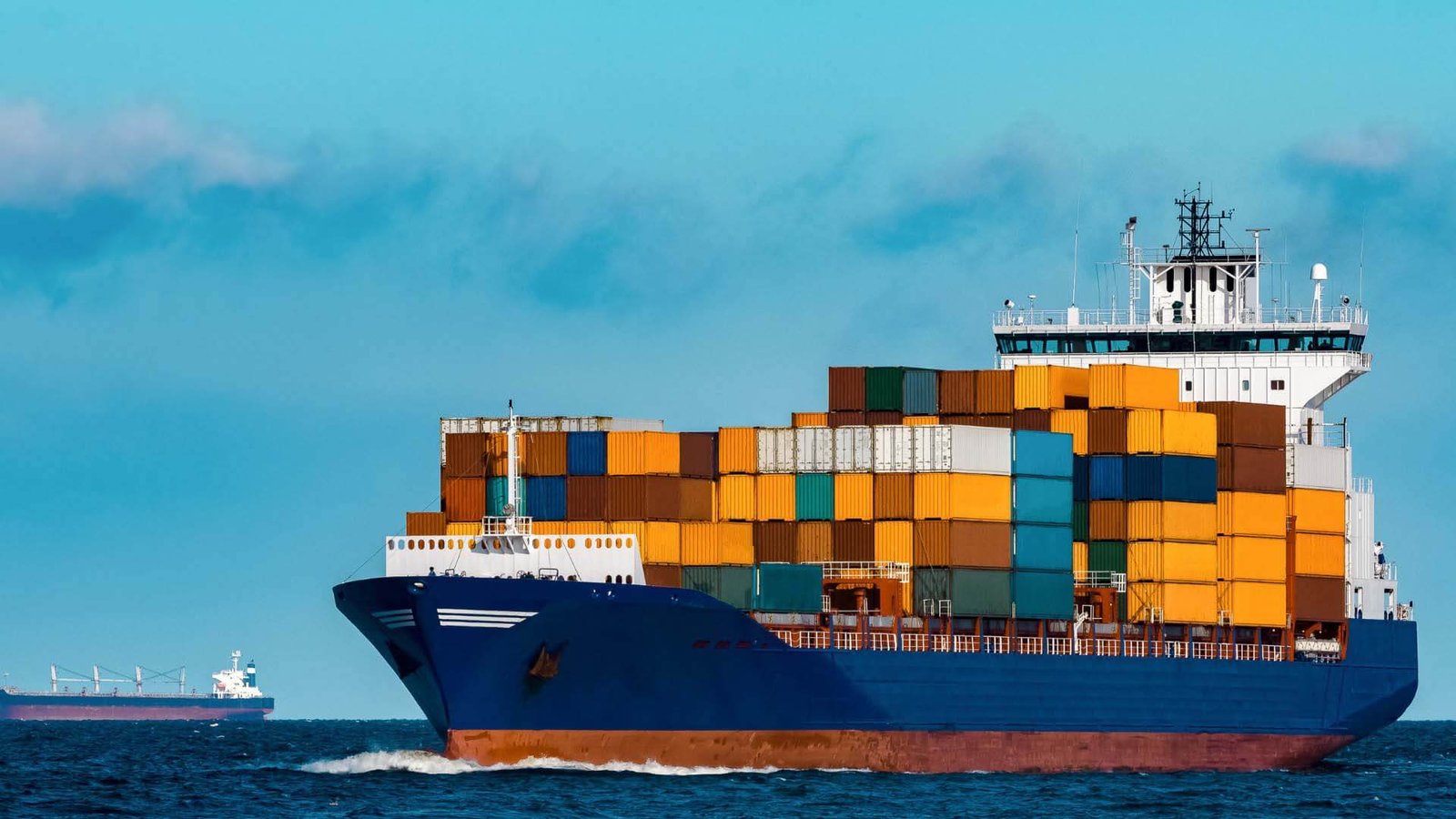
For instance, if you're shipping small volumes and know the regulations well, you might be able to manage without a freight forwarder1. But larger shipments from countries with complex regulations often need professional help. Each situation is unique, and understanding your specific needs is key.
Additionally, knowing your Incoterms is vital. Terms like EXW (Ex Works) or FOB (Free on Board) can impact your responsibilities as an importer. A freight forwarder1 can provide clarity and assistance in navigating these terms, ultimately ensuring compliance and smooth delivery.
Experienced FBA freight forwarder1s help sellers control landed costs10, scale inventory imports, and avoid costly Amazon fulfillment disruptions11?
Cost control is always a concern for us sellers. The right freight forwarder1 can help manage expenses effectively.
By consolidating freight12, optimizing routes, and managing duties and fees, experienced FBA freight forwarder1s help sellers control landed cost. This support enables predictable restocking, smoother scaling, and fewer interruptions to inventory availability on Amazon.
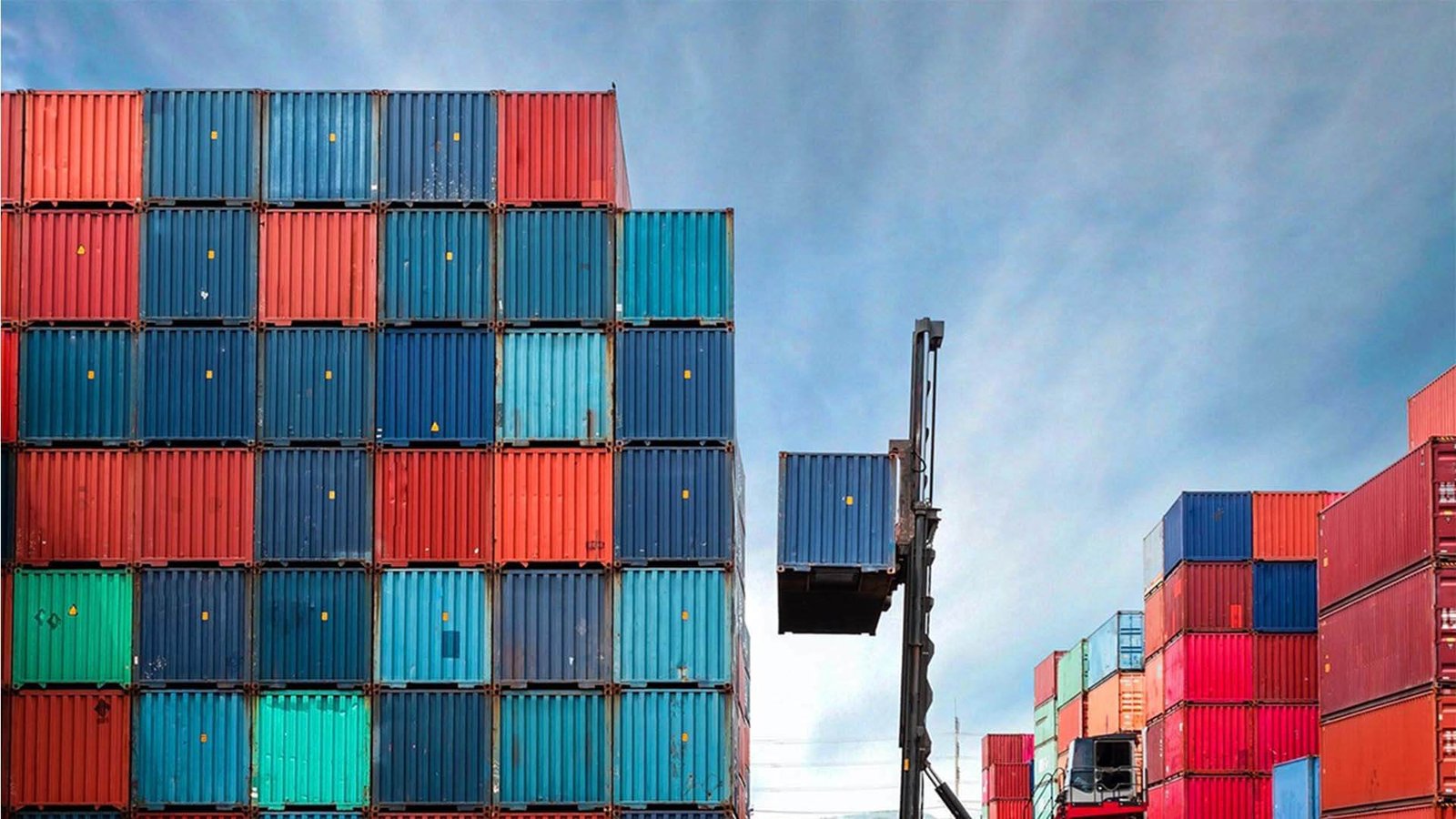
A good freight forwarder1 knows how to consolidate shipments. This means you can get better rates and control your shipping costs. They also manage customs duties effectively, ensuring that you’re not paying more than necessary.
I appreciate having someone in my corner who understands how to navigate the complexities of international shipping. Experienced freight forwarder1s can help you scale your business without the common pitfalls that lead to delays and increased costs.
Conclusion
In conclusion, using an Amazon FBA freight forwarder1 can simplify your shipping process and reduce risks, making it a vital part of your FBA strategy.
Understanding the role of a freight forwarder can help streamline your shipping process and ensure compliance with international regulations. ↩
Learn how international transportation is managed for Amazon FBA to ensure your products reach fulfillment centers efficiently. ↩
Customs clearance is crucial for avoiding delays and fines when shipping internationally to Amazon fulfillment centers. ↩
Discover how Amazon fulfillment centers work to better understand the logistics of storing and shipping your products. ↩
Proper documentation is essential for compliance and smooth delivery to Amazon FBA, avoiding costly mistakes. ↩
Complying with U.S. customs rules is vital for successful international shipping to Amazon FBA. ↩
Understanding the responsibilities of being the importer of record is key to compliance with U.S. customs regulations. ↩
Avoiding shipment holds ensures timely delivery and prevents disruptions in your Amazon FBA operations. ↩
Understanding Incoterms like EXW and FOB can help you manage your shipping responsibilities and costs effectively. ↩
Controlling landed costs is crucial for maintaining profitability when importing goods to Amazon FBA. ↩
Avoiding disruptions in Amazon fulfillment ensures continuous availability of your products and customer satisfaction. ↩
Freight consolidation can reduce shipping costs and improve efficiency for Amazon FBA sellers. ↩