Your aerospace program has a problem. A shipment is stuck, a part is missing, and your production line is at risk. Managing this supply chain is a constant source of stress.
Aerospace logistics is uniquely complex because it combines multi-tier global suppliers1, zero-tolerance for component failure2, extreme security needs, and strict government regulations like ITAR and EAR. Unlike standard freight, every shipment is a high-stakes process3 where a single error can cause massive financial and operational disruption.
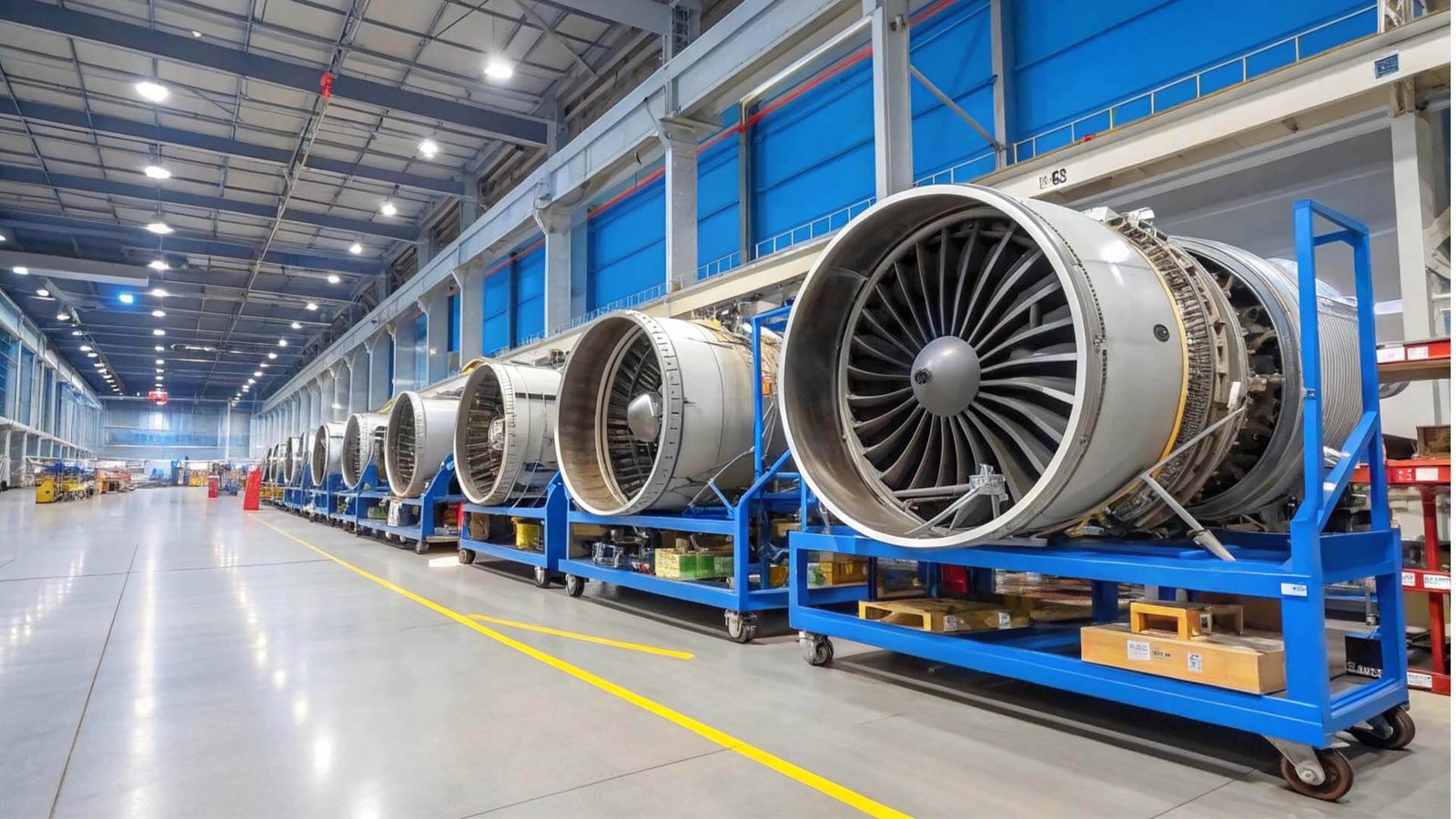
This guide is for U.S. importers sourcing from aerospace and defense suppliers. I've spent years managing these supply chains, specifically for cargo moving from China to the USA. The risks are high, but they are manageable. This guide explains what makes aerospace logistics so uniquely difficult. It also shows how successful importers manage it without constant disruption. We will cover the specific risks of China sourcing, U.S. customs scrutiny4, ITAR/EAR compliance, and production delays5. Let's break it down.
Why does aerospace and defense logistics break down more often than any other supply chain?
You expect parts on time, but they are consistently late. Standard freight forwarders don't seem to understand the urgency or the details. You feel like you're constantly fighting fires.
This supply chain fails more often because it relies on long chains of multi-tier suppliers6 with zero margin for error. A small delay at a sub-tier supplier in China can ripple through the entire system, while fragile, high-value components7 demand specialized handling that standard logistics providers cannot offer.
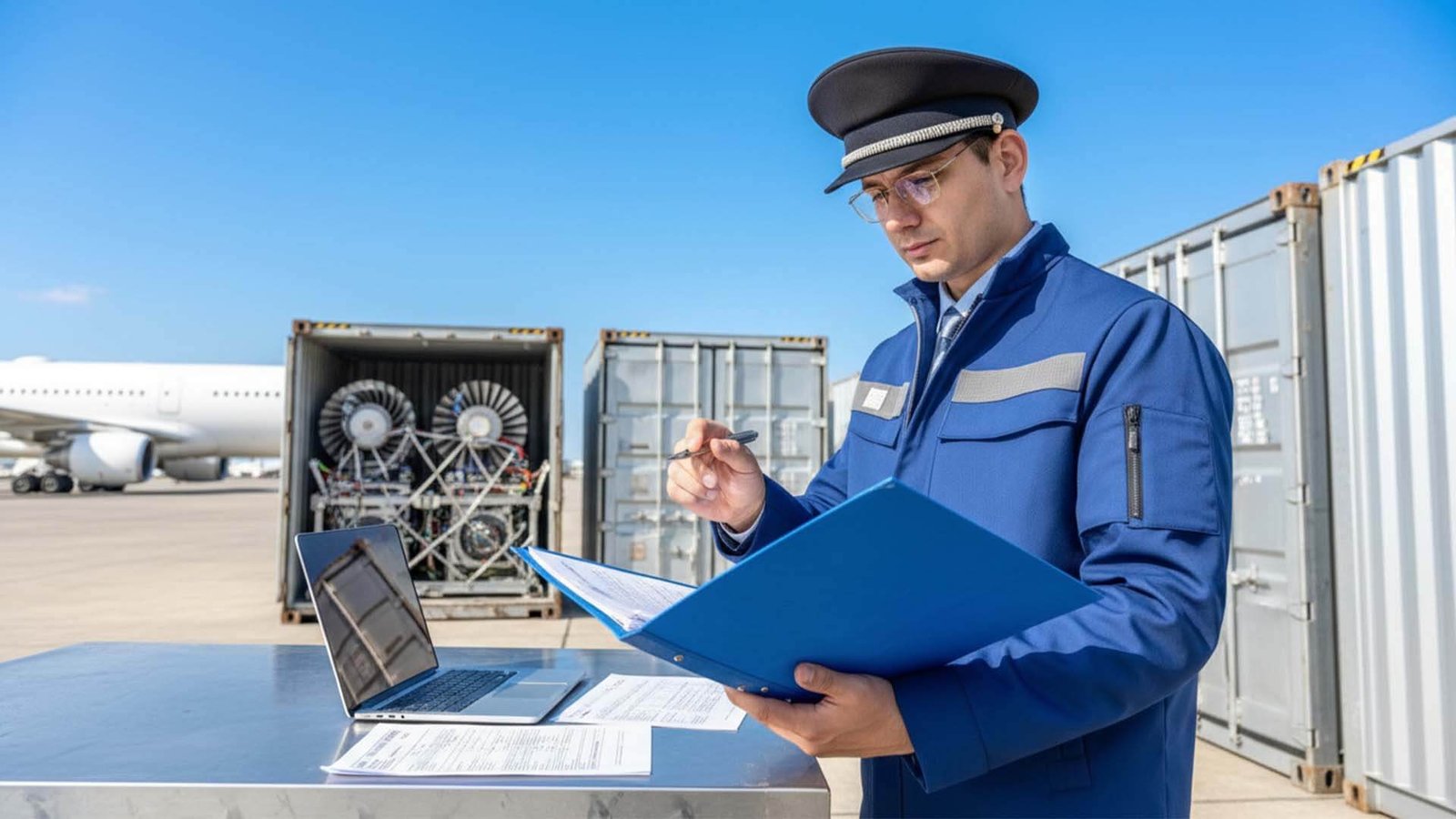
Let's go deeper into why this happens. The problem starts with the supplier base. Your primary supplier, the OEM, doesn't make everything. They rely on a Tier 1 supplier for a major sub-assembly. That Tier 1 supplier relies on a Tier 2 for specific components. That Tier 2 might even use a small, specialized machining shop for a single process. I've seen this firsthand with clients sourcing from industrial hubs in China. A problem at that small machine shop can create a delay that no one at the top even sees until it's too late.
This structure has several critical failure points:
- Long Qualification Cycles: It takes years to qualify a supplier. You can't just switch to a new one if there's a problem. You are locked in.
- Zero Tolerance for Delay: An aerospace assembly line is not like a consumer goods factory. You can't just "catch up" on production. A missing part can stop a multi-million dollar program.
- Fragile, High-Value Parts: These components are often sensitive to temperature, vibration, or shock. They require custom crating and handling. Standard freight forwarders treat it like any other box, which is a huge risk.
This is why "standard freight forwarding" fails. They are built for volume and cost, not for the high-touch, zero-fail environment of aerospace.
You think you've handled the shipping, but then you get a notice. Your container is held by U.S. Customs. The questions start, and no one has clear answers. This is a huge, hidden risk.
Yes, compliance is the top hidden risk. A simple documentation error related to Export Control Classification Numbers (ECCNs)8 or International Traffic in Arms Regulations (ITAR)9 can lead to seized shipments, huge fines, and even being barred from importing. These are not just shipping issues; they are national security issues.
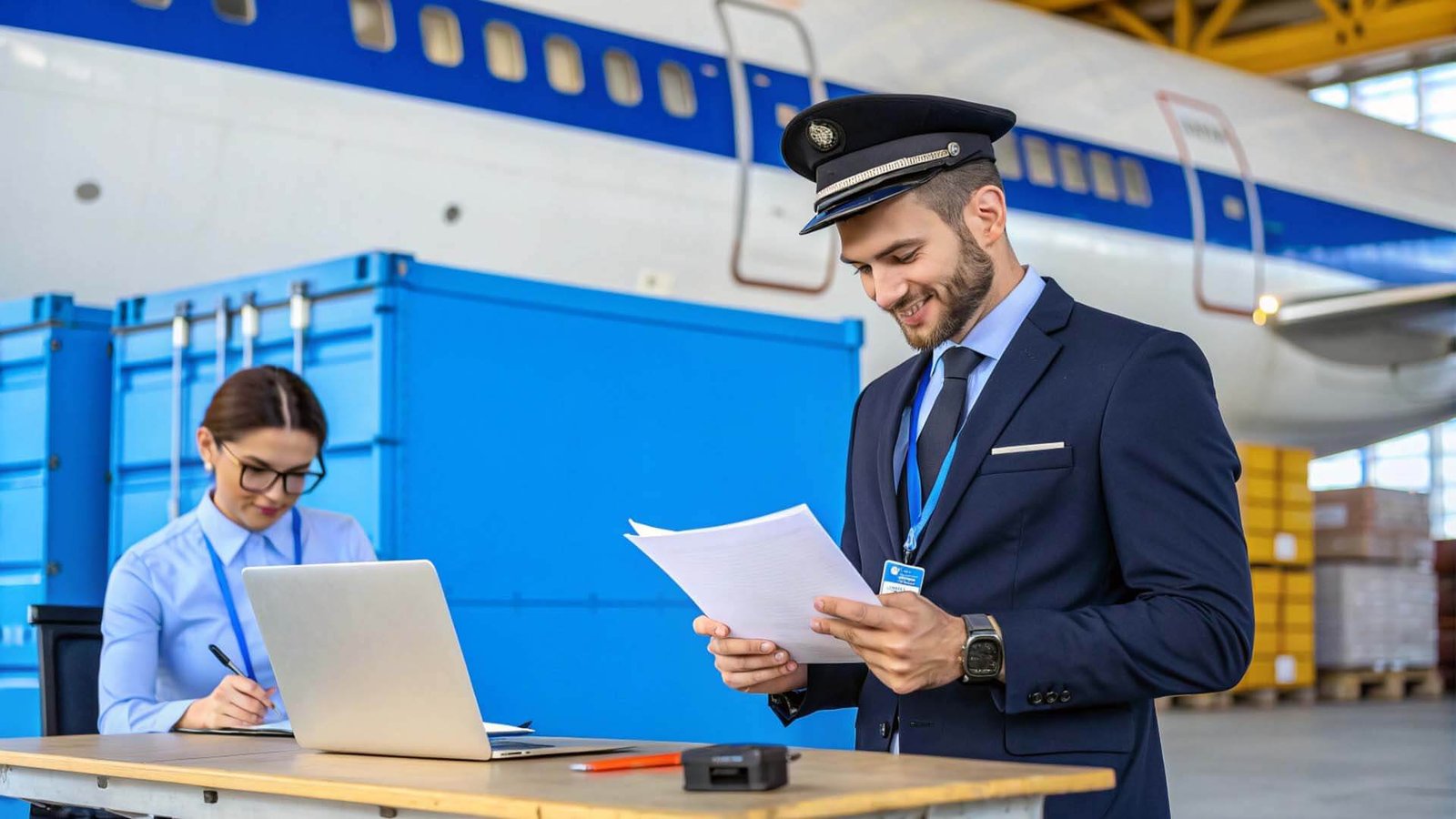
For U.S. importers sourcing from countries like China, this is the area I see cause the most damage. It's crucial to understand the difference between ITAR and EAR.
- ITAR (International Traffic in Arms Regulations): Governs defense-specific items. Think parts for a fighter jet. These are on the U.S. Munitions List (USML). The rules are extremely strict.
- EAR (Export Administration Regulations): Governs "dual-use" items. These are commercial items that could have a military application. Think advanced GPS systems or carbon fiber. These items have an Export Control Classification Number (ECCN).
When we manage shipments from China to the U.S., we see common failure points that trigger alarms with Customs and Border Protection (CBP) or the Bureau of Industry and Security (BIS). When a shipment is flagged, it stops. An investigation begins. This can take weeks or months.
Common Compliance Mistakes That Cause the Longest Delays
- Misclassified HTS Codes: Using a generic code for a highly specific, controlled part.
- Missing or Incorrect ECCN: Failing to declare the proper ECCN for a dual-use item.
- Vague Cargo Descriptions: Using terms like "Aircraft Parts" is a major red flag for customs.
- Incorrect Importer of Record (IOR): The entity legally responsible for the import must be correctly identified and have the authority to import these goods.
- Shipments to/from Denied Parties: Not screening every single entity in the supply chain against government watchlists.
A mistake here isn't just a delay. It's a serious compliance violation that can have severe consequences for your business.
Does security-cleared transportation and chain-of-custody control10 define aerospace logistics success?
You worry about your high-value cargo. It's not just the cost of the parts; it's the intellectual property and the risk of theft or tampering. You need to know it's secure from end to end.
Absolutely. For high-value, sensitive, or dual-use components, success is defined by a secure, documented chain of custody. You must prevent theft, tampering, and unauthorized access. This requires secure facilities, limited handoffs, and a fully auditable trail from the factory to your door.
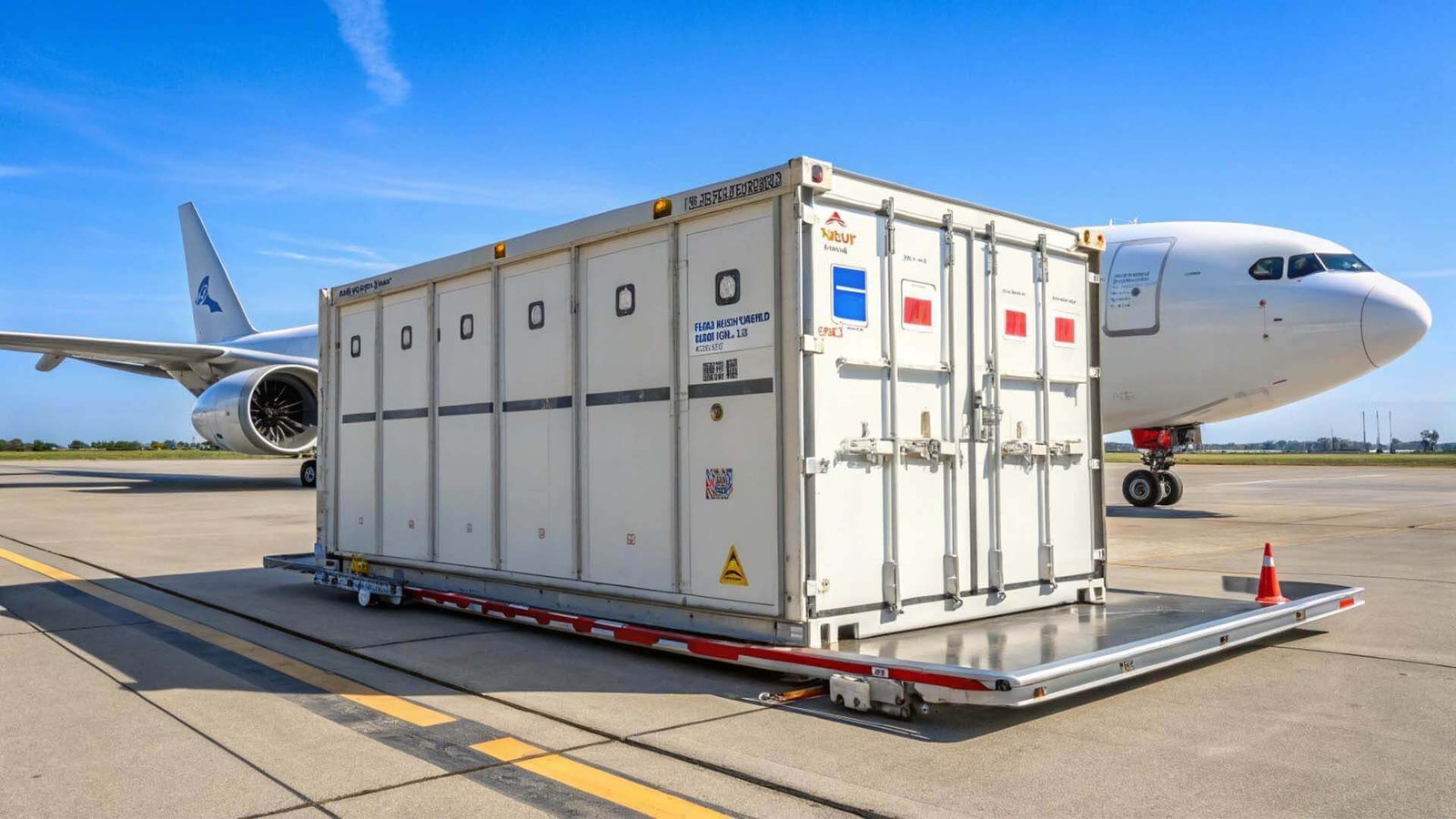
We are not moving t-shirts. We are moving technology that is critical to national security and high-value programs. The risk of theft or industrial espionage is real. A standard logistics process involves many handoffs: from the factory truck to a warehouse, to a port terminal, onto a vessel, off the vessel, to another warehouse, and finally onto a delivery truck. Every handoff is a point of vulnerability.
Aerospace-grade logistics minimizes these risks. For ocean freight, this means using sealed containers that are loaded at a secure facility and only opened at the final, secure destination. For critical air freight, it means using carriers with secure, monitored facilities and dedicated personnel. The goal is to create a "secure lane" for the cargo.
Here is how aerospace-grade security differs from standard freight:
| Feature | Standard Freight | Aerospace-Grade Logistics |
|---|---|---|
| Handoffs | Multiple, often undocumented | Minimized, fully documented |
| Facilities | Open, shared warehouses | Secure, access-controlled facilities |
| Personnel | General warehouse staff | Security-screened personnel |
| Tracking | Basic milestone scans | Real-time tracking with tamper alerts |
| Chain of Custody | Not a primary focus | Core requirement, fully auditable |
| Sealing | Standard container seal | High-security seals, photo-documented |
When I talk to clients, I emphasize that the cost of a security failure is always higher than the cost of a secure process. It's about risk mitigation11, not just transportation.
Is volatile demand and supplier fragility the biggest challenge for lead-time reliability?
Your production schedule is set, but then a program is delayed. Or, a supplier suddenly can't deliver. Now you have parts you don't need, and you're missing parts you do need. This volatility wrecks any planning.
Yes, demand volatility and supplier issues make lead-time reliability the hardest part of aerospace logistics. An unexpected Aircraft on Ground (AOG) event12 or a production line stoppage requires immediate response, while program delays can leave you with costly inventory. Balancing these extremes is a constant challenge.
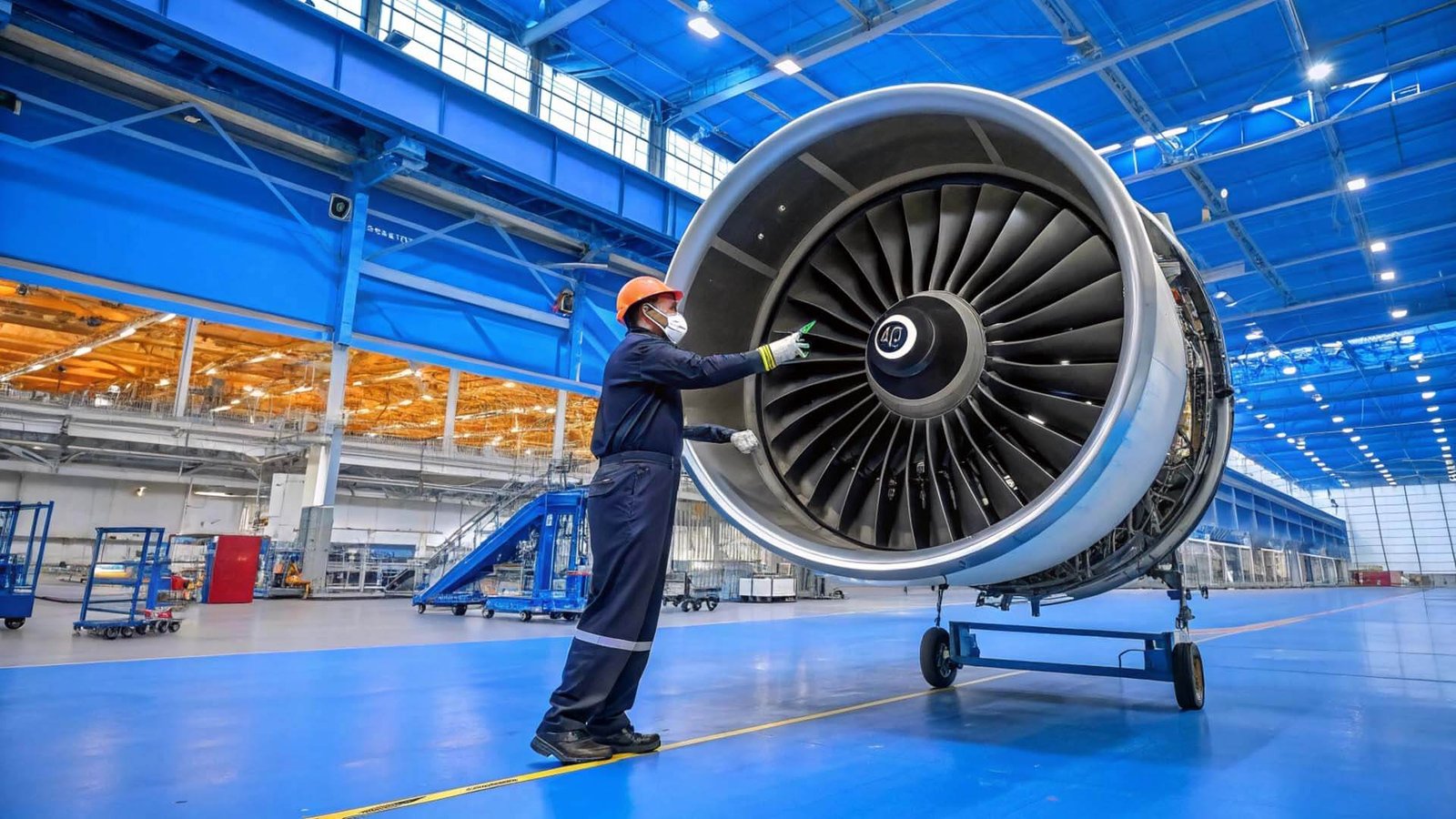
In my experience, this is where importers feel the most pain. Let's look at the scenarios. An AOG event means a plane is grounded and not generating revenue. Every hour costs thousands of dollars. You need a replacement part now. This requires an air-critical shipment, where speed is the only thing that matters. Cost is secondary.
On the other hand, you have standard production parts for a new aircraft program. You plan for a steady flow via ocean freight to keep costs down. Then, the program is delayed by six months. Suddenly, your steady flow of parts is a mountain of inventory you have to store and pay for. The fragility of the supply chain adds another layer of risk. A key supplier in China could face a production issue, immediately threatening your build schedule back in the U.S.
Holding extra "buffer stock" seems like a solution, but it's often not practical in aerospace.
- High Cost: The parts are too expensive to keep large quantities on hand.
- Obsolescence: Designs change, and a part can become obsolete while sitting in a warehouse.
- Storage Requirements: Many components require climate-controlled or specialized storage.
This forces a constant, high-stakes decision between cost-effective ocean freight and expensive, urgent air freight. The key is having a logistics partner who can manage both modes seamlessly and provide the visibility you need to make the right call.
Do aerospace importers need logistics partners that manage compliance, cost, and continuity end-to-end?
You're tired of coordinating between your supplier, a freight forwarder, and a separate customs broker. When something goes wrong, they blame each other, and you're stuck in the middle. This fragmented approach is failing you.
Yes, a fragmented system with multiple vendors is a primary source of risk. Aerospace importers need a single, integrated partner who manages export compliance in China, secure transportation13, and U.S. customs brokerage. This end-to-end control14 is the only way to ensure compliance, cost-efficiency, and continuity.
The old model of using separate, specialized vendors creates gaps. The freight forwarder doesn't understand ITAR. The customs broker doesn't know about the supplier's export license. The supplier doesn't know U.S. import requirements. These gaps are where errors, delays, and compliance violations15 happen. I've seen it time and time again.
An integrated logistics partner16 closes these gaps. They act as a single point of control and accountability for the entire process. Here’s what that looks like in practice:
- Export Coordination in China: They work directly with your supplier to ensure all export documentation is perfect before the cargo moves. They verify licenses and screen all parties.
- Secure Transit: They manage the booking on a secure ocean or air carrier, control the chain of custody, and provide you with total visibility.
- U.S. Customs Brokerage: As a licensed customs broker, they handle the import declaration, leveraging their deep knowledge of aerospace regulations to ensure smooth clearance.
- Post-Entry Compliance: They maintain all records for audit purposes and can help you navigate any inquiries from government agencies after the fact.
This integrated approach transforms logistics from a reactive, fragmented cost center into a proactive, strategic advantage. It's about replacing uncertainty with control.
Conclusion
Aerospace logistics is a discipline of risk management. Success depends on rigorous process control, deep compliance knowledge, and end-to-end security, not just on speed or cost alone.
Understanding the complexity of multi-tier global suppliers can help you manage risks and improve efficiency in aerospace logistics. ↩
Learn why zero-tolerance for component failure is essential to prevent financial and operational disruptions in aerospace logistics. ↩
Discover why each shipment in aerospace logistics is high-stakes and how to manage the associated risks effectively. ↩
Understand the impact of U.S. customs scrutiny on aerospace logistics and how to navigate compliance challenges. ↩
Learn about the common causes of production delays in aerospace logistics and strategies to manage them. ↩
Explore how long chains of multi-tier suppliers can lead to failures in aerospace logistics and ways to address them. ↩
Find out why specialized handling is necessary for fragile, high-value components in aerospace logistics to prevent damage. ↩
Understand the importance of ECCNs in aerospace logistics and how they help in compliance and risk management. ↩
Learn about the role of ITAR in aerospace logistics and why strict adherence is necessary for importers. ↩
Explore the importance of chain-of-custody control in ensuring security and success in aerospace logistics. ↩
Learn about strategies for risk mitigation in aerospace logistics to ensure smooth operations and prevent disruptions. ↩
Understand the implications of an AOG event on aerospace logistics and how to respond effectively to minimize downtime. ↩
Discover the key elements of secure transportation in aerospace logistics to protect high-value and sensitive components. ↩
Explore the benefits of end-to-end control in aerospace logistics for improved compliance, cost-efficiency, and continuity. ↩
Identify common compliance violations in aerospace logistics and understand their potential consequences for your business. ↩
Find out why having an integrated logistics partner is crucial for aerospace importers to ensure compliance and efficiency. ↩