Shipping can be stressful. Uncertainty about costs, responsibilities, and risks often leads to anxiety for importers. Understanding Incoterms helps minimize these concerns.
Incoterms reduce shipping risk1 by clearly defining who is responsible for costs, transportation control, and cargo risk at each stage of a shipment. This clarity prevents disputes, closes responsibility gaps2, and ensures importers know exactly when risk transfers—allowing them to manage insurance, logistics, and accountability more effectively.
Navigating the complexities of international shipping is challenging. Each shipment carries risks that can significantly impact your bottom line. The clarity provided by Incoterms is crucial for effective risk management.
Incoterms reduce shipping risk1 by clearly defining when cost, control, and risk transfer from seller to buyer?
Many importers overlook the importance of clear definitions when it comes to shipping. Uncertainty can lead to unexpected costs and disputes. Incoterms provide that clarity.
The right Incoterm reduces exposure to hidden destination charges3, demurrage, detention, and delivery disputes. Importers who select terms without freight visibility4 often face unexpected costs and liability. Proper Incoterm selection aligns control with responsibility, reducing surprises and improving landed-cost predictability5.

Understanding Incoterms is essential for managing shipping risk1s effectively. They serve as a framework that defines the responsibilities of both the seller and the buyer. Each Incoterm specifies when costs, control, and risks transfer, helping to prevent ambiguity.
For example, if you choose an EXW (Ex Works)6 term, you bear a lot of risks—like managing logistics and potential costs—right from the seller's location. On the other hand, DDP (Delivered Duty Paid)7 shifts most responsibilities to the seller, reducing your exposure.
In the end, knowing which Incoterm to use is vital. It prevents hidden charges and liabilities that can arise during transit. Each term carries specific implications for costs, risks, and control, making the choice absolutely crucial for successful shipping.
Selecting the correct Incoterm can significantly impact your shipping experience. Some terms may seem convenient but could hide risks.
Not all Incoterms protect buyers equally. Terms that limit importer control while transferring early risk often increase exposure. Importers that understand how each Incoterm shifts responsibility can avoid terms that look convenient but create higher risk, cost overruns, and operational blind spots.

When it comes to Incoterms, knowledge is power. Selecting the right term not only helps avoid hidden charges but also prevents disputes over responsibilities.
For instance, Incoterms such as FOB (Free On Board) and FCA (Free Carrier) might appear straightforward, but they involve shifting risk at various points. If you fail to understand these terms, it can lead to unexpected costs such as demurrage and detention fees8.
Moreover, some importers often choose DDP for its perceived simplicity. While it minimizes upfront effort, it's crucial to ensure that the seller is trustworthy and compliant. Poor oversight can lead to compliance risks9 that could affect your shipment.
Ultimately, making the right choice in terms can save you from unnecessary headaches and expenses during transit.
Different Incoterms shift risk exposure differently, making some terms significantly safer for U.S. importers than others?
Risk varies with each Incoterm. Some terms are inherently safer for U.S. importers than others.
Insurance coverage depends on knowing exactly when risk transfers. Incoterms establish that point, allowing importers to secure coverage for the correct transport leg. Misaligned Incoterms often leave cargo uninsured during high-risk segments, leading to denied claims and unrecoverable losses.

Understanding the nuances of each Incoterm can help you choose the safest option. Some terms, like EXW, leave you exposed to the highest risk. You take on all responsibilities, including transport and customs clearance10. This lack of control can lead to significant cost overruns.
Other terms, such as CIF (Cost, Insurance, and Freight)11, transfer some risk to the seller but only if the shipment is insured. This makes it essential to verify the insurance coverage to avoid gaps in protection.
It's crucial to assess how each Incoterm aligns with your risk tolerance and logistical capabilities. The goal is to make informed decisions, ensuring that you minimize risk exposure while maximizing control during the shipping process.
Incoterms improve insurance coverage and claims outcomes by clearly establishing the point of risk transfer?
Many importers overlook the impact of Incoterms on insurance. The right Incoterm can significantly enhance your claims process.
Incoterms are most effective when aligned with freight control and customs planning. Importers who coordinate Incoterm selection with logistics and compliance teams gain better visibility, fewer disputes, improved insurance outcomes, and lower total risk from supplier pickup through final delivery.
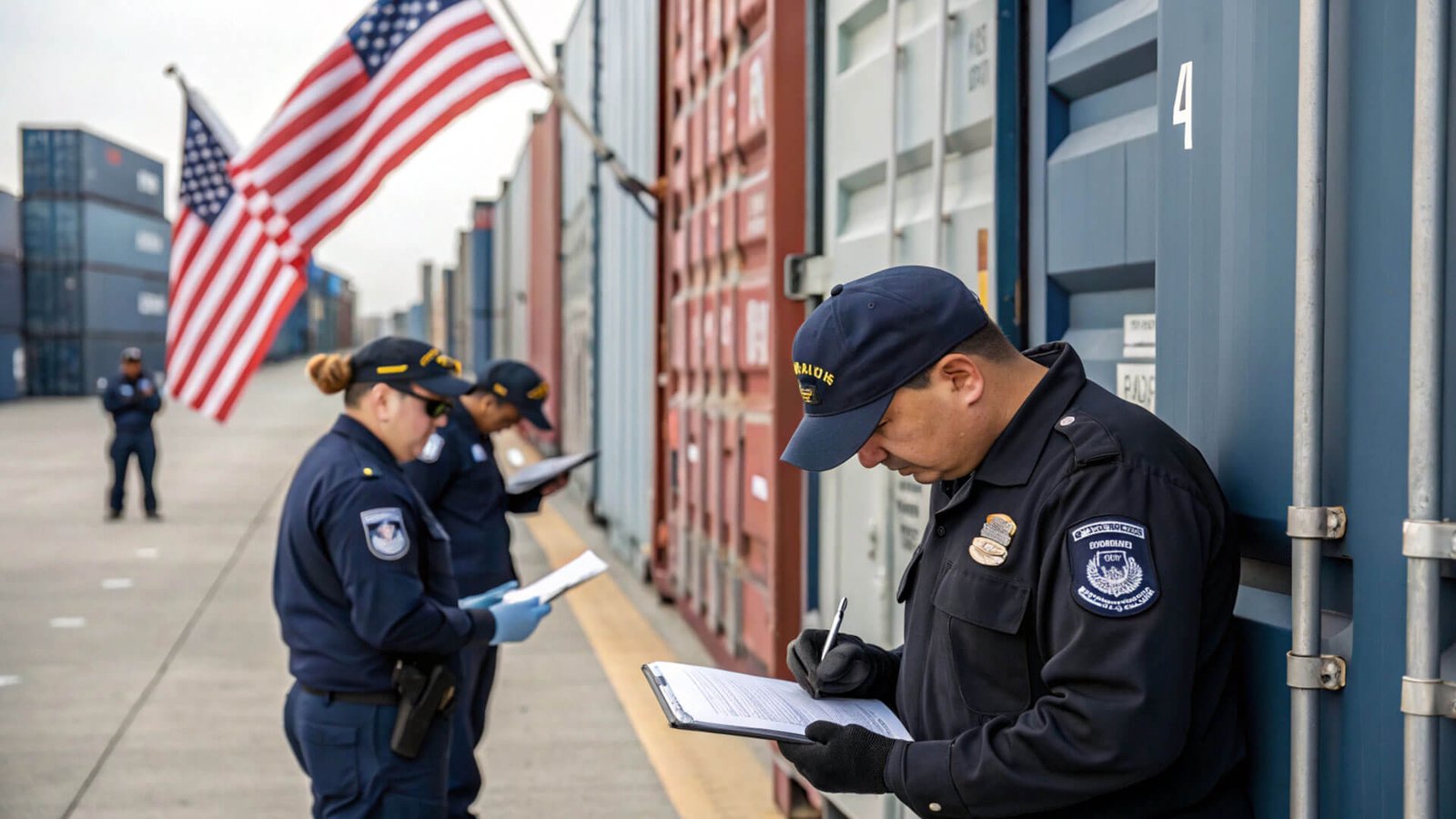
Insurance plays a significant role in shipping. Understanding when risk transfers according to Incoterms can enhance your insurance coverage. Misalignment can lead to scenarios where cargo is left uninsured during critical phases of transport.
For instance, under the CIP (Carriage and Insurance Paid to)12 term, the seller is responsible for insurance during transport. However, if the cargo is damaged and the insurance policy is inadequate or misaligned, you may face significant losses that are not recoverable.
Importers must be diligent in verifying insurance terms and coverage levels. It's essential to align Incoterms with your insurance strategy to ensure that you're fully protected during the entire shipment lifecycle.
Importers that align Incoterms with freight and customs strategy gain stronger risk control across the entire shipment lifecycle?
Aligning Incoterms with your overall logistics strategy is key to managing risk effectively.
Lower effort does not always mean lower risk—control and visibility matter more. Importers that coordinate Incoterm selection with logistics and customs processes not only mitigate risks but also improve operational efficiency.

An effective logistics strategy involves more than just choosing the right Incoterm. It requires a comprehensive approach that considers freight coordination and customs compliance.
When you align Incoterms with your freight strategy, you gain better visibility and control over your shipment. This reduces the likelihood of disputes and unexpected costs. For example, if your logistics team understands the implications of DAP (Delivered At Place)13, they can prepare for customs clearance10, ensuring a smoother process.
This level of coordination enhances your overall supply chain efficiency. It also allows you to respond quickly to any issues, minimizing disruption and maintaining cost predictability.
Conclusion
Incoterms are crucial in reducing shipping risk1 and enhancing control for importers, ultimately leading to a more efficient and predictable shipping experience.
Understanding how Incoterms reduce shipping risk can help you manage your logistics more effectively and avoid potential pitfalls. ↩
Exploring responsibility gaps in shipping can help you understand potential areas of dispute and how to prevent them. ↩
Discover what hidden destination charges are and how to avoid them to prevent unexpected costs in your shipping process. ↩
Freight visibility is crucial for managing logistics and avoiding unexpected costs and delays. ↩
Learn how Incoterms can enhance your ability to predict costs, helping you budget more accurately for your shipments. ↩
Understanding the risks associated with EXW can help you decide if it's the right choice for your shipping needs. ↩
Learn about the advantages of DDP to see if it aligns with your shipping strategy and risk tolerance. ↩
Avoiding demurrage and detention fees can save you money and improve your shipping efficiency. ↩
Understanding compliance risks can help you avoid legal issues and ensure smooth shipping operations. ↩
Learn about the customs clearance process to ensure your shipments are not delayed or held up. ↩
Explore how CIF affects insurance coverage to ensure your cargo is adequately protected. ↩
Understanding CIP can help you ensure that your cargo is insured properly during transit. ↩
Understanding DAP can help you prepare for customs and delivery responsibilities, ensuring a smooth shipping process. ↩